Shenheng Power Equipment Co., Ltd.
- Home
- Products
Products
Since 2001, Shenheng Power has been a trusted manufacturer of power transmission and distribution equipment, delivering reliable electrical solutions globally.
- Solutions
- News & Blog
- Service
- About Us
- Contact Us
Since 2001, Shenheng Power has been a trusted manufacturer of power transmission and distribution equipment, delivering reliable electrical solutions globally.
A clear oil immersed transformer decision begins with the approved network design, not an isolated catalog specification. This guide keeps the article focused on the project questions that determine a workable scope and directs narrower decisions to related technical articles.
An oil-immersed transformer should be selected from the approved single-line diagram and load study. Establish the continuous load, expected growth, primary and secondary voltages, frequency, vector group, grounding arrangement, and installation environment before comparing supplier quotations. A kVA number alone does not define the equipment.
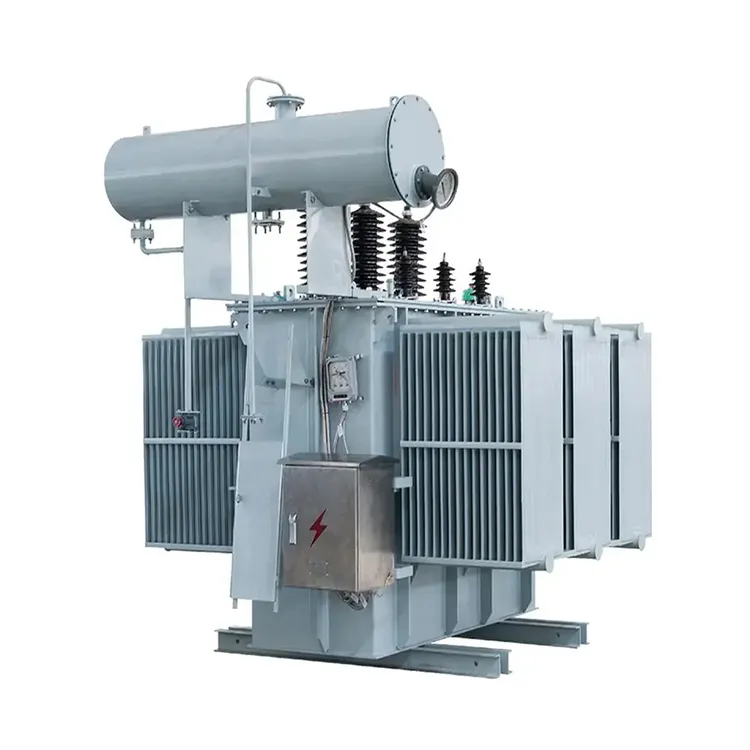
Voltage ratio, tap range, impedance, insulation level, and loss targets need to be stated against the same project basis. Impedance influences both voltage regulation and fault-current calculations, while the vector group affects grounding and parallel operation. Ask the design authority to confirm these values before the purchase order is released.
Outdoor temperature, altitude, pollution severity, clearances, and access for inspection affect the practical configuration. Fully sealed arrangements can reduce exposure to moisture, but the final tank, radiator, bushing, and protection arrangement must match the project drawings. Do not treat a general product image as proof of a project-specific accessory package.
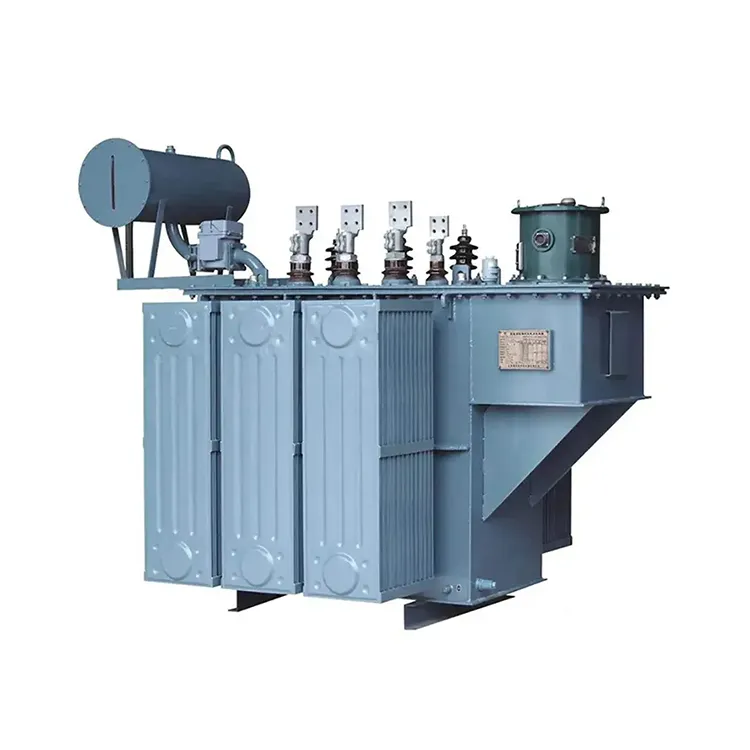
Compare no-load and load losses at the same reference conditions and with the same stated standards. A low purchase price can conceal a different loss basis, impedance, or accessory list. Factory routine-test records, outline drawings, wiring diagrams, and nameplate data should be reviewed together rather than as isolated documents.
A controlled RFQ should include the electrical schedule, ambient and altitude data, installation location, terminal arrangement, required tests, documentation, packing requirements, and delivery point. If the utility has interface requirements, attach the applicable section rather than relying on a verbal summary.
For typical outdoor distribution work, the published S11-M oil immersed distribution transformer is a useful catalog starting point for an engineering review. Product recommendation boundary: final rating, taps, losses, bushings, and protection accessories remain subject to the approved project specification.
For related detailed reading, see Oil Immersed vs Dry Type Transformer and Distribution Transformer RFQ Checklist. Review the wider Shenheng Power category when comparing catalog families, and send the approved project inputs through Contact Shenheng Power for an engineering discussion.
Provide the voltage ratio, kVA or MVA duty, vector group, impedance, tap requirement, site conditions, required tests, and delivery location.
Use the same reference temperature, rating basis, and standard for every quotation, then confirm the figures in the technical schedule.
No. The maintenance plan still depends on the design, environment, protection devices, and the manufacturer’s operating instructions.
It affects voltage regulation and prospective fault current, so it must be coordinated with the system study.
Review the approved outline drawing, wiring diagram, nameplate data, routine-test report, manual, and packing list.
Projects with unusual voltage, fault level, altitude, utility rules, or accessory requirements need a project-specific engineering review.