Shenheng Power Equipment Co., Ltd.
- Home
- Products
Products
Since 2001, Shenheng Power has been a trusted manufacturer of power transmission and distribution equipment, delivering reliable electrical solutions globally.
- Solutions
- News & Blog
- Service
- About Us
- Contact Us
Since 2001, Shenheng Power has been a trusted manufacturer of power transmission and distribution equipment, delivering reliable electrical solutions globally.
EPC teams sizing a 100 kVA transformer for a commercial feeder, light industrial plant, or rural extension often receive quotations that look identical on paper but diverge on impedance, loss basis, and enclosure class.
This guide focuses on the small-unit decisions that matter at 100 kVA: how the rating sits in the load study, which nameplate fields must match the single-line diagram, and what factory documents keep civil and protection teams aligned. Pair it with your approved study — it does not replace utility or consultant sign-off.
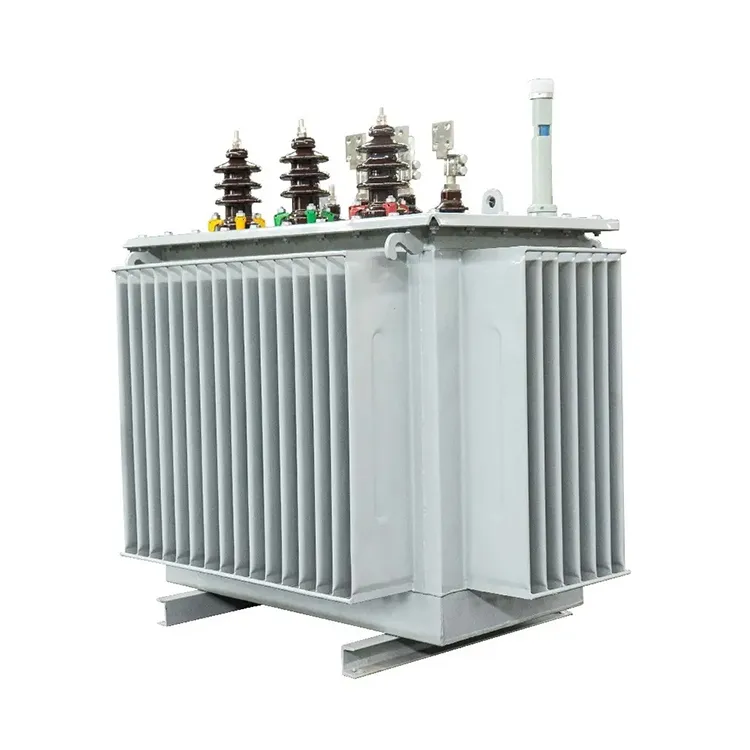
A 100 kVA rating typically serves localized loads — retail clusters, pumping stations, workshop feeders, or temporary construction supplies — where a full substation expansion would be oversized. The transformer still defines the fault contribution at the LV board, so the rating must be read together with cable impedance and prospective fault level.
Buyers often inherit a legacy nameplate and assume the replacement can copy kVA alone. Modern loss targets, vector groups, and tap ranges may differ from the retired unit, especially when the feeder now includes drives or LED loads with different harmonic profiles.
For broader transformer procurement context, see the distribution transformer RFQ checklist and oil immersed versus dry type comparison.
| Field | Why 100 kVA projects stall without it | Typical owner |
|---|---|---|
| Primary / secondary voltage | Sets winding design and clearance | Single-line diagram |
| Vector group | Grounding and protection compatibility | Utility note |
| Impedance (%Z) | Fault contribution at LV terminals | Fault study |
| No-load and load loss targets | Utility loss submissions and operating cost | Consultant spec |
| Tap range and position | Voltage regulation under seasonal load | Load flow study |
| Cooling class (ONAN, dry type) | Room ventilation or oil containment | Mechanical engineer |
| Insulation level (LI/AC) | Clearance and BIL coordination | Protection study |
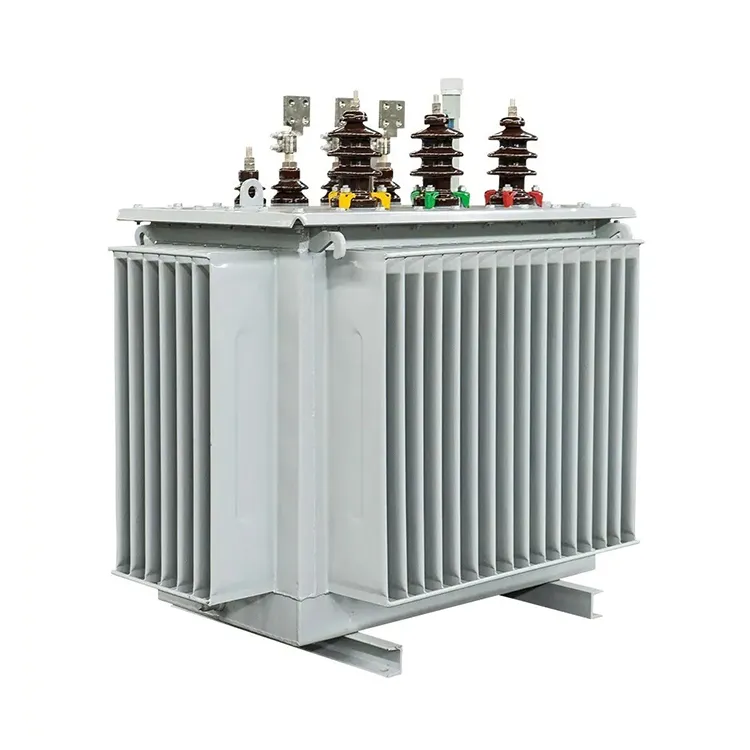
Important: Nameplate kVA must trace to the load study diversity assumptions documented in the interconnection package; oversizing without revising loss targets can trigger utility review under IEC 60076-1 general requirements.
Capture altitude, average ambient, and enclosure IP at the same time. Small units are often squeezed into tight rooms where ventilation becomes the hidden constraint.
At 100 kVA, indoor cast resin dry type units appeal when fire risk, noise, or oil containment must be minimized inside occupied buildings. Outdoor oil immersed distribution transformers remain common where weather-rated enclosures, lower first cost, and proven ONAN cooling are acceptable.
Dry type selections should record room dimensions, filter clearance, and any classified area limits. Oil immersed selections should record bunding, sampling access, and lifting paths before the GA drawing is released.
When the feeder may grow beyond 100 kVA within a few years, compare stepping up one standard size against the step-down transformer sizing guide for factories before freezing the purchase order.
| Document / item | Purpose | When to request |
|---|---|---|
| Routine / type test summary | Confirms losses and impedance basis | Before award |
| GA drawing with weights | Civil pad and lifting plan | Design freeze |
| Wiring and terminal diagram | LV cable gland and CT placement | Before manufacture |
| Tap changer chart | Commissioning reference | With FAT plan |
| O&M manual | Operator training | Contract negotiation |
| Spare parts list | Gaskets, gauges, fans | Handover |
| Ratio and polarity test sheet | Site energization record | Before shipment |
Attach the table to every RFQ revision so vendors return comparable technical binders instead of catalog excerpts.
Confirm grounding resistance, cable termination torque, and surge arrester placement against the released drawing. For oil immersed units, verify oil level, silica gel condition, and pressure relief path before energization.
Commissioning should include ratio tests, insulation resistance, vector group verification, and protection relay inputs tied to the approved settings sheet. Thermal imaging after 24–72 hours of loaded operation establishes a baseline for future maintenance.
Maintenance planning should reserve filter access for dry type rooms and oil sampling intervals for liquid-filled units per the manufacturer manual.
For many 100 kVA distribution scopes, begin engineering review with Shenheng Power’s S11-M oil immersed distribution transformer catalog entry documented on the product page.
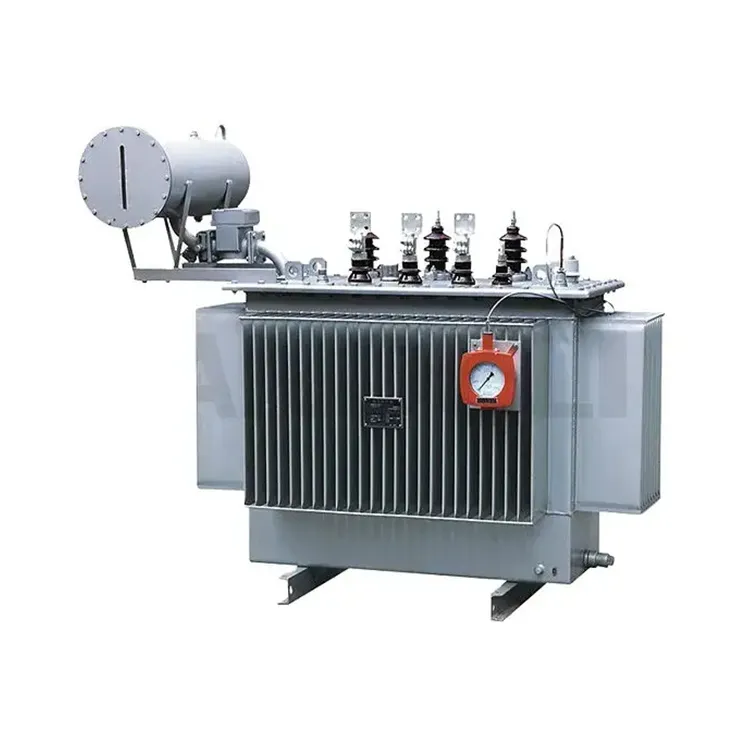
Application limits: This catalog path supports typical outdoor distribution and industrial feeder scopes described on the product page. It is not a substitute for project-specific studies when prospective fault levels, altitude extremes, or national utility type-approval rules exceed published ratings.
If the study points to indoor dry type or a different kVA step, browse the transformer category and send study inputs through Contact Shenheng Power.
Only if the load study — with diversity — supports that rating and the LV fault level remains within the downstream board design. Confirm with the consultant before award.
Dyn11 and Yyn0 appear frequently depending on grounding philosophy, but the utility or internal protection standard must dictate the final choice.
Yes. Even small units contribute to utility loss submissions and long-term operating cost comparisons between bidders.
Indoor fire risk, noise limits, maintenance access, and oil containment rules typically drive dry type selection; outdoor feeders with standard utility practice often favor oil immersed designs.
Plan ratio, polarity, insulation resistance, grounding verification, and functional protection checks; add oil sampling when the manual requires a baseline sample at first fill.
Before manufacturing locks the tap position, especially when the feeder voltage varies seasonally or when new distributed generation is added upstream.