Shenheng Power Equipment Co., Ltd.
- Home
- Products
Products
Since 2001, Shenheng Power has been a trusted manufacturer of power transmission and distribution equipment, delivering reliable electrical solutions globally.
- Solutions
- News & Blog
- Service
- About Us
- Contact Us
Since 2001, Shenheng Power has been a trusted manufacturer of power transmission and distribution equipment, delivering reliable electrical solutions globally.
Buyers evaluating a hermetically sealed transformer for outdoor distribution need clarity on tank design, pressure management, and maintenance access — sealed does not mean “zero inspection.”
This hermetically sealed transformer guide focuses on practical procurement and layout controls for the package below. Pair the checklist with the approved single-line for hermetically-sealed-transformer-guide — it does not replace utility or consultant sign-off.
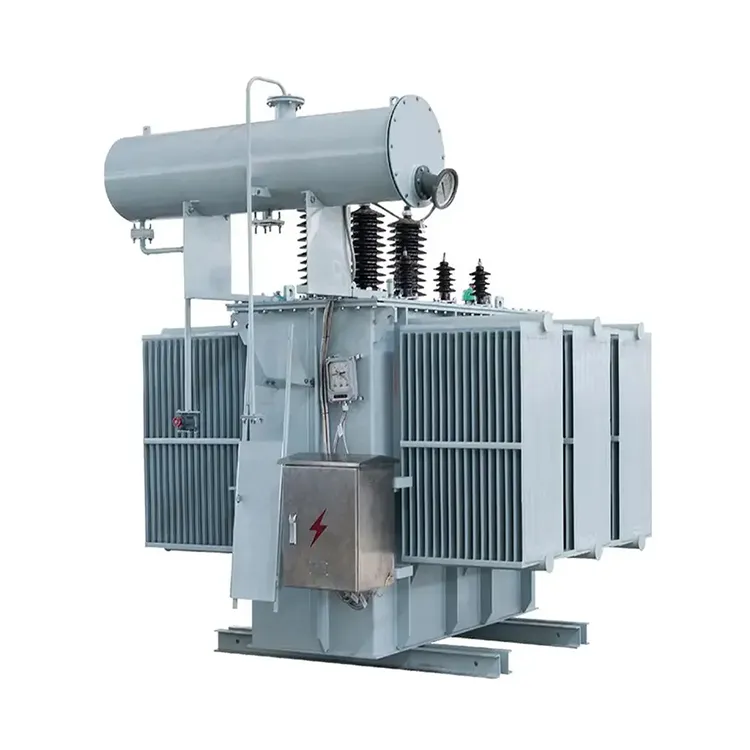
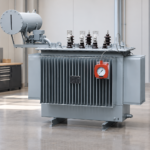
Hermetically sealed (fully sealed) oil immersed designs limit free air exchange with the tank, reducing moisture ingress risk on outdoor pads when correctly specified and handled.
They still require nameplate reconciliation, bushing checks, and protective device verification. Treat sealing as a moisture-management strategy, not a substitute for commissioning tests.
Related reading: oil immersed vs dry type transformer comparison and oil type transformer bushing inspection guide.
| Buyer check | Why sealed units still need it | Owner |
|---|---|---|
| kVA / voltage / vector group | Network compatibility | Single-line |
| Loss guarantees & reference temp | Bid normalization | Consultant |
| Tank sealing / expansion method | Pressure behavior over load cycles | Manufacturer datasheet |
| Pressure relief / gauges | Safe operating band | Ops / HSE |
| Bushing type and CT options | Protection interfaces | Relay engineer |
| Oil type and filling records | Baseline chemistry | Commissioning |
| Ambient / altitude / IP | Outdoor derating | Site data |
Important: For hermetically sealed transformer, freeze these inputs on a controlled revision before normalizing commercial bids; late changes cascade into civil, protection, and factory drawings — align with IEC standards practice and the project authority source notes.
Sealed tanks change how teams plan oil sampling and gas analysis. Follow the manufacturer’s approved sampling points — do not improvise ports that defeat the seal design.
Schedule bushing, gauge, and pressure-relief inspections on the same cadence as other outdoor oil units, with seal integrity checks after major through-faults.
| Document | Purpose | Send with quote |
|---|---|---|
| Tank sealing description | Clarify expansion method | Yes — technical bid |
| Pressure relief / gauge list | Ops acceptance | Yes — with GA |
| Loss & impedance certificates | Commercial comparison | Yes — same basis |
| Bushing / CT arrangement drawing | Protection wiring | Yes — before manufacture |
| Oil type + factory fill record | Chemistry baseline | Yes — shipment pack |
| Sampling procedure (if any) | Maintenance planning | Yes — O&M annex |
| Transport sealing integrity note | Receiving inspection | Yes — logistics |
Attach this table to every RFQ revision so vendors return comparable technical packages instead of catalog excerpts.
Inspect tank integrity, gauge readings, and bushing porcelain/creepage on arrival. Confirm pad earthing and cable torque before first energization.
Record ratio, polarity, and insulation results against the sealed-unit nameplate. Retain factory oil data as the chemistry baseline.
For many hermetically sealed transformer scopes, begin engineering review with Shenheng Power’s S11-M fully sealed oil immersed distribution transformer catalog entry documented on the product page.
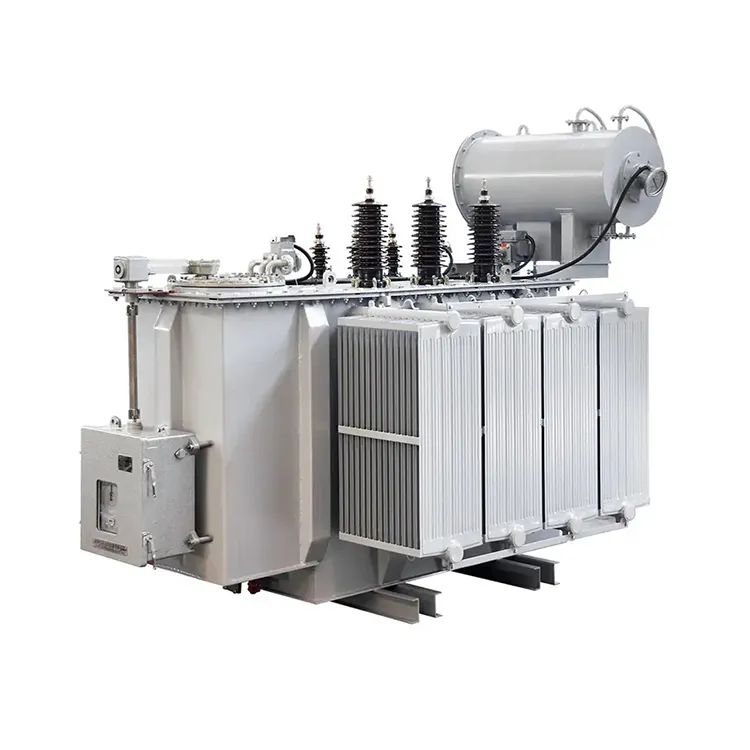
Application limits: For hermetically sealed transformer (hermetically-sealed-transformer-guide), treat the linked catalog page as an engineering starting point only. Do not freeze hermetically sealed transformer procurement when the project fault study, altitude derating, or utility type-approval envelope exceeds the published ratings on that product page.
If the hermetically sealed transformer study points to a different scheme or rating for hermetically-sealed-transformer-guide, browse the category page and send study inputs through Contact Shenheng Power.
A tank design that limits free air exchange — confirm the exact expansion and sealing method on the manufacturer datasheet.
Use only approved ports and procedures; do not treat open-conservator habits as interchangeable.
Pads where moisture control and reduced breathing maintenance matter — still subject to local utility practice.
Device list, setpoints/bands, and GA placement so ops can accept the package safely.
Require identical guarantee formats and reference temperatures across bidders before commercial ranking.
When utility standards, larger MVA classes, or maintenance regimes explicitly require conservator designs.