Depuis 2001, Shenheng Power est un fabricant de confiance d'équipements de transmission et de distribution d'énergie, fournissant des solutions électriques fiables à l'échelle mondiale.
Forts d'un système complet de service après-vente, nous fournissons des conseils techniques d'experts, des conseils sur les produits et des services OEM et ODM flexibles pour vos projets.
Depuis 2001, Shenheng Power est un fabricant de confiance d'équipements de transmission et de distribution d'énergie, fournissant des solutions électriques fiables à l'échelle mondiale.
Comment sélectionner un transformateur immergé dans l'huile pour un projet
Date de sortie : 24-06-2026
Un clair transformateur immergé dans l'huile la décision commence par la conception de réseau approuvée, et non par une spécification de catalogue isolée. Ce guide permet de centrer l'article sur les questions du projet qui déterminent un périmètre viable et renvoie les décisions plus spécifiques vers des articles techniques connexes.
Partie 1. Commencez par le service système, et non par une valeur nominale de catalogue.
Un transformateur immergé dans l'huile doit être sélectionné à partir du schéma unifilaire approuvé et de l'étude de charge. Établissez la charge continue, la croissance prévue, les tensions primaire et secondaire, la fréquence, le groupe de couplage, le schéma de mise à la terre et l'environnement d'installation avant de comparer les offres des fournisseurs. Un chiffre en kVA ne suffit pas à définir l'équipement.
Partie 2. Définir les exigences électriques qui modifient la conception
Le rapport de tension, la plage de prises, l'impédance, le niveau d'isolement et les objectifs de pertes doivent être définis sur la même base de projet. L'impédance influence à la fois la régulation de tension et les calculs de courant de défaut, tandis que le couplage affecte la mise à la terre et le fonctionnement en parallèle. Demandez à l'autorité de conception de confirmer ces valeurs avant l'émission du bon de commande.
Partie 3. Comparer le refroidissement, l'enceinte et les conditions du site
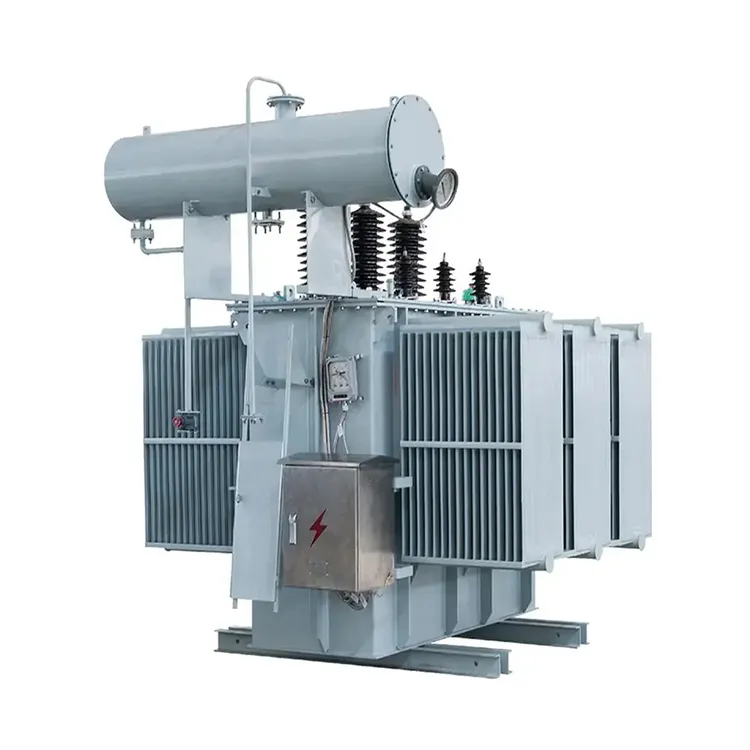
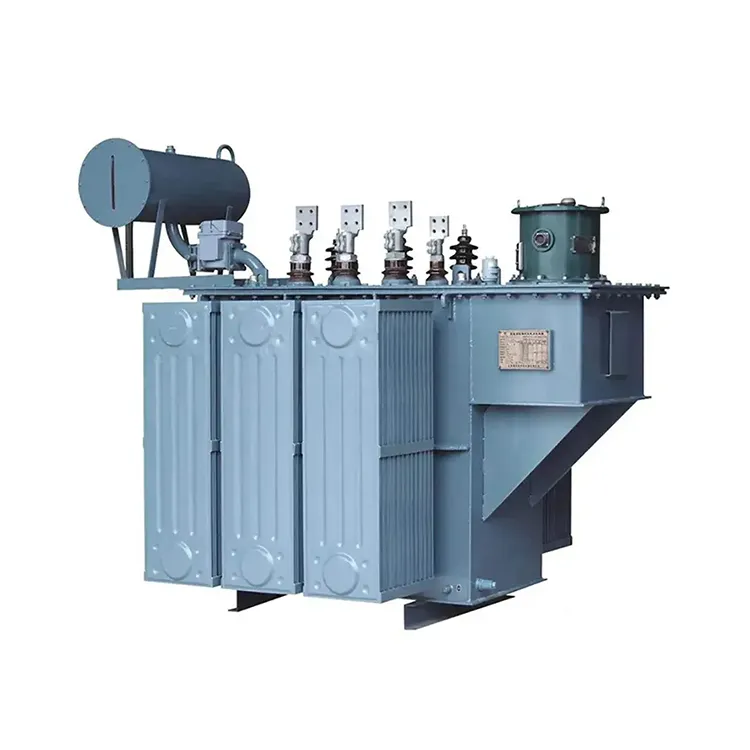
La température extérieure, l'altitude, la sévérité de la pollution, les distances d'isolement et l'accès pour inspection influencent la configuration pratique. Des agencements entièrement scellés peuvent réduire l'exposition à l'humidité, mais la cuve finale, le radiateur, la traversée et l'agencement de protection doivent correspondre aux plans du projet. Ne considérez pas une image de produit générale comme la preuve d'un ensemble d'accessoires spécifique à un projet.
Partie 4. Utiliser les pertes et les enregistrements de test pour normaliser les offres
Comparez les pertes à vide et en charge dans les mêmes conditions de référence et selon les mêmes normes indiquées. Un faible prix d'achat peut masquer une base de pertes, une impédance ou une liste d'accessoires différentes. Les rapports d'essais de routine en usine, les dessins d'ensemble, les schémas de câblage et les données de la plaque signalétique doivent être examinés conjointement plutôt que comme des documents isolés.
Partie 5. Élaborer une consultation (RFQ) à laquelle les fournisseurs peuvent répondre de manière cohérente
Une demande de prix (RFQ) contrôlée doit inclure le calendrier électrique, les données relatives à la température ambiante et à l'altitude, le lieu d'installation, la disposition des bornes, les essais requis, la documentation, les exigences en matière d'emballage et le point de livraison. Si le service public a des exigences d'interface, joignez la section applicable plutôt que de vous fier à un résumé verbal.
Partie 6. Choisir un point de départ de catalogue avec une limite claire
Pour les travaux de distribution extérieure typiques, la version publiée Transformateur de distribution immergé dans l'huile S11-M constitue un point de départ de catalogue utile pour une revue d'ingénierie. Limite de la recommandation de produit : la note finale, les prises, les pertes, les traversées et les accessoires de protection restent soumis à la spécification de projet approuvée.
Quelles informations doivent être corrigées avant de demander un devis pour un transformateur ?
Fournissez le rapport de tension, la puissance nominale en kVA ou MVA, le groupe de couplage, l'impédance, les exigences de prise, les conditions du site, les essais requis et le lieu de livraison.
Comment les acheteurs doivent-ils comparer les pertes des transformateurs ?
Utilisez la même température de référence, la même base de calcul et la même norme pour chaque devis, puis confirmez les chiffres dans l'annexe technique.
Un transformateur hermétique supprime-t-il le besoin de maintenance ?
Non. Le plan de maintenance dépend toujours de la conception, de l'environnement, des dispositifs de protection et des instructions d'utilisation du fabricant.
Pourquoi l'impédance est-elle importante dans le choix d'un transformateur ?
Cela affecte la régulation de tension et le courant de défaut présumé, il faut donc le coordonner avec l'étude du système.
Quels sont les documents utiles avant l'expédition ?
Examinez le dessin d'ensemble approuvé, le schéma de câblage, les données de la plaque signalétique, le rapport d'essais de routine, le manuel et la liste de colisage.
Quand un modèle de catalogue ne suffit-il pas pour la sélection ?
Les projets présentant des caractéristiques inhabituelles en matière de tension, de niveau de défaut, d'altitude, de règles de réseau ou d'exigences en matière d'accessoires nécessitent une étude d'ingénierie spécifique au projet.
Shenheng Electric Power s'engage à devenir un leader mondial des solutions d'équipements électriques, aidant les clients à réaliser une gestion de l'énergie sûre, efficace et durable.

 Shenheng Power Equipment Co., Ltd.