Shenheng Power Equipment Co., Ltd.
- Home
- Products
Products
Since 2001, Shenheng Power has been a trusted manufacturer of power transmission and distribution equipment, delivering reliable electrical solutions globally.
- Solutions
- News & Blog
- Service
- About Us
- Contact Us
Since 2001, Shenheng Power has been a trusted manufacturer of power transmission and distribution equipment, delivering reliable electrical solutions globally.
A clear electrical substation decision begins with the approved network design, not an isolated catalog specification. This guide keeps the article focused on the project questions that determine a workable scope and directs narrower decisions to related technical articles.
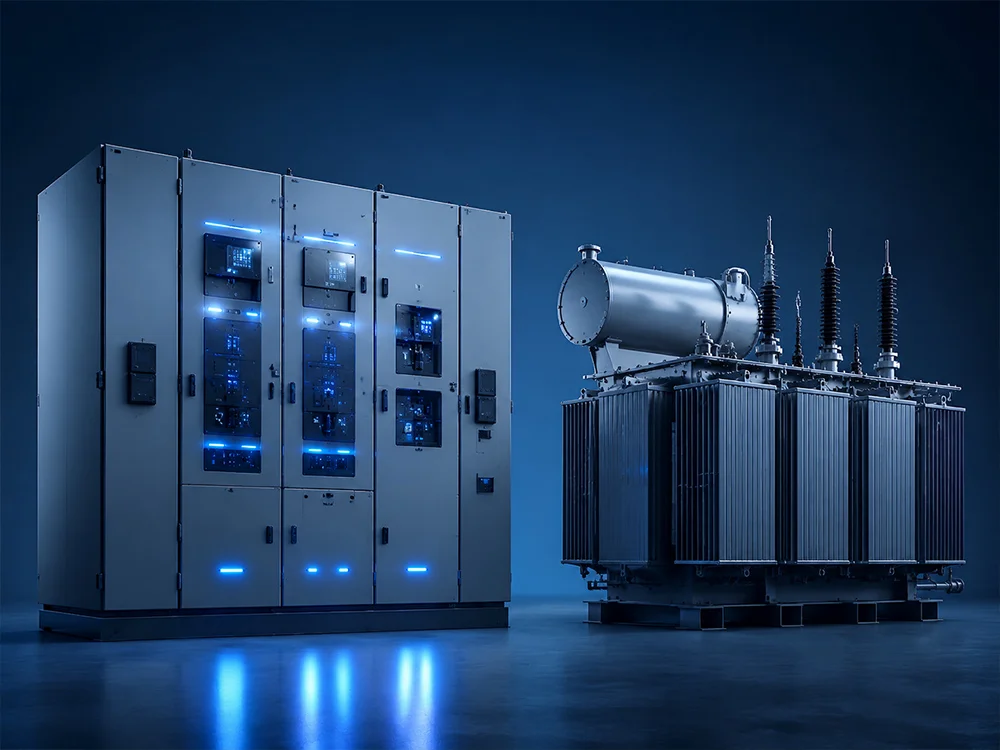
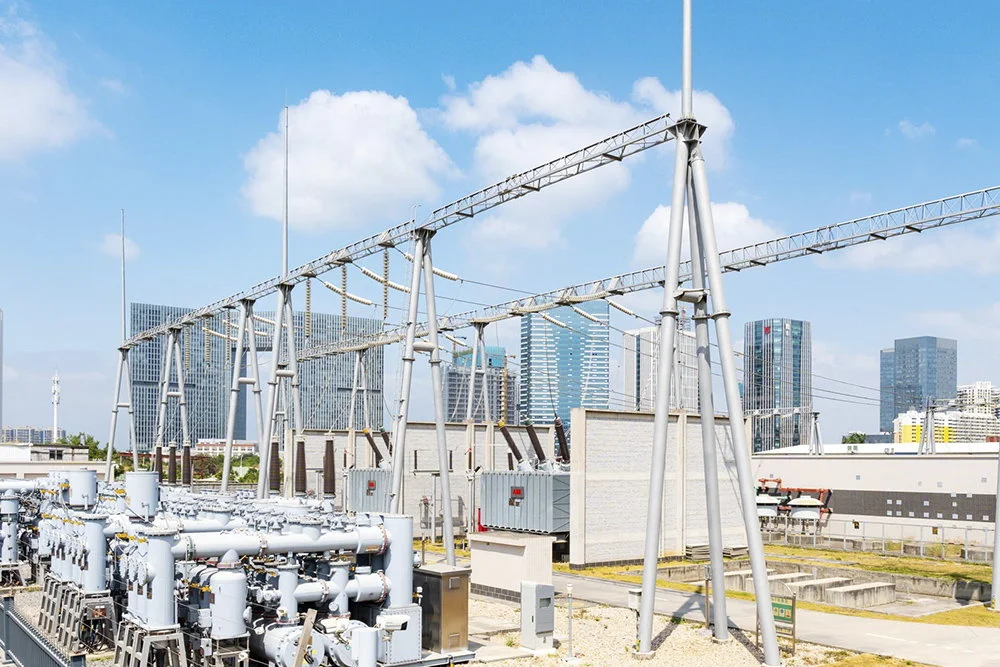
An electrical substation is the point where equipment changes voltage, switches circuits, protects feeders, or connects sections of a power network. The exact role may be generation step-up, transmission, distribution, industrial intake, or a local packaged solution. Its purpose is defined by the one-line diagram, not by the size of the enclosure.
A power station produces electricity. A substation generally receives, transforms, switches, measures, or distributes electricity that has already been generated. Projects sometimes combine these facilities on one site, but the engineering functions and equipment schedules are different.
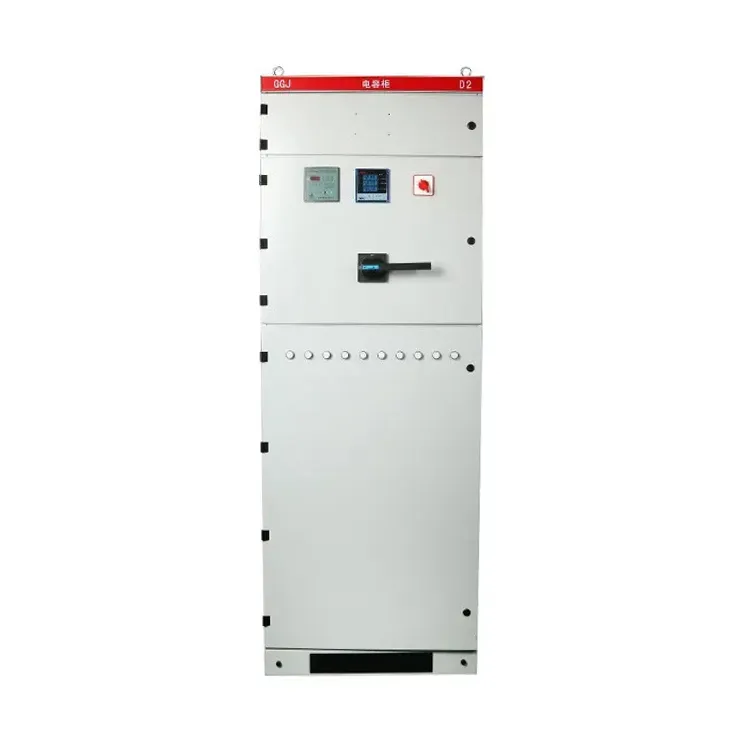
A distribution substation may include medium-voltage switchgear, a transformer, low-voltage distribution equipment, protection and metering, earthing, cables, and an enclosure. The package must be coordinated so voltage class, fault duty, protection settings, clearances, and cable interfaces agree with the approved design.
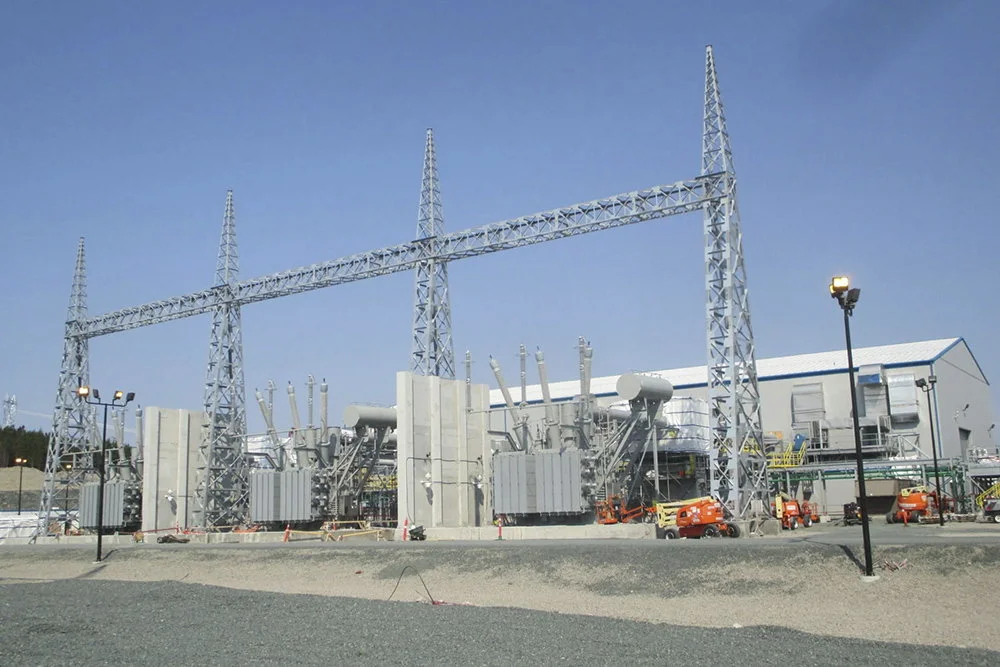
A conventional substation can distribute equipment across a dedicated building or yard. A compact or prefabricated arrangement integrates major equipment in a factory-assembled enclosure, which can simplify site work when the layout and interfaces are fixed early. Foundation, lifting route, cable entry, ventilation, and maintenance space still require site coordination.
Confirm the incoming and outgoing voltages, transformer rating, MV and LV feeder arrangement, short-circuit level, environmental conditions, utility metering requirements, and local approval process. These inputs determine whether a compact solution is suitable and what it must contain.
For projects that need an integrated outdoor arrangement, review the published 11kV/33kV compact outdoor electrical substation. Product recommendation boundary: it supports an initial scope discussion; protection philosophy, transformer data, and civil interfaces must be confirmed for the individual project.
For related detailed reading, see Power Substation vs Prefabricated Substation and SF6 Ring Main Unit Outdoor Installation. Review the wider Shenheng Power category when comparing catalog families, and send the approved project inputs through Contact Shenheng Power for an engineering discussion.
It transforms voltage, switches and protects circuits, measures electrical quantities, and distributes power according to the network design.
No. A power station generates electricity, while a substation manages and transfers electricity within the network.
Typical equipment includes MV switchgear, a transformer, LV distribution, protection and metering, earthing, cables, and an enclosure or building.
It can suit projects with repeatable layouts and a defined equipment scope, provided site interfaces and utility requirements are confirmed.
Include the one-line diagram, voltage levels, transformer rating, feeder list, fault level, environmental data, and documentation requirements.
No. Civil works, cable routing, grounding, access, and commissioning still need project-specific coordination.