Depuis 2001, Shenheng Power est un fabricant de confiance d'équipements de transmission et de distribution d'énergie, fournissant des solutions électriques fiables à l'échelle mondiale.
Forts d'un système complet de service après-vente, nous fournissons des conseils techniques d'experts, des conseils sur les produits et des services OEM et ODM flexibles pour vos projets.
Depuis 2001, Shenheng Power est un fabricant de confiance d'équipements de transmission et de distribution d'énergie, fournissant des solutions électriques fiables à l'échelle mondiale.
Bases des sous-stations électriques pour les acheteurs de projets
Release Time: 2026-06-29
Un clair electrical substation la décision commence par la conception de réseau approuvée, et non par une spécification de catalogue isolée. Ce guide permet de centrer l'article sur les questions du projet qui déterminent un périmètre viable et renvoie les décisions plus spécifiques vers des articles techniques connexes.
Part 1. Define the role of the substation in the network
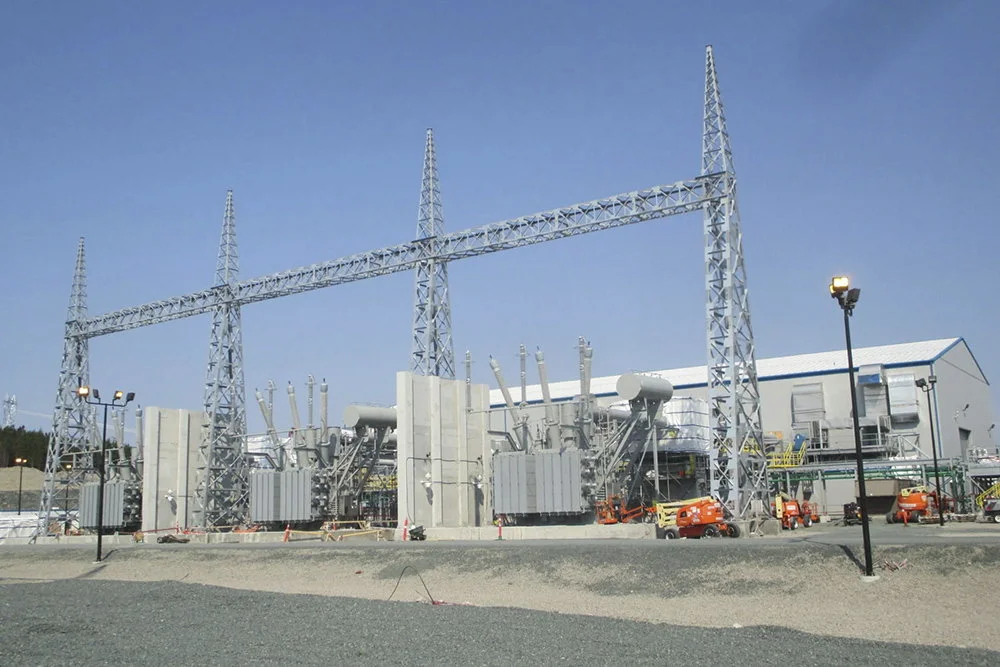
An electrical substation is the point where equipment changes voltage, switches circuits, protects feeders, or connects sections of a power network. The exact role may be generation step-up, transmission, distribution, industrial intake, or a local packaged solution. Its purpose is defined by the one-line diagram, not by the size of the enclosure.
Part 2. Separate a substation from a power station
A power station produces electricity. A substation generally receives, transforms, switches, measures, or distributes electricity that has already been generated. Projects sometimes combine these facilities on one site, but the engineering functions and equipment schedules are different.
Part 3. Recognize the equipment that must work together
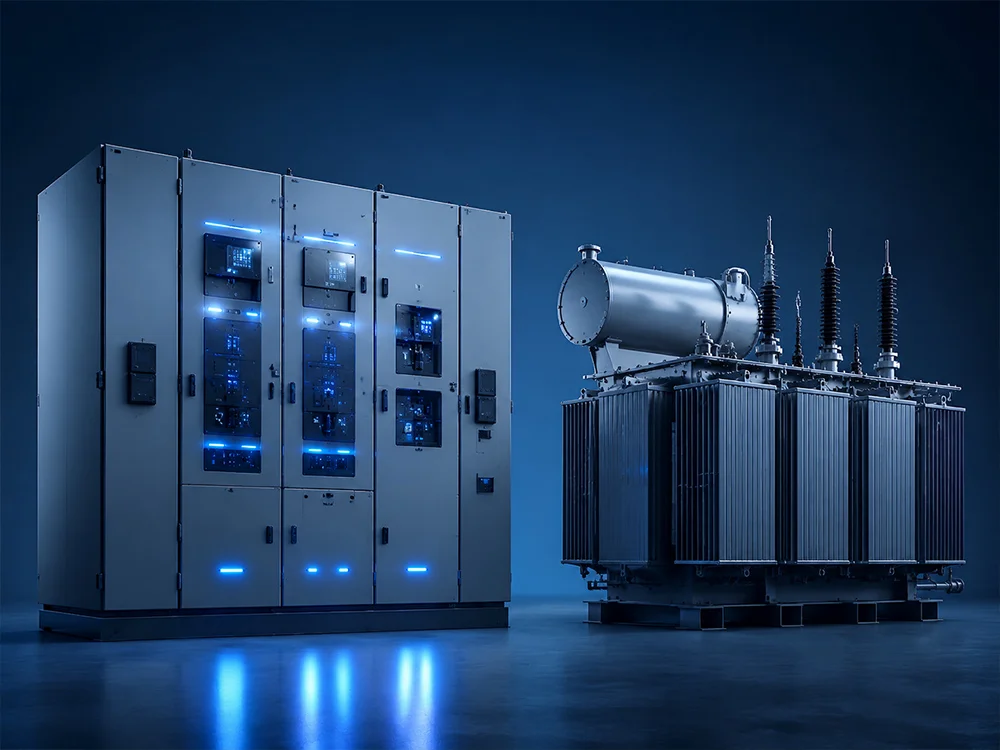
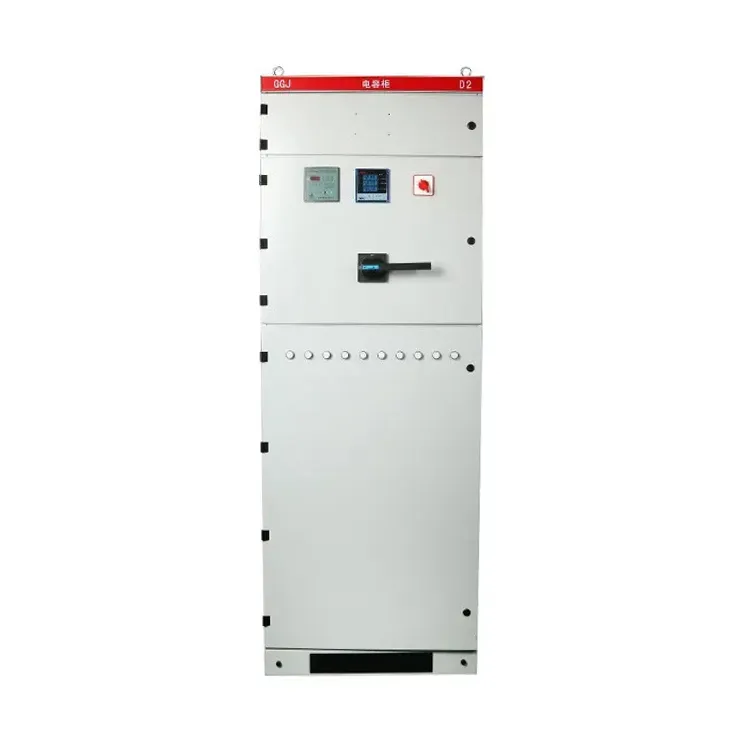
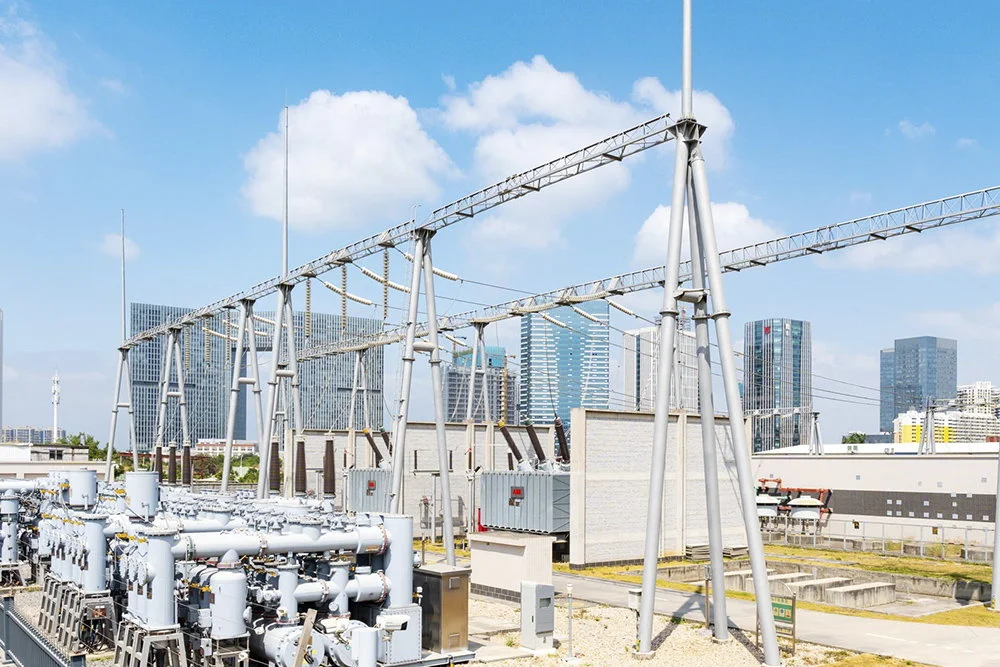
A distribution substation may include medium-voltage switchgear, a transformer, low-voltage distribution equipment, protection and metering, earthing, cables, and an enclosure. The package must be coordinated so voltage class, fault duty, protection settings, clearances, and cable interfaces agree with the approved design.
Part 4. Choose the layout from site constraints
A conventional substation can distribute equipment across a dedicated building or yard. A compact or prefabricated arrangement integrates major equipment in a factory-assembled enclosure, which can simplify site work when the layout and interfaces are fixed early. Foundation, lifting route, cable entry, ventilation, and maintenance space still require site coordination.
Part 5. Ask the project questions before selecting a package
Confirm the incoming and outgoing voltages, transformer rating, MV and LV feeder arrangement, short-circuit level, environmental conditions, utility metering requirements, and local approval process. These inputs determine whether a compact solution is suitable and what it must contain.
Part 6. Use a compact package as a starting point, not a substitute for design
For projects that need an integrated outdoor arrangement, review the published Poste de transformation électrique extérieur compact 11 kV/33 kV. Product recommendation boundary: it supports an initial scope discussion; protection philosophy, transformer data, and civil interfaces must be confirmed for the individual project.
Shenheng Electric Power s'engage à devenir un leader mondial des solutions d'équipements électriques, aidant les clients à réaliser une gestion de l'énergie sûre, efficace et durable.

 Shenheng Power Equipment Co., Ltd.