Desde 2001, Shenheng Power ha sido un fabricante de confianza de equipos de transmisión y distribución de energía, ofreciendo soluciones eléctricas confiables a nivel mundial.
Respaldados por un sistema postventa completo, ofrecemos consulta técnica experta, orientación sobre productos y servicios flexibles de OEM y ODM para sus proyectos.
Desde 2001, Shenheng Power ha sido un fabricante de confianza de equipos de transmisión y distribución de energía, ofreciendo soluciones eléctricas confiables a nivel mundial.
Conceptos básicos de subestaciones eléctricas para compradores de proyectos
Release Time: 2026-06-29
Un claro electrical substation la decisión comienza con el diseño de red aprobado, no con una especificación de catálogo aislada. Esta guía mantiene el artículo centrado en las preguntas del proyecto que determinan un alcance viable y dirige las decisiones más específicas a artículos técnicos relacionados.
Part 1. Define the role of the substation in the network
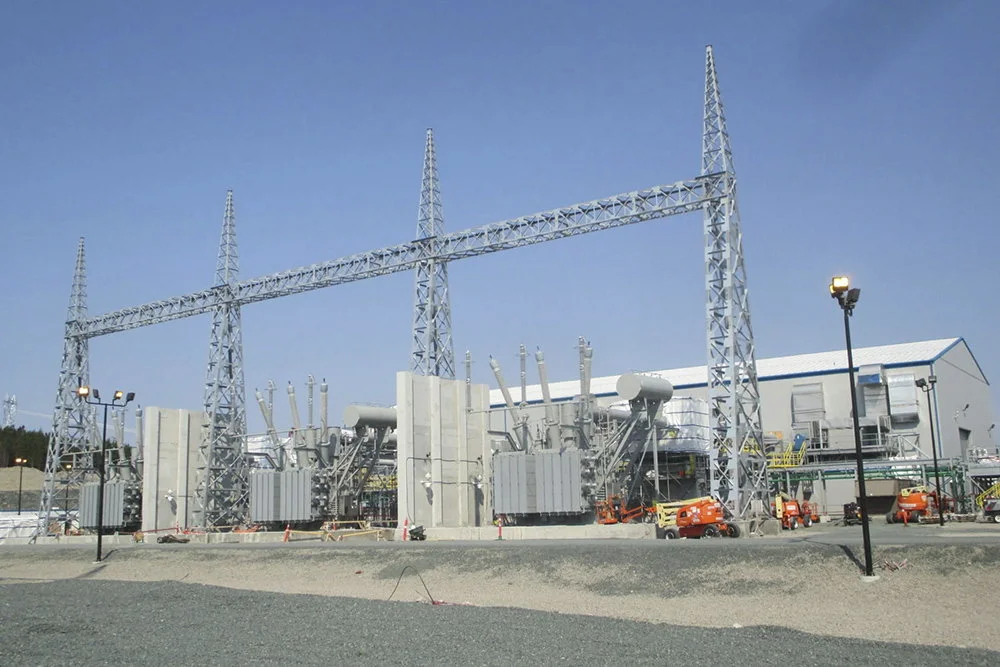
An electrical substation is the point where equipment changes voltage, switches circuits, protects feeders, or connects sections of a power network. The exact role may be generation step-up, transmission, distribution, industrial intake, or a local packaged solution. Its purpose is defined by the one-line diagram, not by the size of the enclosure.
Part 2. Separate a substation from a power station
A power station produces electricity. A substation generally receives, transforms, switches, measures, or distributes electricity that has already been generated. Projects sometimes combine these facilities on one site, but the engineering functions and equipment schedules are different.
Part 3. Recognize the equipment that must work together
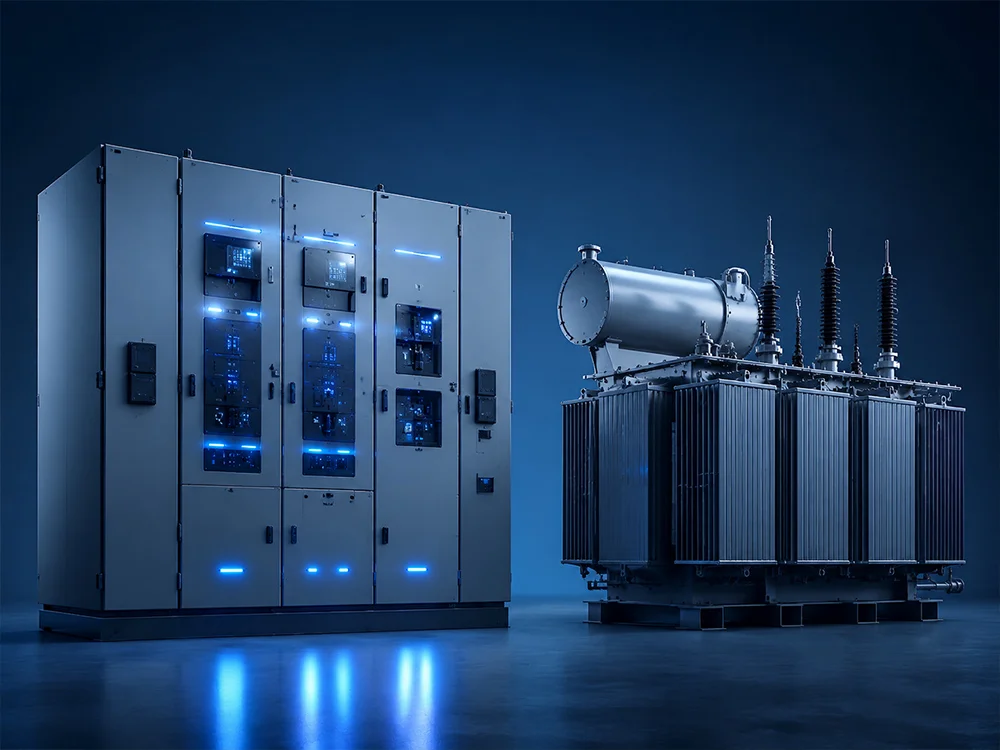
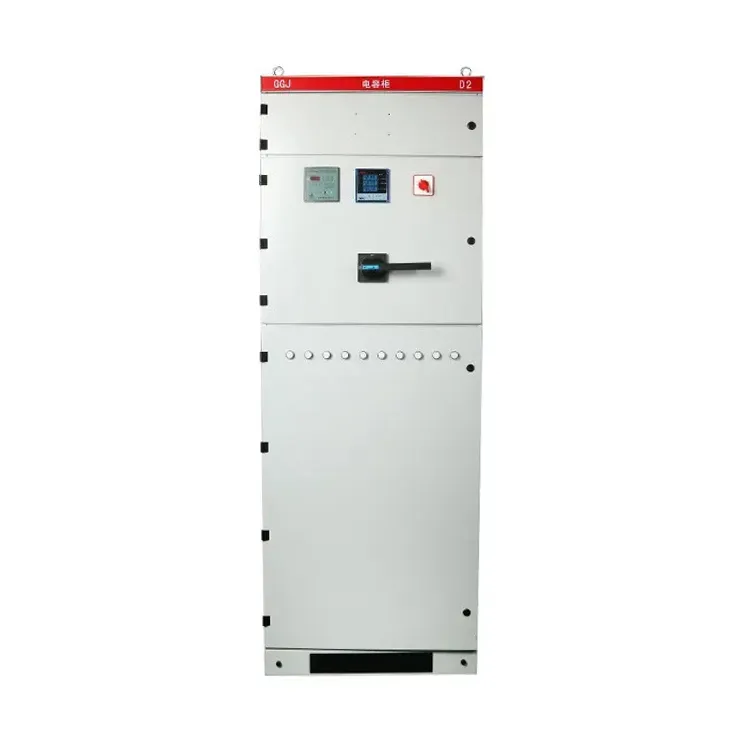
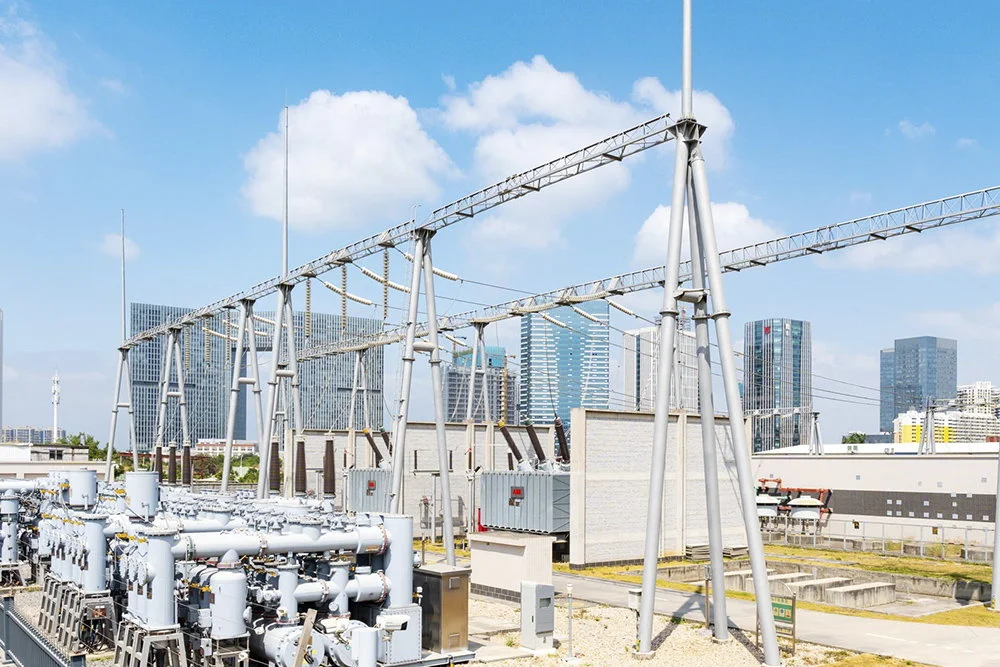
A distribution substation may include medium-voltage switchgear, a transformer, low-voltage distribution equipment, protection and metering, earthing, cables, and an enclosure. The package must be coordinated so voltage class, fault duty, protection settings, clearances, and cable interfaces agree with the approved design.
Part 4. Choose the layout from site constraints
A conventional substation can distribute equipment across a dedicated building or yard. A compact or prefabricated arrangement integrates major equipment in a factory-assembled enclosure, which can simplify site work when the layout and interfaces are fixed early. Foundation, lifting route, cable entry, ventilation, and maintenance space still require site coordination.
Part 5. Ask the project questions before selecting a package
Confirm the incoming and outgoing voltages, transformer rating, MV and LV feeder arrangement, short-circuit level, environmental conditions, utility metering requirements, and local approval process. These inputs determine whether a compact solution is suitable and what it must contain.
Part 6. Use a compact package as a starting point, not a substitute for design
For projects that need an integrated outdoor arrangement, review the published subestación eléctrica compacta exterior de 11kV/33kV. Product recommendation boundary: it supports an initial scope discussion; protection philosophy, transformer data, and civil interfaces must be confirmed for the individual project.
Shenheng Electric Power se compromete a convertirse en un líder mundial en soluciones de equipos eléctricos, ayudando a los clientes a lograr una gestión de energía segura, eficiente y sostenible.

 Shenheng Power Equipment Co., Ltd.