Kể từ năm 2001, Shenheng Power đã là nhà sản xuất thiết bị truyền tải và phân phối điện đáng tin cậy, cung cấp các giải pháp điện năng đáng tin cậy trên toàn cầu.
Được hỗ trợ bởi hệ thống hậu mãi toàn diện, chúng tôi cung cấp dịch vụ tư vấn kỹ thuật chuyên gia, hướng dẫn sản phẩm và các dịch vụ OEM & ODM linh hoạt cho các dự án của bạn.
Kể từ năm 2001, Shenheng Power đã là nhà sản xuất thiết bị truyền tải và phân phối điện đáng tin cậy, cung cấp các giải pháp điện năng đáng tin cậy trên toàn cầu.
Kiến thức cơ bản về trạm biến áp dành cho người mua dự án
Release Time: 2026-06-29
Một sự rõ ràng electrical substation quyết định bắt đầu từ thiết kế mạng đã được phê duyệt, không phải một thông số kỹ thuật danh mục riêng lẻ. Hướng dẫn này giúp bài viết tập trung vào các câu hỏi của dự án nhằm xác định phạm vi khả thi và hướng các quyết định chi tiết hơn đến các bài viết kỹ thuật liên quan.
Part 1. Define the role of the substation in the network
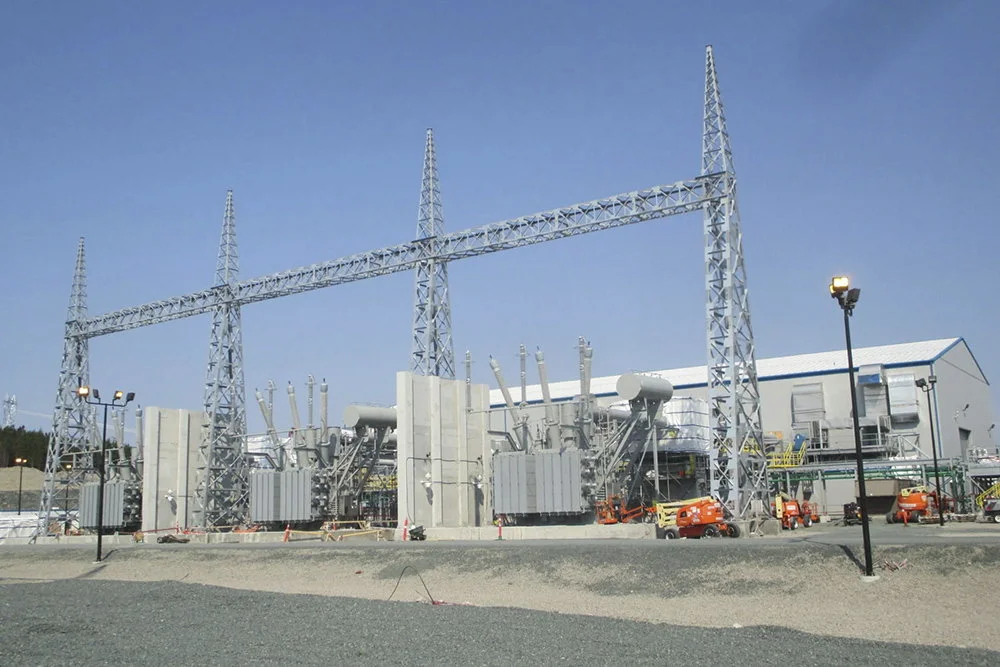
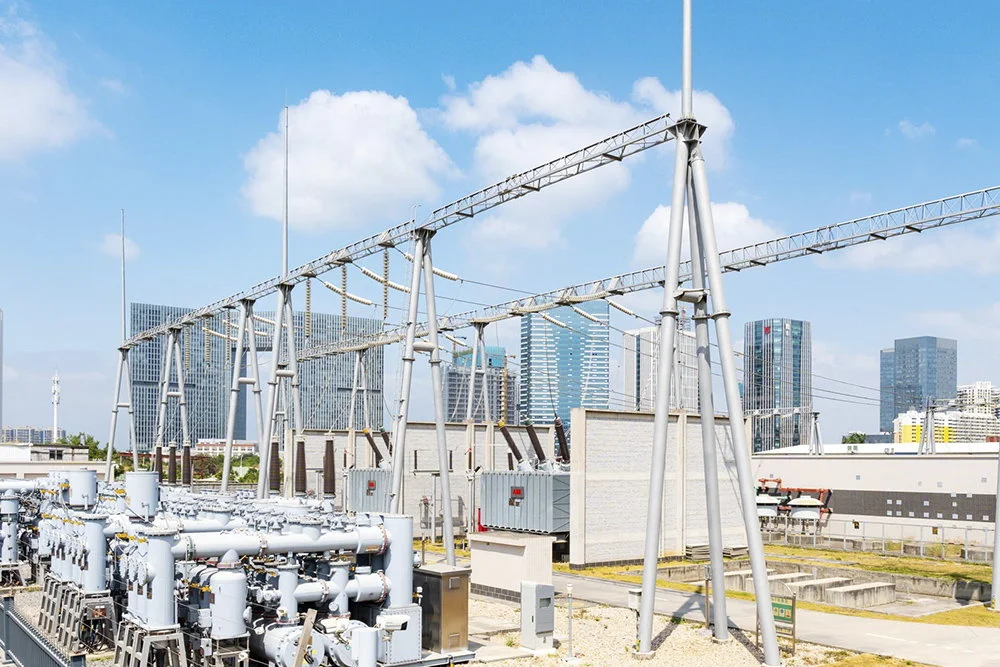
An electrical substation is the point where equipment changes voltage, switches circuits, protects feeders, or connects sections of a power network. The exact role may be generation step-up, transmission, distribution, industrial intake, or a local packaged solution. Its purpose is defined by the one-line diagram, not by the size of the enclosure.
Part 2. Separate a substation from a power station
A power station produces electricity. A substation generally receives, transforms, switches, measures, or distributes electricity that has already been generated. Projects sometimes combine these facilities on one site, but the engineering functions and equipment schedules are different.
Part 3. Recognize the equipment that must work together
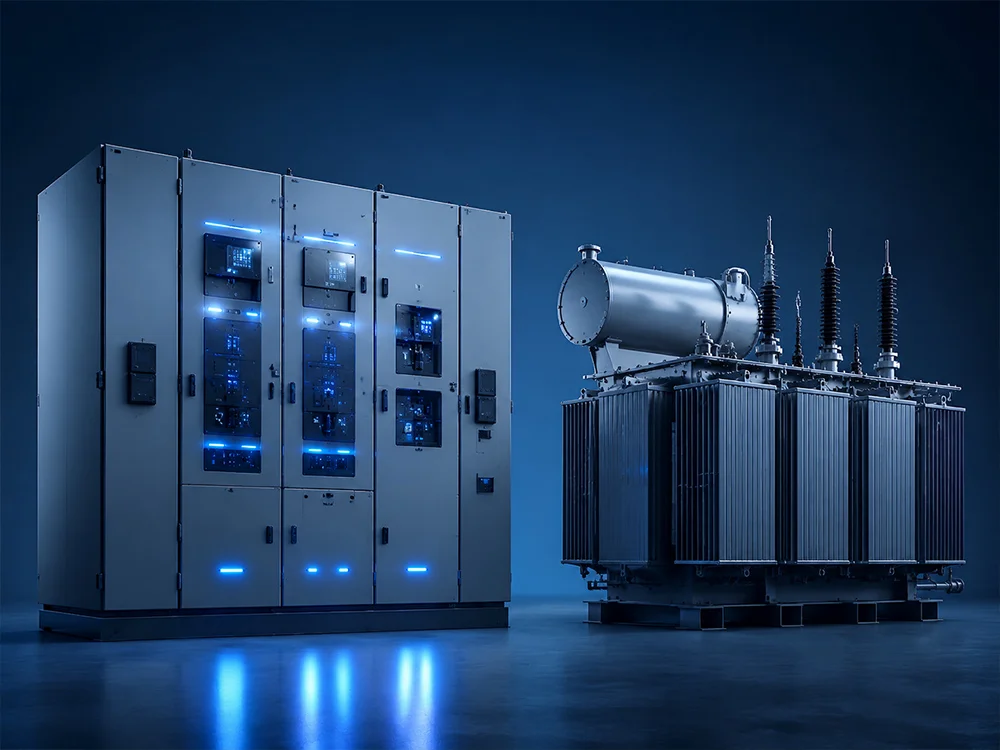
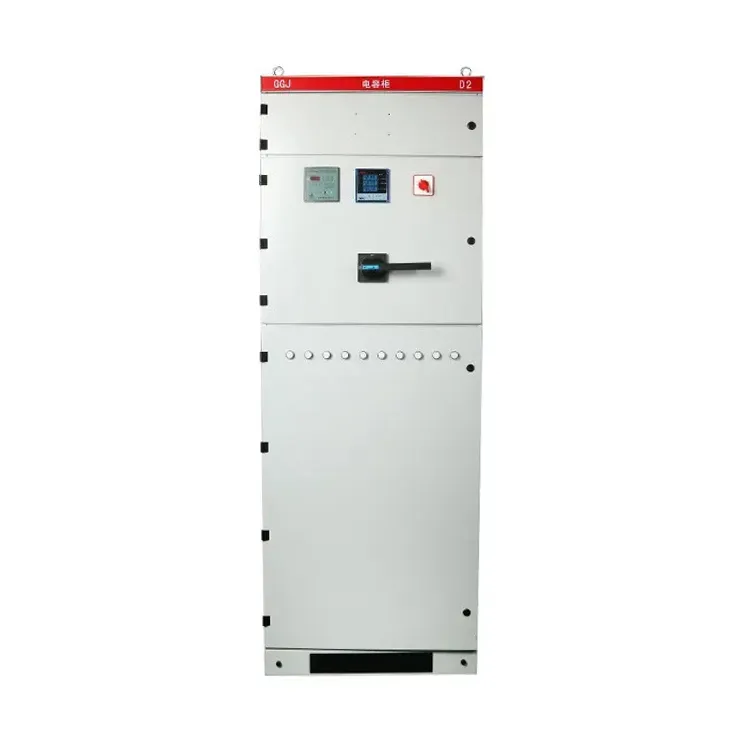
A distribution substation may include medium-voltage switchgear, a transformer, low-voltage distribution equipment, protection and metering, earthing, cables, and an enclosure. The package must be coordinated so voltage class, fault duty, protection settings, clearances, and cable interfaces agree with the approved design.
Part 4. Choose the layout from site constraints
A conventional substation can distribute equipment across a dedicated building or yard. A compact or prefabricated arrangement integrates major equipment in a factory-assembled enclosure, which can simplify site work when the layout and interfaces are fixed early. Foundation, lifting route, cable entry, ventilation, and maintenance space still require site coordination.
Part 5. Ask the project questions before selecting a package
Confirm the incoming and outgoing voltages, transformer rating, MV and LV feeder arrangement, short-circuit level, environmental conditions, utility metering requirements, and local approval process. These inputs determine whether a compact solution is suitable and what it must contain.
Part 6. Use a compact package as a starting point, not a substitute for design
For projects that need an integrated outdoor arrangement, review the published Trạm biến áp điện ngoài trời nhỏ gọn 11kV/33kV. Product recommendation boundary: it supports an initial scope discussion; protection philosophy, transformer data, and civil interfaces must be confirmed for the individual project.
Shenheng Electric Power cam kết trở thành công ty dẫn đầu toàn cầu về các giải pháp thiết bị điện, giúp khách hàng đạt được quản lý điện năng an toàn, hiệu quả và bền vững.

 Công ty TNHH Thiết bị Điện Thâm Hằng.