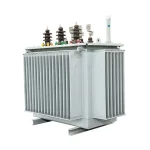
Depuis 2001, Shenheng Power est un fabricant de confiance d'équipements de transmission et de distribution d'énergie, fournissant des solutions électriques fiables à l'échelle mondiale.
Forts d'un système complet de service après-vente, nous fournissons des conseils techniques d'experts, des conseils sur les produits et des services OEM et ODM flexibles pour vos projets.
Depuis 2001, Shenheng Power est un fabricant de confiance d'équipements de transmission et de distribution d'énergie, fournissant des solutions électriques fiables à l'échelle mondiale.
Planning Delivery for a Utility Substation Transformer
Date de sortie : 2026-07-31
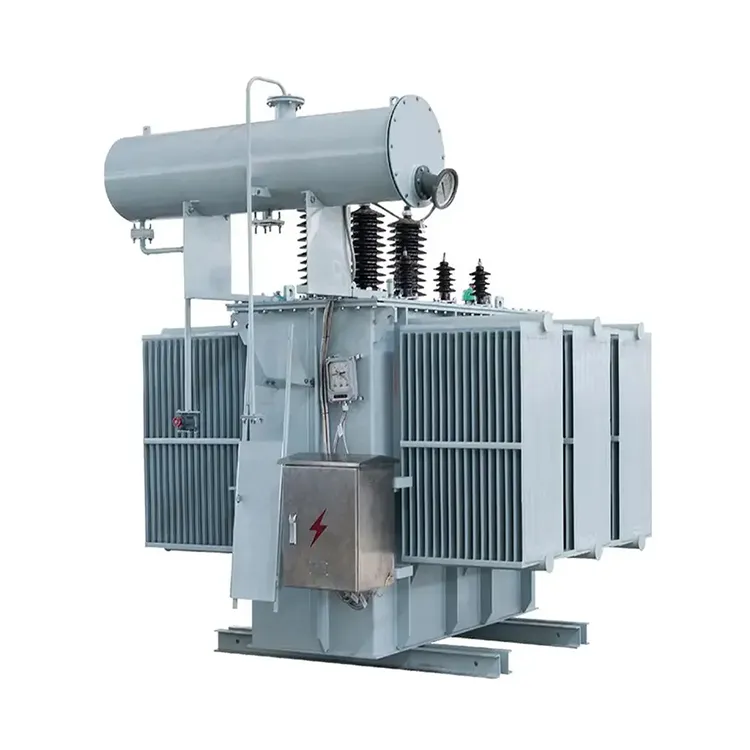
Utility and EPC teams buying a substation transformer often discover that delivery planning—not nameplate kVA—is what keeps the outage window intact. Transport limits, crane access, foundation curing, and factory acceptance timing have to move as one schedule.
This guide walks procurement and site engineers through the delivery checkpoints that belong in the RFQ and the shipping release package. Use it as a planning checklist—not as a substitute for project-specific civil, logistics, or utility interconnection approval.
Partie 1. Pourquoi ce sujet est important dans les projets BT-HT
A utility substation transformer that arrives before the pad is ready, or after the crane slot is lost, creates idle demurrage and compressed commissioning. At the MV-LV boundary, cable trenches, fire walls, and protection panels depend on the same installation date as the transformer set-down.
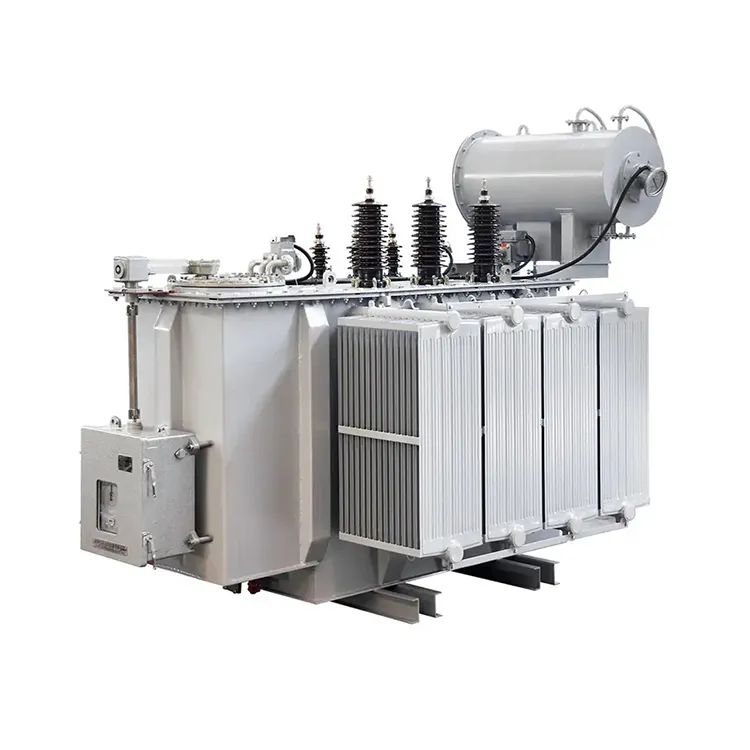
For substation transformer delivery, the purchase order should reference measurable logistics parameters—shipping weight, overall dimensions, center of gravity, oil status (filled or dry), lifting points, and required escorts—rather than a calendar promise alone.
Cross-check public product scope on Shenheng Power and confirm final transport and civil limits with your utility or consulting engineer. Related context for yard layout appears in What Is a Substation in Simple Terms.
Partie 2. Entrées des spécifications clés
Lock these inputs before normalizing bids and factory release:
Delivery risk changes with site class. Urban utility yards may face night-move permits, low bridges, and limited crane swing. Remote feeders may face long escorts, soft ground, and temporary laydown pads.
Climate and season matter. Freeze–thaw cycles delay foundation curing; monsoon windows delay outdoor oil handling. Record ambient limits for storage if the unit arrives before the bay is ready.
Oil-immersed units may ship dry, partially filled, or fully filled depending on mass limits and local rules. State the required fill status in the RFQ so vendors do not assume a packaging method that your site cannot receive. For oil-type selection boundaries, see How to Choose the Right Oil-Immersed Transformer.
Partie 4. Documentation et liste de contrôle pour la demande de prix
Document / article
But
Quand demander
Factory acceptance / routine test report
Confirms the released unit
Before shipping release
Schéma de fondation et charge de fondation du GA
Civil and crane planning
Phase de conception
Lifting and transport drawing
Rigging and escort plan
Before factory packing
Packing list and shock/impact indicators
Inspection à réception
With shipment
Oil handling / filling procedure
Site assembly sequence
Before arrival
Liste de contrôle de mise en service
Ratio, polarité, tests d'isolement
Avant la mise sous tension
Attach this table to RFQs so vendors return comparable delivery packages—not only electrical datasheets.
Partie 5. Notes d'installation, de test ou de maintenance
On arrival, verify nameplate data, impact indicators, bushing protection, and accessory crates against the packing list before the trailer is released. Photograph any transit damage before unloading.
After set-down, follow the approved sequence for oil fill or topping, grounding, cable termination, and protection wiring. Do not compress ratio, polarity, insulation resistance, and functional protection tests into an unplanned outage window.
Maintenance access should be designed into the layout: sampling valves, conservator sight glass clearance, and crane paths for future bushing work. Delivery planning that ignores future maintenance access often recreates the same access problem at the first outage.
Partie 6. Recommandation de produit et limite d'ajustement
Ajuster la limite : This recommendation supports typical industrial and utility distribution scopes documented on the product page. It is non a substitute for project-specific studies when unusual fault levels, altitude extremes, special transport corridors, or national utility rules apply.
If your study points to a different kVA, voltage combination, or installation scheme, review the broader transformer catégorie and submit study and delivery inputs through Contacter Shenheng Power.
Partie 7. Erreurs courantes des acheteurs
Booking transport before foundation curing and crane access are confirmed.
Omitting shipping weight, lifting points, or oil fill status from the RFQ.
Accepting a ship date that precedes factory acceptance test completion.
Leaving receiving inspection to the site crew without a packing-list checklist.
Mise sous tension avant que les paramètres de protection et les données de la plaque signalétique ne soient réconciliés avec la conception approuvée.
FAQ
What delivery inputs should buyers lock before factory release?
Confirm transport envelope, lifting arrangement, oil fill status, foundation readiness date, required escorts, and the factory documents that must travel with the unit.
How do transport limits change substation transformer packaging?
Bridge heights, axle loads, and route permits can force dry shipment, special cradles, or multi-axle trailers. State route constraints early so packaging matches the corridor.
When should foundation and crane access be confirmed?
Confirm pad curing, embedments, and crane capacity before the shipping release—not after the trailer is already en route.
What factory tests should finish before the delivery window?
Complete agreed routine or acceptance tests and document release against the purchase-order revision before packing and loading.
Which documents must travel with the transformer shipment?
At minimum, include packing lists, test reports, GA and lifting drawings, oil procedures where applicable, and manuals aligned to the released serial number.
How should oil fill and site assembly be sequenced after arrival?
Follow the approved filling and assembly procedure after receiving inspection, then complete grounding, terminations, and pre-energization tests before the outage close-out.
Shenheng Electric Power s'engage à devenir un leader mondial des solutions d'équipements électriques, aidant les clients à réaliser une gestion de l'énergie sûre, efficace et durable.

 Shenheng Power Equipment Co., Ltd.