Shenheng Power Equipment Co., Ltd.
- Home
- Products
Products
Since 2001, Shenheng Power has been a trusted manufacturer of power transmission and distribution equipment, delivering reliable electrical solutions globally.
- Solutions
- News & Blog
- Service
- About Us
- Contact Us
Since 2001, Shenheng Power has been a trusted manufacturer of power transmission and distribution equipment, delivering reliable electrical solutions globally.
Network planners selecting a load break switch inside an RMU must separate normal load switching duty from fault-making and fuse/breaker protection roles before comparing outdoor cable-ring quotations.
This load break switch guide focuses on practical procurement and layout controls for the package below. Pair the checklist with the approved single-line for load-break-switch-rmu-selection-guide — it does not replace utility or consultant sign-off.
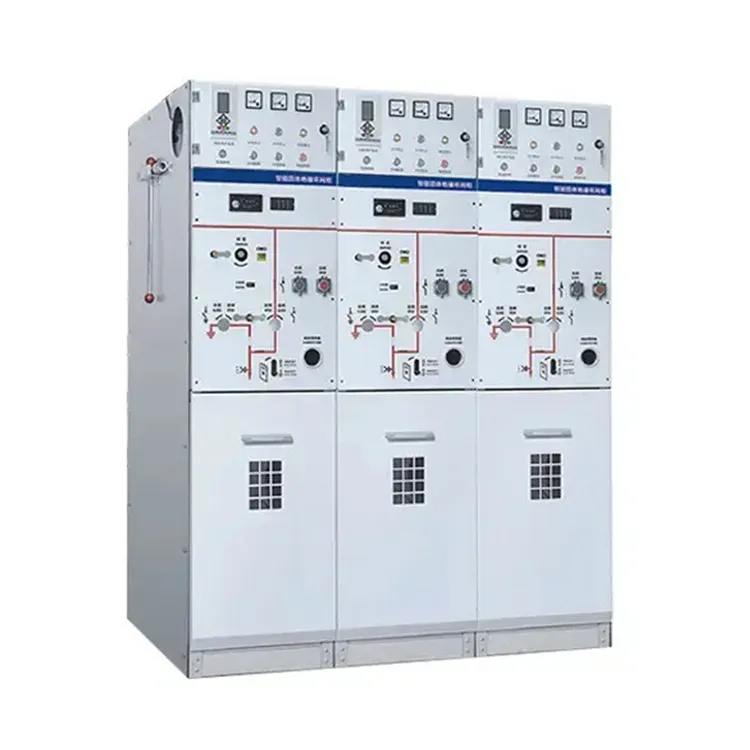
A load break switch is sized for switching load current under defined conditions — it is not automatically a short-circuit interrupter. Ring schemes often combine load break ways with fuse-switch or circuit-breaker functions on transformer feeders.
Write the functional role of each way on the single-line so vendors cannot substitute a look-alike cubicle with the wrong duty class.
Related reading: ring main unit RMU selection guide and outdoor ring main unit cable entry planning.
| Selection input | Network risk if vague | Owner |
|---|---|---|
| Rated voltage / insulation | Wrong clearance class | Network SLD |
| Load break current rating | Unsafe switching duty | Operating study |
| Short-time / fault-making rating | Cubicle damage on faults | Fault study |
| Number of ring / tee ways | Wrong enclosure footprint | Feeder plan |
| Cable type and entry direction | Civil trench rework | Cable design |
| SF6 / alternative gas notes | Handling & environmental compliance | HSE / ops |
| Motorization / remote control | SCADA interface gap | Automation team |
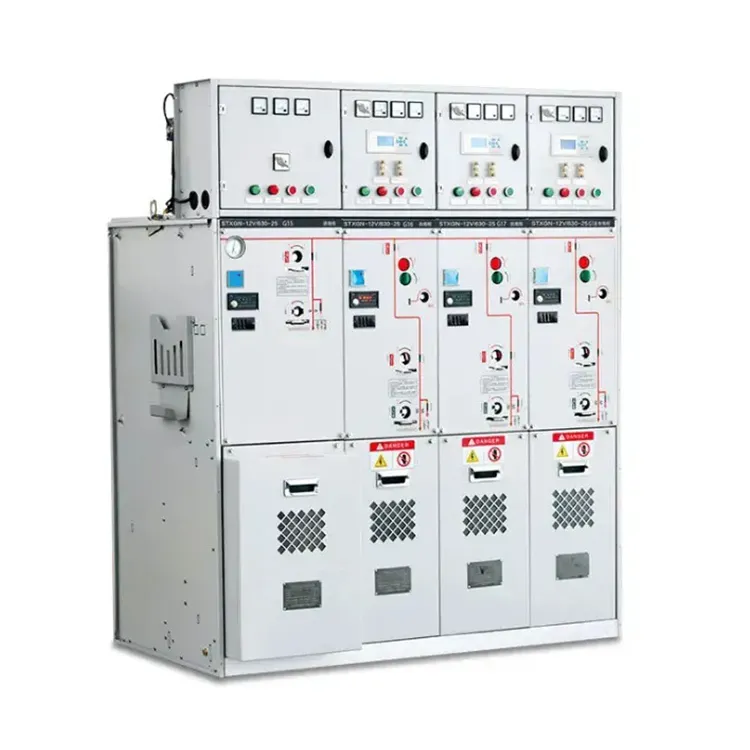
Important: For load break switch, freeze these inputs on a controlled revision before normalizing commercial bids; late changes cascade into civil, protection, and factory drawings — align with IEC standards practice and the project authority source notes.
Outdoor RMUs need gland plates and bending radii that match MV cable specs. Grounding continuity between tank, cable screens, and the earthing grid should be verified before backfill.
If SF6 is used, retain handling, leak-check, and end-of-life recovery notes in the O&M pack — treat them as controlled environmental documents.
| Item | Purpose | Send with quote |
|---|---|---|
| Way function matrix (LBS / fuse / CB) | Duty clarity | Yes — locked |
| Rated currents and fault duties | Network match | Yes — study refs |
| Cable entry GA and gland schedule | Civil interface | Yes — before PO |
| Gas type and handling procedure | HSE compliance | Yes — with O&M |
| Interlock and earthing notes | Safe operation | Yes — ops sign-off |
| Routine test certificates | Factory evidence | Yes — FAT list |
| Remote / motor option datasheet | SCADA integration | If specified |
Attach this table to every RFQ revision so vendors return comparable technical packages instead of catalog excerpts.
Verify mechanical operation of each load break way, earthing switch position indications, and cable sheath bonds. Record gas pressure (where applicable) against the nameplate band.
Do not close onto a live ring until protection on tee-offs is proven and the operating sequence is filed with the control room.
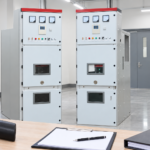
For many load break switch scopes, begin engineering review with Shenheng Power’s SF6 gas insulated ring main unit (RMU) catalog entry documented on the product page.
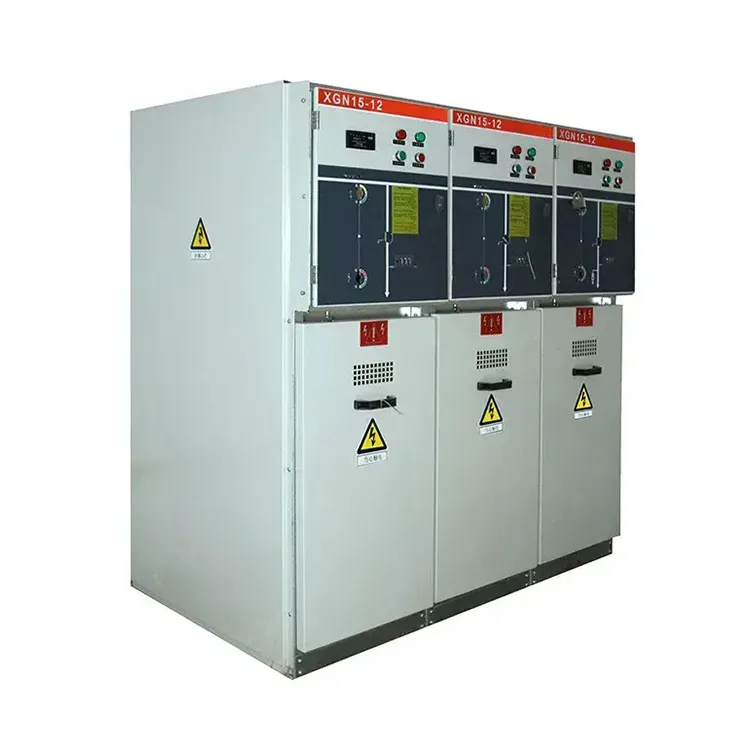
Application limits: For load break switch (load-break-switch-rmu-selection-guide), treat the linked catalog page as an engineering starting point only. Do not freeze load break switch procurement when the project fault study, altitude derating, or utility type-approval envelope exceeds the published ratings on that product page.
If the load break switch study points to a different scheme or rating for load-break-switch-rmu-selection-guide, browse the category page and send study inputs through Contact Shenheng Power.
Load break covers defined load-current switching; fault-making and interrupting duties require ratings proven for short-circuit conditions.
Freeze ring and tee ways on a function matrix tied to the network plan before requesting enclosure GA drawings.
When compact outdoor footprints and proven gas-insulated modules fit the site — still subject to local environmental handling rules.
Short-time withstand and any fault-making claims must match prospective fault levels at the installation point.
Gland plate size, entry direction, and bending radius mismatches with trenches or ducts.
Leak-check procedures, recovery requirements, and O&M references should travel with the equipment dossier.