
 บริษัท เสินเฮิง พาวเวอร์ อีควิปเมนท์ จำกัด.



sealed vs conservator transformer requires a clear engineering boundary before it can support a purchase, inspection or commissioning decision. Sealed transformer versus conservator transformer is a construction and maintenance decision, not a universal ranking. A sealed oil transformer limits atmospheric contact through its tank and pressure arrangement. A conservator transformer uses an expansion vessel and oil-preservation system. Compare moisture control, thermal expansion, protection, dimensions, environment, maintenance and the owner’s service capability.
Sealed and conservator transformer construction
A fully sealed oil transformer separates the oil from atmospheric contact through a sealed tank and pressure arrangement. A conservator transformer provides an expansion volume and breathing or oil-preservation system. The choice affects moisture control, inspection, dimensions, protection and maintenance.
Compare tank design, oil volume, expansion path, pressure relief, temperature indication, bushings, site environment and service procedure. A sealed construction is not automatically maintenance-free, and a conservator arrangement is not automatically unsuitable for outdoor service.
Compare oil-expansion arrangements in the supplied designs
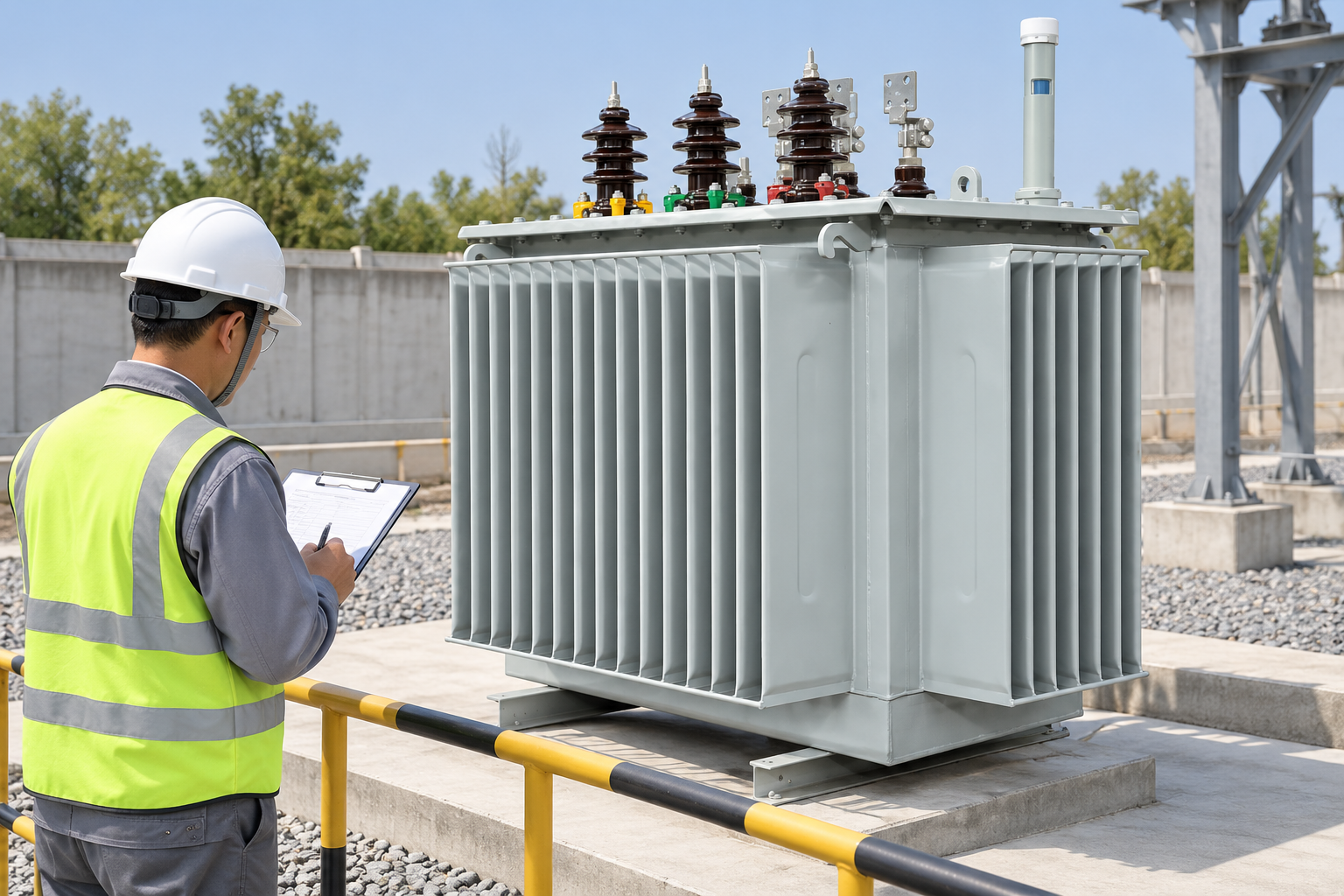
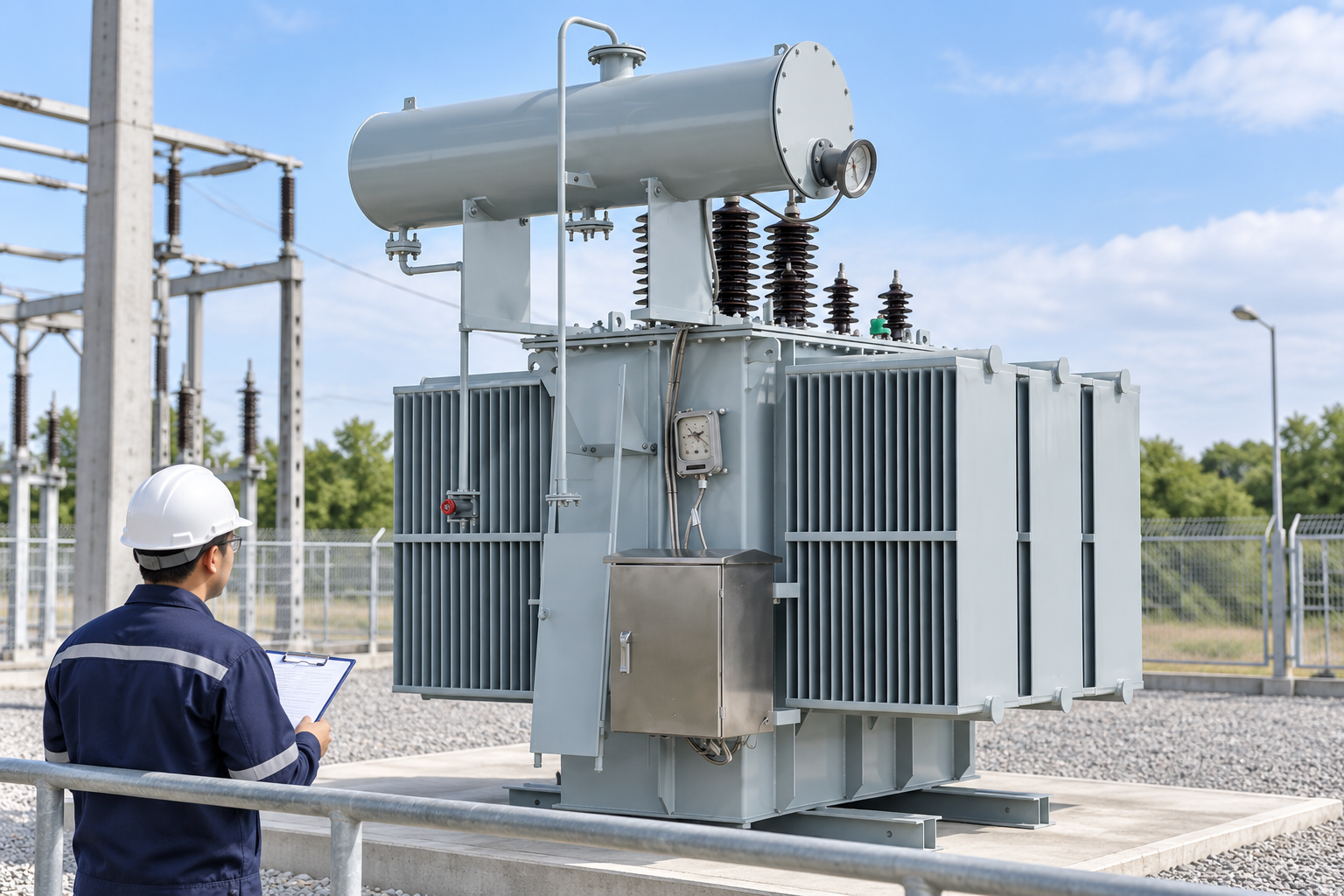
Begin by checking the general arrangement drawing rather than relying on a product name. The sealed distribution-transformer reference used here has a corrugated tank and no separate horizontal conservator. The conservator reference has a distinct cylindrical reservoir above the main tank. These visible differences explain the comparison, but they do not establish identical ratings or interchangeable accessories. Ask the supplier to identify the actual expansion arrangement, filling procedure, permissible transport condition and pressure protection for the offered unit. Do not assume that every sealed transformer uses the same tank construction.
For the sealed design, determine how the specified equipment accommodates oil expansion and contraction through its operating range. Obtain the manufacturer’s requirements for filling, leak inspection, pressure relief and temperature monitoring. A sealed tank reduces routine contact between the insulating liquid and ambient air, but a damaged seal or incorrect filling can undermine that benefit. Inspection should therefore concentrate on the integrity of joints, bushings and fittings, as well as evidence of abnormal pressure or leakage. Opening the tank or adding oil requires the manufacturer’s approved procedure; it is not a routine response to an uncertain level reading.
For a conservator design, establish whether air contacts the oil directly or whether a bladder or diaphragm separates them. Confirm the breather arrangement, oil-level indication and applicable alarm devices from the supplied drawings. A conservator’s presence alone does not prove that a particular gas-actuated relay, moisture-control system or monitoring package is fitted. Level readings also need interpretation against the manufacturer’s temperature reference. Record the ambient and oil temperatures when investigating an unexpected indication, then compare the reading with the approved operating instructions before deciding whether fluid is missing.
Make the procurement comparison under the same site conditions. Consider inspection access, staff capability, environmental exposure, spare parts and the consequences of an outage. Ask both suppliers for their scheduled inspections and abnormal-condition response requirements. Compare those documents alongside losses, insulation levels, impedance and required accessories instead of choosing solely on a sealed-versus-conservator label. A useful acceptance record includes photographs of the actual expansion system, accessory identification, leak inspection results and the correct operating manual. Neither construction removes the need for safe isolation, condition monitoring or project-specific engineering.
ใช้มาตรฐานและหลักฐานจากผู้ผลิตควบคู่กัน
มาตรฐานกำหนดกรอบแนวคิดและศัพท์เฉพาะ ส่วนเอกสารของผู้ผลิตกำหนดขอบเขตการใช้งานและข้อจำกัดการก่อสร้างที่ได้รับการตรวจสอบแล้วของอุปกรณ์ที่จำหน่ายมา โดยลิงก์มาตรฐานไม่สามารถพิสูจน์ได้ว่าการปรับเปลี่ยนที่ไม่ได้รับการตรวจสอบนั้นเป็นที่ยอมรับได้ และเอกสารโบรชัวร์ก็ไม่สามารถแทนที่ข้อกำหนดการก่อสร้างหรือกฎเกณฑ์ด้านความปลอดภัยได้.
สำหรับการจัดซื้อ ขอให้ระบุขอบเขตการทดสอบมาตรฐาน การตรวจสอบออกแบบ หรือการทดสอบประเภทต่างๆ บันทึกการทดสอบประจำวัน ขีดจำกัดการติดตั้ง และการแก้ไขความสูงหรือสภาพแวดล้อม เก็บหลักฐานไว้ในบันทึกสินทรัพย์ เมื่อมีการโต้แย้งผลลัพธ์ ให้เปรียบเทียบคำจำกัดความ เงื่อนไขการทดสอบ และขอบเขตก่อนที่จะเปรียบเทียบตัวเลข.
วางแผนการติดตั้งและการทดสอบการใช้งาน
Installation quality often determines whether a sound design remains sound in the field. Confirm foundations, access, lifting, clearances, ventilation, cable bend radius, earthing, labels and control interfaces before energization. Use the approved method statement and permit system.
การเปิดใช้งานควรเปลี่ยนจากการตรวจสอบเอกสารมาเป็นการตรวจสอบด้วยตาเปล่า การทำงานด้วยเครื่องกล ความต่อเนื่องทางไฟฟ้า โครงสร้างทางฟังก์ชัน การทดสอบการป้องกันหรือการควบคุม และการซ่อมแซมขั้นสุดท้าย บันทึกข้อมูลเกี่ยวกับเครื่องมือ เช่น ชื่อเครื่องหมายการตั้งค่า ค่าดิบ ข้อผิดพลาด และผู้ที่ดำเนินการตรวจสอบ ควรแยกอุปกรณ์ออกจากกันทุกครั้งที่การทดสอบหรือการตรวจสอบอาจก่อให้เกิดอันตราย.
การเปลี่ยนแปลงและการโอนย้ายการควบคุม
การเปลี่ยนเส้นทางสายเคเบิล การตั้งค่ารีเลย์ ตำแหน่งการแตะ การเดินท่อระบายความร้อน หรือการเชื่อมต่อการต่อสายดิน สามารถเปลี่ยนแปลงพื้นฐานการออกแบบเดิมได้ การเปลี่ยนเส้นทางสายเคเบิลต้องดำเนินการภายใต้การควบคุม โดยมีเจ้าของเป็นผู้รับผิดชอบ การตรวจสอบทางเทคนิค การแก้ไขแบบร่าง และหลักฐานการรับรอง การจัดเตรียมการทดสอบชั่วคราวต้องถูกลบออกหรือติดป้ายบอกชัดเจนก่อนการส่งมอบ.
แพ็คเกจสุดท้ายควรประกอบด้วยภาพวาดแบบก่อสร้าง แผ่นทดสอบ การตั้งค่าที่ได้รับการอนุมัติ รายละเอียดอุปกรณ์ คำแนะนำการบำรุงรักษา ข้อผิดพลาด และบันทึกการฝึกอบรม ผู้ปฏิบัติงานในอนาคตควรสามารถทำซ้ำการตัดสินใจได้โดยไม่ต้องพึ่งพาความจำหรือภาพถ่ายที่ไม่มีชื่อ.
คำเตือนด้านความปลอดภัย
อุปกรณ์ไฟฟ้าสามารถเก็บพลังงานไว้ได้และสามารถจ่ายกระแสไฟฟ้าได้จากแหล่งพลังงานมากกว่าหนึ่งแหล่ง บทความนี้ไม่ใช่คำแนะนำในการสลับสวิตช์ บุคคลที่มีคุณสมบัติเหมาะสมต้องปฏิบัติตามข้อกำหนดด้านการควบคุมการทำงาน การแยกการใช้งาน การตรวจสอบการไม่มีแรงดันไฟฟ้า การต่อสายดิน และการควบคุมการทำงาน ไม่ควรแตะต้องส่วนที่จ่ายกระแสไฟฟ้าหรือถอดการล็อคเพื่อทำการวัด.
หากการทดสอบล้มเหลว อุปกรณ์มีการเสียหาย มีเสียงผิดปกติหรือมีกระแสไฟรั่วไหล หรือการกำหนดค่าจริงไม่ชัดเจน ให้เก็บอุปกรณ์ไว้ในสถานะที่ปลอดภัย และแจ้งไปยังวิศวกรผู้รับผิดชอบ หากมีการเปิดเครื่องใหม่ซ้ำๆ โดยไม่ได้รับการวินิจฉัยอย่างถูกต้อง อาจทำให้เกิดความเสียหายและเพิ่มความเสี่ยงได้.
Use the result in procurement
Turn the topic into a clear inquiry package. State the required voltage, current, fault or switching duty, environment, accessories, documents, routine tests, type-test or design-verification evidence, spare parts and service assumptions. Ask suppliers to identify exclusions and site conditions instead of treating a blank row as accepted.
A comparison matrix is useful when each row is marked confirmed, excluded or requiring clarification. Link the matrix to the product drawing and the network or building study. This avoids a late discovery that the quoted equipment uses a different control voltage, enclosure, module or test boundary.
Verify the field configuration
The final installed equipment should match the approved drawing, nameplate, cable interface, control logic and clearances. Record the instrument, date, operating state, method, raw results and restoration check. Photographs should identify the actual asset without exposing sensitive information.
When the field condition differs, keep the item open and obtain engineering disposition. Do not solve a missing prerequisite with a generic catalog value. The record should let a future operator understand what was checked and why the result was accepted.
Maintain an auditable record
Retain the approved calculation or study, supplier evidence, settings, test sheets, deviations, as-built drawing, image record and maintenance instructions together. This is especially important when the equipment is modified, the network topology changes or a new operating mode is introduced.
Review the topic again after a protection change, transformer replacement, control firmware change, cable reroute, room modification or unusual event. A short controlled update is safer than allowing an old assumption to silently become the design basis.
Recheck after change
A technically correct selection can become unsuitable when the source, load, protection setting, cable route, room condition or control mode changes. Compare the change with the original design basis and identify any new duty or interface.
Keep the revised decision, approval, test result and as-built update together. This small discipline prevents a later team from relying on a superseded assumption or an unlabelled field modification.
Close the review loop
Finish by stating the owner, acceptance condition, open exception and next review date. A clear close-out prevents an apparently complete checklist from hiding a missing drawing, test or approval.
Use the final record to train operations and maintenance teams. The result should be understandable to a qualified person who was not present during design or commissioning.
วิธีใช้ผลลัพธ์ในโครงการ
เริ่มต้นด้วยการออกแบบที่ได้รับการปล่อยตัวและเอกลักษณ์ของอุปกรณ์ขั้นสุดท้าย ตรวจสอบสถานะการใช้งาน จุดวัดค่า สภาวะแวดล้อม และหลักฐานที่ต้องสนับสนุนการตัดสินใจของคุณ จากนั้นเปรียบเทียบบันทึกข้อมูลกับมาตรฐานที่เกี่ยวข้อง คำแนะนำของผู้ผลิต และแผนการรับรองโครงการ หากมีข้อกำหนดขั้นพื้นฐานที่ขาดหายไป ให้เก็บข้อมูลนั้นไว้โดยไม่เติมช่องว่างด้วยค่าทั่วไป สิ่งนี้จะทำให้ทีมงานด้านจัดซื้อ การทดสอบการใช้งาน และการดำเนินงานมีจุดอ้างอิงเดียวกัน.
สำหรับการสอบถามจากผู้จัดจำหน่าย โปรดขอข้อมูลเกี่ยวกับพื้นฐานการคำนวณ การจัดเตรียมที่ได้รับการตรวจสอบ การจำกัด ข้อเท็จจริงการทดสอบ และความผิดปกติ สำหรับงานก่อสร้างในสถานที่ โปรดบันทึกชื่อบุคคล เครื่องมือ วันที่ ขอบเขตการแยกส่วน และการตรวจสอบการบูรณะ การบันทึกที่สั้นและชัดเจนจะมีความสำคัญมากกว่ารายงานที่ยาวนานซึ่งปิดบังข้อมูลที่จำเป็นต่อการอนุมัติขั้นตอนถัดไป.
| ตรวจสอบ | หลักฐาน | การใช้คำตัดสินใจ |
|---|---|---|
| คำจำกัดความ | ขอบเขต, รหัสอุปกรณ์ และสถานะการใช้งาน | Prevents teams comparing different quantities. |
| พื้นฐานการออกแบบ | คะแนนการประเมินผล สถานที่ทำงาน และสมมติฐานด้านหน้าที่ความรับผิดชอบ | Connects the answer to the installation. |
| การตรวจสอบ | วิธีการที่ได้รับการอนุมัติ เครื่องมือผลลัพธ์ที่ได้และเกณฑ์การยอมรับ | สร้างบันทึกที่สามารถตรวจสอบได้. |
| การควบคุมการเปลี่ยนแปลง | การเบี่ยงเบน การตรวจสอบเจ้าของ และการแก้ไขตามแบบที่สร้างขึ้น | ช่วยป้องกันการเปลี่ยนแปลงของฟิลด์ที่ซ่อนไว้ ซึ่งอาจเป็นอันตรายได้. |
| การส่งมอบงาน | การตั้งค่า การทดสอบ ภาพถ่าย การบำรุงรักษา และกรณีพิเศษ | สนับสนุนการดำเนินงานในอนาคตอย่างปลอดภัย. |
คู่มือผลิตภัณฑ์และเทคนิคการใช้งานที่เกี่ยวข้อง
สำหรับบริบทของผลิตภัณฑ์ Shenheng ที่ตรงกัน โปรดดูที่ หน้าผลิตภัณฑ์ที่เกี่ยวข้อง. สำหรับหัวข้อที่กว้างขึ้น โปรดอ่าน คู่มือวิศวกรรมสำหรับผู้ปกครอง. การอ่านที่เกี่ยวข้อง: คู่มือแนะนำเบื้องต้น และ คู่มือที่เกี่ยวข้องอีกฉบับ.
แหล่งข้อมูลและมาตรฐาน
IEC 60076-1: General transformer requirements and liquid preservation systems · IEC 60076-7: Loading and thermal ageing of mineral-oil-immersed transformers
วิดีโอสำหรับบริบทของระบบ
This neutral Practical Engineering explainer gives background on substations, transformers and switchgear. It is educational context, not a switching or test instruction.

คำถามที่มักถูกถาม
ขั้นตอนแรกคืออะไร?
Define the exact sealed vs conservator transformer boundary, equipment identity and operating state before comparing a value or feature.
หน้าแคตตาล็อกสามารถแทนที่วิศวกรโครงการได้หรือไม่
ไม่ ไม่ได้ มีหน้าผลิตภัณฑ์ที่เชื่อมโยงระบุถึงกลุ่มอุปกรณ์ของ Shenheng ที่เกี่ยวข้อง โดยรุ่นที่จัดส่ง อุปกรณ์เสริม มาตรฐาน และแผนการรับรองโครงการเป็นสิ่งที่ควบคุมผลการตัดสินใจในขั้นสุดท้าย.
หลักฐานใดควรถูกเก็บรักษาไว้?
เก็บรูปวาด การคำนวณ หรือวิธีการทดสอบที่ได้รับการอนุมัติ พร้อมกับค่าการวัดที่ได้จากเครื่องมือ ภาพถ่าย รายละเอียดของเครื่องมือ ข้อผิดพลาด การตั้งค่า และบันทึกผลการก่อสร้างที่ได้ในที่สุด.
บทความนี้อนุญาตให้ทำงานแบบสดได้หรือไม่
ไม่ ท่านต้องมีบุคลากรที่มีคุณสมบัติเหมาะสมปฏิบัติตามหลักการความปลอดภัยด้านไฟฟ้าของไซต์งาน รวมถึงคำแนะนำของผู้ออกแบบและผู้ผลิต.




