บริษัท เสินเฮิง พาวเวอร์ อีควิปเมนท์ จำกัด.
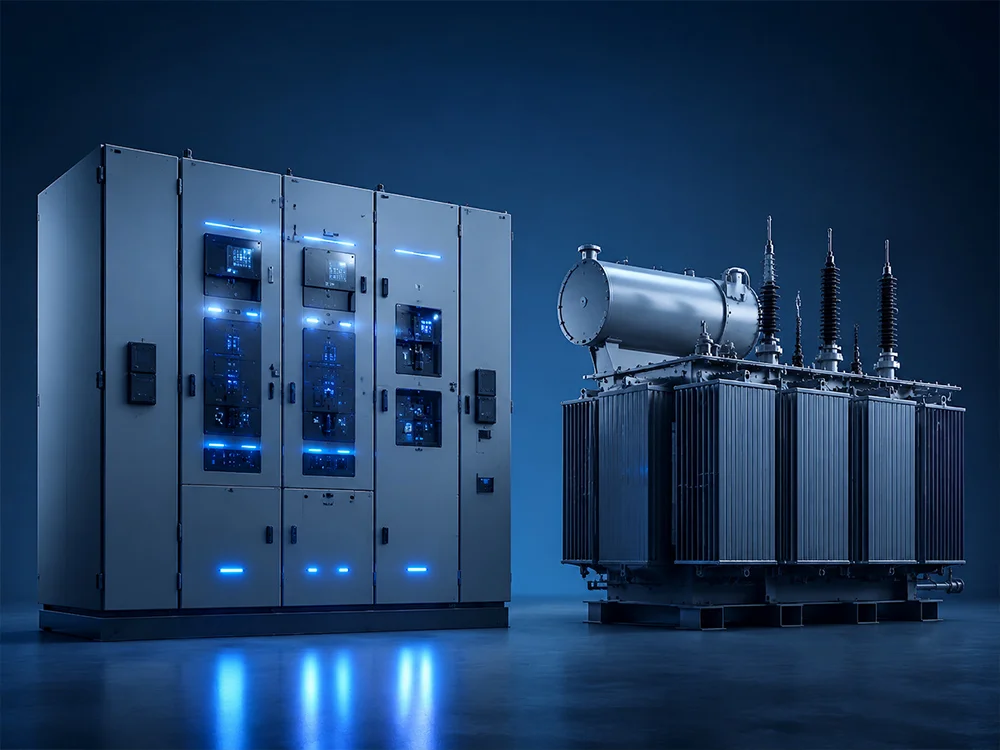
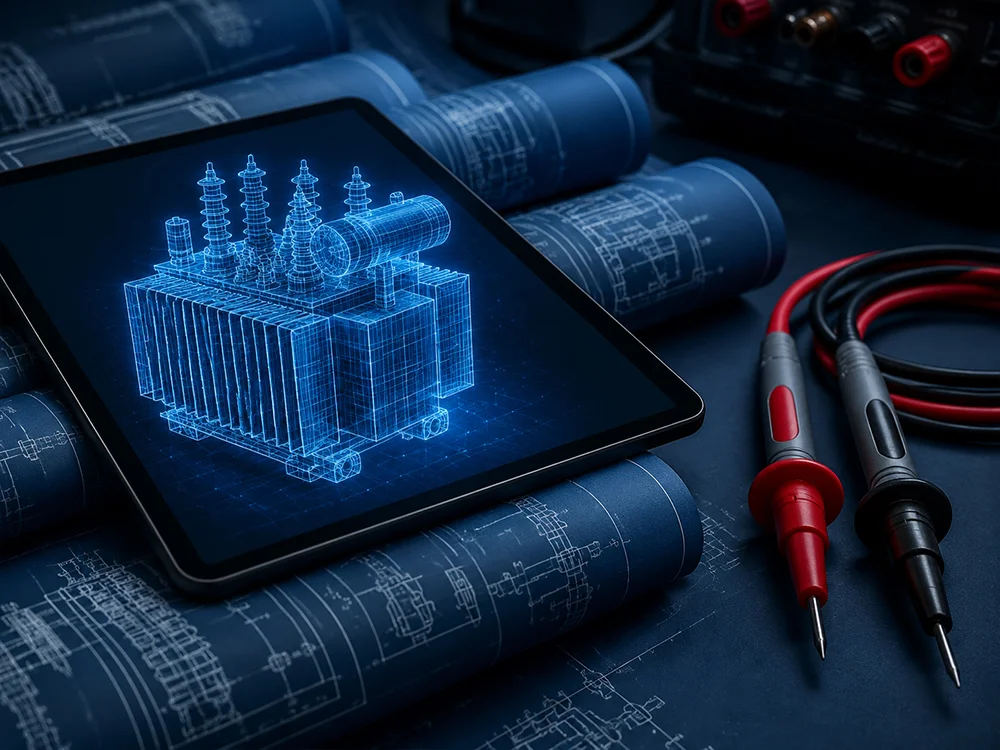

สายเคเบิลหม้อแปลงชนิดแห้ง คือการเชื่อมต่อที่ออกแบบโดยวิศวกรระหว่างสายไฟฟ้าและขั้วต่อหลักหรือรองของหม้อแปลง การเชื่อมต่อที่เชื่อถือได้ขึ้นอยู่กับการจับคู่ระดับแรงดัน ระบบฉนวน วัสดุและขนาดของตัวนำ ขั้วต่อหรือคอนเนคเตอร์ ระยะห่างของช่องว่าง กล่องหุ้ม การสนับสนุนทางกล และคำแนะนำของผู้ผลิตหม้อแปลง งานต้องดำเนินการโดยบุคลากรที่มีคุณสมบัติภายใต้โปรแกรมความปลอดภัยที่ได้รับการอนุมัติ คู่มือนี้อธิบายว่าสิ่งใดควรระบุ ตรวจสอบ และทดสอบ; มันไม่ใช่กระบวนการทำงานขณะไฟฟ้าหรือการติดตั้งในสนาม.
เริ่มต้นด้วยข้อมูลของหม้อแปลงและสายเคเบิล
บันทึกข้อมูลความสามารถของหม้อแปลง แรงดันขดลวด กลุ่มเวกเตอร์ ความถี่ การจัดเรียงขั้วต่อ ระดับฉนวน และพื้นที่กล่องหุ้มที่มีอยู่ จากนั้นบันทึกข้อมูลแรงดันไฟฟ้าของสายเคเบิล วัสดุของตัวนำ พื้นที่หน้าตัด จำนวนรันต่อเฟส ประเภทฉนวน โครงสร้างหน้าจอ เส้นผ่านศูนย์กลางโดยรวม รัศมีการงอ และข้อกำหนดด้านประสิทธิภาพการกันไฟ การเลือกขั้วต่อจากขนาดตัวนำเพียงอย่างเดียวอาจไม่เหมาะสมทางไฟฟ้าหรือทางกล.
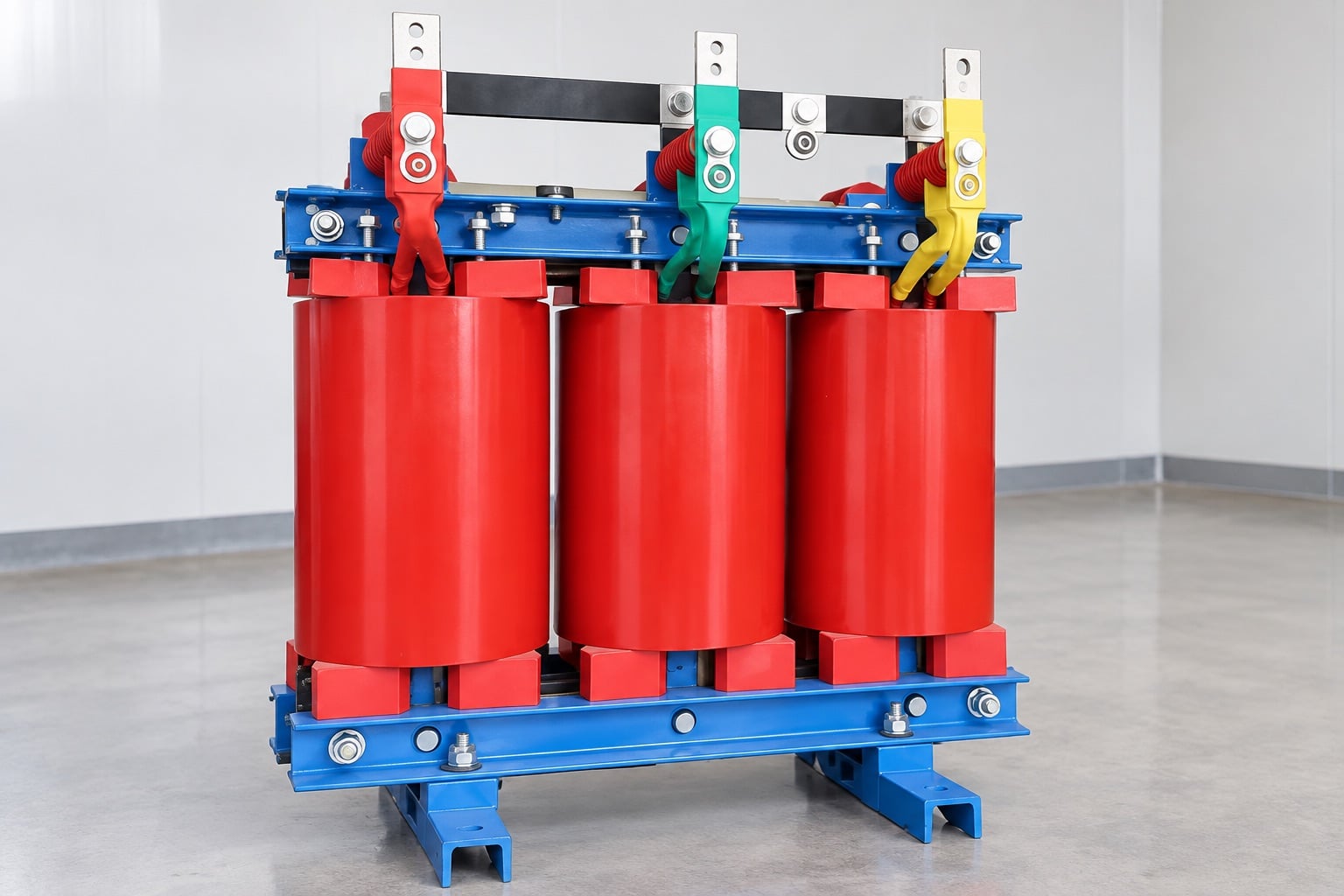
ยืนยันว่าการเชื่อมต่อเป็นขั้วต่อแบบสกรูบนแผ่นขั้วต่อที่เปิดเผยอยู่ กล่องสายเคเบิลที่ปิดสนิท คอนเนคเตอร์แยก หรืออินเทอร์เฟซปลั๊กแบบมีการป้องกัน นี่เป็นระบบที่แตกต่างกัน หม้อแปลงชนิดแห้งแบบเรซินหล่อ 6 kV/10 kV ควรสั่งซื้อพร้อมการจัดเรียงขั้วต่อและกล่องหุ้มที่ตรงกับการออกแบบสายเคเบิลของโครงการ ห้ามเจาะ ดัด หรือแก้ไขบัสบาร์ในสนามโดยไม่ได้รับอนุญาตเป็นลายลักษณ์อักษรจากผู้ผลิต.
ระดับแรงดันไฟฟ้า ฉนวน และระยะห่าง
ชุดขั้วต่อและสายเคเบิลต้องมีระดับแรงดันสูงสุดของระบบและการประสานงานของฉนวนที่เหมาะสม สำหรับสายเคเบิลแรงดันกลางที่มีการป้องกันด้วยหน้าจอ การควบคุมความเครียดที่บริเวณตัดหน้าจอเป็นสิ่งสำคัญ; การควบคุมสนามไฟฟ้าอย่างไม่เหมาะสมอาจนำไปสู่การปล่อยประจุบางส่วนและความล้มเหลวของฉนวน ขนาดการเตรียมของผู้ผลิตสายเคเบิลและคำแนะนำของผู้จำหน่ายขั้วต่อเป็นส่วนหนึ่งของการออกแบบที่ได้รับการอนุมัติ ระยะห่างอากาศและระยะห่างการลื่นไถลรอบขั้วต่อของหม้อแปลงต้องอยู่ในขอบเขตของการออกแบบอุปกรณ์หลังจากติดตั้งทุกเฟสและสายเคเบิลขนานกันแล้ว.
IEC 60076-11 ครอบคลุมหม้อแปลงไฟฟ้าชนิดแห้ง ขณะที่ซีรีส์ IEC 60502 กล่าวถึงสายเคเบิลแรงดันสูงแบบฉนวนอัดขึ้นรูปและอุปกรณ์เสริมสำหรับช่วงแรงดันที่เกี่ยวข้อง ดูขอบเขตอย่างเป็นทางการสำหรับ IEC 60076-11 และ IEC 60502-2. ใช้ฉบับและกฎระเบียบท้องถิ่นที่ระบุในสัญญา; สรุปบนเว็บไซต์ไม่สามารถให้ค่าการรับรองโครงการได้.
| รายการ | ตรวจสอบ | ผลกระทบทั่วไปหากพลาด |
|---|---|---|
| สายเคเบิลและชุดอุปกรณ์ | ระดับแรงดันไฟฟ้า ฉนวน หน้าจอ ขอบเขตเส้นผ่านศูนย์กลาง | การควบคุมแรงดันหรือการซีลที่ไม่ดี |
| อินเทอร์เฟซของตัวนำไฟฟ้า | วัสดุ พื้นที่ ฝักบัวสาย และรูปแบบรู | ความร้อนหรือความไม่ตรงกันเชิงกล |
| ขั้วต่อหม้อแปลงไฟฟ้า | ขนาดแผ่นรอง ระยะห่างเฟส และโหลดที่อนุญาต | ขั้วต่อเสียหายหรือระยะห่างไม่เพียงพอ |
| เส้นทางสายเคเบิล | รัศมีโค้ง สนับสนุน และลำดับเฟส | แรงดันเชิงกลและข้อผิดพลาดในการติดตั้ง |
| กล่องหุ้ม | ข้อกำหนด IP แผ่นกั้นและการระบายอากาศ | ความชื้นเข้า หรือการระบายความร้อนที่จำกัด |
| การทดสอบ | วิธีการที่ได้รับการอนุมัติ ขีดจำกัด และบันทึก | ความเสียหายจากการทดสอบที่ไม่เหมาะสม |
ฝักบัวสาย สายเชื่อมต่อแบบสกรู และวัสดุของตัวนำไฟฟ้า
เลือกฝักบัวสายหรือคอนเนคเตอร์เชิงกลที่ได้รับการอนุมัติสำหรับวัสดุและขนาดของตัวนำไฟฟ้า ทองแดงและอลูมิเนียมต้องการอินเทอร์เฟซที่เข้ากันได้ การเตรียมพื้นผิว และสารเชื่อมต่อในกรณีที่ระบุ ฝักบัวสายควรนั่งราบบนแผ่นรองขั้วต่อโดยไม่บังคับให้เข้ากัน ใช้เกรดเครื่องมือยึดน็อต แหวนรอง และวิธีการขันที่ผู้ผลิตอุปกรณ์ระบุไว้ ตารางแรงบิดทั่วไปไม่สามารถแทนที่การออกแบบการเชื่อมต่อที่ได้รับการอนุมัติได้.
ตัวนำไฟฟ้าแบบขนานต้องมีเส้นทางที่สมมาตรและเงื่อนไขการเชื่อมต่อที่เท่าเทียมกัน เพื่อให้กระแสไฟฟ้าสามารถแบ่งปันได้อย่างสมเหตุสมผล ห้ามวางฝักบัวสายบนแผ่นรองมากกว่าที่ออกแบบไว้ การเชื่อมต่อที่เสร็จสมบูรณ์ไม่ควรรับน้ำหนักสายเคเบิลหรือแรงงอ ควรมีคลีตสายเคเบิลและสนับสนุนอิสระเพื่อยับยั้งสายเคเบิล รวมถึงแรงไฟฟ้าและกลไกในระหว่างความผิดพลาด การขยายตัวทางความร้อนและการสั่นสะเทือนควรพิจารณาโดยไม่ให้ตัวนำไฟฟ้าถูกเสียดสีกับขอบโลหะคม.
การเดินสายเคเบิล การระบุเฟส และการต่อสายดิน
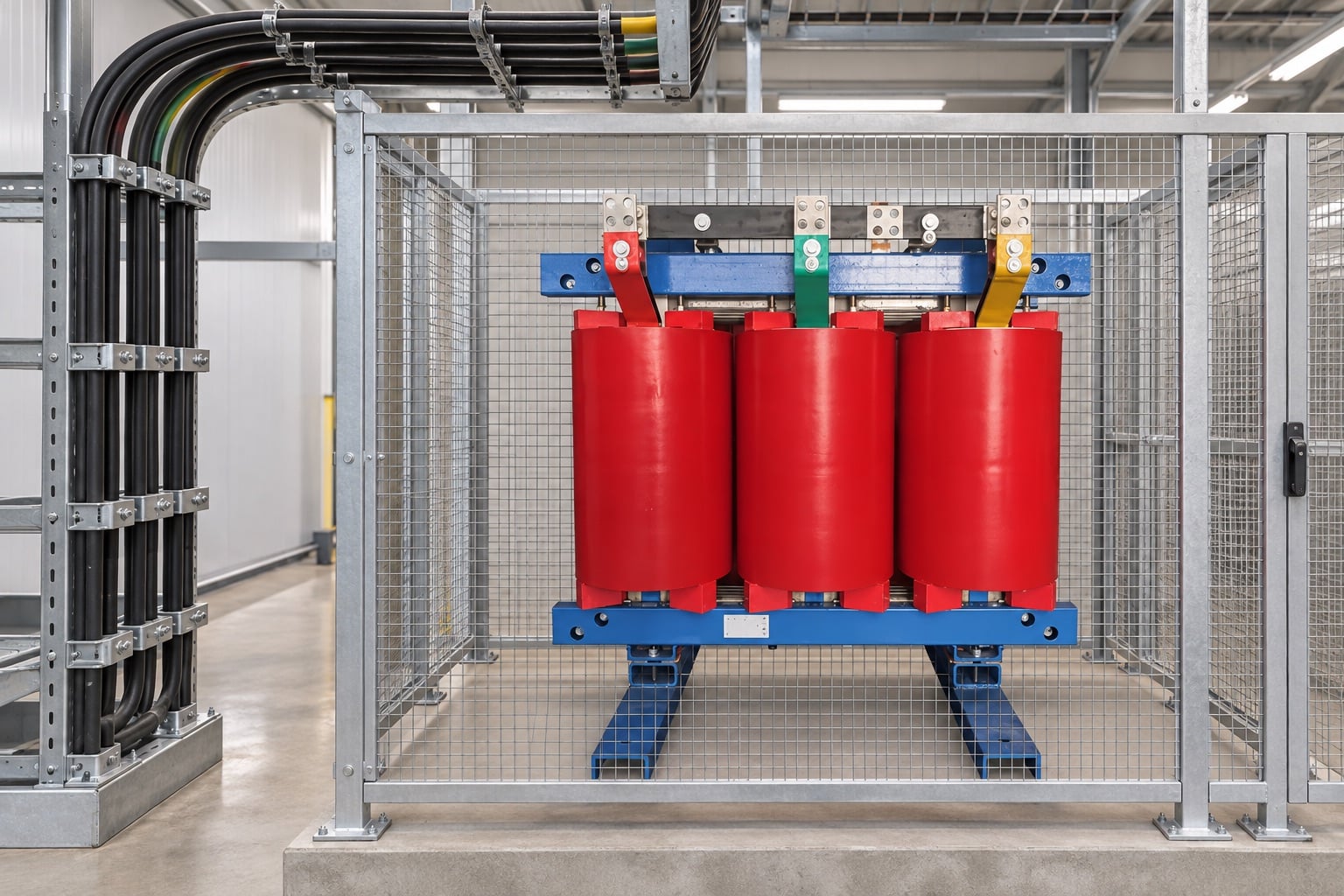
วางแผนทิศทางการเข้าและรัศมีโค้งก่อนตัดสายเคเบิล ตัวนำเฟสควรเข้าใกล้ปลายสายโดยไม่ข้ามกันโดยไม่จำเป็นหรือใช้แรงด้านข้าง รักษาระยะห่างจากสายควบคุมแรงดันต่ำและวงจรเซ็นเซอร์อุณหภูมิ ระบุเฟสให้สอดคล้องกันทั้งสองด้านและตรวจสอบลำดับเฟสของระบบก่อนการจ่ายไฟ สายเคเบิลโลหะ เกราะ และแผ่นก้านต้องเชื่อมต่อหรือเชื่อมต่อกับสายดินตามแบบระบบที่ได้รับการอนุมัติ ตัวเลือกการเชื่อมต่อส่งผลต่อแรงดันไฟฟ้าที่เกิดขึ้นและกระแส circulating.
ในกรณีที่สาย AC แบบแกนเดียวผ่านแผ่นโลหะ การจัดเรียงก้านต้องหลีกเลี่ยงความร้อนแม่เหล็กที่ไม่ตั้งใจ อาจต้องใช้แผ่นที่ไม่ใช่แม่เหล็กหรือเปิดเฟสกลุ่มอย่างเหมาะสมตามแบบ การหยุดไฟควรคืนเกราะป้องกันที่จำเป็นโดยไม่ทำลายฉนวนสายเคเบิล ตัวกล่องต้องรักษาทางระบายอากาศซึ่งเป็นสิ่งสำคัญสำหรับการวัดหม้อแปลงแห้ง คู่มือการทำความสะอาดหม้อแปลงแบบแห้ง อธิบายว่าทำไมผนัง กล่องสายเคเบิล และการไหลของอากาศจึงต้องประสานงานกัน.
ลำดับการติดตั้งที่ควบคุมได้
- อนุญาตและแยกออก. ยืนยันทรัพย์สินที่ถูกต้อง ปิดไฟ ปลดล็อค ตรวจสอบความไม่มีแรงดันไฟฟ้า และเชื่อมต่อสายดินตามขั้นตอนของสถานที่.
- ตรวจสอบวัสดุ. ตรวจสอบสายเคเบิล ชุดอุปกรณ์ หัวต่อ และปลายสายเทียบกับแบบแปลนที่ได้รับการอนุมัติและความต้องการอายุการใช้งานหรือการเก็บรักษา.
- ตั้งค่าที่รองรับ. กำหนดเส้นทาง คีต และรัศมีโค้งก่อนการเตรียมตัวนำไฟฟ้าให้เสร็จสมบูรณ์.
- Prepare the cable. Qualified jointers follow the exact kit dimensions and use clean, controlled tools.
- Make the interface. Install the connector and bolt it to the transformer terminal using the approved method and recorded torque where specified.
- Restore insulation and sealing. Complete stress control, grounding, boots, barriers, glands and fire stopping.
- Inspect and test. Verify phase identity, clearances, supports, bonding, joint condition and specified electrical tests before energization.
Cleanliness is especially important for medium-voltage accessories. Dust, moisture, nicks, uneven screen cutbacks or trapped contamination can create localized electrical stress. If preparation is outside the kit tolerance, stop and replace the affected material rather than disguising the defect.
Inspection and electrical testing
A pre-energization inspection should confirm that terminal hardware is complete, lugs are fully seated, no cable force is transferred to the terminal, phase barriers are present, clearances match the drawing and the enclosure contains no debris or tools. Record conductor identification, kit batch information where required, jointing personnel, torque records and photographs permitted by the quality plan.
Testing must be agreed by the transformer, cable and accessory suppliers. Insulation-resistance, continuity, phase identification and sheath tests may be appropriate, but test voltage and method depend on the installed system. An unsuitable DC or AC withstand test can overstress equipment. Coordinate any cable test with connected surge arresters, instrument transformers and electronics. Transformer ratio and winding-resistance tests address different questions; see the transformer turns-ratio test guide.
Commissioning and first-load checks
Before energization, close all approved covers and barriers, clear personnel and follow the site’s switching program. Confirm protection settings, temperature sensors, fans if fitted and alarms. On initial energization, monitor for abnormal sound, odor, discharge indications or protection operation from a safe location. Increase load only under the commissioning plan.
After the installation has operated at a stable representative load, qualified personnel may perform an external thermal survey using the site’s electrical-safety rules. Compare equivalent phases and joints while recording current and ambient conditions. A thermal camera cannot see through an opaque closed panel, and a bright color alone is not an acceptance limit. Trends and asymmetry should trigger an engineering review, not unplanned access to energized terminals.
รายการตรวจสอบการจัดซื้อจัดจ้าง
- Transformer terminal drawing, enclosure and cable-entry details.
- Cable schedule with voltage class, conductor, insulation, screen and dimensions.
- Approved termination kit and lug compatibility evidence.
- Required clearances, phase barriers, glands, supports and bonding design.
- Manufacturer’s fastener and tightening instructions.
- Inspection and test plan agreed across transformer, cable and accessory suppliers.
- Installation records and as-built photographs or drawings.
Handover documents and maintenance baseline
The handover package should give maintenance personnel enough information to reproduce the approved connection. Include the final terminal drawing, cable schedule, accessory instructions, material certificates required by the contract, torque record, test results and photographs showing supports before covers were fitted. Mark any deviation accepted during installation. Establish a baseline thermal image when a representative stable load is available and retain the current and ambient conditions with it. During future outages, inspect for discoloration, contamination, cracked insulation, loose supports and evidence of movement. Any change to cable size, number of parallel runs, enclosure or terminal hardware must be reviewed as an engineering change rather than treated as routine replacement.
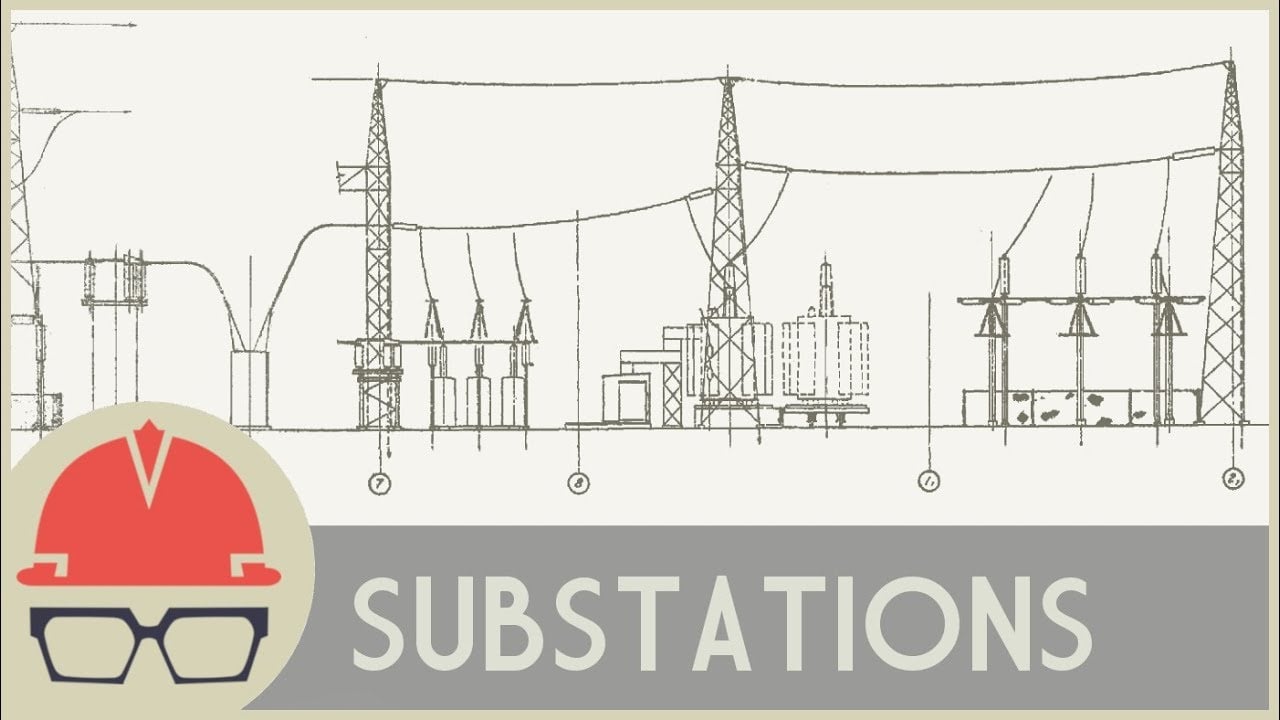
Video: substation equipment context
This independent explainer shows how transformers and switchgear fit within a substation. It does not replace a termination kit instruction or the site’s safety procedure.
คำถามที่มักถูกถาม
หัวต่อใดสามารถใช้กับหม้อแปลงชนิดแห้งได้บ้าง?
No. It must match conductor material and size, terminal geometry, current duty and the manufacturer’s approved joint arrangement.
สายเคเบิลน้ำหนักควรแขวนจากขั้วต่อของหม้อแปลงหรือไม่
No. Independent cleats and supports should restrain the cable and fault forces so the terminal is not mechanically loaded.
สายเคเบิลที่เสร็จสมบูรณ์สามารถทดสอบได้ในขณะที่เชื่อมต่อกับหม้อแปลงหรือไม่
Only under an approved method coordinated with all connected equipment suppliers. Test voltage and isolation requirements are system-specific.
ควรเก็บบันทึกอะไรบ้าง?
Keep approved drawings, material identification, preparation and torque records, inspection results, test reports and as-built changes.