Sinds 2001 is Shenheng Power een vertrouwde fabrikant van apparatuur voor krachtoverbrengst en -distributie en levert wereldwijd betrouwbare elektrische oplossingen.
Ondersteund door een volledig aankoopachterdrachtsysteem, bieden wij deskundig technisch advies, productbegeleiding en flexibele OEM- en ODM-diensten voor uw projecten.
Sinds 2001 is Shenheng Power een vertrouwde fabrikant van apparatuur voor krachtoverbrengst en -distributie en levert wereldwijd betrouwbare elektrische oplossingen.
Basisprincipes van een elektrische onderstation voor projectkopers
Release Time: 2026-06-29
Een duidelijke electrical substation De beslissing begint met het goedgekeurde netwerkontwerp, niet met een gespecificeerde catalogus. Deze handleiding richt zich in het artikel op de projectvragen die een uitvoerbaar scope bepalen en stelt nauwer gespecificeerde beslissingen aan verwante technische artikelen.
Part 1. Define the role of the substation in the network
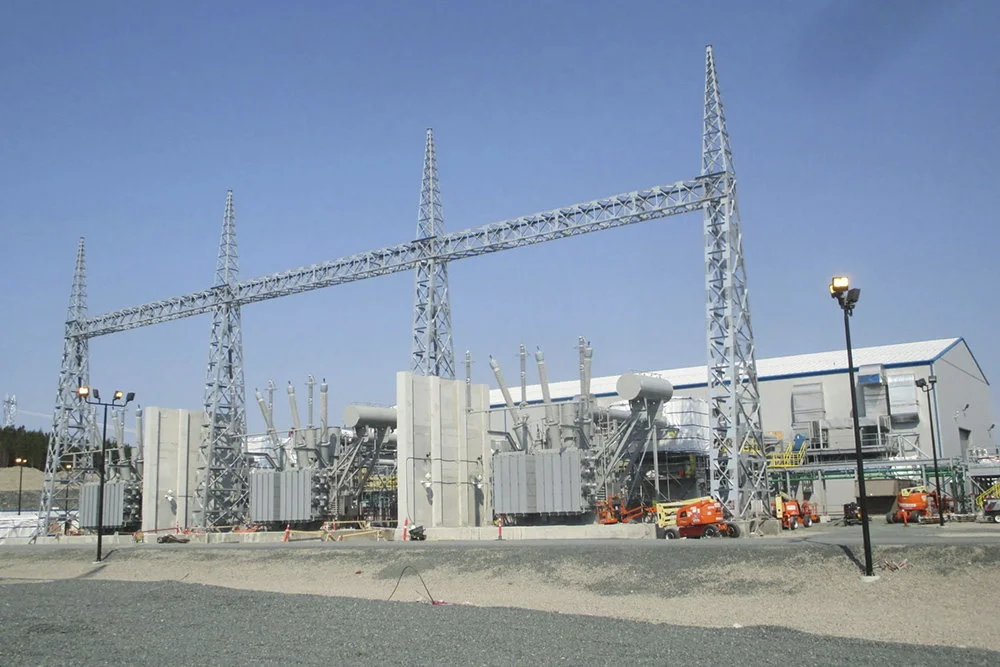
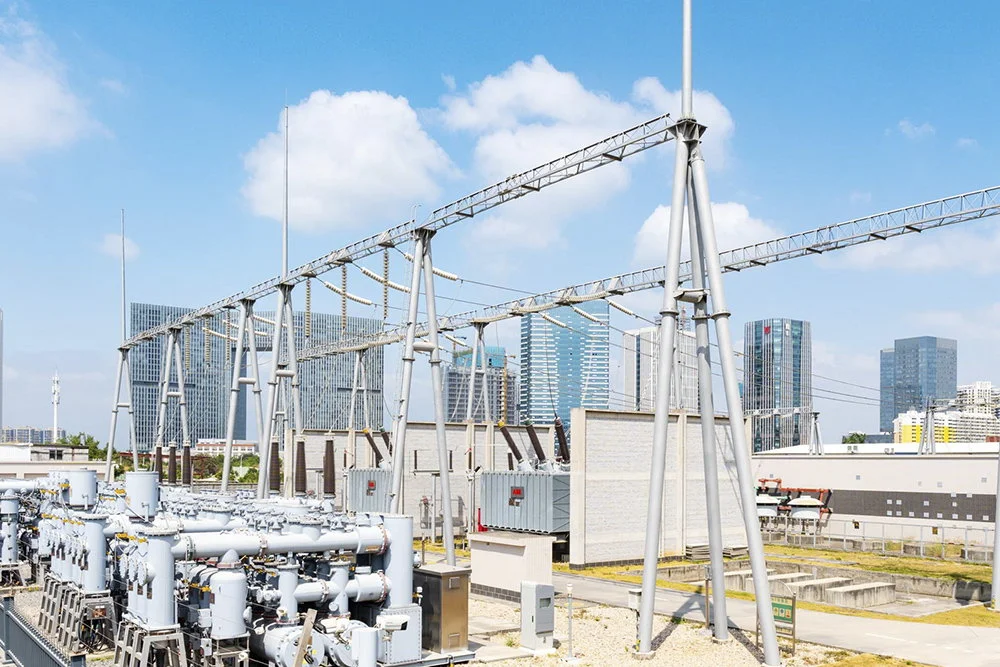
An electrical substation is the point where equipment changes voltage, switches circuits, protects feeders, or connects sections of a power network. The exact role may be generation step-up, transmission, distribution, industrial intake, or a local packaged solution. Its purpose is defined by the one-line diagram, not by the size of the enclosure.
Part 2. Separate a substation from a power station
A power station produces electricity. A substation generally receives, transforms, switches, measures, or distributes electricity that has already been generated. Projects sometimes combine these facilities on one site, but the engineering functions and equipment schedules are different.
Part 3. Recognize the equipment that must work together
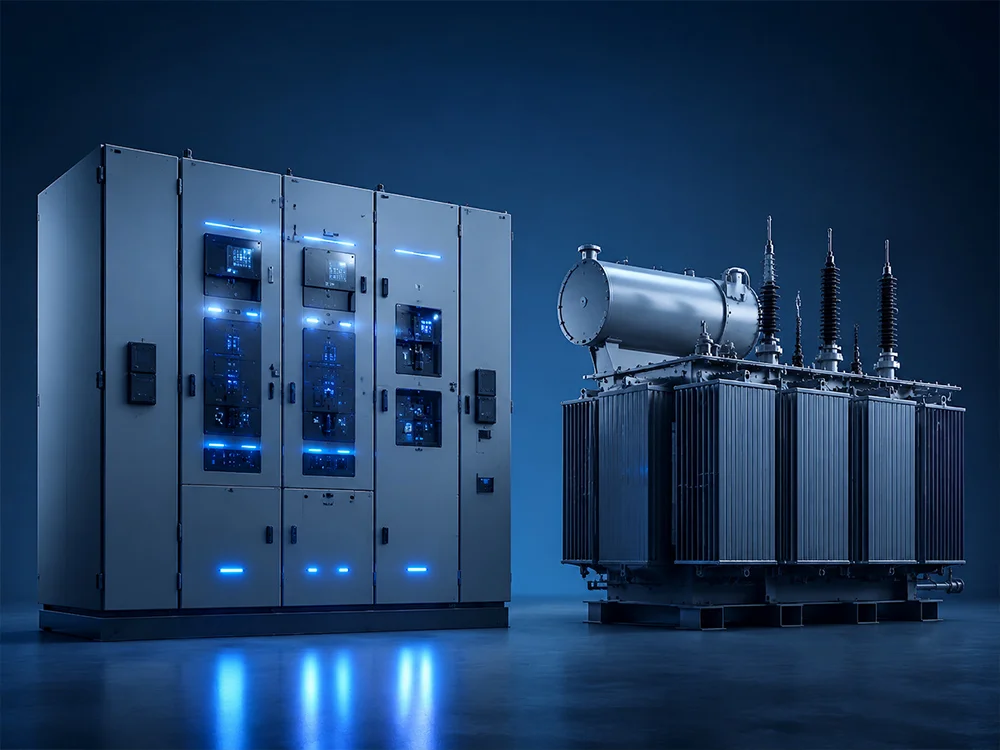
A distribution substation may include medium-voltage switchgear, a transformer, low-voltage distribution equipment, protection and metering, earthing, cables, and an enclosure. The package must be coordinated so voltage class, fault duty, protection settings, clearances, and cable interfaces agree with the approved design.
Part 4. Choose the layout from site constraints
A conventional substation can distribute equipment across a dedicated building or yard. A compact or prefabricated arrangement integrates major equipment in a factory-assembled enclosure, which can simplify site work when the layout and interfaces are fixed early. Foundation, lifting route, cable entry, ventilation, and maintenance space still require site coordination.
Part 5. Ask the project questions before selecting a package
Confirm the incoming and outgoing voltages, transformer rating, MV and LV feeder arrangement, short-circuit level, environmental conditions, utility metering requirements, and local approval process. These inputs determine whether a compact solution is suitable and what it must contain.
Part 6. Use a compact package as a starting point, not a substitute for design
For projects that need an integrated outdoor arrangement, review the published 11kV/33kV compact buiten-elektriciteitsstation. Product recommendation boundary: it supports an initial scope discussion; protection philosophy, transformer data, and civil interfaces must be confirmed for the individual project.
Shenheng Electric Power streeft ernaar om een wereldwijde leider te worden in oplossingen voor elektrische apparatuur en helpt klanten om een veilig, efficiënt en duurzaam energiebeheer te realiseren.

 Shenheng Power Equipment Co., Ltd.