Shenheng Power Equipment Co., Ltd.
- Home
- Products
Products
Since 2001, Shenheng Power has been a trusted manufacturer of power transmission and distribution equipment, delivering reliable electrical solutions globally.
- Solutions
- News & Blog
- Service
- About Us
- Contact Us
Since 2001, Shenheng Power has been a trusted manufacturer of power transmission and distribution equipment, delivering reliable electrical solutions globally.
Transformer bushing replacement compatibility means proving that the proposed part suits the specific transformer electrically, mechanically and thermally, and can be installed without compromising insulation or sealing. Matching the voltage printed on a quotation is only the beginning. Before ordering, obtain the transformer identity, original bushing details, approved interface drawings and the manufacturer’s written acceptance of the proposed substitute. Treat missing information as an unresolved engineering question. This guide explains the purchasing and review process for an oil-immersed transformer; it is not an instruction for opening a tank, handling internal leads or carrying out high-voltage work.
Related background: How to Select an Oil-Immersed Transformer for a Project
A bushing provides an insulated path through an equipment boundary. Its connection to the transformer matters as much as its external appearance. Two parts can look similar above the tank while having different lower terminals, projections or sealing arrangements. A photograph cannot establish the internal fit, insulation clearances or current-carrying capability.
Record the transformer manufacturer, serial number, winding terminal designation and the position being replaced. Include the original bushing manufacturer, type, drawing number and any legible nameplate information. If the part has previously been changed, identify whether the installed item matches the original build record or an approved modification. Otherwise, a buyer may unintentionally use an undocumented substitute as the new reference.
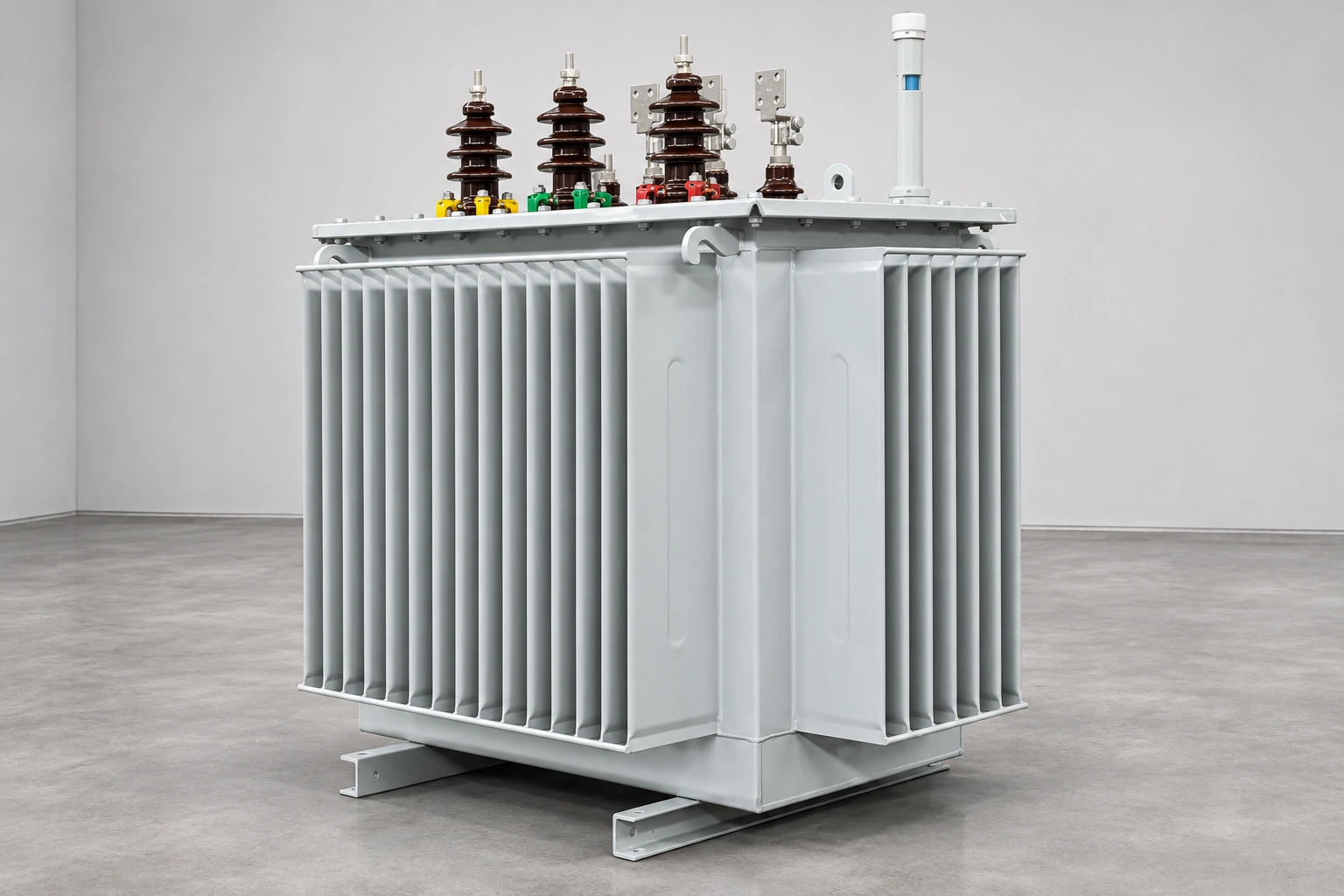
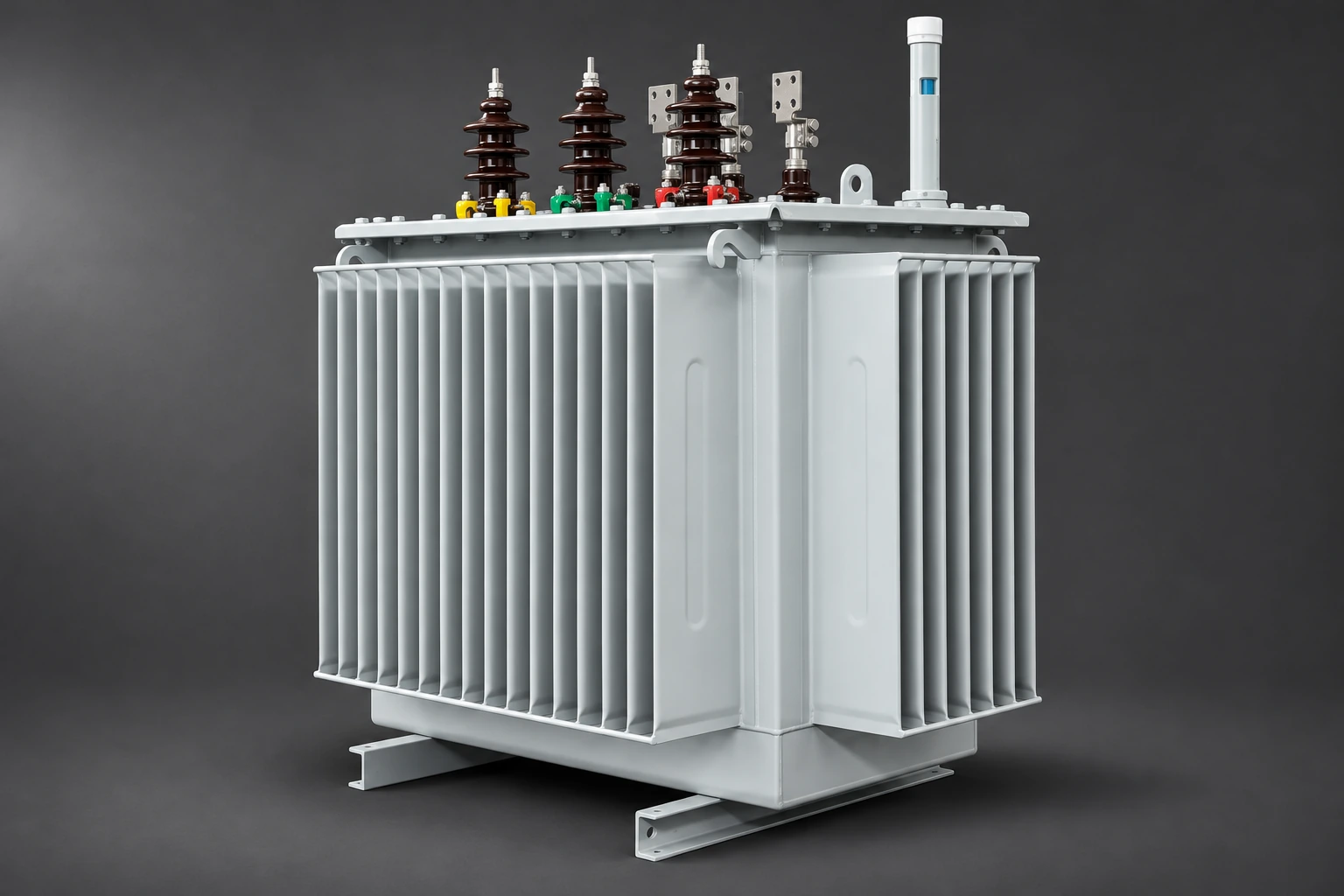
The Shenheng sealed oil-immersed transformer product page establishes the relevant equipment family. It does not establish that every illustrated transformer uses the same bushing or that an individual replacement is approved. Request serial-number-specific information for the actual unit. The accompanying illustrations show the complete reference product, not a replacement kit or evidence of an internal connection.
An inspection finding and a replacement approval answer different questions. A crack, leak or concerning test trend may justify specialist assessment, but it does not identify the correct spare. Conversely, a compatible spare does not prove that a suspect transformer is ready to return to service.
The US Bureau of Reclamation’s Transformers: Basics, Maintenance, and Diagnostics discusses bushing condition, sealing and the importance of manufacturer instructions. Its maintenance context supports careful review; it is not a universal substitution list for Shenheng equipment. Apply the actual manufacturer’s criteria to the installed design.
Keep the condition assessment with the work order and the compatibility decision with the proposed part. Link both records through the transformer serial number and terminal position. This prevents a maintenance recommendation such as “replace the damaged bushing” from being mistaken for approval to buy any item with a similar description. For the earlier assessment stage, see the oil transformer bushing inspection guide.
The following is an owner-side document checklist. It proposes questions for the equipment manufacturer; it does not introduce standard dimensions, test limits or a field fitting procedure. Each row needs evidence for the actual transformer and proposed bushing.
| Review area | Information to compare | Reason to hold the order |
|---|---|---|
| Equipment identity | Transformer serial number, terminal position and original part revision | The quotation identifies only a generic voltage class |
| Electrical duty | Rated application, current, insulation requirements and service conditions | The supplier provides a rating without confirming the complete duty |
| Tank interface | Approved mounting drawing, sealing surface and connection arrangement | Only an external photograph or an approximate overall size is available |
| Internal interface | Below-flange envelope, lead termination and required clearances | The proposed part changes an interface without engineering review |
| External interface | Terminal arrangement, adjacent clearances and connected conductor loads | The proposal relies on forcing existing conductors into position |
| Sealing and liquid | Approved gasket arrangement and compatibility with the actual insulating liquid | Seal material or compression requirements are unknown |
| Acceptance evidence | Agreed inspection, test records and release responsibilities | A certificate is offered without identifying the part or applicable requirements |
Use drawing revisions explicitly. If the original drawing says one thing and the installed photograph suggests another, resolve the discrepancy before comparing substitutes. Do not quietly choose the dimensions that make the proposed part appear suitable. State which information is confirmed, which is inferred and which still needs inspection under an approved outage plan.
A replacement review should identify the system and transformer requirements that the original part was selected to meet. Ask the responsible engineer to confirm the applicable voltage and insulation duty, current duty, frequency and operating environment. Where unusual loading or site conditions matter, include them in the request rather than leaving the supplier to assume a standard installation.
A higher catalogue current or voltage rating does not, by itself, demonstrate compatibility. A different design may introduce another terminal arrangement, different dimensions or installation restrictions. Compare the complete proposed assembly, including any adaptors that form part of the offer. An adaptor can change the problem instead of resolving it.
Avoid publishing an owner-created acceptance threshold as though it came from a standard. If a tender requires a particular standard and edition, name it in the purchase specification and request evidence against the applicable requirements. A standard reference on a general sales sheet cannot replace confirmation for the specific item offered. Testing background is covered separately in the bushing power factor test guide; the approved replacement plan determines the actual tests needed.
Mechanical review must extend beyond whether the mounting holes align. The complete installed envelope affects the interface inside and outside the tank. Ask for dimensioned drawings showing the relevant mounting surfaces, lower end, terminal details and orientation. Have the transformer manufacturer review changes that could affect internal leads or insulation arrangements.
Do not use a successful trial fit as the sole acceptance argument. A component can physically enter an opening while still being unsuitable for its duty. Similarly, removing or bending nearby parts to create space is a design change that requires assessment. The purchasing team should never resolve a clearance conflict by authorizing an improvised workshop adjustment.
Document external conductor interfaces as well. The replacement should not require the connected bus or cable to impose unreviewed loads on the terminal. Provide the proposed connection arrangement to the party responsible for the transformer interface. Where lifting access or surrounding structures complicate replacement, include access review in planning; do not infer a lifting method from a product illustration.
A quotation for the main bushing may omit the items needed for an approved installation. Ask whether the offer includes the specified seals, terminal hardware, protective accessories and installation documentation. List supplied and retained items separately. A clear scope avoids discovering during an outage that an essential gasket or connection component was assumed to be available on site.
Seal selection needs the manufacturer’s approval for the liquid, temperature and interface involved. Do not substitute a material because it is commonly described as oil resistant. The approved sealing arrangement includes more than a material name, and installation compression or tightening instructions must come from the applicable documentation. This article provides no general torque values.
Obtain storage and transport instructions with the spare. Record the received part identity, package condition and any storage restrictions. Keep acceptance records linked to that individual part, especially if several spares share a similar appearance. Before releasing a stored spare for a planned outage, confirm that its identity and condition still match the approved purchase record.
Define who approves the substitute, who checks incoming documentation and who authorizes installation. These responsibilities may sit with different organizations. Ask the equipment manufacturer to identify the required acceptance evidence and the qualified service team to provide a method appropriate to the actual transformer. Keep procurement approval separate from authorization to perform electrical work.
The HSE’s Electricity at work: Safe working practices provides general safety planning guidance. Local rules, site procedures and the equipment instructions determine the work controls. Bushing replacement may involve electrical hazards, stored energy, liquid handling and lifting; none of those activities should be reduced to a generic online sequence.
Set document hold points before the spare is shipped. A useful release package identifies the approved part and revision, accepted interface drawings, relevant inspection or test records, handling instructions and outstanding restrictions. Record a clear disposition for deviations. “Supplier to confirm later” should remain an open item, rather than disappearing when the purchase order is issued.
Consider a hypothetical spare offer that matches the original rated application but supplies no lower-end drawing. The buyer has a photograph of the installed bushing and a catalogue outline of the substitute. The correct action is to hold technical acceptance and ask for the missing interface information. There is no defensible way to establish an unseen internal connection from those photographs alone.
Once the manufacturer supplies a reviewed drawing, the owner can resolve the interface question and establish the installation scope. If a different connection or adaptor is required, assess that complete arrangement before approval. This example illustrates a document decision, not a claim that a particular Shenheng model has an interface defect or requires an adaptor.
For procurement records beyond the part itself, use the transformer factory test witness and hold-point guide. Keep the replacement-specific approval in the asset file so future buyers do not have to reconstruct the reasoning from email attachments.
This US Department of Labor video explains hazardous energy control as safety background for planning bushing replacement. It does not demonstrate a transformer-specific replacement procedure.
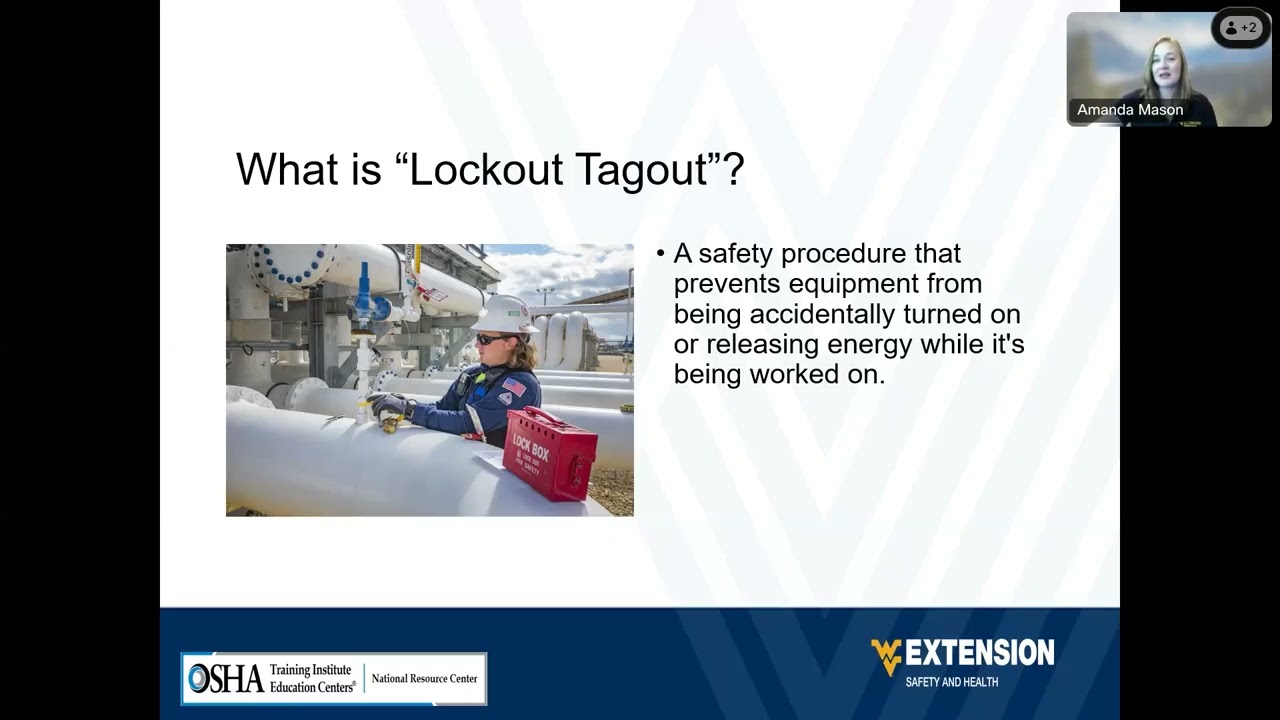
Further learning: Stand Up For Safety and Health – Lockout tagout — USDepartmentofLabor. Open the video on YouTube.
No. The review also needs the applicable electrical duty, internal and external interfaces, sealing arrangement and manufacturer approval for the specific transformer. A single matching rating leaves essential questions unanswered.
No. Photographs can help identify visible features and support a request for drawings. They cannot prove the unseen terminal arrangement, installed clearances or compatibility with the transformer design.
The order should explicitly identify which approved seals, hardware and documents are included, and which items will be retained. Do not assume a quotation for the main bushing includes everything required by the installation plan.
Keep the transformer and terminal identity, approved part revision, interface comparison, manufacturer acceptance, relevant test records and final installation documentation. Link the decision to the individual asset and installed component.