Shenheng Power Equipment Co., Ltd.
- Home
- Products
Products
Since 2001, Shenheng Power has been a trusted manufacturer of power transmission and distribution equipment, delivering reliable electrical solutions globally.
- Solutions
- News & Blog
- Service
- About Us
- Contact Us
Since 2001, Shenheng Power has been a trusted manufacturer of power transmission and distribution equipment, delivering reliable electrical solutions globally.
A fair padmount transformer comparison begins by converting every offer into the same bid record. Map each supplier response to the issued project basis, then isolate price from technical scope, site interfaces, documentation, and exclusions.
For adjacent procurement preparation, review the distribution transformer RFQ checklist and the padmount transformer and compact substation comparison.
Important: IEC 60076-1 provides general transformer context, while the approved project documents define actual scope and acceptance. (IEC 60076-1)
A padmount transformer quotation can only be compared when each supplier is answering the same project question. Start by separating the quoted equipment from assumptions about the electrical arrangement, interfaces, delivery, documents, and site work. A low headline price may simply omit an input that another quotation has made visible.
Issue the same controlled request to every bidder and identify the drawing revision, project voltage arrangement, expected duty information available to the buyer, applicable standards chosen by the project, installation environment, and required documents. The project team, not a generic online list, decides the final technical basis.
| Bid-comparison field | Evidence to align | Procurement consequence |
|---|---|---|
| Issued request revision | Reference number and drawing list | Shows whether bids answer the same enquiry |
| Seller scope statement | Included equipment and services | Exposes scope added or omitted from price |
| Site connection assumption | Declared interface or open question | Prevents a field item becoming an unpriced surprise |
| Deliverable list | Technical and commercial submissions | Enables a like-for-like document review |
| ## Part 3. Compare interfaces rather than product names |
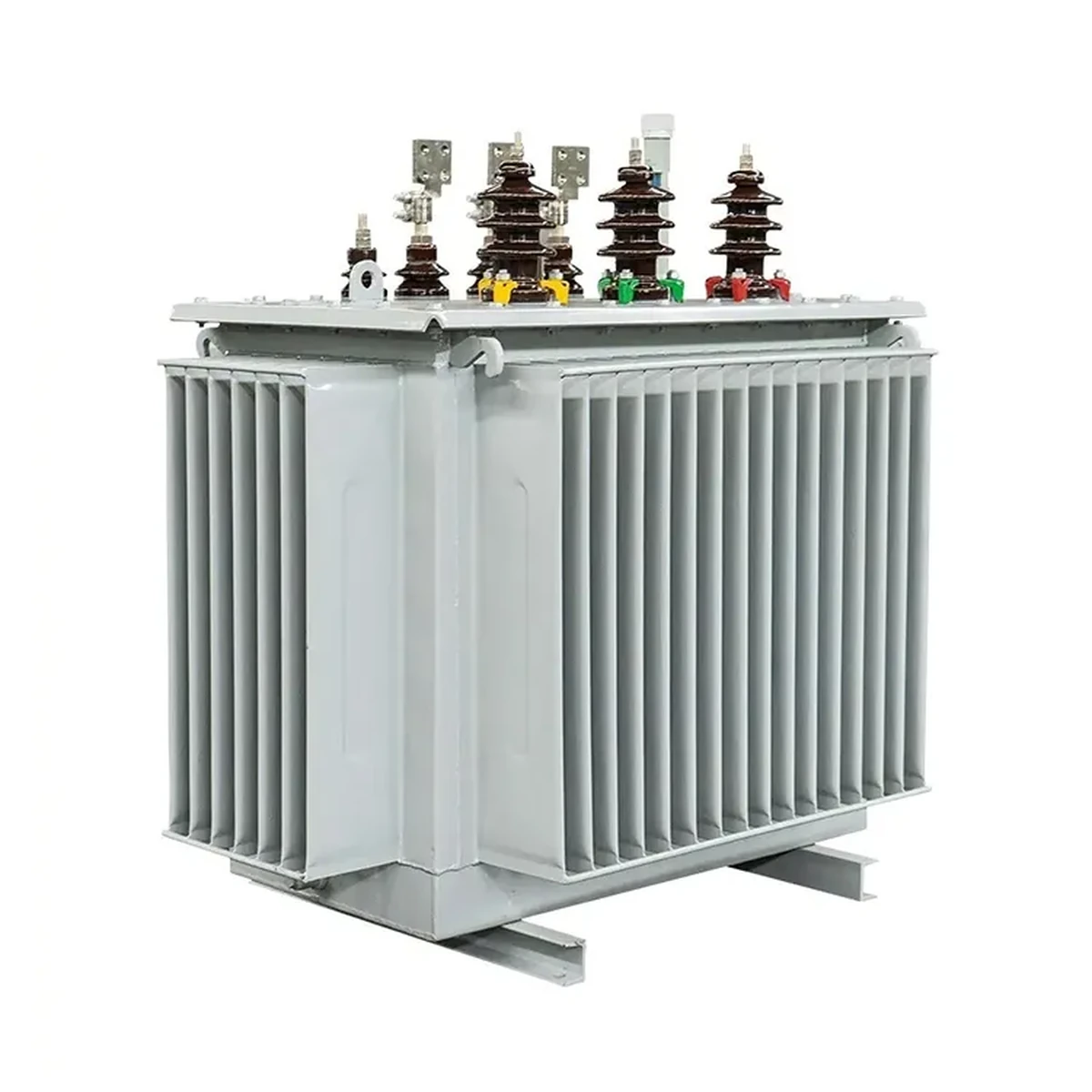
A product name does not establish how the equipment will connect to the project. Review the stated external connection arrangement, cable-entry assumptions, grounding interface, accessories, enclosure or installation context, and the scope boundary between vendor and site. Where the arrangement is still open, mark it as an engineering clarification rather than treating a catalogue photo as confirmation.
Put price, currency, quantity, delivery basis, packing, documents, testing language, freight assumptions, and exclusions in distinct comparison columns. This prevents commercial terms from being mistaken for technical equivalence and makes unresolved items easier to assign.
A useful comparison sheet records the requested input, each supplier response, evidence reference, owner, and open action. Ask each bidder to identify exceptions to the project basis. A clarification is not a defect by itself; it is a decision point that must be closed by the responsible project team.
| Clarification item | Supplier response needed | Decision owner |
|---|---|---|
| Difference from issued basis | Written exception or confirmation | Bid evaluation lead |
| Boundary of vendor supply | Interface statement | Engineering coordinator |
| Shipment and document assumption | Commercial note | Procurement lead |
| Outstanding design input | Named request and due date | Project manager |
| ## Part 6. Review the catalogue family after the project inputs are stable |
Shenheng Power lists an S11-M fully sealed oil immersed power transformer as a catalogue reference. Use the listing to start an equipment discussion after the project basis is documented. It does not establish that one configuration is suitable for every padmount installation or local utility requirement.
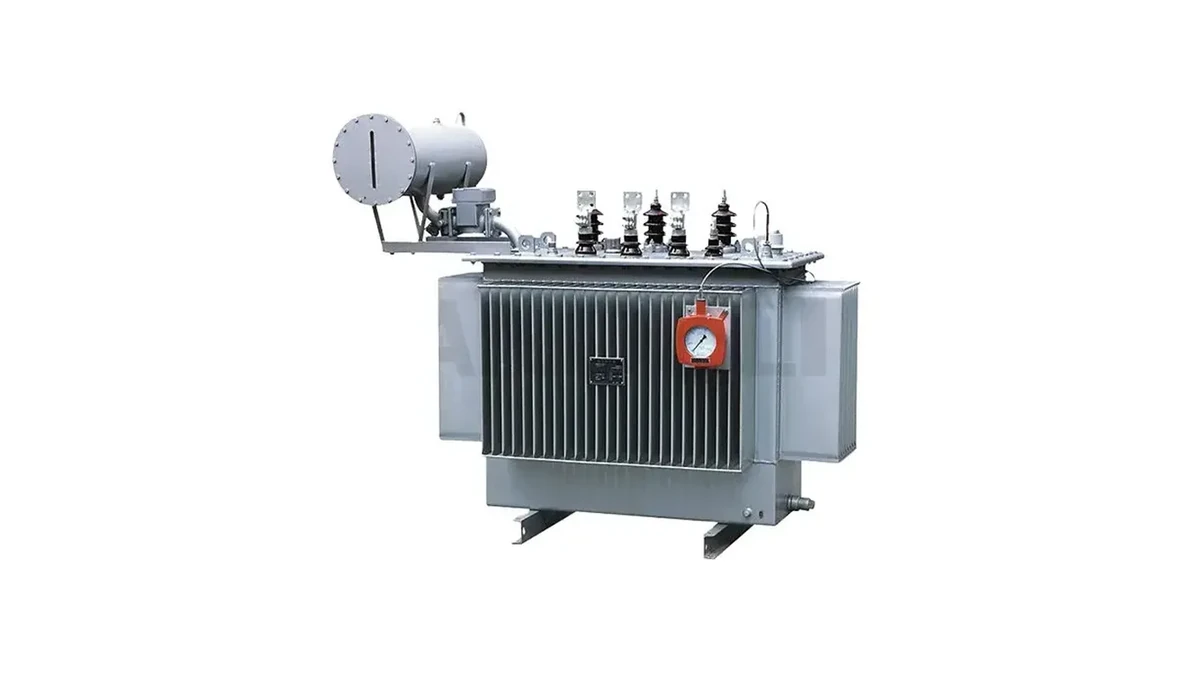
Product recommendation: review the S11-M fully sealed oil immersed power transformer only as a catalogue reference for the controlled project review.
Keep the final comparison, approved clarification responses, selected drawing revision, commercial basis, document list, and responsibilities with the project record. This gives procurement, engineering, logistics, and commissioning teams one traceable reference when the order moves from quotation to delivery.
For a quotation comparison, contact Shenheng Power with the bid request, drawing register, project electrical context, required deliverables, quantity, and delivery basis.
First confirm that every bidder received the same project basis, drawing revision, interface assumptions, required documents, and commercial request. Price should be compared only after that scope is visible.
No. A product title does not define the external connections, grounding interface, accessories, documents, delivery basis, or exclusions that affect the project comparison.
Request the documents defined by the project, such as the applicable drawing reference, proposed configuration information, clarification list, commercial basis, and any required review documents. Do not assume a universal document set.
Record each exception against the project basis, assign an owner, request clarification where needed, and close it through the responsible engineering and procurement process before award.
Not necessarily. A lower price may reflect a different scope, excluded interface, commercial assumption, or missing document. Compare the same controlled basis before judging value.
Send the controlled project basis, available drawing or single-line reference, voltage arrangement, installation context, interface expectations, quantity, delivery constraints, and document requirements.