Shenheng Power Equipment Co., Ltd.
- Home
- Products
Products
Since 2001, Shenheng Power has been a trusted manufacturer of power transmission and distribution equipment, delivering reliable electrical solutions globally.

- Solutions
- News & Blog
- Service
- About Us
- Contact Us
Since 2001, Shenheng Power has been a trusted manufacturer of power transmission and distribution equipment, delivering reliable electrical solutions globally.
An LV switchgear door hinge replacement needs more than a hinge with matching holes. The replacement must suit the specific door assembly, support its load, preserve its movement and allow the enclosure to close as designed. Review the door, frame, latch, gasket, protective bonding and any attached wiring together before ordering. A sagging door may indicate damaged supports or a distorted frame rather than an isolated hinge defect. This guide is for procurement and maintenance planning. It does not authorize opening live compartments, supporting a heavy door without a work plan, or modifying an enclosure to make an unapproved spare fit.
Low voltage switchboards may contain several types of front access panel, compartment door and cable-area door. Their appearance can be similar even when their mounting and protective functions differ. Start with the switchboard serial number, section designation, compartment reference and the correct assembly drawing. Photograph the complete closed section from a safe position and identify the affected door on that drawing.
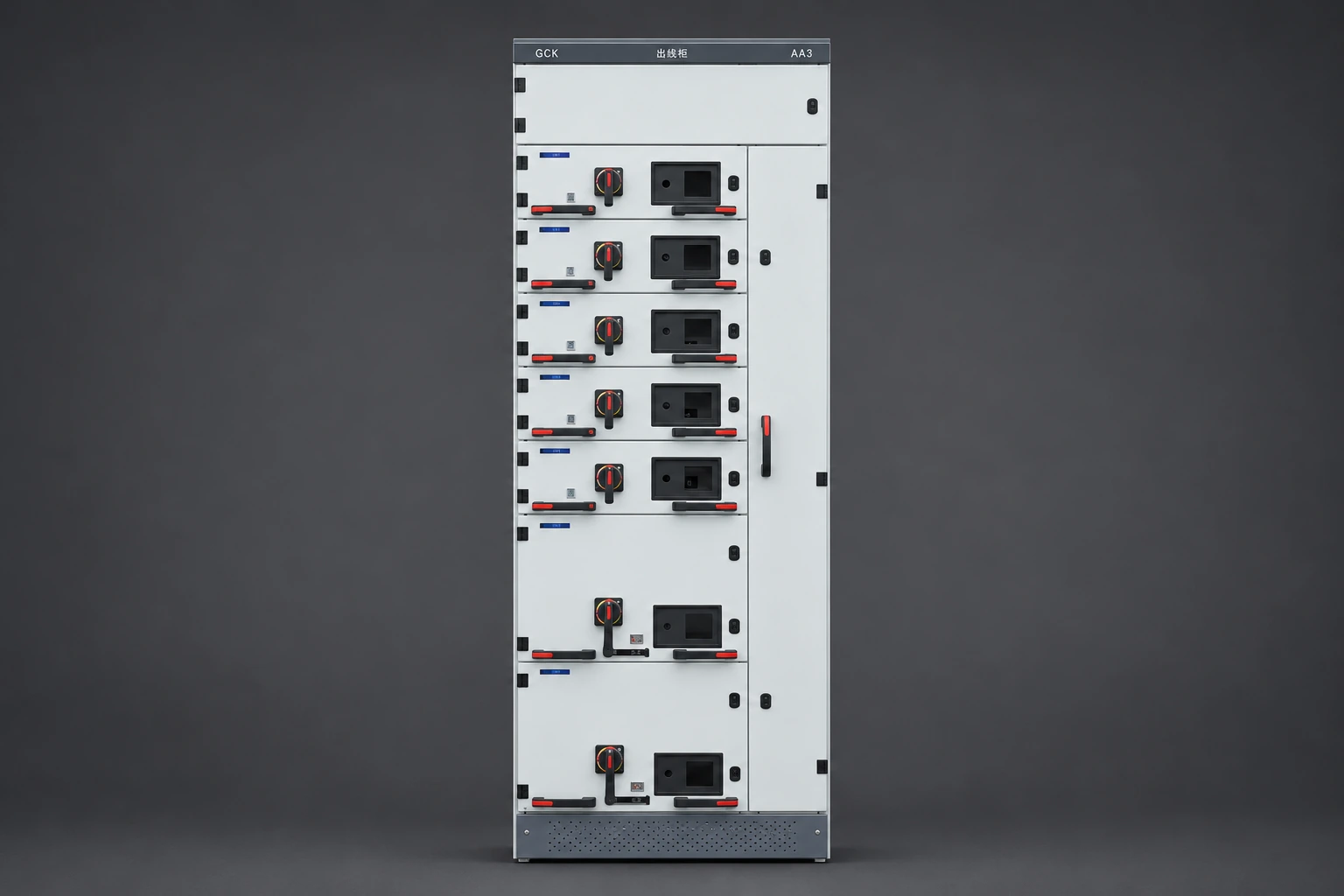
For a Shenheng LT panel distribution cabinet, obtain the documents for the actual supplied configuration. The product image shows a particular external arrangement; it does not establish hidden hinge details, door mass, internal separation or the approved spare number for another order. A family name alone is not sufficient to release a replacement part.
Mark whether the door carries instruments, control devices or wiring, and whether it forms part of a larger removable assembly. These details affect both the support requirement and the work boundary. An empty cover and a door carrying equipment should not be treated as equivalent merely because their overall dimensions look similar.

Describe what has changed: uneven gaps, a dropping latch side, scraping, loose hardware, cracked attachment points or difficulty engaging the latch. Preserve the observation without forcing the door into position. Forcing closure can hide the symptom while increasing stress on another component. The condition should be assessed under the asset owner’s safe inspection arrangements.
Consider the complete load path from the door through the hinge leaves and their fixings into the frame. A new hinge cannot repair a damaged mounting surface. Similarly, an enclosure moved out of alignment may need an assembly-level assessment. Ordering repeated hinge replacements without examining the supporting structure can reproduce the same problem after each repair.
Ask whether recent work changed the door loading, alignment or attached services. A newly fitted device or altered wiring route can affect movement even if the hinge has not changed. Record such changes as facts to review, rather than assuming they caused the defect. The responsible engineer decides which observations explain the condition and what repair scope is justified.
Use the following review table to prepare a complete request. These are document and inspection questions, not universal mechanical specifications. Obtain dimensions, materials, fixing details and any adjustment limits from the approved assembly information.
| Review area | Information required | Reason to hold approval |
|---|---|---|
| Assembly identity | Switchboard, section, door and original spare reference | The proposed part is listed only for a different door or revision |
| Support arrangement | Hinge type, quantity, orientation and door loading | The supplier cannot confirm the load and mounting arrangement |
| Attachment surfaces | Condition of door, frame and fixing points | Cracks, deformation or damaged attachment points remain unexplained |
| Movement and restraint | Intended opening movement and original restraints | The proposal changes travel or permits interference |
| Closure | Latch engagement, gasket interface and door alignment | Closing requires force, extra holes or unapproved packing |
| Connected services | Bonding straps, controls and wiring where fitted | The replacement changes their movement or support without review |
An acceptable purchase description should distinguish the hinge assembly from associated pins, fixings and retainers. Request an itemized response when the supplier proposes reusing old components. A quotation for the visible hinge leaf alone may not cover the complete approved repair.
The hinge defines an axis of movement. A different offset, pin position or handed arrangement can alter clearance even if the fixing pattern matches. It may change how a door approaches its gasket or latch, or bring a fitted device closer to a neighbouring surface. Confirm the complete geometry through manufacturer documentation rather than trial fitting on an operating assembly.
Do not make elongated holes, add loose packing or bend the hinge to compensate for unexplained misalignment. Those actions create a changed arrangement that needs its own assessment. If an engineered repair uses a revised bracket or mounting method, retain the drawing and approval identifying that change. Do not record it as an unchanged spare swap.
Where the door has an opening restraint, include its relationship with the hinge in the review. The repair should preserve the intended movement without transferring an unexpected load to attached wiring or neighbouring covers. There is no single opening angle that applies to every switchboard. Use the value and arrangement specified for the actual assembly.
A door contributes to the enclosure as an assembly. Hinge alignment influences the way that door approaches the frame, gasket and fastening points. Replacing the hinge does not automatically establish that the original protection is restored. Determine what inspection or other evidence the manufacturer and asset owner require after the repair.
The IOGP supplementary specification for LV switchgear is an industry procurement reference that addresses construction details including hinged doors and restraints. The linked 2022 edition is background material, not proof that this project adopted it or that it represents the current contractual requirement. Confirm the specified edition and the manufacturer’s verified arrangement for the order.
Keep separate issues separate during review. A corrected door gap does not prove a particular ingress protection rating, and a freely moving hinge does not establish internal separation. The existing guides to LV enclosure protection, forms of separation and the IEC 61439 assembly framework explain those different subjects. This repair review should preserve their relevant design interfaces without inventing a new rating.
Identify the actual protective bonding arrangement before authorizing removal. Do not assume the hinge alone provides the required connection, and do not assume a visible strap can be transferred without checking its condition and approved routing. The repair scope should state whether a strap, connection or other bonding component is disturbed.
Where door-mounted devices are fitted, assess their cables and movement with the approved repair plan. A replacement hinge can change the position of a door enough to alter slack or introduce rubbing. The team must identify which circuits are affected and how their condition and functions will be checked. Avoid a blanket acceptance statement that all electrical functions are unchanged simply because no device was deliberately replaced.
The separate guide to door earth bonding strap replacement concerns that electrical interface. It is complementary to this mechanical support review. If both components require work, include both scopes in the work package rather than treating either article as a substitute for the other component’s documentation.
HSE’s guidance on working safely with electrical equipment supports a planned approach to operation and maintenance. For this repair, the asset owner needs an authorized work boundary, competent personnel and a suitable plan for supporting the door and controlling hazardous energy. The presence of a small mechanical part does not make the surrounding equipment safe to work on.
Define acceptance before the outage. The plan should identify the approved part, the condition of supporting surfaces, permitted fixing arrangements, movement checks, closure checks and any affected electrical functions. Exact fixing torque, lubricant, adjustment method or test requirement must come from the relevant documents. A generic value taken from an unrelated cabinet can be misleading.
The following government video explains hazardous-energy control as maintenance background. It does not demonstrate a hinge replacement or establish the isolation arrangements for a particular switchboard. It should supplement, rather than replace, the site’s approved procedure and work authorization.
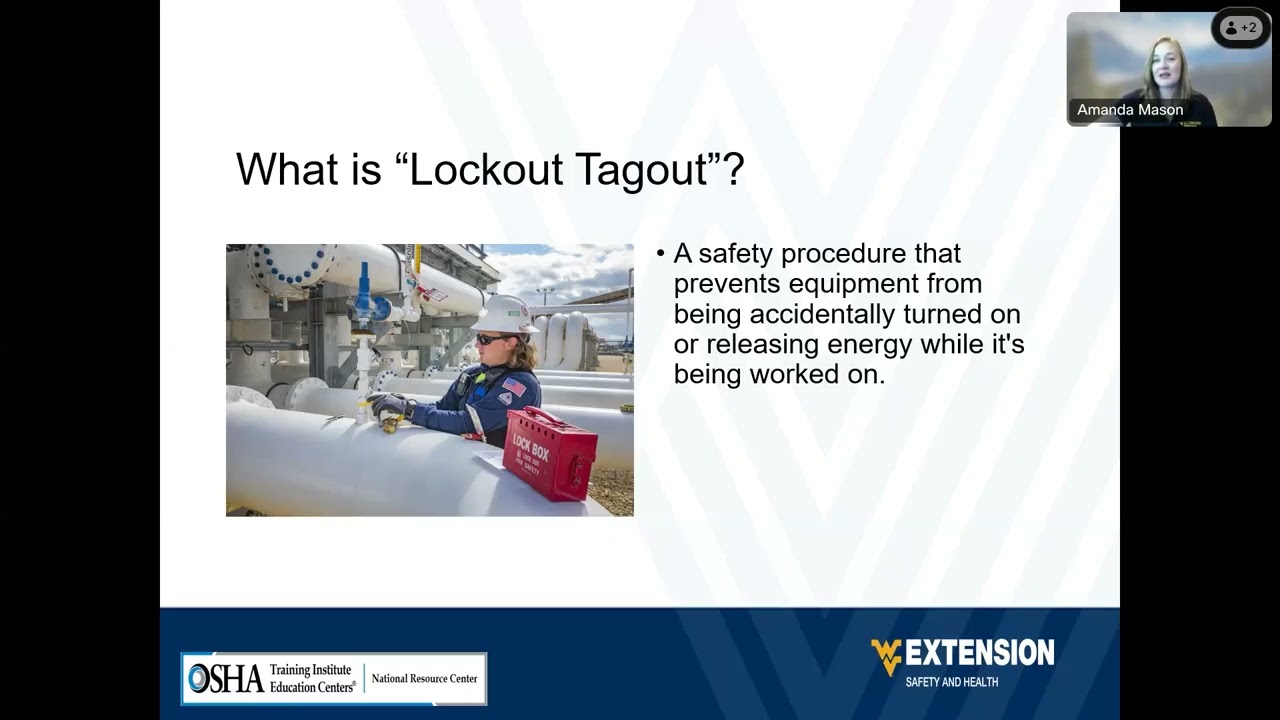
Further learning: Stand Up For Safety and Health – Lockout tagout — USDepartmentofLabor. Open on YouTube.
Send the supplier a marked-up assembly drawing, equipment identity, door reference, photographs, defect description and confirmed requirements. Ask whether the original hinge is still available and which associated items are required. Request a clear statement of any departure from the existing design, including a changed fixing method or additional bracket.
If the supplier recommends a substitute, ask for evidence that names the exact door assembly. A statement that a hinge is suitable for electrical cabinets is too broad. Where the original arrangement cannot be identified, the practical next step is an assembly assessment, not repeated purchases of similar-looking hardware.
Keep the final repair record useful for the next maintenance cycle. Record the approved part and revision, any frame repair, affected connected services, checks completed and release decision. Preserve the before-and-after photographs with the equipment reference. This creates evidence of a controlled repair rather than just a replacement-parts invoice.
Only if the responsible manufacturer or engineer establishes its suitability for the specific assembly. Matching holes and overall appearance do not confirm the load path, movement, closure or protective interfaces.
No. Damaged fixing points, a distorted door, frame movement or altered loading can produce similar symptoms. Identify the cause before deciding that a hinge-only replacement is sufficient.
That depends on its condition and the approved repair scope. The hinge task must identify whether the bonding arrangement is disturbed, but should not assume a strap is reusable or needs replacement without assessment.
No. Smooth movement is one observation. The required evidence for enclosure protection, closure and any affected electrical function comes from the approved assembly documentation and repair acceptance plan.