Shenheng Power Equipment Co., Ltd.
- Home
- Products
Products
Since 2001, Shenheng Power has been a trusted manufacturer of power transmission and distribution equipment, delivering reliable electrical solutions globally.
- Solutions
- News & Blog
- Service
- About Us
- Contact Us
Since 2001, Shenheng Power has been a trusted manufacturer of power transmission and distribution equipment, delivering reliable electrical solutions globally.
Selecting a low voltage switchgear ip rating is an enclosure and room-interface decision, not a brochure label exercise. The IP code tells you how the assembly was tested against solid objects and water under defined conditions. It does not replace fault studies, thermal design, cable-entry detailing, or corrosion assessments.
This guide helps EPC buyers and facility engineers lock an IP target for indoor plant rooms and similar LV distribution spaces, then write RFQ language vendors can answer with comparable drawings and test evidence.
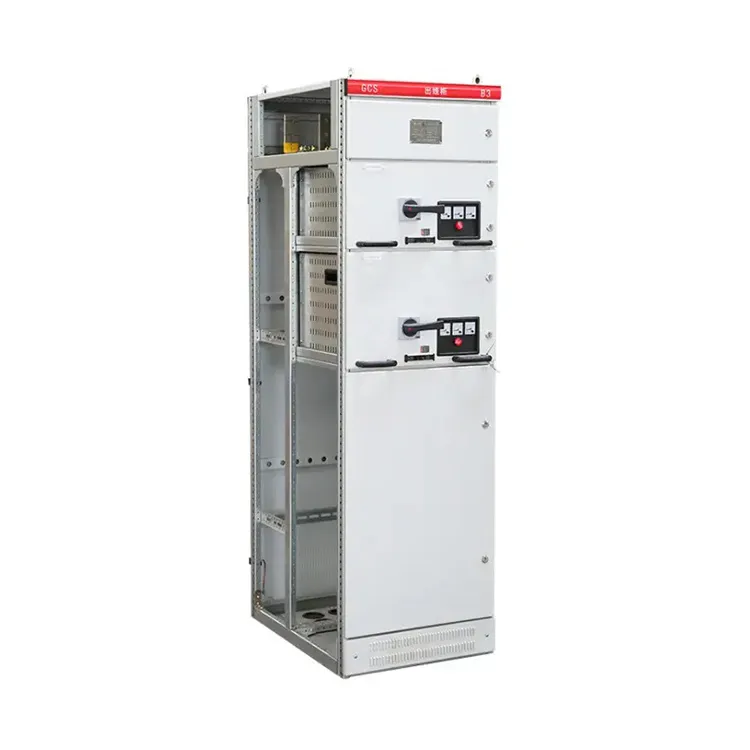
Dust, dripping water, hose exposure, and accidental contact all change how an LV assembly must be enclosed. When the IP target is vague, bidders fill the gap with different door seals, louvers, gland plates, and filter strategies—then the thermal and maintenance packages stop matching.
Write the enclosure requirement beside the single-line diagram, room classification, and cable-entry method. Cross-check public product scope on Shenheng Power and confirm final limits with the project electrical engineer.
Related cluster reading: Low Voltage Switchgear Fault Clearing Basics covers protection timing once the enclosure form is fixed.
IEC 60529 defines the IP code as two characteristic numerals: protection against solid objects (first) and against water (second). For LV switchgear procurement, treat that code as a test declaration for the enclosure configuration offered—not as a blanket site warranty.
| Spec input | Why it matters | Typical source |
|---|---|---|
| Target IP code | Sets door, louver, and gasket design | Room / environment sheet |
| Door and cover arrangement | Affects access and sealing continuity | GA drawing |
| Ventilation openings | Trade off cooling vs ingress | Thermal / HVAC note |
| Cable gland / floor entry | Local leak and dust paths | Civil + cable schedule |
| Filter or mesh details | Dust loading and maintenance interval | O&M preference |
| Test evidence requested | Makes bids comparable | RFQ appendix |
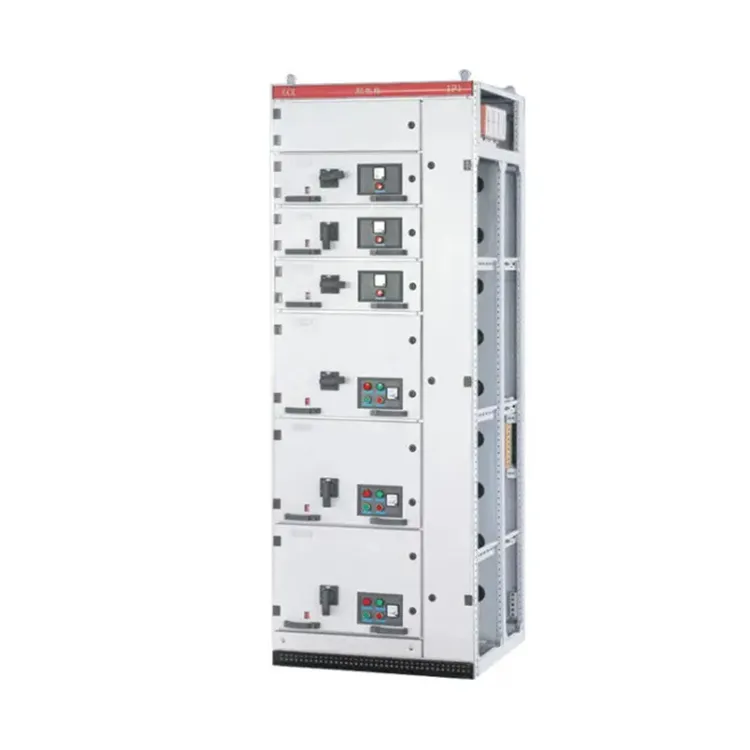
Ask vendors to state which enclosure variant, door set, and ventilation option the declared IP applies to. A rating stated without the matching outline drawing is not a controlled bid input.
Clean, conditioned electrical rooms often use lower water-ingress numerals because dripping and hose exposure are controlled. Workshops, coastal stores, outdoor kiosks, and washdown zones usually need a stricter water digit and more attention to door seals and gland plates.
Do not copy an outdoor kiosk IP target into an indoor MCC room without checking heat rejection. Conversely, do not assume an open-louver indoor design survives hose testing or outdoor rain exposure.
If your project compares fixed GGD-style layouts with withdrawable MNS-style layouts, enclosure sealing and drawer interface details may differ even when the catalog family looks similar. Use GGD vs MNS Low Voltage Switchgear Comparison for form-factor selection, then return here for the IP statement.
A tighter enclosure can reduce dust and water ingress while also reducing natural airflow. That may force larger heat sinks, forced ventilation, derating, or a different compartment layout. Buyers who demand “maximum IP” without thermal context often create late redesigns.
Record ambient temperature, altitude, expected dust loading, and whether filters can be maintained. If washdown is required, state the water exposure type (dripping, spraying, or hosing) instead of only writing a marketing adjective.
Protection coordination still sits on top of the enclosure decision. After IP and cooling are aligned, revisit Low Voltage Switchgear Protection Strategies for device and setting inputs.
| Document / item | Purpose | When to request |
|---|---|---|
| Declared IP code with enclosure option ID | Makes offers comparable | With every quotation |
| GA drawing showing louvers, doors, glands | Links IP claim to hardware | Design phase |
| Door gasket / filter description | Maintenance and spare planning | Before purchase order |
| Routine or type-test evidence for the offered form | Verifies the declared rating basis | Before purchase order |
| Cable-entry and earthing details | Prevents site-made leak paths | Before shipment |
| Commissioning checks for covers and filters | Confirms as-built sealing | Before energization |
Attach the same checklist to every bidder so “IP40” or “IP54” answers refer to the same drawing package.
For many industrial LV distribution scopes, Shenheng Power publishes a catalog starting point at GGD and MNS low voltage switchgear.
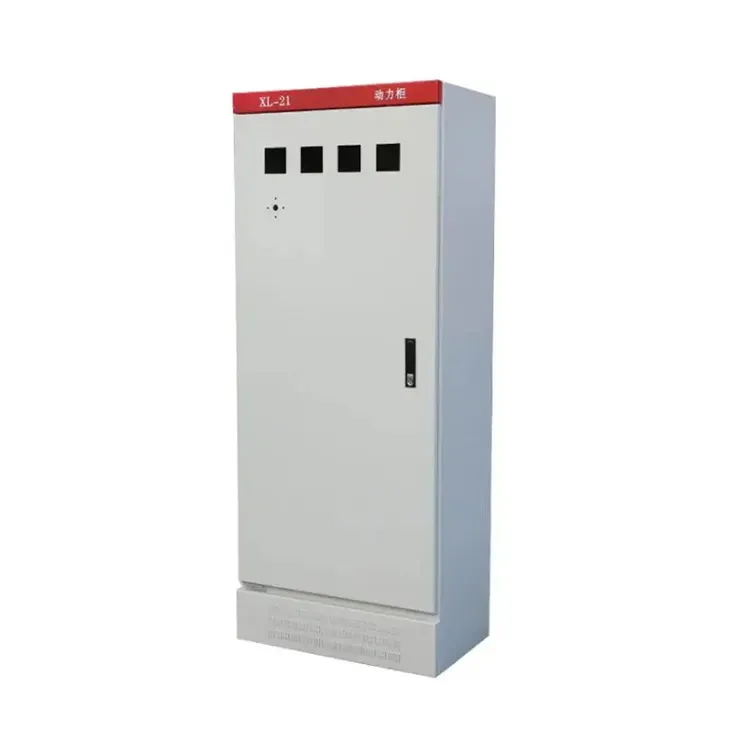
Fit boundary: Use this product page to begin form-factor and documentation review for typical indoor metal-enclosed LV assemblies. It is not a guarantee that every configuration ships at a named IP code, and it is not suitable as the sole basis for outdoor washdown, corrosive atmospheres, or hazardous-area claims without project-specific drawings and test evidence.
If the study points to a different assembly style or rating combination, review the broader low voltage switchgear category and send voltage, current, target IP, ambient conditions, and cable-entry method through Contact Shenheng Power.
It is a declared enclosure ingress-protection code under defined solid-object and water tests. Read it together with the matching outline drawing and ventilation option.
No. A higher water or dust digit can improve sealing while reducing airflow, changing thermal design, filter maintenance, or derating needs.
Indoor conditioned rooms often use lower water-ingress requirements than outdoor or washdown locations. Confirm the numeric target against the room classification instead of copying another project’s label.
Yes. Louvers, meshes, and filters that help cooling also create ingress paths, so IP and thermal packages must be reviewed together.
State the target IP code, ambient and dust/water conditions, door/ventilation preferences, cable-entry method, and the drawings or test evidence required with each bid.
No. Corrosion coatings, material selection, and hazardous-area certification are separate requirements and need their own evidence.