Shenheng Power Equipment Co., Ltd.
- Home
- Products
Products
Since 2001, Shenheng Power has been a trusted manufacturer of power transmission and distribution equipment, delivering reliable electrical solutions globally.
- Solutions
- News & Blog
- Service
- About Us
- Contact Us
Since 2001, Shenheng Power has been a trusted manufacturer of power transmission and distribution equipment, delivering reliable electrical solutions globally.
A 33kV VCB breaker specification review is a controlled buyer record. It connects the duty basis, panel interfaces, protection evidence, required documents, supplier clarifications, and the project owner who approves the enquiry.
For related context, read the 11kV breaker specification checklist and 33kV VCB panel installation and access planning.
Important: The applicable IEC context is IEC 62271-100: High-voltage alternating-current circuit-breakers. The approved system study and qualified engineering team, rather than this checklist, determine duty values, interfaces, tests, safeguards, and acceptance for the 33kV enquiry.
A 33kV VCB breaker specification checklist should begin with the controlled system basis, equipment role, voltage arrangement, duty information, protection responsibility, applicable documents, and decision owner. The voltage label alone is not a complete procurement specification.
Record the fields that affect the technical enquiry: system role, insulation and environment, operating sequence, interfaces, control supply, protection scheme, mechanical arrangement, testing, documents, and delivery constraints. Mark unknown fields as clarification items.
| Breaker specification baseline | Controlled record | Review purpose |
|---|---|---|
| Breaker role and location | Single-line diagram and panel schedule | Defines the requested equipment function |
| Duty and insulation basis | Approved study and specification | Identifies the technical enquiry limits |
| Control and protection interfaces | Wiring and protection records | Connects the breaker to the system |
| Change status | Issued design change record | Prevents an obsolete drawing from governing work |
| ## Part 3. Tie each specification field to evidence |
A useful buyer record names the drawing, study, specification, schedule, or project owner supporting each field. This prevents a catalogue description from becoming an unapproved rating, breaking duty, short-time value, setting, or compliance claim.
Coordinate the breaker with the switchgear panel, busbar and cable connections, CT or protection interfaces, interlocks, local and remote controls, earthing, access, and maintenance boundaries shown in the approved design.
Send the controlled drawings, duty basis, environment, interfaces, required tests and documents, quantity, schedule, and open questions. Do not ask a supplier to infer a final configuration from 33kV and VCB alone.
| VCB procurement input | Why it is needed | Responsible source |
|---|---|---|
| Breaker duty basis | Defines the procurement role | Electrical design lead |
| Site and interface context | Identifies installation constraints | Project engineer |
| Evidence and open decision | Defines the technical clarification | Commissioning lead |
| Open switching decision and schedule | Frames ownership and response timing | Project authority |
| ## Part 6. Use the KYN28 page as catalogue context |
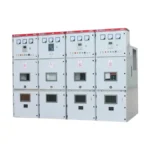
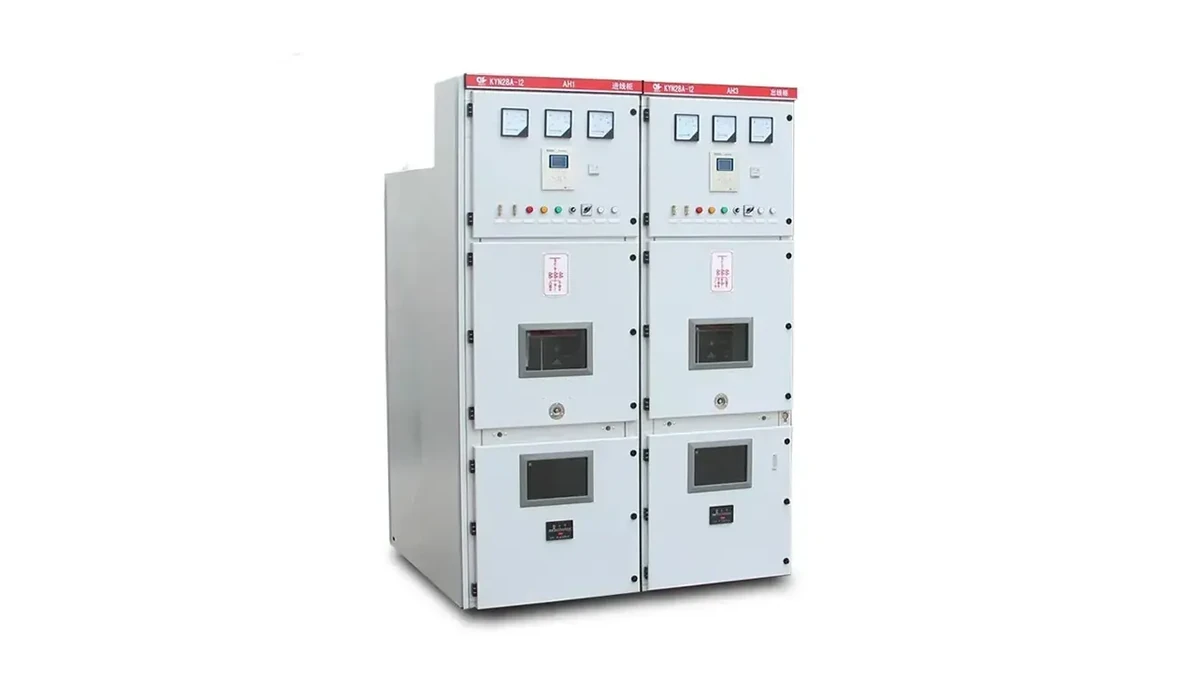
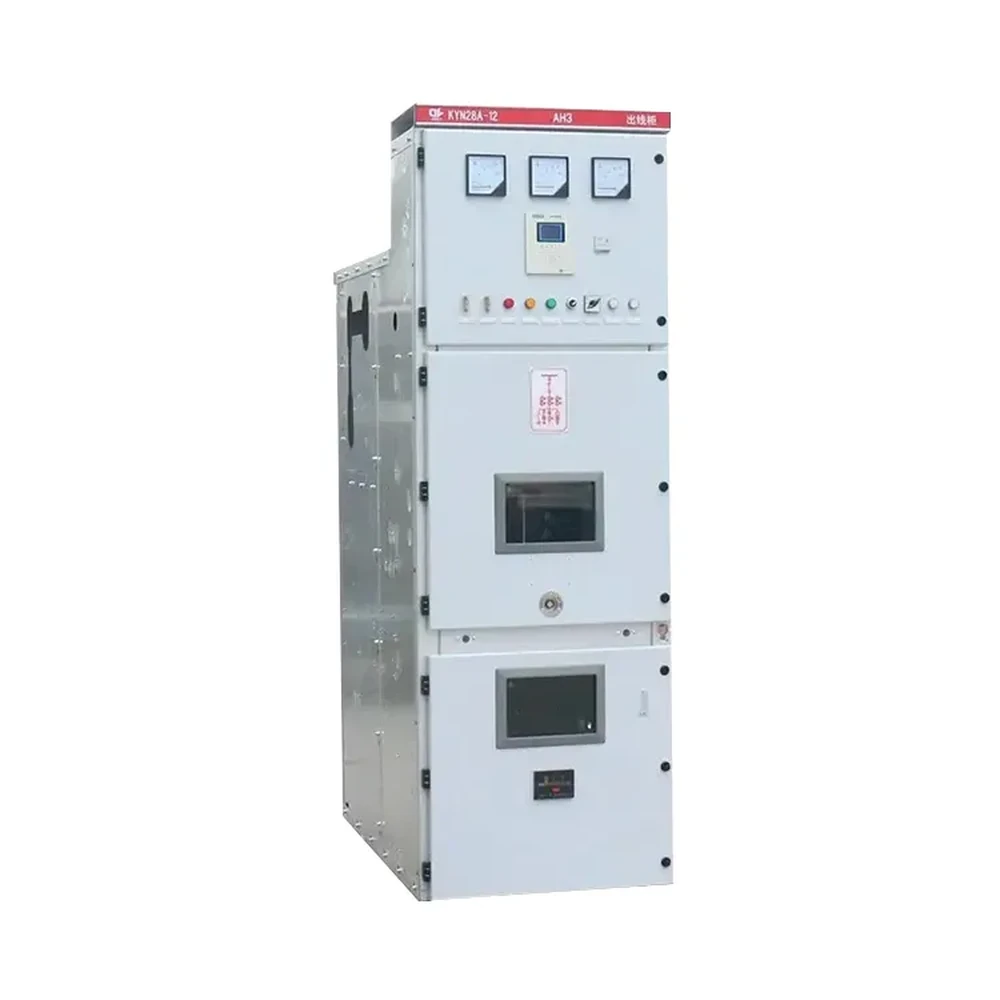
Shenheng Power lists a KYN28-12 medium voltage switchgear system for catalogue discussion. It is not evidence that a 33kV VCB configuration, rating, protection scheme, test value, certification, or project acceptance is available.
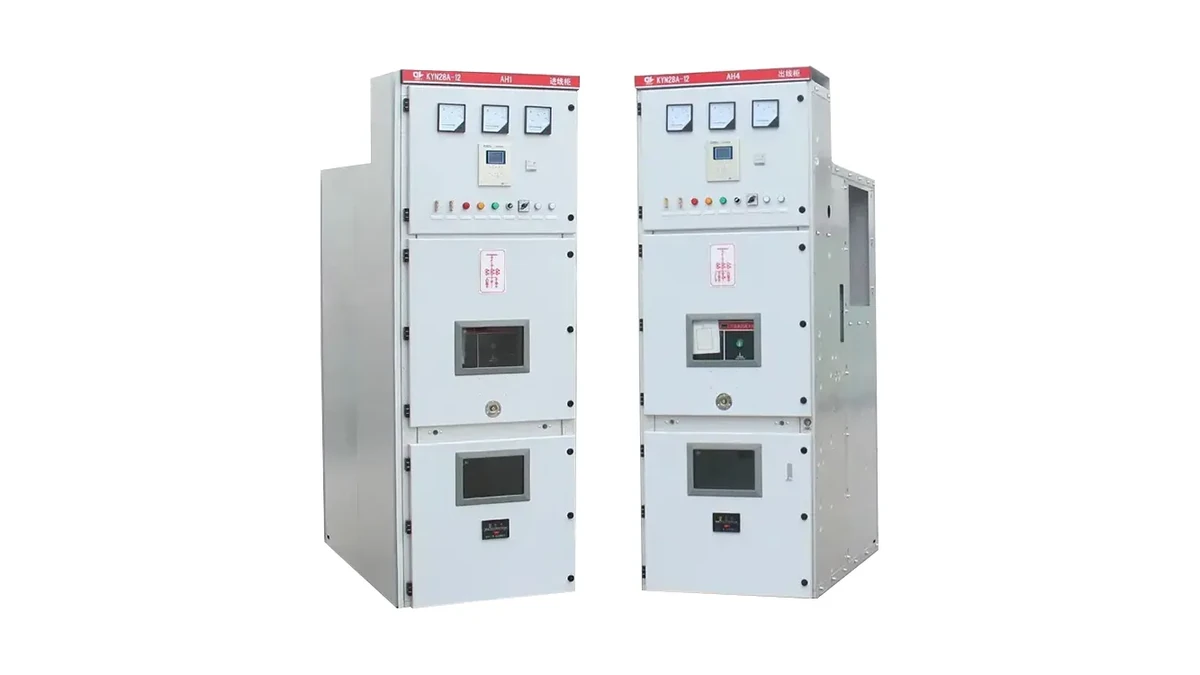
Catalogue fit note: the KYN28-12 medium voltage switchgear system can frame a supplier discussion; confirm the 33kV breaker requirement from the approved record.
Keep the issued specification, supplier clarifications, deviation schedule, approved selection, drawings, test requirements, and open actions together for procurement and later engineering review.
For the next engineering step, contact Shenheng Power with the current drawings, equipment role, site or circuit inputs, interfaces, available evidence, document requirements, and questions requiring confirmation for this 33kv vcb breaker review.
Include system role, voltage and duty basis, insulation and environment, operating sequence, protection and control interfaces, mechanical arrangement, tests, documents, quantity, schedule, and open questions.
No. The project must also confirm system duty, insulation, fault and protection basis, control supply, interfaces, environment, tests, documents, and acceptance authority.
No. A catalogue page provides product-family context; the exact model, rating, availability, and project fit require approved project and supplier evidence.
An evidence source shows which requirements are controlled, exposes missing information, and gives buyers and suppliers a shared basis for clarification.
Panel and busbar arrangement, cable connections, CT and protection interfaces, interlocks, controls, earthing, access, maintenance boundaries, and the approved operating sequence can change it.
Request clarification when a duty or interface is open, documents conflict, the required configuration is uncertain, or a supplier response cannot be checked against the approved basis.