Kể từ năm 2001, Shenheng Power đã là nhà sản xuất thiết bị truyền tải và phân phối điện đáng tin cậy, cung cấp các giải pháp điện năng đáng tin cậy trên toàn cầu.
Được hỗ trợ bởi hệ thống hậu mãi toàn diện, chúng tôi cung cấp dịch vụ tư vấn kỹ thuật chuyên gia, hướng dẫn sản phẩm và các dịch vụ OEM & ODM linh hoạt cho các dự án của bạn.
Kể từ năm 2001, Shenheng Power đã là nhà sản xuất thiết bị truyền tải và phân phối điện đáng tin cậy, cung cấp các giải pháp điện năng đáng tin cậy trên toàn cầu.
Danh sách kiểm tra đánh giá hệ thống thoát nước mái trạm biến áp hợp bộ: Rà soát nguy cơ nước xâm nhập
Thời gian phát hành: 2026-11-11
Compact substation roof drainage should direct rain away from the enclosure’s vulnerable interfaces without obstructing the equipment’s ventilation, access or approved construction. When water ingress is suspected, identify the actual path before adding sealant, drilling holes or fitting a gutter. Review roof condition, joints, runoff at doors, surrounding ground levels and other openings as separate boundaries. Ask the manufacturer and responsible site engineer to define safe inspection, the repair scope and acceptance evidence. A visible wet patch inside the enclosure does not by itself prove that the roof is the source.
This guide supports maintenance planning and defect reporting. It is not permission to climb onto a substation, open energized compartments or carry out an improvised water test. The actual inspection needs authorized access and equipment-specific precautions.
Separate rainfall entry from condensation and other water paths
Begin with observations: where moisture appeared, when it was first noticed, recent weather and whether the condition changes with rain. Keep facts distinct from conclusions. Water at the base might come from a cable route or site drainage; moisture on internal surfaces might involve condensation. These require different investigations.
Record the enclosure identity, affected compartment and location of each observation. Photographs should show enough context for a reviewer to understand where the mark lies. Avoid a close-up that removes the relationship to roof joints, doors and nearby openings.
Đối với một Trạm biến áp ngoài trời nhỏ gọn, the supplied roof and enclosure design are the starting point. Do not infer a drainage feature or permissible roof loading from its photograph. Obtain the drawings and maintenance instructions for the actual unit and site arrangement.
Inspect from an authorized safe position
Plan who may enter the area, how close they can approach and what equipment is needed to observe the roof. An apparently simple external inspection can introduce electrical, access or work-at-height hazards. Do not climb onto the enclosure to obtain a better photograph without an approved method.
Các Electricity North West substation condition-capture document distinguishes roof, ceiling, rainwater goods and cable-trench observations in its own inspection system. It also restricts roof access for those checks. Use it as a utility example, not as a universal procedure or authorization for a different installation.
Ask the asset operator to approve the actual inspection boundary. If internal observations are required, the electrical access arrangements must be defined before a door is opened. A maintenance report should say which areas were inspected and which remained inaccessible.
Follow the water path across interfaces
Where safe and permitted, review the roof surface, its joints and edges, any approved rainwater fittings and the direction of runoff. Look for damage, separation, corrosion, debris or evidence that water is being directed toward a door or opening. Record the observation without assuming a particular repair.
Consider the enclosure as part of its installed environment. Nearby structures, roof runoff from another building, paving changes or vegetation may alter exposure after the substation was commissioned. An equipment repair may not resolve a site-level source of water.
Review boundary
Bằng chứng để ghi lại
Question for the responsible reviewer
Roof surface
Location of damage, corrosion or debris
Is the roof construction intact?
Roof joints and edges
Visible discontinuity and runoff direction
Where can rain cross the intended boundary?
Doors below runoff
Staining, closure condition and water path
Is water being directed toward the door perimeter?
Approved rainwater fittings
Damage or blockage where fitted
Does the original drainage arrangement remain functional?
Ground and base
Ponding and nearby level changes
Is the enclosure exposed from below instead?
Cable routes
Water evidence at entries and trenches
Is the roof being blamed for another entry path?
Internal observations
Exact compartment and location, if access authorized
Does the evidence support the suspected route?
This table organizes observations. It does not specify a roof slope, gutter size, water-test pressure or acceptance limit.
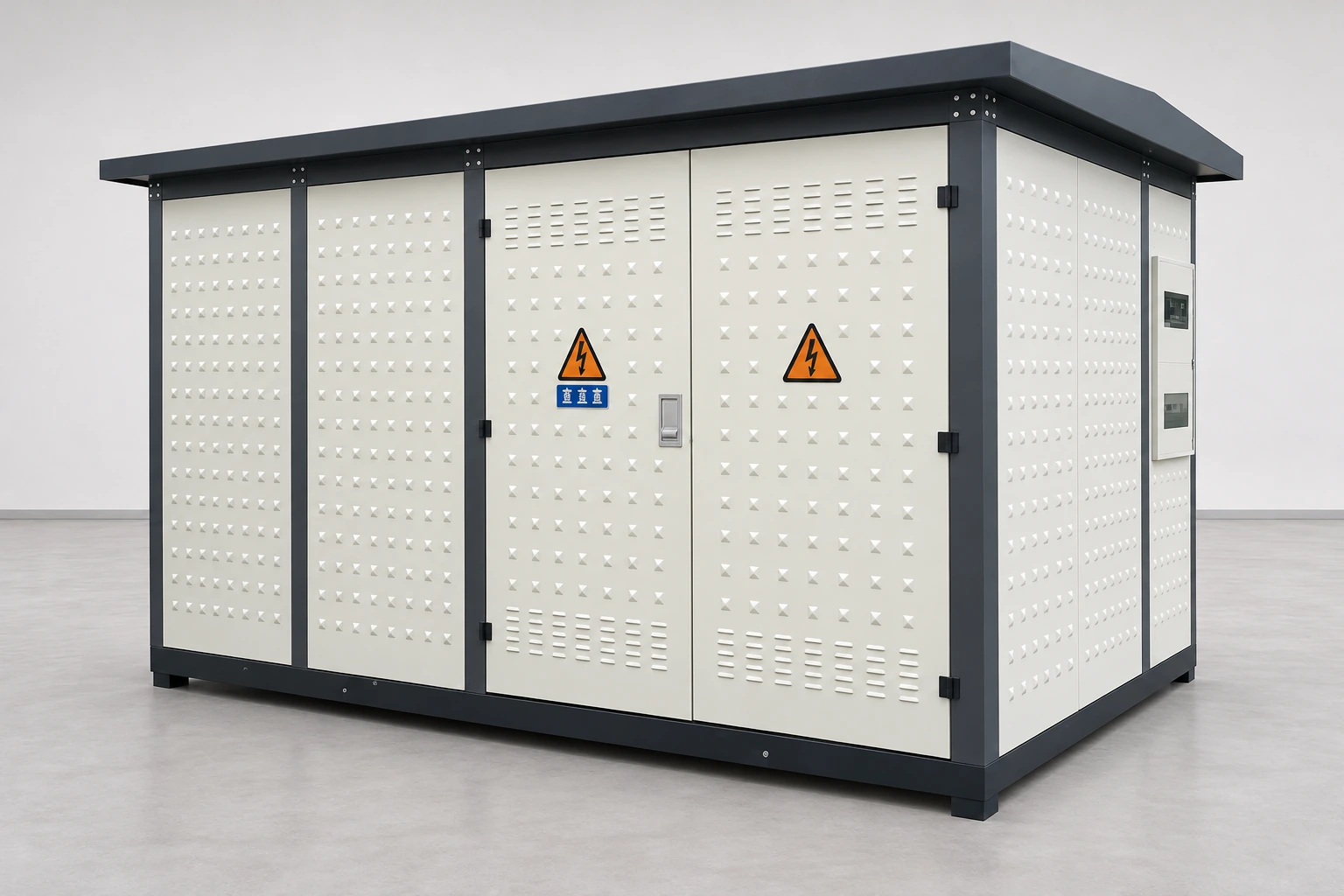
Hình minh họa tham khảo sản phẩm được xây dựng dựa trên hình ảnh sản phẩm Shenheng; đây không phải là hồ sơ bảo trì, thử nghiệm hoặc ghi nhận thực tế tại cơ sở khách hàng.
Check the door interface without treating every problem as a gasket failure
Runoff can expose a door perimeter to water even when the original seal is not the only defect. Review the intended relationship between roof edges, door frame and closure. Ask the manufacturer whether the observed runoff matches the supplied design or suggests damage or installation changes.
cURL Too many subrequests by single Worker invocation. To configure this limit, refer to https://developers.cloudflare.com/workers/wrangler/configuration/#limits.
cURL Too many subrequests by single Worker invocation. To configure this limit, refer to https://developers.cloudflare.com/workers/wrangler/configuration/#limits
cURL Too many subrequests by single Worker invocation. To configure this limit, refer to https://developers.cloudflare.com/workers/wrangler/configuration/#limits compact substation foundation guide cURL Too many subrequests by single Worker invocation. To configure this limit, refer to https://developers.cloudflare.com/workers/wrangler/configuration/#limits.
cURL Too many subrequests by single Worker invocation. To configure this limit, refer to https://developers.cloudflare.com/workers/wrangler/configuration/#limits.
Avoid alterations that compromise the enclosure
Adding gutters, changing roof panels or drilling openings can affect corrosion protection, enclosure strength, ventilation, access or other approved features. Ask the manufacturer to review the proposed repair and identify any revised drawings or tests. A contractor’s standard building detail is not automatically suitable for electrical equipment.
IEC 60529 concerns the classification of enclosure protection. A site-applied product described as waterproof does not independently establish the repaired substation’s IP performance. Acceptance needs a basis appropriate to the complete arrangement and the scope of the change.
Do not block ventilation openings to make the enclosure appear more weather-tight. Cooling and enclosure protection must be considered together. If a repair proposal affects either, the responsible engineer should review the consequences before work is authorized.
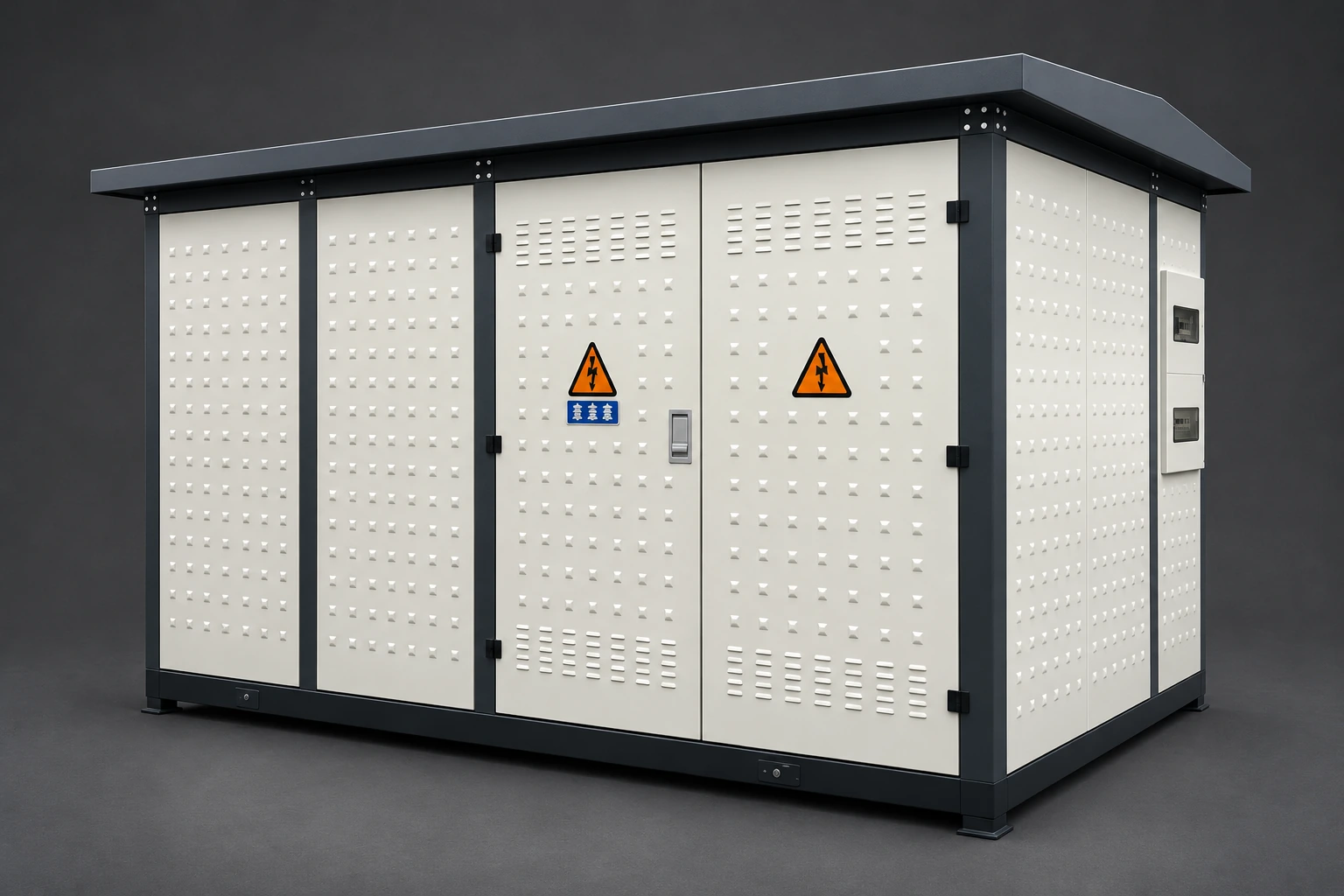
Hình minh họa tham khảo sản phẩm được xây dựng dựa trên hình ảnh sản phẩm Shenheng; đây không phải là hồ sơ bảo trì, thử nghiệm hoặc ghi nhận thực tế tại cơ sở khách hàng.
Prepare a useful manufacturer or contractor request
Provide the substation identity, roof drawing where available, photographs, observed water locations, weather context and any installation changes. State which areas were inaccessible and which conclusions remain uncertain. Ask the supplier to identify whether further inspection is needed before quoting a permanent repair.
Request an itemized scope covering the suspected source, supporting surfaces, approved materials and final acceptance. Make exclusions visible, especially electrical isolation, internal inspection, civil drainage work or replacement of damaged enclosure parts. A roof-only quotation may not address the actual entry path.
If temporary measures are proposed, request their approval, limitations and review date. They should not obstruct ventilation, access, security or drainage. Record the permanent work still required so a temporary response does not disappear into the maintenance history as a completed repair.
Verify the result against the original problem
Agree the final checks before work starts. The package should establish which repaired interfaces are inspected, whether additional testing is required and how later observations will be recorded. Any water test needs a specifically approved safe method; this article does not supply one.
Retain the final material and component identities, drawings, repair photographs and acceptance records. If the evidence does not confirm the original source, keep the uncertainty visible. A dry inspection on a rain-free day does not necessarily resolve a recurring rainfall-related complaint.
Sử dụng prefabricated substation overview for broader equipment context. Good defect records help the owner choose between a localized enclosure repair, a civil drainage correction and further investigation. They also avoid ordering unrelated work simply because all three conditions involve water.
Safety background for maintenance access
The following US Department of Labor video explains hazardous energy control. It is relevant general background for planning authorized internal observations or repairs near an electrical asset. It does not demonstrate roof inspection, authorize climbing or establish a safe water-testing method.
Học thêm: Đứng Vững Vì An Toàn và Sức Khỏe – Khóa an toàn/phân biệt — Bộ Lao động và Thương binh xã hội. Mở trên YouTube.
Các câu hỏi thường gặp
Có phải sự xuất hiện của nước bên trong trạm biến áp hợp bộ chứng minh rằng mái bị dột không?
Không. Nước có thể xâm nhập qua các ranh giới khác, và hiện tượng ngưng tụ có thể tạo ra kiểu phân bố độ ẩm khác. Hãy ghi nhận vị trí, thời điểm, điều kiện thời tiết và các bằng chứng xung quanh, sau đó yêu cầu đội ngũ chịu trách nhiệm kiểm tra đường xâm nhập thay vì mặc định nguyên nhân là do mái.
Tôi có thể lắp thêm máng thoát nước để ngăn nước chảy đến các cửa ra vào không?
Chỉ thực hiện khi đã có đánh giá được phê duyệt đối với vỏ trạm và hệ thống lắp đặt thực tế. Việc lắp đặt máng xối hoặc thay đổi kết cấu mái có thể ảnh hưởng đến khả năng tiếp cận, ăn mòn, thoát nước và các đặc tính thiết kế khác. Hãy yêu cầu nhà sản xuất và kỹ sư tại công trường xác định phương án sửa chữa phù hợp cũng như các tài liệu, bằng chứng cần thiết để nghiệm thu.
Có nên bịt kín các lỗ thông gió để ngăn nước mưa lọt vào không?
Không thực hiện thay đổi đó nếu chưa được bộ phận kỹ thuật phê duyệt. Hệ thống thông gió là một phần trong cấu hình vận hành của thiết bị, và việc cản trở luồng thông gió có thể gây ra một vấn đề khác. Công tác sửa chữa phải đồng thời xem xét khả năng chống chịu thời tiết và các yêu cầu làm mát của máy biến áp.
How should a recurring water-ingress complaint be closed?
Hãy kết thúc việc xử lý dựa trên các bằng chứng đã xác định rõ, bao gồm nguồn thấm nước đã được xác định, phương án sửa chữa đã được phê duyệt và các hạng mục kiểm tra đã được thống nhất. Cần thể hiện rõ những hạn chế chưa được khắc phục và thực hiện kế hoạch giám sát đã được phê duyệt nếu cần thiết. Việc phủ thêm một lớp chất trám kín hoặc chỉ cung cấp một bức ảnh cho thấy bề mặt khô ráo không đủ để giải thích đầy đủ kết quả xử lý.
Shenheng Electric Power cam kết trở thành công ty dẫn đầu toàn cầu về các giải pháp thiết bị điện, giúp khách hàng đạt được quản lý điện năng an toàn, hiệu quả và bền vững.

 Công ty TNHH Thiết bị Điện Thâm Hằng.