
 Shenheng Elektrik Ekipmanları Ticaret Limited Şirketi.



transformer tap changer types requires a clear engineering boundary before it can support a purchase, inspection or commissioning decision. Transformer tap changer types are selected by the voltage-regulation duty, switching frequency, load condition, fault environment, maintenance capability and transformer construction. An off-circuit tap link is suitable for a planned de-energized adjustment, while an on-load tap changer can change ratio during service through a diverter and selector arrangement. The choice must match the control philosophy and the complete transformer design, not only the desired voltage range.
Off-circuit and on-load duties
An off-circuit or de-energized tap changer is operated only when the transformer is isolated and safely discharged under the approved procedure. An on-load tap changer is designed for ratio changes while carrying load and therefore includes switching, transition and control components.
Confirm the nameplate range, step positions, operating state and interlocks. Do not move an off-circuit link on an energized transformer, and do not assume an on-load mechanism can be operated without its controller, motor supply and protection.
Selector, diverter and transition parts
On-load designs use a selector to choose the tap and a diverter or switching element to transfer current with controlled transition. The exact resistor, reactor, vacuum or oil technology depends on the manufacturer.
Request the tap-changer diagram, sequence, rated through-current, motor duty, contact inspection method and transition evidence. Avoid mixing a controller, diverter or position transmitter from another design without engineering approval.
Match the voltage-regulation objective
The tap range should address expected source variation, feeder voltage drop, load profile and the required secondary voltage. A wider range can affect insulation coordination, short-circuit impedance, control complexity and mechanical travel.
Use the network voltage study and transformer ratio calculation to define the normal position, limits, blocking logic and alarm thresholds. Keep the regulation target and permissible deadband in the approved control philosophy.
Control, indication and remote operation
A motorized tap changer needs control power, local and remote modes, position feedback, raise or lower commands, limit switches, counter, alarm and a safe response to a failed motor or controller.
Test command, permissive, travel, position, timeout, limit, manual override and remote indication. Confirm that a stale position cannot be presented as a healthy value. Keep local operation and mechanical indication available for maintenance.
Maintenance and oil or vacuum condition
Tap contacts, diverter compartments, oil condition, transition resistors, vacuum bottles, linkages and seals have different maintenance needs. Operating count and fault history should guide inspection.
Request the manufacturer interval, test method, oil or vacuum checks and spare strategy. Investigate arcing signs, abnormal sound, slow travel or position disagreement before returning the transformer to service.
Specify and verify the purchase
A procurement matrix should include tap type, positions, range, rated through-current, control voltage, motor duty, position indication, regulation controller, alarms, tests, maintenance and environmental limits.
Mark each item confirmed, excluded or requiring clarification. Verify the delivered nameplate, wiring, position, controller settings and as-built drawing against the approved design.
Classify tap changers by duty and construction
Use two levels of classification when comparing tap changers. The first is operating duty: de-energized or on-load. The second is the actual mechanical and switching construction used to perform that duty. A rotary handle, a linear selector or a motor-drive cabinet is a visible feature, but its appearance is not sufficient to determine whether energized switching is permitted. Identify the mechanism from the supplied type designation and operating manual. Never operate a de-energized tap changer merely because the transformer is carrying no load; the approved de-energization and isolation requirements still apply.
For an on-load design, distinguish the selection function from the transition function. Different constructions may combine or separate those functions, and may use resistance or reactance arrangements to manage the transition. Oil and vacuum switching technologies also have different inspection and maintenance requirements. These categories describe design approaches rather than a universal quality ranking. Compare them against the specified current, switching duty, operating frequency, service access and manufacturer’s instructions. A technology label cannot replace evidence that the exact unit is suitable for the transformer and its regulation task.
The drive and control package forms another part of the comparison. Confirm local operation, remote operation, position indication, limit handling, alarms and the relationship with any automatic voltage controller. Establish how an interrupted operation or failed position indication is handled by the supplied design. Do not infer that the transformer tap position is known merely because a remote command was sent. The recorded position should come from the appropriate feedback and be interpreted according to the manufacturer’s scheme. Any parallel-transformer control arrangement needs its own approved coordination method.
A practical purchase schedule therefore separates operating duty, mechanism type, transition technology, tap range, step size, drive, indication, control and maintenance provisions. Ask the supplier to complete those fields for the offered equipment and identify the relevant drawings and manuals. Retain the actual type information in the asset register so later maintenance does not use instructions for a superficially similar mechanism. Final selection should reflect voltage-regulation needs and the site’s ability to maintain the equipment, rather than choosing from a list of tap-changer names without their operating context.
Standartları ve üretici kanıtlarını birlikte kullanın
Standartlar çerçeveyi, test kavramlarını ve terminolojiyi tanımlarken, üretici belgeleri ise tedarik edilen ekipmanın doğrulanmış yapısal ve işletme sınırlarını belirler. Bir standart bağlantı, doğrulanmamış bir değişikliğin kabul edilebilirliğini kanıtlayamazken, bir broşür de proje spesifikasyonunu veya güvenlik kurallarını değiştiremez.
Alım için standart sürüm, tasarım doğrulama veya tip test kapsamı, rutin test kayıtları, montaj sınırları ve herhangi bir yükseklik veya ortam düzeltmesi isteyin. Kanıtları varlık kaydına ekleyin. Bir sonuç tartışılırsa, sayıları karşılaştırmadan önce tanımları, test koşullarını ve sınırları karşılaştırın.
Kurulum ve devreye alma planı
Kurulum kalitesi, ses tasarımının saha performansında kalıp kalıp olup olmamasına karar veren önemli bir faktördür. Güçlendirme öncesinde temellerin, erişim yollarının, kaldırma işlemlerinin, boşlukların, havalandırmanın, kablo büküm yarıçapının, topraklama işleminin, etiketlerin ve kontrol arayüzlerinin uygunluğunu doğrulayın. Onaylı yöntem bildirimi ve izin sistemini kullanın. Sade bir kabin, her bağlantının, kilitlemenin veya sensörün doğru şekilde bağlandığının kanıtı değildir.
Kurulum, doküman kontrollerinden görsel incelemeye, mekanik çalışmaya, elektrik bağlantılarına, fonksiyonel mantığa, koruma veya kontrol testlerine ve son olarak restore edilmeye geçmelidir. Test veya inceleme sırasında bir tehlike ortaya çıkarsa, cihazın kimliğini, ayarları, ham değerleri, istisnaları ve incelemeyi yapan kişiyi kaydetmek. Test veya inceleme sırasında cihazın izole edilmesini sağlamak.
Kontrol değişiklikleri ve devir
Kablo hattı yönlendirmesi, röle ayarı, musluk konumu, soğutma yolu veya topraklama bağlantısı gibi değişiklikler orijinal tasarım esasını değiştirebilir. Kontrollü bir değişim süreci için bir sahibi, teknik inceleme, çizim revizyonu ve kabul belgesi kullanın. Geçiş öncesi geçici test düzenlemeleri kaldırılarak ya da açıkça işaretlenmelidir.
Son pakette as-built çizimler, test formları, onaylı ayarlar, ekipman tanımları, bakım talimatları, sapmalar ve eğitim kayıtları yer almalıdır. Bir gelecekteki operatör, kararı hafızaya veya etiketlenmemiş bir fotoğrafa bel bağlamadan yeniden oluşturabilmelidir.
Güvenlik bilgisi
Elektrikli ekipmanlar enerji depolayabilir ve birden fazla kaynaktan beslenebilir. Bu makale bir anahtarlama talimatı değildir. Yetkili personel yerel yönetmelikleri, izolasyon, voltaj yoklama, topraklama ve denetim gerekliliklerini takip etmelidir. Enerjili bir bölüme ulaşmak veya kilidi bozmak suretiyle ölçüm yapmamak.
Bir test başarısız olursa, muhafaza hasar görür, anormal ses veya akım görülür veya gerçek konfigürasyon belirsizse varlığı güvenli bir durumda tutun ve sorumlu mühendisle iletişime geçin. Teşhis yapılmadan tekrarlanan çalıştırma hasarı ve riskleri artırabilir.
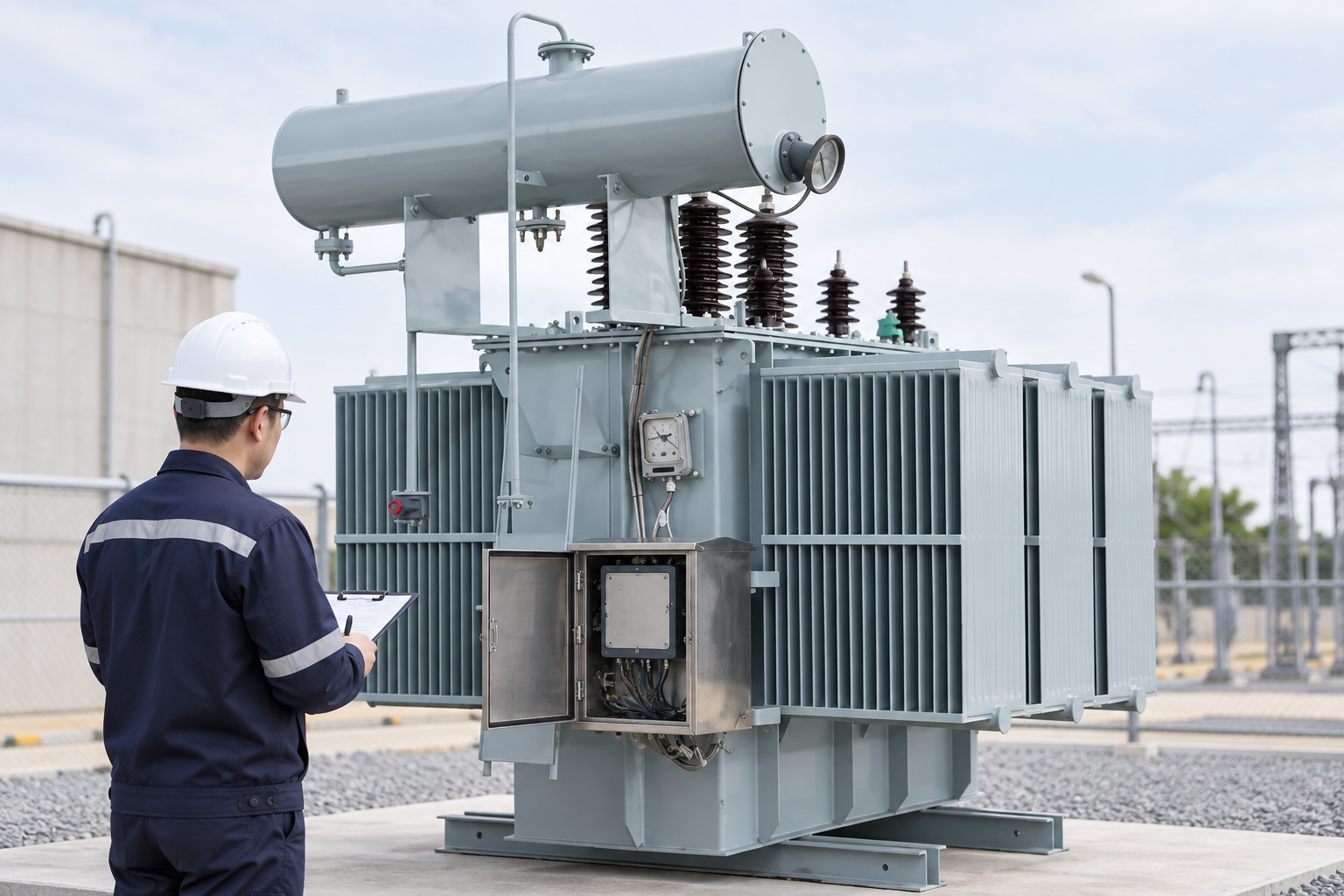
Bir projede sonucu nasıl kullanabiliriz?
Serbest bırakılan tasarım ve nihai ekipman kimliği ile başlayın. Çalışma durumu, ölçüm noktası, çevre koşulları ve kanıtın desteklemesi gereken karar hususlarını not alın. Ardından kaydı geçerli standart, üretici talimatı ve proje kabul planıyla karşılaştırın. Bir ön koşul eksikse, boşluğu genel bir değerle doldurmak yerine ögeyi açık tutun. Bu, tedarik, devreye alma ve işletme ekiplerine aynı referans noktası sunar.
Bir tedarikçiyle ilgili bir soruşturma için, hesaplama esaslarını, doğrulanan düzenlemeleri, limitleri, test kayıtlarını ve sapmaları öğrenin. Şantiye çalışmaları için ise kişi, cihaz, tarih, izolasyon sınırları ve restorasyon kontrolünü not alın. Bir sonraki adımı onaylamak için gerekli olan tek bilgiyi gizleyen uzun bir rapordan daha kısa bir not daha yararlıdır.
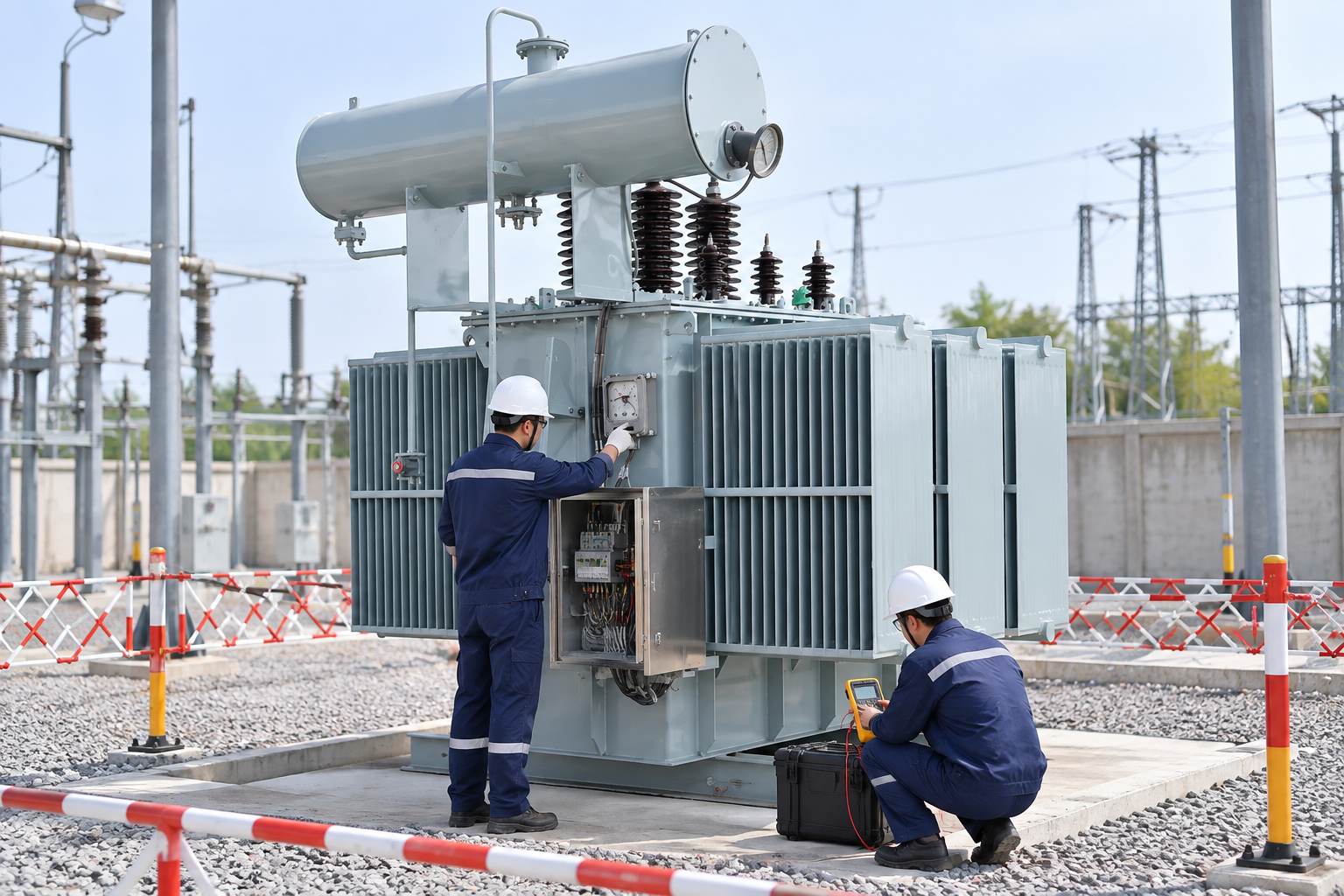
| Kontrol edin | Kanıtlar | Karar kullanım |
|---|---|---|
| Tanım | Sınır, ekipman kimliği ve çalışma durumu | Farklı ekiplerin farklı miktarları karşılaştırmasını engeller. |
| Design temeli | Değerlendirmeler, çevre ve görev varsayımları | Cevabı gerçek kurulumla ilişkilendirir. |
| Onaylama | Onaylı yöntem, araç, ham sonuç ve kabul kriterleri | Denetlenebilir bir kayıt oluşturur. |
| Denetim kontrolü | Değişiklik, gözden geçirme sahibi ve as-built revizyon | Gizli alan değişikliklerinin risk oluşturmasına engel olur. |
| Devir teslim | Ayarlar, testler, fotoğraflar, bakım ve istisnalar | Güvenli gelecekteki çalışmayı destekler. |
İlgili ürün ve mühendislik kılavuzları
Shenheng ürün bağlamı için bkz. ilgili ürün sayfası. Genel konuya ilişkin daha detaylı bilgi için okuyun Ana mühendis kılavuzu. İlgili okuma: ilk ilgili rehber ve İkinci ilgili rehber.
Kaynaklar ve standartlar
IEC 60214-1: Tap-changer performance requirements and tests · IEC/IEEE 60214-2: Tap-changer application guidelines
Sistem bağlamı için video
Bu tarafsız Practical Engineering anlatımı, trafo merkezleri, transformatörler ve devre elemanları hakkında bilgi sunuyor. Bu anlatım, devre kesme veya test talimatı değil, eğitimsel bir bağlam sunuyor.

Sık sorulan sorular
İlk adım nedir?
Define the exact transformer tap changer types boundary, equipment identity and operating state before comparing a value or feature.
Bir katalog sayfası proje mühendisliğini değiştirebilir mi?
Hayır. Bağlantılı ürün sayfası ilgili Shenheng ekipman ailesini belirtir. Teslim edilen model, aksesuarlar, standartlar ve proje kabul planı nihai kararı belirler.
Ne tür kanıtlar saklanmalı?
Onaylanmış çizimi, hesaplamayı veya test yöntemini, ham ölçümleri, fotoğrafları, cihaz detaylarını, sapmaları, ayarları ve son haliyle inşa edilen ölçüleri saklayın.
Bu yazı canlı çalışmayı onaylıyor mu?
Hayır. Yetkili personel, site elektrik güvenliği programını, izolasyon ve üretici talimatlarını takip etmelidir.




