
 PT Shenheng Power Equipment Co., Ltd.



transformer tap changer types requires a clear engineering boundary before it can support a purchase, inspection or commissioning decision. Transformer tap changer types are selected by the voltage-regulation duty, switching frequency, load condition, fault environment, maintenance capability and transformer construction. An off-circuit tap link is suitable for a planned de-energized adjustment, while an on-load tap changer can change ratio during service through a diverter and selector arrangement. The choice must match the control philosophy and the complete transformer design, not only the desired voltage range.
Off-circuit and on-load duties
An off-circuit or de-energized tap changer is operated only when the transformer is isolated and safely discharged under the approved procedure. An on-load tap changer is designed for ratio changes while carrying load and therefore includes switching, transition and control components.
Confirm the nameplate range, step positions, operating state and interlocks. Do not move an off-circuit link on an energized transformer, and do not assume an on-load mechanism can be operated without its controller, motor supply and protection.
Selector, diverter and transition parts
On-load designs use a selector to choose the tap and a diverter or switching element to transfer current with controlled transition. The exact resistor, reactor, vacuum or oil technology depends on the manufacturer.
Request the tap-changer diagram, sequence, rated through-current, motor duty, contact inspection method and transition evidence. Avoid mixing a controller, diverter or position transmitter from another design without engineering approval.
Match the voltage-regulation objective
The tap range should address expected source variation, feeder voltage drop, load profile and the required secondary voltage. A wider range can affect insulation coordination, short-circuit impedance, control complexity and mechanical travel.
Use the network voltage study and transformer ratio calculation to define the normal position, limits, blocking logic and alarm thresholds. Keep the regulation target and permissible deadband in the approved control philosophy.
Control, indication and remote operation
A motorized tap changer needs control power, local and remote modes, position feedback, raise or lower commands, limit switches, counter, alarm and a safe response to a failed motor or controller.
Test command, permissive, travel, position, timeout, limit, manual override and remote indication. Confirm that a stale position cannot be presented as a healthy value. Keep local operation and mechanical indication available for maintenance.
Maintenance and oil or vacuum condition
Tap contacts, diverter compartments, oil condition, transition resistors, vacuum bottles, linkages and seals have different maintenance needs. Operating count and fault history should guide inspection.
Request the manufacturer interval, test method, oil or vacuum checks and spare strategy. Investigate arcing signs, abnormal sound, slow travel or position disagreement before returning the transformer to service.
Specify and verify the purchase
A procurement matrix should include tap type, positions, range, rated through-current, control voltage, motor duty, position indication, regulation controller, alarms, tests, maintenance and environmental limits.
Mark each item confirmed, excluded or requiring clarification. Verify the delivered nameplate, wiring, position, controller settings and as-built drawing against the approved design.
Classify tap changers by duty and construction
Use two levels of classification when comparing tap changers. The first is operating duty: de-energized or on-load. The second is the actual mechanical and switching construction used to perform that duty. A rotary handle, a linear selector or a motor-drive cabinet is a visible feature, but its appearance is not sufficient to determine whether energized switching is permitted. Identify the mechanism from the supplied type designation and operating manual. Never operate a de-energized tap changer merely because the transformer is carrying no load; the approved de-energization and isolation requirements still apply.
For an on-load design, distinguish the selection function from the transition function. Different constructions may combine or separate those functions, and may use resistance or reactance arrangements to manage the transition. Oil and vacuum switching technologies also have different inspection and maintenance requirements. These categories describe design approaches rather than a universal quality ranking. Compare them against the specified current, switching duty, operating frequency, service access and manufacturer’s instructions. A technology label cannot replace evidence that the exact unit is suitable for the transformer and its regulation task.
The drive and control package forms another part of the comparison. Confirm local operation, remote operation, position indication, limit handling, alarms and the relationship with any automatic voltage controller. Establish how an interrupted operation or failed position indication is handled by the supplied design. Do not infer that the transformer tap position is known merely because a remote command was sent. The recorded position should come from the appropriate feedback and be interpreted according to the manufacturer’s scheme. Any parallel-transformer control arrangement needs its own approved coordination method.
A practical purchase schedule therefore separates operating duty, mechanism type, transition technology, tap range, step size, drive, indication, control and maintenance provisions. Ask the supplier to complete those fields for the offered equipment and identify the relevant drawings and manuals. Retain the actual type information in the asset register so later maintenance does not use instructions for a superficially similar mechanism. Final selection should reflect voltage-regulation needs and the site’s ability to maintain the equipment, rather than choosing from a list of tap-changer names without their operating context.
Gunakan standar dan bukti dari pabrikan secara bersamaan
Standar menetapkan kerangka kerja, konsep dan terminologi pengujian, sedangkan dokumen pabrikan menetapkan batas konstruksi dan operasi yang diverifikasi dari peralatan yang dipasok. Sebuah link standar tidak dapat membuktikan bahwa modifikasi yang belum diverifikasi dapat diterima, dan brosur tidak dapat menggantikan spesifikasi proyek atau aturan keselamatan.
Untuk pengadaan, mintalah edisi standar, lingkup verifikasi desain atau uji tipe, catatan uji rutin, batas instalasi, dan koreksi ketinggian atau lingkungan apa pun. Simpan bukti tersebut bersama catatan aset. Ketika hasil yang didapat disangkal, perbandingkan kembali definisi, kondisi uji, dan batasan sebelum membandingkan angka-angka tersebut.
Rancangan pemasangan dan pengoperasian
Kualitas pemasangan sering menentukan apakah desain suara tetap terdengar di lapangan. Pastikan dasar bangunan, akses, angkat beban, ruang bebas, ventilasi, radius belokan kabel, penanaman kabel, label, dan antarmuka kontrol sebelum pengaktifan. Gunakan dokumen metode dan izin yang disetujui. Kabinet yang rapi bukan jaminan bahwa setiap sambungan, interlock, atau sensor terhubung dengan benar.
Pengoperasian harus beralih dari pemeriksaan dokumen ke pemeriksaan visual, pengoperasian mekanis, kontinuitas listrik, logika fungsional, uji proteksi atau kontrol, dan pemulihan akhir. Catat identitas instrumen, pengaturan, nilai-nilai mentah, pengecualian, serta orang yang melakukan pemeriksaan tersebut. Jauhkan peralatan terisolasi setiap kali pemeriksaan atau pengujian menimbulkan risiko.
Perubahan kontrol dan penyerahan
Perubahan pada rute kabel, pengaturan relay, posisi stopkontak, jalur pendinginan, atau koneksi penanaman dapat mengubah dasar desain aslinya. Gunakan proses perubahan yang terkendali dengan pemilik, tinjauan teknis, revisi gambar, dan bukti penerimaan. Perangkat uji sementara harus dihapus atau diberi tanda jelas sebelum diserahkan.
Paket akhir harus mencakup gambar-gambar kondisi bangunan, lembar tes, pengaturan yang disetujui, identitas peralatan, petunjuk perawatan, perbedaan, dan catatan pelatihan. Operator masa depan harus dapat mereproduksi keputusan tanpa bergantung pada ingatan atau foto tanpa keterangan.
Catatan keselamatan
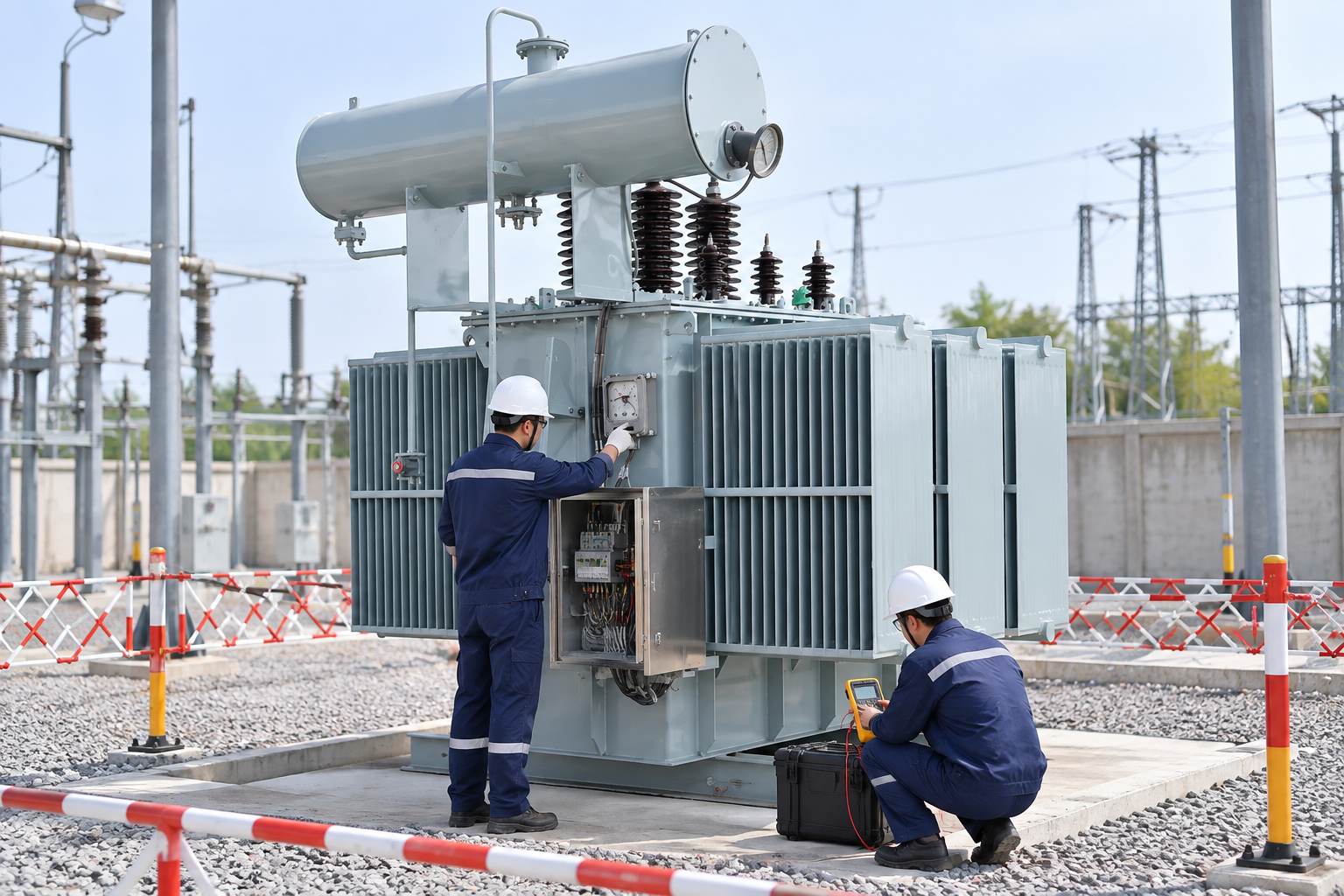
Perangkat listrik dapat menyimpan energi dan dapat diisi daya dari lebih dari satu sumber. Artikel ini bukan instruksi untuk melakukan pemutus. Personel yang berkualifikasi harus mengikuti peraturan setempat, melakukan isolasi, verifikasi tidak ada tegangan listrik, serta memenuhi persyaratan pengaturcaraan dan pengawasan. Jangan pernah menyentuh bagian yang sedang beroperasi atau merusak pengaman untuk melakukan pengukuran.
Jika tes gagal, perumah rusak, terdengar suara atau keluaran yang tidak normal, atau konfigurasi aktual tidak jelas, simpan aset dalam kondisi aman dan segera laporkan kepada insinyur yang bertanggung jawab. Pengaktifan ulang berulang kali tanpa diagnosis dapat meningkatkan kerusakan dan risiko.
Cara menggunakan hasil dalam proyek
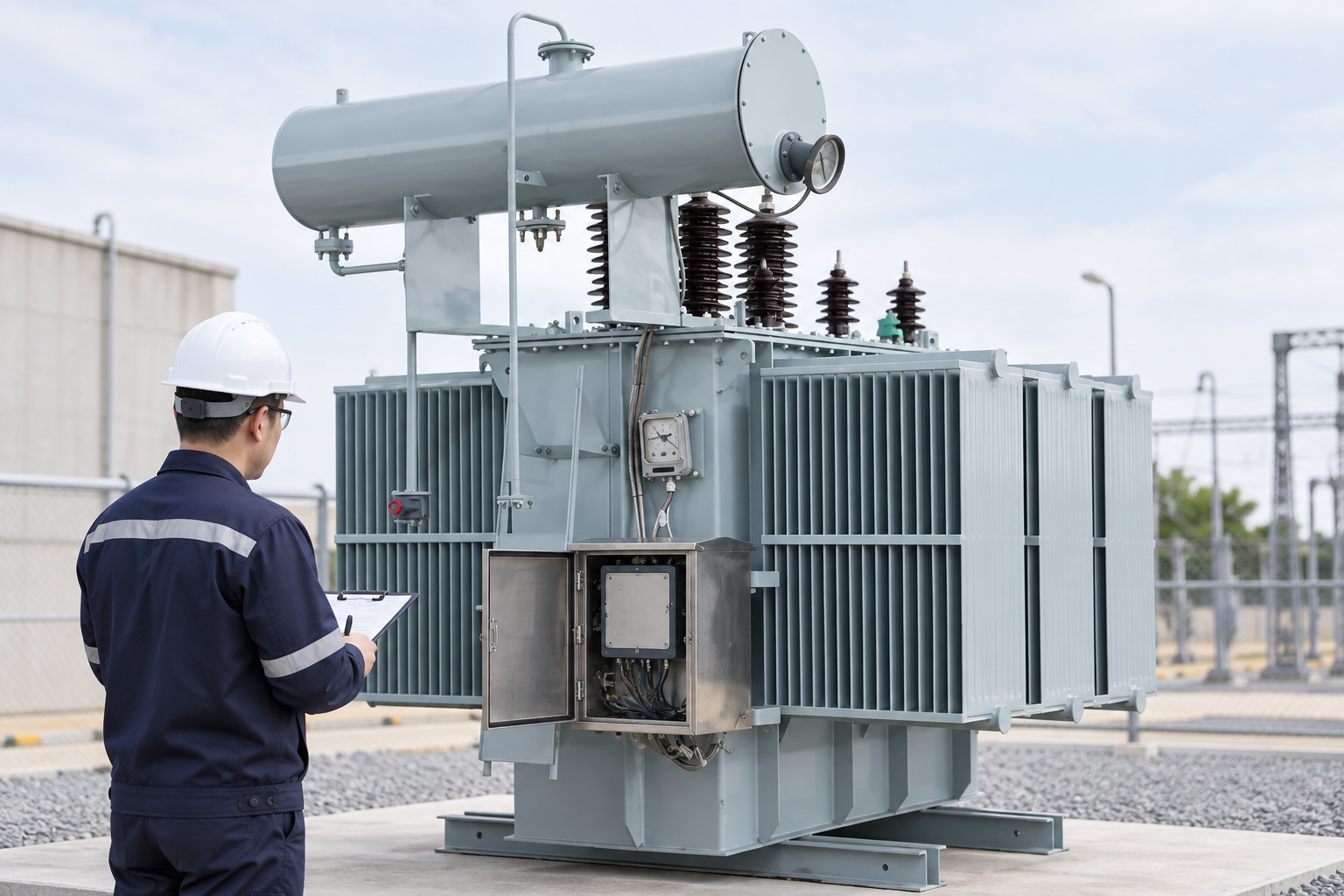
Mulailah dengan desain yang sudah dirilis dan identitas peralatan akhir. Perhatikan kondisi operasi, titik pengukuran, kondisi lingkungan, dan bukti yang harus mendukung keputusan tersebut. Kemudian bandingkan catatan tersebut dengan standar yang berlaku, instruksi pabrikan, dan rencana penerimaan proyek. Jika prasyarat tidak ada, simpan catatan tersebut agar tidak terisi dengan nilai generik. Hal ini memberikan titik referensi yang sama bagi tim pengadaan, commissioning, dan operasi.
Untuk pertanyaan pemasok, tanyakan dasar perhitungan, pengaturan yang diverifikasi, batasan, catatan uji, dan penyimpangan. Untuk pekerjaan di lokasi, catat nama orang, instrumen, tanggal, batas isolasi, dan pemeriksaan pemulihan. Catatan yang singkat lebih berguna daripada laporan panjang yang menyembunyikan satu fakta yang diperlukan untuk menyetujui langkah selanjutnya.
| Periksa | Bukti | Penggunaan keputusan |
|---|---|---|
| Definisi | Batasan, identitas peralatan, dan kondisi operasi | Mencegah tim-tim berbeda membandingkan jumlah yang berbeda. |
| Dasar desain | Nilai rata-rata, lingkungan kerja, dan asumsi tugas | Menghubungkan jawaban dengan instalasi yang sebenarnya. |
| Verifikasi | Metode, instrumen, hasil akhir, dan dasar penerimaan yang telah disetujui | Menciptakan catatan yang dapat diverifikasi. |
| Perubahan kontrol | Deviasi, tinjauan pemilik dan revisi as-built | Penghalang perubahan bidang tersembunyi menjadi risiko. |
| Serah terima | Pengaturan, tes, foto, pemeliharaan, dan pengecualian | Menyediakan operasi masa depan yang aman. |
Panduan produk dan teknik terkait
Untuk konteks produk Shenheng yang sesuai, lihat halaman produk yang relevan. Untuk topik yang lebih luas, baca Panduan teknik orang tua. Bacaan terkait: Panduan terkait pertama dan Panduan terkait yang kedua.
Sumber dan Standar
IEC 60214-1: Tap-changer performance requirements and tests · IEC/IEEE 60214-2: Tap-changer application guidelines
Video untuk konteks sistem
Penjelasan praktis dari Practical Engineering ini memberikan informasi latar belakang mengenai gardu induk, transformator, dan peralatan pemutus sirkuit. Ini adalah konteks pendidikan, bukan instruksi untuk melakukan pemutus atau pengujian.

Pertanyaan yang sering diajukan
Langkah pertama apa yang harus dilakukan?
Define the exact transformer tap changer types boundary, equipment identity and operating state before comparing a value or feature.
Bisakah halaman katalog menggantikan pekerjaan teknik proyek?
Tidak. Halaman produk yang terhubung mengidentifikasi keluarga peralatan Shenheng yang relevan. Model yang disediakan, aksesori, standar, dan rencana penerimaan proyek menjadi faktor penentu dalam pengambilan keputusan akhir.
Bukti apa yang harus dipertahankan?
Simpan gambar rancangan, perhitungan atau metode pengujian yang disetujui, hasil pengukuran secara mentah, foto, rincian instrumen, penyimpangan, pengaturan, dan catatan akhir kondisi aslinya.
Apakah artikel ini mengizinkan pekerjaan secara langsung?
Tidak. Personel yang memenuhi syarat harus mengikuti program keselamatan listrik di lokasi, serta mengikuti petunjuk isolasi dan pabrikan.




