Компания Shenheng Power с 2001 года является надежным производителем оборудования для передачи и распределения электроэнергии, поставляя надежные электротехнические решения по всему миру.
Опираясь на комплексную систему послепродажного обслуживания, мы предоставляем экспертные технические консультации, рекомендации по продукции и гибкие услуги OEM и ODM для ваших проектов.
Компания Shenheng Power с 2001 года является надежным производителем оборудования для передачи и распределения электроэнергии, поставляя надежные электротехнические решения по всему миру.
Transformer Breather Silica Gel: Color, Replacement and Care
Release Time: 2026-10-02
Transformer breather silica gel removes moisture from air entering the relevant oil-preservation system. Its condition should be judged against the actual desiccant instructions, breather design and inspection history. There is no universal color-change rule or replacement interval for every product. A saturated, blocked, damaged or bypassed breather can undermine moisture control, but changing the gel alone does not establish that the transformer insulation is healthy. First identify whether the transformer uses a conservator, bladder, sealed tank or another preservation arrangement, then follow its approved maintenance instructions.
Confirm that the transformer actually uses this arrangement
A breather belongs to a particular air path. In a conventional conservator arrangement, expansion and contraction of insulating liquid can move air through the preservation system. Other arrangements separate the liquid from ambient air differently. A sealed distribution transformer should not automatically be given the same breather maintenance checklist as a conservator transformer.
Obtain the preservation-system diagram, breather model and current maintenance instructions. Identify the connection, any valves, oil trap if provided and the route through which air is intended to pass. Ask whether the observed breather serves the main tank, a tap-changer compartment or another component.
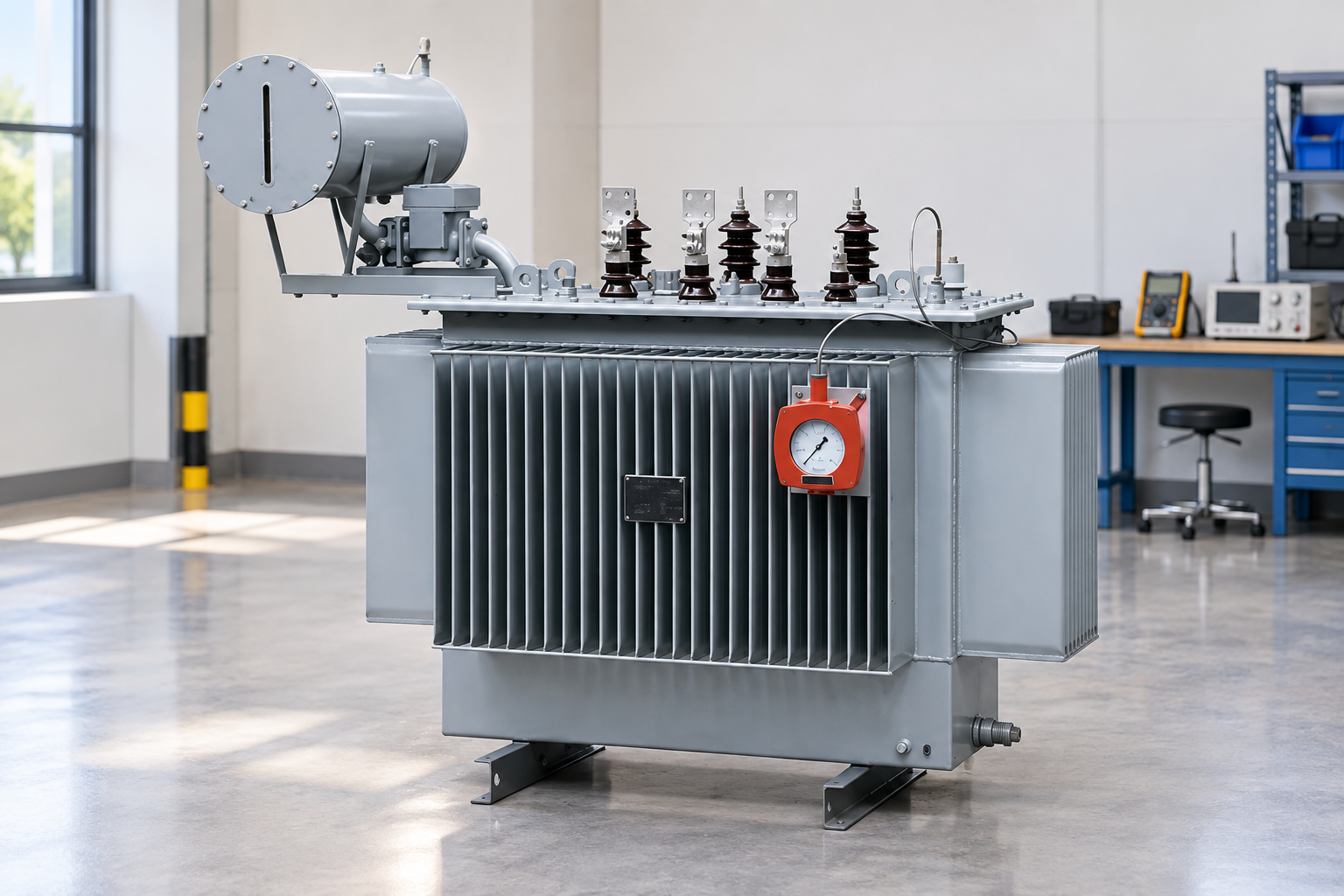
Use the correct desiccant instructions and inspect the complete air path. Reference-based illustration.
Color must be interpreted for the supplied gel
Indicating desiccants use different chemistries and can have different fresh and saturated colors. Do not assume that a color seen on one transformer has the same meaning on another. Locate the product identification, supplier instructions and safety data before deciding whether replacement is required.
Some products change color progressively through the bed. The pattern can provide inspection information, but lighting, contamination, bead condition and the viewing window can complicate the observation. Record photographs under similar lighting and compare with the correct manufacturer’s reference. A dirty window should not be mistaken for a change in the gel itself.
Do not mix gel types to create a convenient color pattern. Mixed products may have different regeneration or handling requirements and can make later inspection ambiguous. If the gel identity is unknown, resolve the maintenance specification rather than applying an assumed color rule.
Inspection table for a maintenance record
Observation
What to investigate
Suitable record
What not to assume
Indicated saturation
Correct color reference and extent of change
Date, product type and photograph
A universal color threshold
Rapid repeated saturation
Humidity, leaks, bypass paths and service conditions
Replacement history and environment
That more gel alone solves the cause
Cracked vessel or failed seal
Mechanical damage and air-path integrity
Defect location and approved action
That a sealed-looking joint is effective
Suspected restricted breathing
Blockage, valves and preservation-system condition
Qualified inspection result
That lack of visible activity proves blockage
Oil trap problem, where fitted
Correct fluid and level for that design
Instruction reference and condition
A universal fill level
Unknown desiccant
Identification and safe handling requirements
Supplier confirmation and safety data
That all beads can be regenerated identically
These are qualitative checks. Bureau of Reclamation transformer maintenance guidance is useful background for condition-based maintenance, but the current instructions for the installed transformer and breather control the work.
Replacement frequency should reflect actual conditions
A fixed calendar interval can provide an inspection reminder, but it should not replace condition assessment. Humidity, temperature changes, loading pattern, preservation-system design and the breather’s capacity affect the rate at which desiccant requires attention. Two similar units at different sites may develop different maintenance needs.
Track condition over time. Record inspections, replacements, weather or room conditions and unusual transformer operating periods. If saturation accelerates, compare that change with the previous baseline and inspect the air path. Repeatedly replacing gel without investigating the reason can conceal a failed seal or another system problem.
Use the owner’s maintenance strategy to decide the inspection frequency and escalation threshold. A remote asset may need a different monitoring arrangement from equipment visited daily. Agree who reviews the records and how a defect becomes a work order, rather than leaving photographs in an unreviewed folder.
Inspect the full air path
The vessel is only part of the preservation arrangement. Review pipework, connections, seals, valves and any oil trap according to the design. A bypass path can allow air to enter without passing through effective desiccant, while a blockage can interfere with the intended pressure and volume behavior.
Do not infer a blockage from the absence of visible bubbles during a brief visit. Temperature and pressure conditions may not produce observable flow at that moment. Likewise, visible activity does not prove that every connection is tight or that the desiccant remains effective. Use the approved inspection method and the system diagram.
If abnormal tank pressure, level behavior or related alarms are present, escalate the complete system assessment. A blog-level maintenance observation should not be used to explain away protection alarms or authorize continued service. The transformer owner and qualified maintenance personnel must determine the response.
Safe handling and regeneration boundaries
Before handling gel, identify its safety data and the manufacturer’s regeneration instructions. Some indicating products contain chemicals that require particular precautions. Handle removed material and contaminated oil according to the applicable site and environmental procedures; household desiccant advice is not an industrial maintenance method.
Regeneration, if permitted, requires the specified equipment, temperature, time and storage conditions. Do not use an improvised household oven or an assumed heating cycle. Incorrect processing can damage the indicator, leave moisture or contaminate the material. The supplier must establish whether reuse is permitted and how readiness is verified.
Keep fresh or regenerated material sealed until the approved replacement activity. Long exposure during storage can reduce its useful capacity before installation. Label containers with the product identity and processing or opening information so the next maintenance team does not confuse different materials.
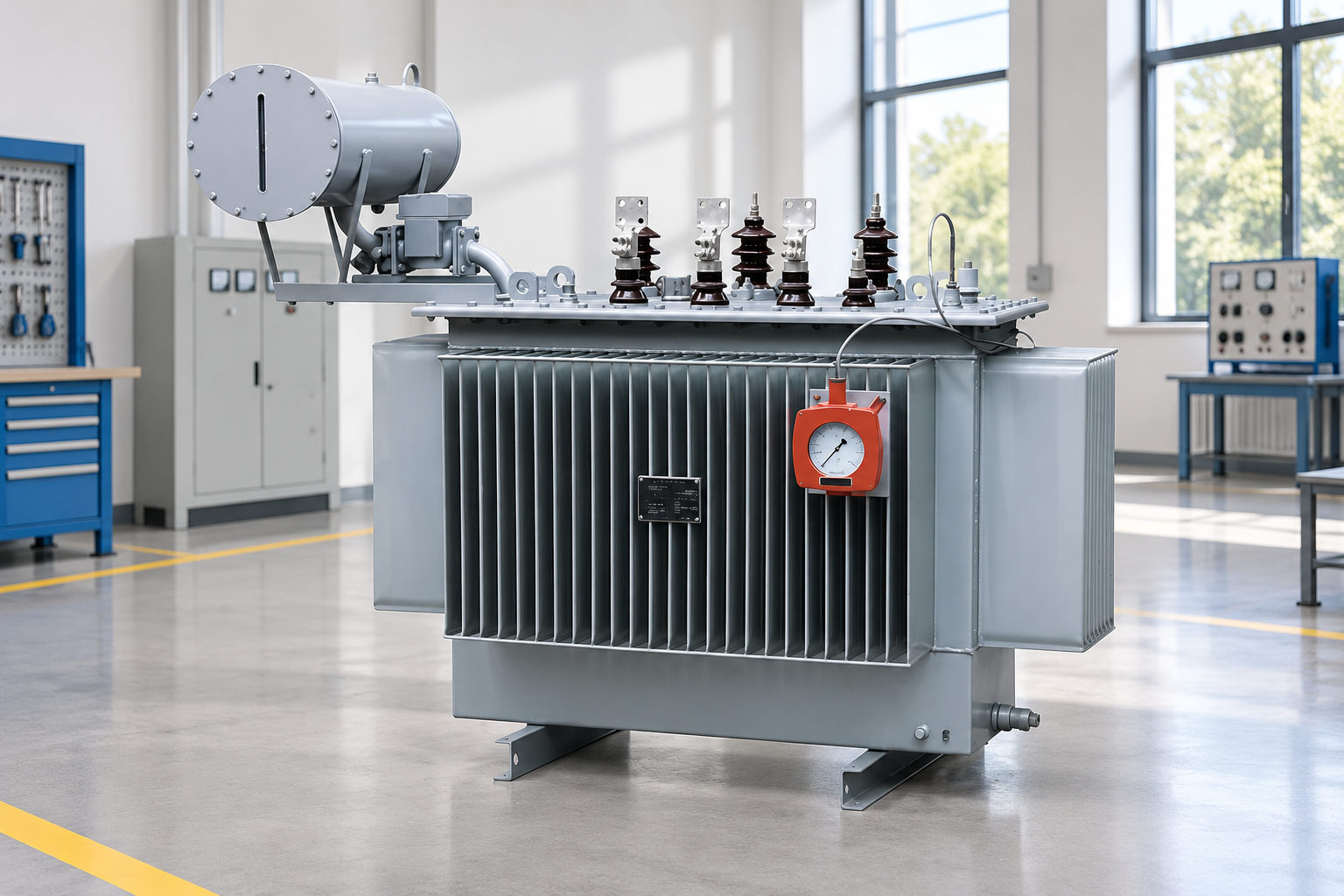
Keep condition records and investigate repeated moisture-control problems. Reference-based illustration.
Replacement is part of an authorized work plan
Determine the hazards of the installed location and the task before accessing the breather. Its position near a transformer does not mean that work can be performed without considering energized parts, pressure, hot liquid or mechanical hazards. The applicable site procedure and qualified personnel determine isolation and access requirements.
Use OSHA’s electrical work-practice reference to understand the distinction between an operating indication and verified safe conditions. Follow the local rules and the owner’s program for the actual maintenance. Do not approach or dismantle equipment simply because the accessory looks small.
The work package should identify replacement material, approved seals, any fluid required by the design, cleanliness controls and restoration checks. Record what was removed and installed. Confirm that the air path has been returned to the correct condition and that no temporary cap, valve position or disconnected connection remains unnoticed.
A new breather does not dry damaged insulation
Breather maintenance helps manage incoming moisture through the intended path. It does not independently establish the moisture content of paper insulation or remedy oil contamination already present. A transformer with abnormal condition data may require a wider assessment even after new gel has been fitted.
Review oil reports, temperature history and preservation-system defects together. Laboratory interpretation should account for the actual insulating liquid and sampling conditions. The mineral oil versus natural ester comparison explains why fluid identity matters to moisture interpretation; it is a separate selection topic rather than a replacement procedure.
If evidence suggests degraded insulation, ask the specialist to identify the cause and approved treatment options. Do not promise that a fresh color in the viewing window restores dielectric condition or extends service life by a fixed number of years.
Diagnose repeat problems without guessing
Repeated rapid saturation can reflect demanding environmental conditions, inappropriate capacity, a failed air path or improper storage of replacement material. Build a short investigation around observed changes. Confirm the same gel type and inspection method are being used before comparing records.
Inspect for physical defects and compare the preservation diagram with the installed arrangement. Review whether recent maintenance changed a seal, valve or pipe connection. If loading or ambient conditions changed, record those changes as possible contributors rather than treating them as proven causes.
For associated leakage, use the oil-leak assessment guide. For thermal changes, use the transformer temperature-rise guide. These complementary checks help keep the diagnosis focused on evidence rather than repeatedly replacing one accessory.
Inquiry and acceptance information
Provide the transformer identification, preservation-system drawing, breather model, desiccant type, site humidity and maintenance history. Request compatible replacement material, safety data, regeneration instructions if applicable, spare seals and inspection criteria. Identify any uncertainty in the current material instead of presenting an assumed specification as fact.
During acceptance, match the accessory and material to the approved documentation. Record the installed condition, date and photographs, and set the first inspection review. A useful baseline allows later crews to identify a real change instead of debating an unfamiliar color without a reference.
Further learning
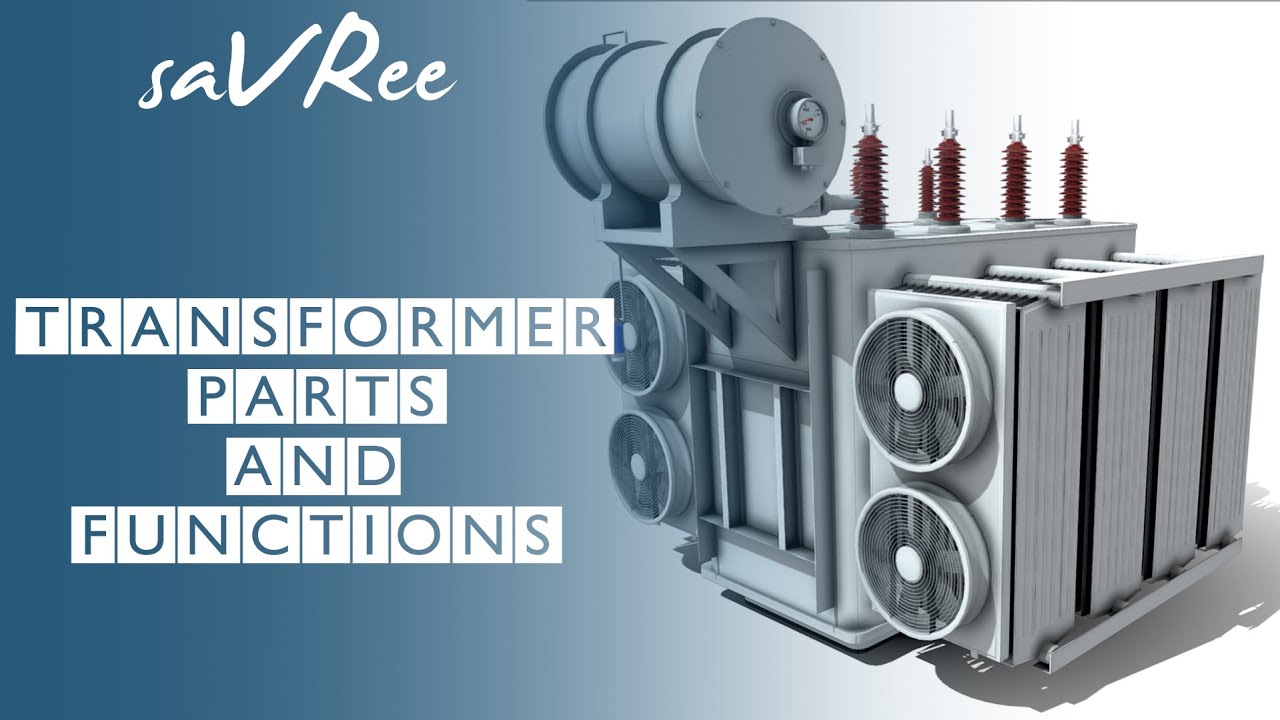
Further learning: Transformer Parts and Functions — saVRee. This educational video supports the topic; it is not a product demonstration or an operating authorization. Открыть видео на YouTube.
Часто задаваемые вопросы
Which silica gel color means replacement is required?
Use the instructions for the actual indicating gel. Different products use different fresh and saturated colors. Unknown material should be identified before applying a color rule.
How often should transformer breather silica gel be changed?
Set inspections according to the design, environment and condition history. Replace or regenerate under the approved criteria rather than assuming one calendar interval fits all sites.
Can every type of silica gel be regenerated?
No universal regeneration procedure applies. Confirm whether the supplier permits reuse and follow the specified processing, handling and verification method.
Does replacing gel solve transformer moisture problems?
It restores one moisture-control function when correctly performed. Existing oil or paper condition may still require laboratory assessment and a broader maintenance response.
Компания Shenheng Electric Power стремится стать мировым лидером в области решений для энергетического оборудования, помогая клиентам обеспечивать безопасное, эффективное и экологичное управление электроснабжением.

 Шэньхэн Силовое Оборудование Ко., Лтд.