Компания Shenheng Power с 2001 года является надежным производителем оборудования для передачи и распределения электроэнергии, поставляя надежные электротехнические решения по всему миру.
Опираясь на комплексную систему послепродажного обслуживания, мы предоставляем экспертные технические консультации, рекомендации по продукции и гибкие услуги OEM и ODM для ваших проектов.
Компания Shenheng Power с 2001 года является надежным производителем оборудования для передачи и распределения электроэнергии, поставляя надежные электротехнические решения по всему миру.
Mineral oil and natural ester both provide insulation and cooling in liquid-filled transformers, but selecting between them requires more than comparing purchase price. Natural ester can offer useful fire and environmental characteristics, while mineral oil has a long-established service infrastructure. The correct choice depends on the complete transformer design, installation rules, temperature range, fluid handling and maintenance strategy. A mineral oil vs natural ester transformer comparison must therefore evaluate the specified fluid and equipment together. Replacing the liquid in an existing transformer is an engineering change, not a routine top-up decision.
Start with the actual equipment and project constraints
Identify whether the project concerns a new transformer, a replacement unit or retrofilling an existing asset. Those situations require different evidence. For a new unit, the manufacturer can select insulation materials, clearances, cooling surfaces, seals and production processes around the intended fluid. For an existing unit, those features are already fixed and must be checked before changing liquid.
Record rated power, winding voltages, impedance, cooling arrangement, installation location and the expected load profile. Also record minimum storage temperature, minimum starting temperature and the maximum room or outdoor ambient. A unit that operates steadily in a warm room presents different questions from one that spends several winter weeks de-energized outdoors.
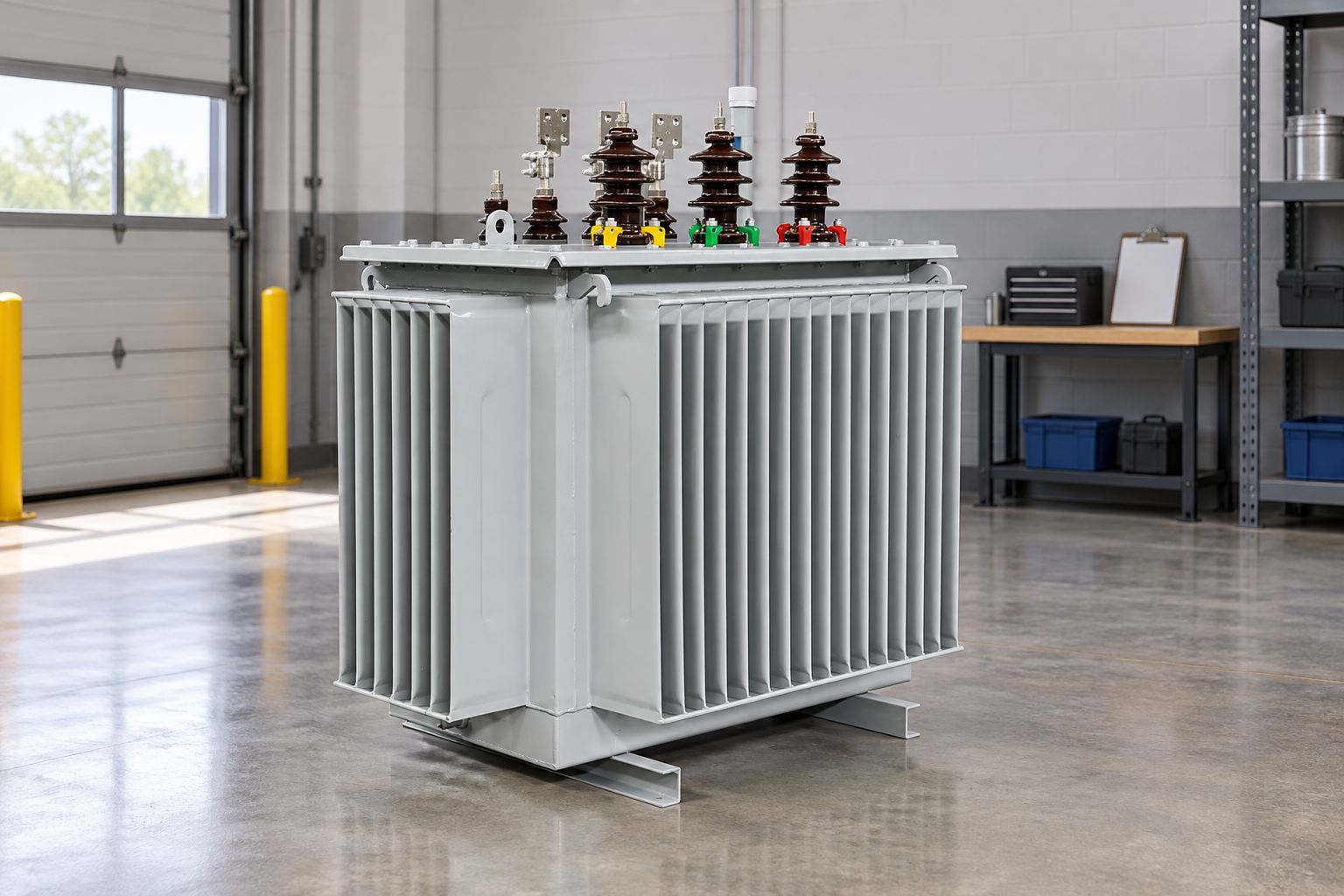
The website’s sealed oil-immersed distribution transformer provides a relevant equipment category for discussing liquid insulation. Its appearance does not establish approval for a particular ester formulation. Ask for written confirmation of the offered fluid, thermal design and material compatibility before specifying it.
Assess the complete cooling, insulation and material compatibility requirements. Reference-based illustration.
Compare functions rather than marketing labels
The following table is a purchasing decision aid. It deliberately avoids assigning universal numerical values to entire fluid families: certified values belong to the particular formulation, test method and temperature.
Decision area
Mineral oil questions
Natural ester questions
Evidence to request
Fire design
What fluid classification applies to this product?
Does the specified ester support the proposed installation arrangement?
Fluid test report and local installation assessment
Cooling
Does the cooling system meet the duty and ambient?
Has viscosity been considered across the operating range?
Transformer temperature-rise evidence
Moisture
What oil and paper condition limits are used?
Are moisture results interpreted for this fluid rather than mineral oil?
Laboratory method and acceptance criteria
Low temperatures
Is starting performance established for the site?
Is cold-flow and circulation performance established?
Manufacturer limits and operating instructions
Service support
Can the owner obtain compatible replacement liquid?
Can the owner sample, store and process the specified ester?
Maintenance procedure and local service capability
Retrofilling
What is the existing liquid and contamination history?
Are remaining mineral oil, seals and cooling changes acceptable?
Written retrofit assessment
These are qualitative engineering checks, not a declaration that one fluid meets every application. A Portland State University research report hosted by NWPPA examines ester replacement considerations. Its findings must be applied within the studied fluid and equipment conditions.
Fire characteristics do not remove installation obligations
A less flammable liquid can be valuable where equipment is close to occupied buildings or where fire consequences are significant. However, a fluid designation does not independently decide whether a transformer can be installed indoors, whether barriers are required, or whether containment can be reduced. The installation authority, owner and designer must evaluate the complete assembly and location.
Ask how the specification distinguishes flash point, fire point and equipment fire protection. These terms answer different questions. A procurement statement that says only “high flash point” leaves uncertainty about the actual certification and the installation decision it supports. Keep the fluid certificate separate from the transformer test report and the building fire assessment.
Consider adjacent equipment, escape routes, cable penetrations, ventilation and access for responders. A change in liquid may reduce one hazard while leaving other electrical and operational hazards unchanged. Avoid writing a tender clause that promises a fireproof transformer or guarantees an unrestricted installation simply because an ester is proposed.
Cooling and loading must be checked as a system
Insulating liquid transfers heat from the active parts to the tank and cooling surfaces. Fluid properties change with temperature, so the relevant comparison is not a single viscosity figure at room temperature. Evaluate the starting condition, continuous operating condition and anticipated overload duty with the actual cooling arrangement.
A different fluid may alter circulation and temperature distribution even if the rated voltage and power remain unchanged. The original nameplate is not evidence that an existing transformer retains every loading capability after a retrofit. The engineering review should establish acceptable loading, any changed temperature limits and the monitoring needed during initial service.
Moisture measurements need fluid-specific interpretation
Moisture in an insulating system is shared between liquid and solid insulation. Comparing two liquid sample results without considering fluid type, temperature and paper condition can produce a misleading conclusion. A concentration that appears high against a mineral-oil reference should not automatically be treated as the same condition in natural ester.
Ask the laboratory to identify the fluid, sampling temperature, method and interpretation basis. Establish a baseline after manufacturing or retrofilling and use comparable samples for later trend assessment. If fluid identity is uncertain, resolve it before applying acceptance limits or mixing replacement liquid.
Treat a laboratory result as one part of a condition assessment. Review dielectric testing, acidity where applicable, dissolved gases interpreted for the relevant fluid, temperature history and any abnormal equipment behavior. Do not promise that a change of fluid will repair damaged paper insulation or reverse every consequence of previous overheating.
Compatibility and oxygen exposure need explicit review
Compatibility includes gaskets, paint, insulating paper, adhesives, bushings, pumps, processing hoses and any materials that contact the fluid. The relevant question is whether those materials are acceptable with the selected formulation under the expected service conditions. Similar product names or a shared fluid family do not establish interchangeability.
Check the tank preservation system and its maintenance instructions. Some ester applications require particular control of oxygen exposure. The arrangement can involve a sealed tank or another approved preservation design; a generic statement that all ester transformers must use the same construction is too broad.
The university-hosted review of mixed insulating liquids is useful background for understanding why mixtures deserve separate assessment. It does not authorize field mixing or establish a retrofit recipe for an individual asset.
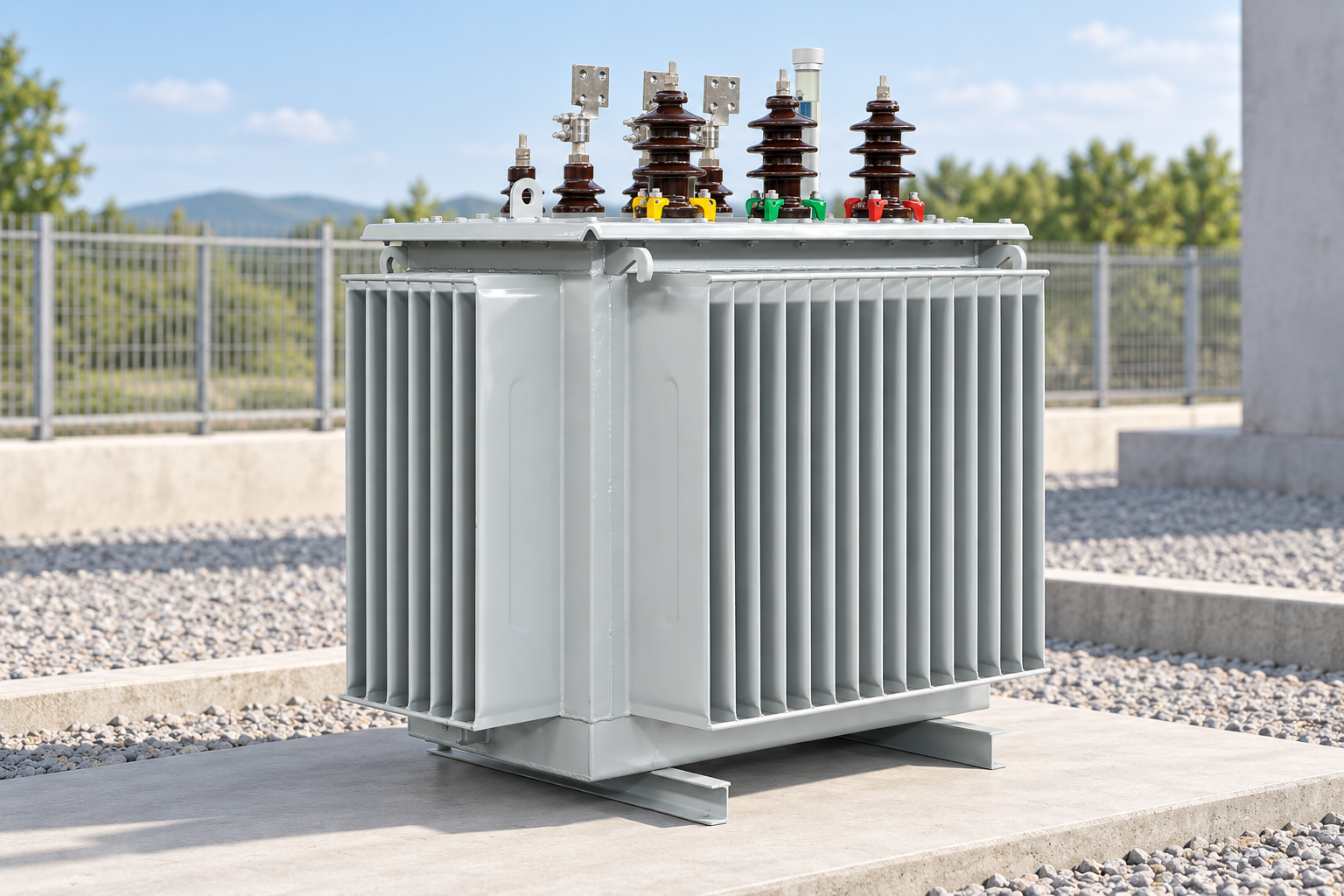
Use a manufacturer-approved plan for any proposed liquid change. Reference-based illustration.
Plan retrofilling before ordering liquid
Start with asset identification and an inspection of its condition. Locate the original drawings, previous oil reports, repair history and any known contamination. Obtain the manufacturer’s position on the proposed change. The owner should also decide whether the remaining asset life justifies the outage, processing work and additional verification.
The project-specific method should address draining, remaining liquid in insulation and inaccessible spaces, cleaning where required, filling, air removal, settling, tests and controlled return to service. Those steps depend on construction and must be specified by qualified personnel. A general blog should not supply a universal drain time or a fixed residual-oil percentage.
Define acceptance criteria before the outage. Agree which results must be received before energization, what operating observations are required, and who authorizes return to service. Retain the original and revised fluid records so future crews cannot accidentally top up with the old formulation.
Evaluate cost over the service period
Compare installed cost rather than fluid price alone. Include any changes to tank size, cooling equipment, fire arrangements, shipping, storage, commissioning and service contracts. For retrofilling, include outage consequences, temporary supply, waste handling, testing and uncertainty about retained performance.
Build the comparison around the same loading assumptions and installation constraints. A lower purchase price is not necessarily a lower lifetime cost if it requires a more expensive building arrangement or creates difficult service logistics. Conversely, a higher-priced liquid may have limited value where the proposed benefit is irrelevant to the site.
Ask bidders to state exclusions. A quotation for a transformer with a fluid name but no cold-start limits, test evidence or maintenance requirements is incomplete. Compare only offers that identify the actual formulation and the equipment rating it supports.
Purchasing checklist and acceptance record
Provide the supplier with the single-line diagram, duty cycle, ambient range, installation location, containment requirements and applicable project standards. Request the fluid technical data, compatibility statement, temperature-rise evidence, maintenance instructions and a list of permitted service liquids. Require deviations to be identified clearly.
During acceptance, match the unit identifier, fluid batch documents and test reports. Confirm that the delivery documentation and maintenance labels agree. Establish baseline sample records with a qualified laboratory and preserve the documentation in the asset register. Any change from the approved formulation needs review before filling.
For the preservation arrangement, the sealed versus conservator transformer guide helps identify the questions to ask. These documents should converge on one agreed transformer configuration rather than present independent assumptions that conflict.
Further learning
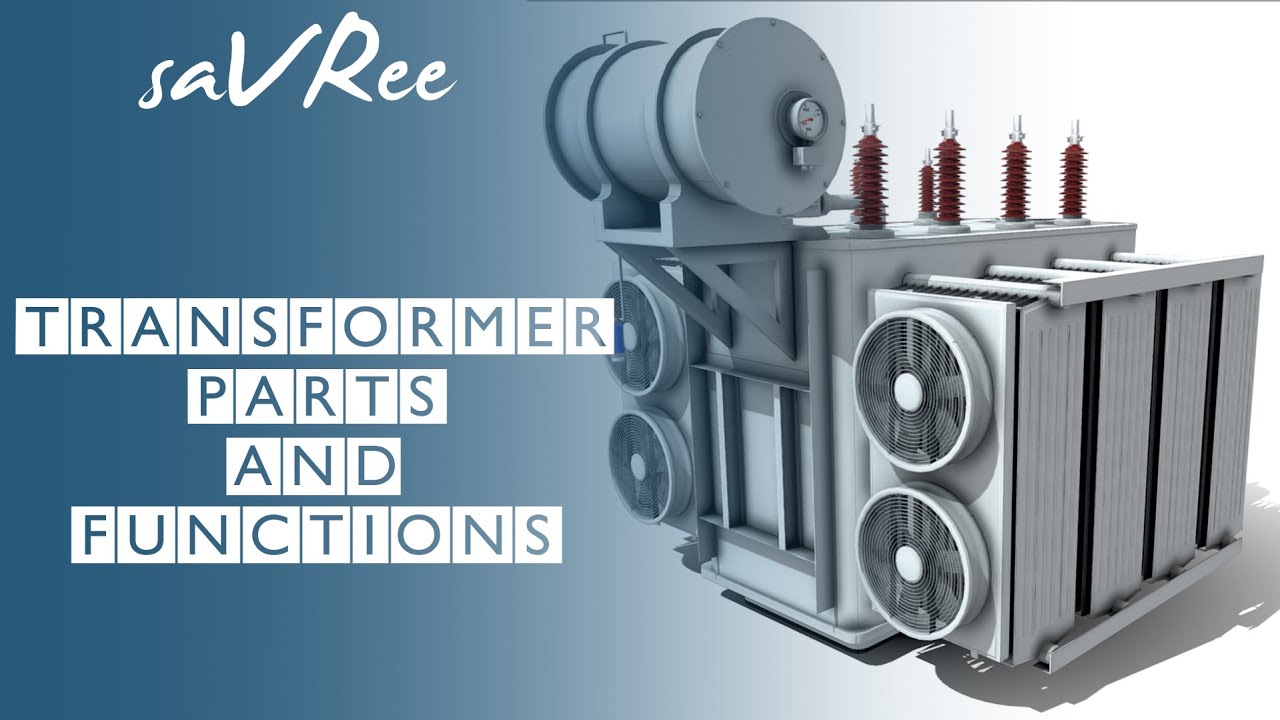
Further learning: Transformer Parts and Functions — saVRee. This educational video supports the topic; it is not a product demonstration or an operating authorization. Открыть видео на YouTube.
Часто задаваемые вопросы
Is natural ester always better than mineral oil?
No. Its value depends on the fire strategy, environmental requirements, temperature range and validated transformer design. Compare complete offers and service requirements rather than choosing solely from a fluid label.
Can natural ester be added to a mineral-oil transformer?
Do not add it without an approved engineering procedure. Compatibility, mixing, cooling performance, contamination history and final fluid classification all need review. A manufacturer-approved retrofit is different from an unplanned top-up.
Does ester allow a smaller transformer?
Only validated design and loading evidence can establish the rating. A different liquid does not automatically increase the existing nameplate capacity or permit a reduction in the required project power.
Which documents settle the decision?
Use the project specification, actual fluid certificates, transformer test evidence, compatibility assessment and approved installation design. Retain all of them with the commissioning and maintenance records.
Компания Shenheng Electric Power стремится стать мировым лидером в области решений для энергетического оборудования, помогая клиентам обеспечивать безопасное, эффективное и экологичное управление электроснабжением.

 Шэньхэн Силовое Оборудование Ко., Лтд.