Shenheng Power Equipment Co., Ltd.
- Home
- Products
Products
Since 2001, Shenheng Power has been a trusted manufacturer of power transmission and distribution equipment, delivering reliable electrical solutions globally.
- Solutions
- News & Blog
- Service
- About Us
- Contact Us
Since 2001, Shenheng Power has been a trusted manufacturer of power transmission and distribution equipment, delivering reliable electrical solutions globally.
A transformer nameplate states what a particular unit was rated to do. It is not a replacement for the project specification or current datasheet. EPC teams use it to check the single-line diagram, fault study, cable schedule and purchase order.
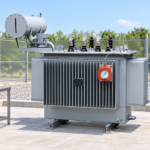
For product-family context, see Shenheng Power transformer solutions. Save a clear plate photograph with the inspection record and flag unreadable fields as engineering queries.
| Plate field | What it identifies | EPC use | Check before relying on it |
|---|---|---|---|
| Manufacturer and serial | Unit identity and traceability | Match factory records and tests | Confirm serial number |
| Rated power (kVA or MVA) | Apparent-power rating | Initial capacity check | Read cooling and ambient conditions |
| HV and LV voltage | Voltage assigned to each winding | Compare with the one-line diagram | Confirm line-to-line basis and winding side |
| Frequency and phase | Intended electrical system | Prevent basic system mismatch | Match project frequency and phase |
| Rated current | Current at the stated rating | Cross-check cables and busbars | Do not use it directly as a protection setting |
| Percent impedance | Value used in network calculations | Short-circuit and voltage-drop study | Keep its base and tolerance |
| Vector group | Connection and phase displacement | Parallel and protection review | Have the system engineer confirm suitability |
| Tap data | Ratio adjustment positions | Voltage-control planning | Confirm tap type and operating procedure |
| Cooling and insulation marks | Thermal and installation context | Layout and environmental review | Request the current datasheet |
The plate identifies the unit; it does not prove operation at an unreviewed ambient temperature, altitude, harmonic level or overload profile.
I = S / (sqrt(3) x V) with apparent power and the rated line voltage for that winding. Compare the result with the printed current. Investigate differences instead of correcting the plate.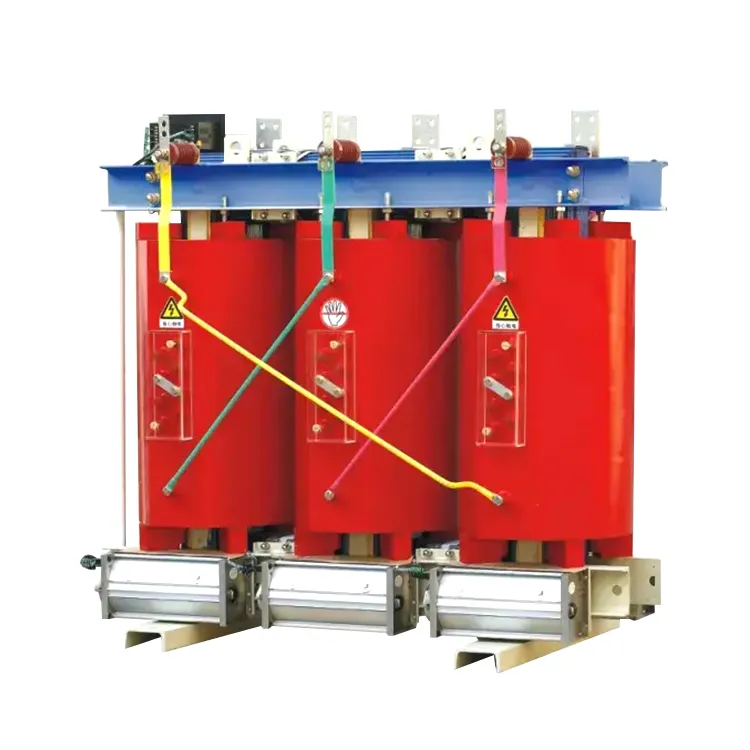
Percent impedance affects calculated fault current and voltage regulation. Capture the value with its conditions; the study engineer decides how it is applied in the project model.
The code communicates winding connections and phase displacement. It affects parallel operation, earthing arrangements, harmonic paths and protection. A similar kVA and voltage pair does not prove parallel compatibility.
Record the nominal ratio, each tap position and the tap-changer type. A tap range may be available only when de-energized. Commissioning must follow the approved manufacturer instructions.
Attach the plate photo and request confirmation of:
Use the distribution transformer RFQ checklist for a procurement handoff. If technology choice is still open, read how to select an oil-immersed transformer.
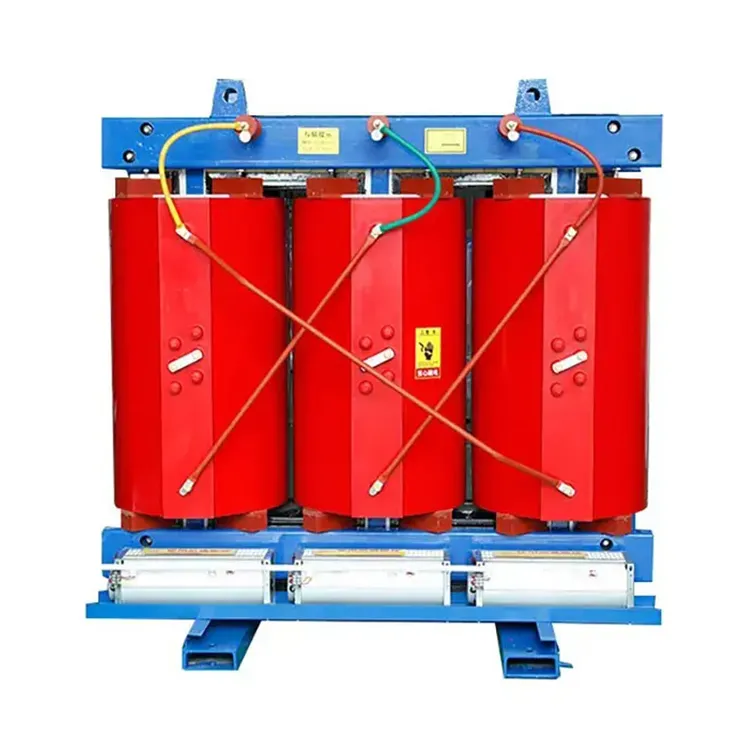
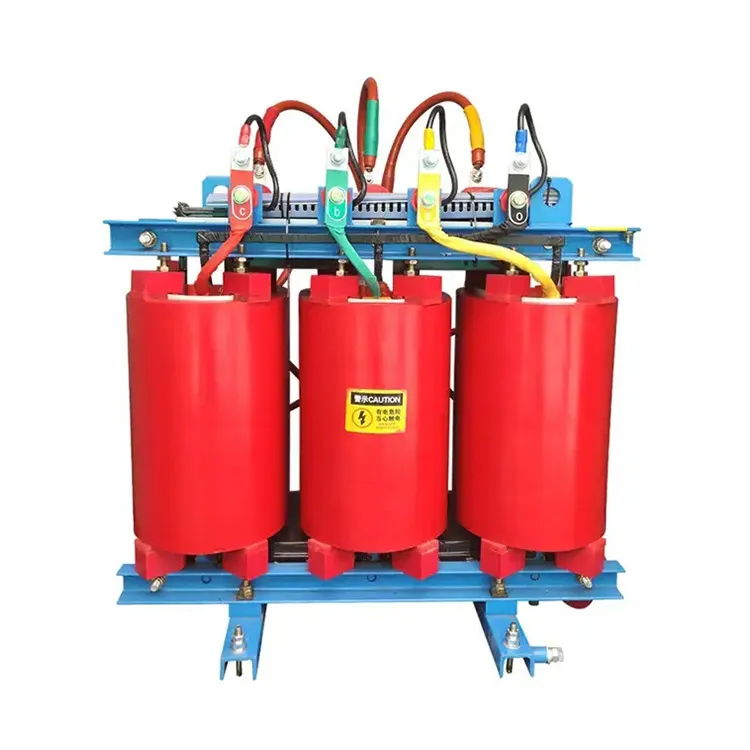
When the extracted requirements point to a medium-voltage cast-resin distribution transformer, review the Shenheng cast-resin dry-type transformer product page. This is a document-request path, not an interchangeability claim. Provide voltage, frequency, power, vector group, impedance, cooling, installation conditions and applicable standards so Shenheng Power can confirm the current configuration.