Shenheng Power Equipment Co., Ltd.
- Home
- Products
Products
Since 2001, Shenheng Power has been a trusted manufacturer of power transmission and distribution equipment, delivering reliable electrical solutions globally.
- Solutions
- News & Blog
- Service
- About Us
- Contact Us
Since 2001, Shenheng Power has been a trusted manufacturer of power transmission and distribution equipment, delivering reliable electrical solutions globally.
Main tank and tap changer DGA samples should have separate identities and trend histories whenever they represent separate oil compartments. Confirm the actual oil arrangement from the transformer drawings before comparing results. Switching in some on-load tap changers produces gases during normal operation, so a tap changer result cannot simply be evaluated as a main-tank winding sample. Conversely, an off-circuit selector does not automatically mean that the transformer has a separate tap changer oil compartment. The first task is to establish which liquid the sample actually represents, then apply an interpretation appropriate to that equipment and its history.
This guide helps maintenance planners and laboratory coordinators prepare that evidence. It is about compartment identification and records, rather than a gas-ratio diagnosis or instructions for opening valves. Sampling, isolation and access remain work for qualified personnel under the equipment-specific procedure.
A transformer asset number may cover several liquid spaces. A winding tank, a separately contained diverter, and an associated conservator arrangement can appear on one general assembly drawing. External proximity does not prove that their oil communicates. Equally, a component mounted inside the outline of the tank may have its own liquid boundary. Obtain the liquid-system drawing and the tap changer manual, not just the electrical single-line diagram.
The Bureau of Reclamation transformer maintenance manual provides engineering background on transformer maintenance and oil condition assessment. Use it with the actual manufacturer’s documents. It does not establish the internal arrangement of every Shenheng transformer or make one sampling procedure suitable for every unit.
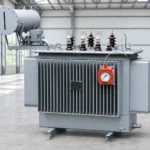
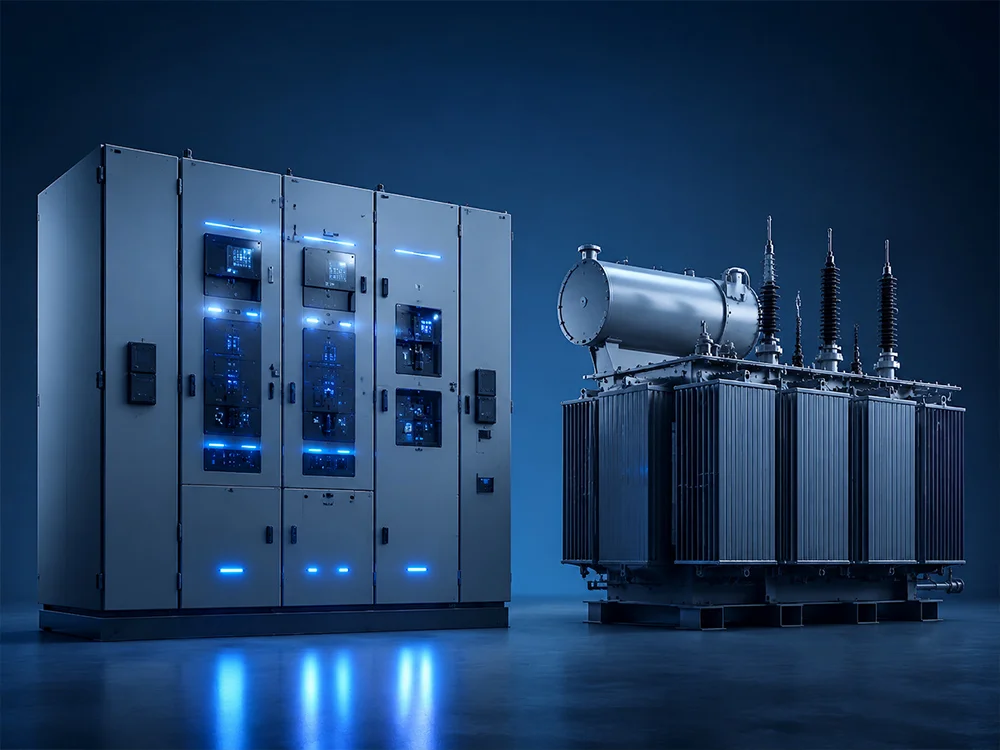
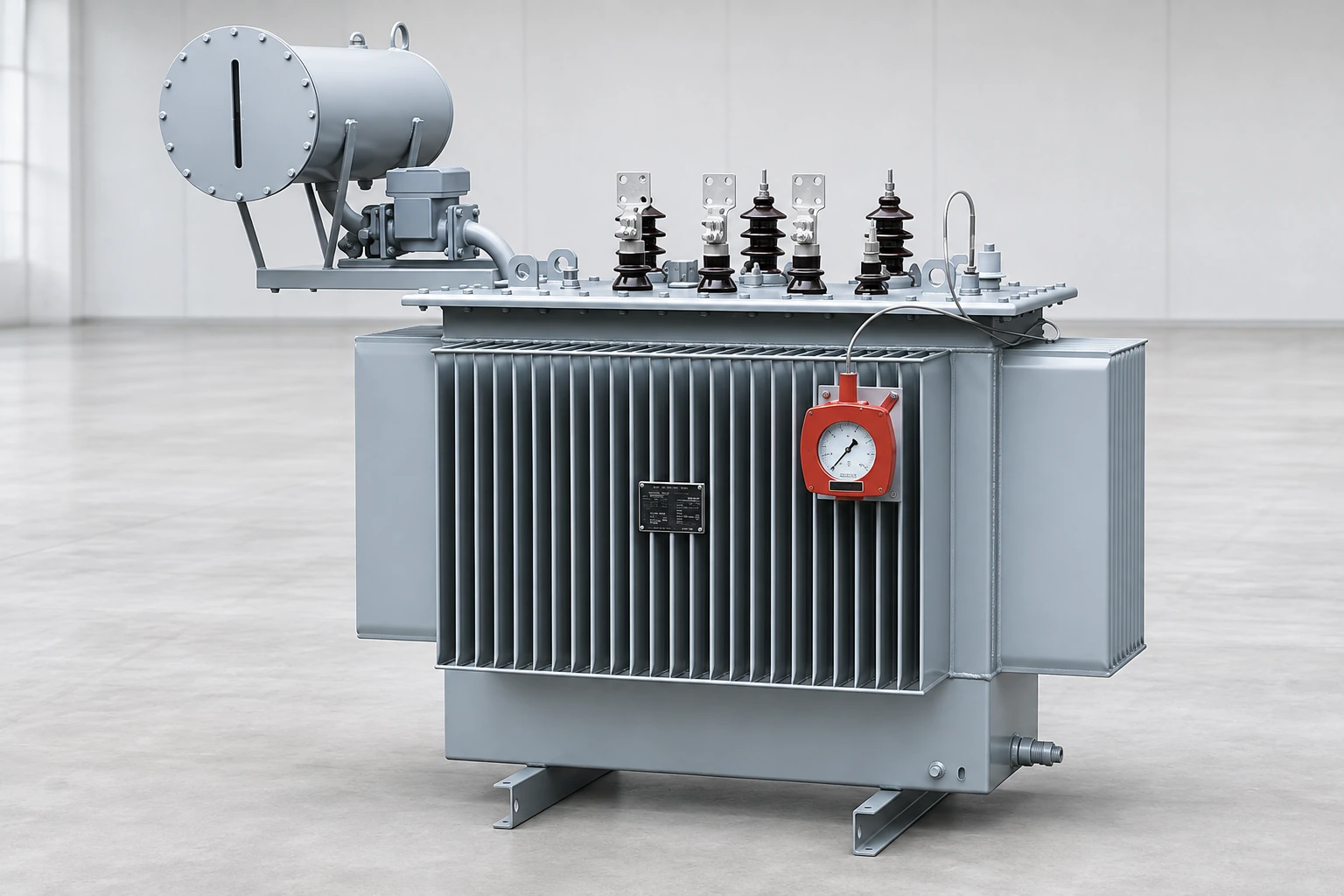
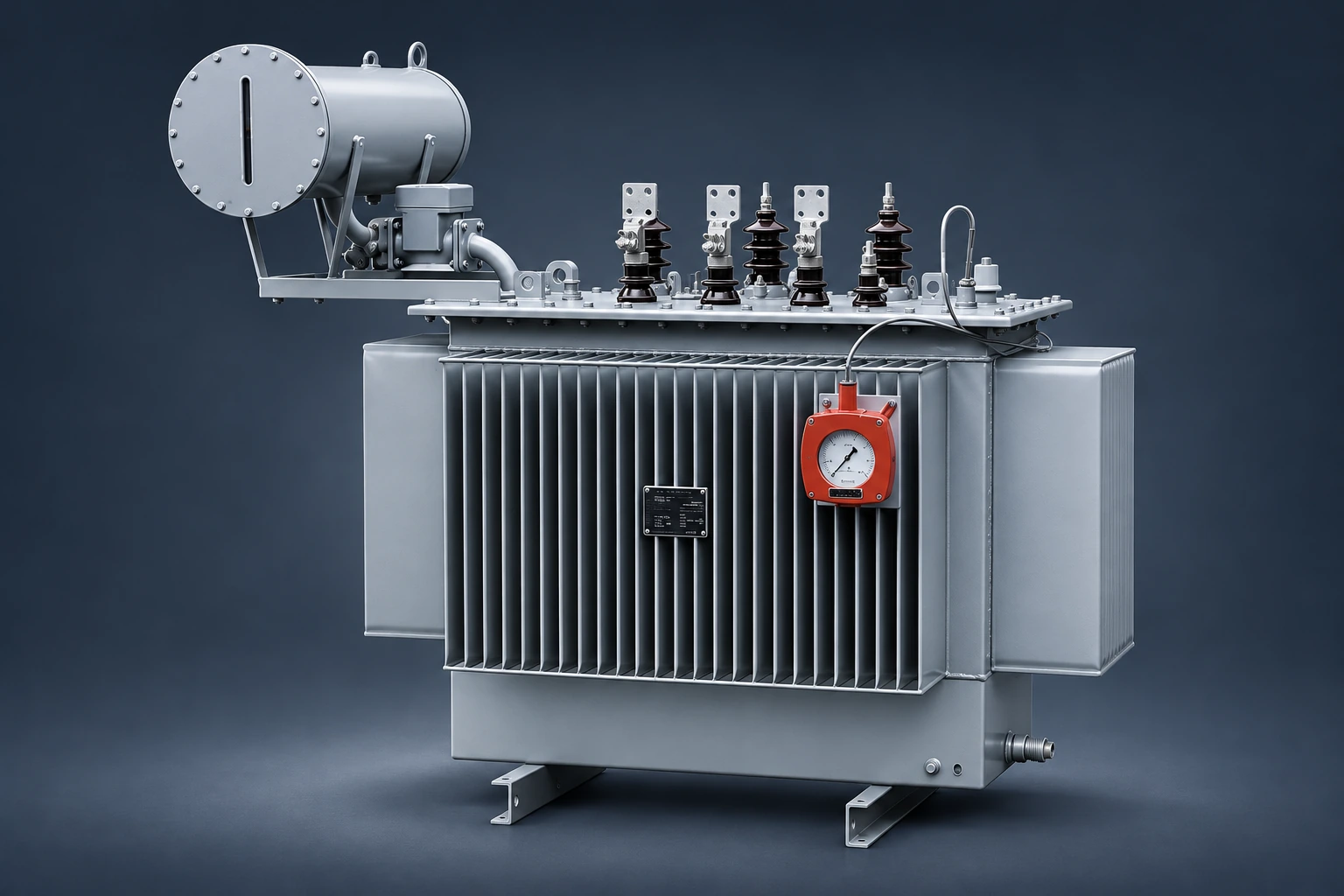
For a proposed oil-immersed transformer, ask the supplier to identify the specified tap-changing arrangement, its operating restrictions, and any distinct liquid compartments in the quotation documents. A product photograph cannot confirm an internal oil boundary or prove that an on-load tap changer is included.
Give each sampled compartment a persistent identifier beneath the parent transformer asset number. The identifier should be understandable in the work order, bottle label, laboratory portal and maintenance database. Avoid labels such as “transformer oil, point 1” if that description will be meaningless after personnel change.
Record the source drawing revision and the exact sampling-point designation. If the drawing uses different terminology from the laboratory, write an explicit translation in the register. For example, an owner’s “diverter oil” and a laboratory’s “OLTC sample” may refer to the same compartment, but the relationship should be confirmed rather than assumed.
| Record field | Main tank entry | Separate tap changer entry | Why it matters |
|---|---|---|---|
| Parent asset | Transformer asset number | Same parent asset number | Preserves the equipment relationship |
| Compartment identifier | Winding tank designation | Manufacturer’s compartment designation | Prevents merged trends |
| Sampling point | Approved valve or port reference | Approved point for that compartment | Makes repeat samples comparable |
| Liquid identity | Documented liquid product and history | Documented liquid product and history | Avoids assuming both oils are identical |
| Configuration source | Liquid-system drawing revision | Tap changer model and manual revision | Supports the interpretation boundary |
| Recent events | Load, alarms and oil work | Switching duty and compartment oil work | Gives the reviewer relevant context |
This is a practical records table, not a set of gas concentration limits. The acceptance criteria and sampling method must be selected by the responsible engineer and laboratory for the actual equipment.
The meaningful question is not simply whether two bottles contain mineral oil. It is whether they have experienced comparable service. Oil exposed to switching contacts may have a different gas-generation background from oil surrounding windings and core structures. The switching technology, operation count, oil maintenance and any communication with other compartments all affect the interpretation.
The HSE guidance on electrical work provides the separate safety context for preparing access and assigning competent personnel. It does not determine the liquid boundaries of a transformer; that remains a drawing and manufacturer-document check.
Build the comparison around the same compartment over time. A main-tank trend should normally be compared with earlier samples from its documented point and comparable analytical methods. A separately contained tap changer needs its own history. Comparing one to the other may help an engineer investigate a configuration question, but it is not a substitute for either trend.
Ask the asset owner which events occurred between samples. For the tap changer, useful records may include operation count, unusual operation, maintenance findings, liquid replacement and changes to its breathing or preservation system. For the main tank, useful context includes load changes, protective operations, thermal observations and oil processing. Record what is actually known; do not replace missing information with a guess.
Dates matter. If oil was changed between two samples, the later result is not directly equivalent to a continuation of the old liquid history. Keep the pre-change records, document the intervention, and ask the specialist how to establish the next comparable baseline. Do not delete inconvenient results to make the graph appear smoother.
The same caution applies when a sampling point is changed. A new point designation should be visible in the record. If equivalence has not been established, the reviewer needs to see that uncertainty before calculating a rate of change.
A laboratory can measure gases accurately and still receive insufficient information to interpret them appropriately. Include the equipment type, liquid identity, compartment, sampling point and relevant event history in the submission. If the laboratory provides condition commentary, confirm whether its review covers that tap changer type and whether the result is being compared with an appropriate history.
Keep the laboratory’s sample accession number connected to the owner’s compartment identifier. Review the report heading before placing results in the database. A correct measurement under the wrong asset or compartment can create an apparently sudden deterioration that is entirely a records error.
For handling and transfer records, use the separate oil sample chain-of-custody guide. For questions about a corrected report, consult the laboratory report amendment review. Neither replaces the need to establish the oil compartment before sampling.
Place an administrative hold on automatic trend merging while the discrepancy is investigated. Preserve the original report, submission and label photographs. Ask the sampler and laboratory to reconcile the identification using their actual records. Do not silently rename a bottle after seeing a surprising result.
If the sample cannot be assigned reliably, the responsible engineer should decide whether another representative sample is necessary. The laboratory may be able to correct a transcription error, but it cannot reconstruct an unknown sampling location from gas concentrations alone. Any correction needs a traceable explanation.
Uncertain identification also must not delay a separate response to alarms or other evidence of an unsafe condition. Follow the site’s escalation procedure. This records guide cannot authorize continued operation, establish a safe outage deadline or replace assessment of a developing fault.
Suppose a database contains a year’s main-tank results under asset TR-04. A new laboratory report arrives with the same asset number but the sampling description says “diverter.” Importing it into the existing trend would hide the difference in origin. The correct first action is to reconcile the compartment and report purpose before calculating gas growth.
The review establishes that the transformer has a separately contained tap changer and the new bottle was collected from its approved sampling point. The owner creates a subordinate identifier, connects the report to it and preserves the link to TR-04. The existing main-tank history remains intact. The tap changer specialist then assesses the new report against the available operating and maintenance information.
This example does not predict whether the gases are acceptable. It shows how a small identification error can change the question being asked. A gas trend is only useful when the reader knows which equipment and liquid it describes.
When ordering a new transformer or a diagnostic service, request a compartment map, permanent sampling-point labels, relevant drawings, and a sample submission template. Confirm which documents will identify the tap changer arrangement and which organization is responsible for interpretation. If sampling access is part of the purchase scope, ask the manufacturer to review the proposed arrangement against the actual design.
For an existing asset, ask the service contractor how it will keep compartment identifiers intact across work orders, labels and electronic reports. Request that exceptions be reported before results are imported. The final handover should include the laboratory accession references and a clear record of any oil work that affects comparability.
Use the DGA interpretation guide for the broader diagnostic context, and the oil-immersed transformer buyer’s guide for procurement planning. This article deliberately stops short of interpreting a specific concentration or recommending an operational decision from a single sample.
Hazardous energy control is relevant whenever sampling access or maintenance creates exposure to electrical or other stored energy. The following US Department of Labor video explains that general safety principle. It is not a transformer sampling demonstration and does not supply the isolation plan for a particular installation.
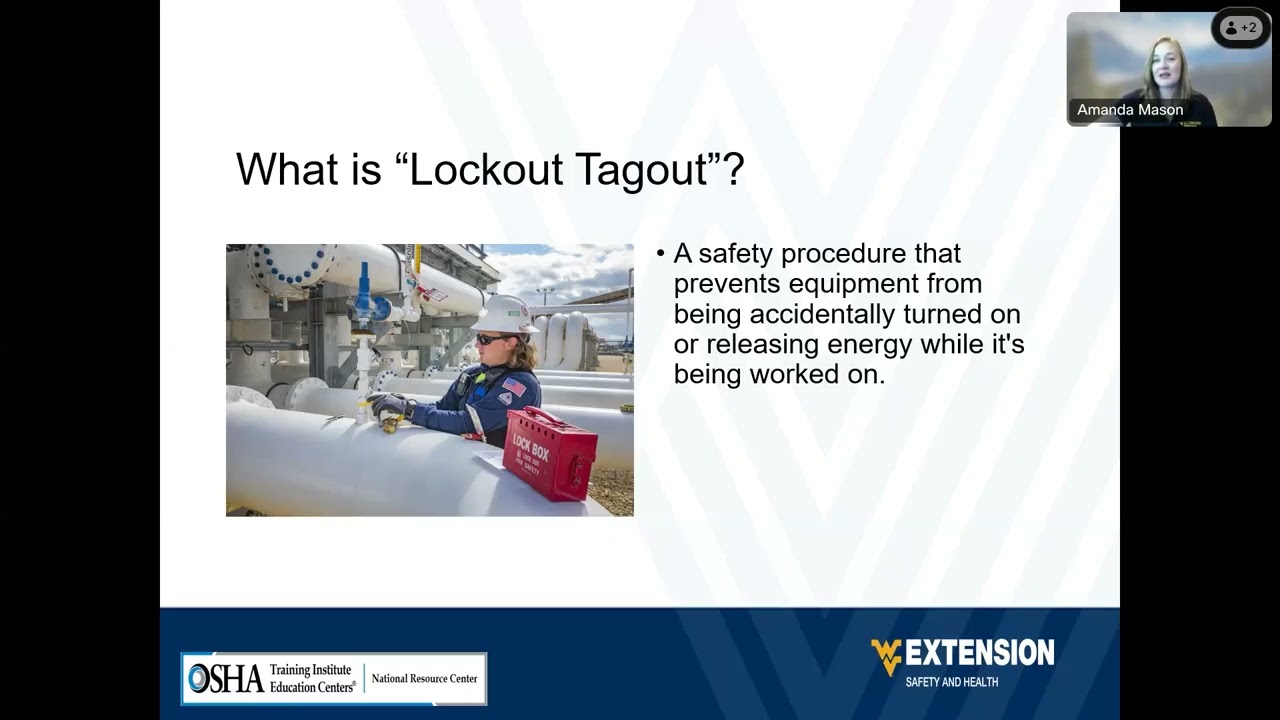
Further learning: Stand Up For Safety and Health – Lockout tagout — USDepartmentofLabor. Open on YouTube.
Only with an engineering reason that accounts for the equipment configuration. If the oil spaces are separate, maintain separate identities and trends. Their operating environments and normal gas backgrounds may differ, so one compartment’s acceptance approach should not be transferred automatically to the other.
No. Tap-changing arrangements differ, and an off-circuit selector is not the same as an on-load switching compartment. Confirm the actual liquid boundaries from the supplied drawings and manufacturer documentation instead of inferring them from the product name or external appearance.
Gas results may raise questions, but they cannot reliably replace a missing sampling identity. Reconcile the submission, label and sampling records. If the origin remains uncertain, obtain an engineering decision on repeat sampling and keep the uncertainty visible in the database.
No. Preserve the historical results and mark the intervention, liquid identity and date. Ask the responsible specialist how later samples should establish a comparable baseline. Keeping both the old history and the maintenance event supports a more useful interpretation.