Shenheng Power Equipment Co., Ltd.
- Home
- Products
Products
Since 2001, Shenheng Power has been a trusted manufacturer of power transmission and distribution equipment, delivering reliable electrical solutions globally.
- Solutions
- News & Blog
- Service
- About Us
- Contact Us
Since 2001, Shenheng Power has been a trusted manufacturer of power transmission and distribution equipment, delivering reliable electrical solutions globally.
A transformer oil sample chain of custody connects the identified transformer and sample point to the bottle, each handover and the laboratory report. It records who controlled the sample, when transfers occurred and what condition the laboratory received. It does not replace the correct sampling method, prove that a bottle is representative or certify a transformer as healthy. Its value is traceability: when a result is unexpected, the engineer can determine which oil and equipment the result actually describes.
A sampling procedure defines how a suitable sample is collected for a particular analysis. Custody documentation preserves identity and handling after collection and through transfer. Both are needed, but neither substitutes for the other. A perfectly completed form cannot repair a sample collected from the wrong valve or placed in an unsuitable container. Conversely, a technically good sample can become unusable for decision-making if its identity is lost before analysis.
Use the transformer oil sampling guide for the separate collection topic. This article focuses on labeling, handover, receipt and report reconciliation. Actual collection on electrical equipment requires authorized personnel, suitable isolation and the approved site procedure. The document controller should support that process without inventing sampling instructions or encouraging staff to take an extra bottle from equipment that is not safe to access.
Create a sample ID scheme that is unique within the project and remains stable through the laboratory workflow. Record the transformer serial number, asset identifier and compartment or sample point. Include date, time and time zone so the sample can be related to loading, oil treatment or a factory test. Avoid relying solely on a site nickname that the laboratory or a future maintenance contractor will not recognize.
If multiple samples are collected from one transformer, each container needs an unambiguous relationship to its intended analysis. A laboratory may assign its own receipt number, but that should map back to the original field ID. Keep the cross-reference in the final record. Never overwrite the original identity simply because the laboratory uses a different numbering system; preserve both and show their relationship explicitly.

Different analyses may require different containers, quantities or handling conditions. Ask the laboratory for the current instructions for the exact requested tests. Do not infer that a bottle suitable for routine oil quality work is appropriate for dissolved gas analysis. Container cleanliness, sealing and exposure can affect results. Document the instructions issued to the sampling team and any departure that occurred during collection or packaging.
The US Bureau of Reclamation transformer manual provides background on oil sampling and diagnostics. Use it as technical context rather than a substitute for the chosen laboratory’s method-specific instructions. The NIST laboratory accreditation overview explains competence assessment, but accreditation alone does not establish that an individual sample was correctly collected, labeled or transported.
| Field group | What to record | Why it matters |
|---|---|---|
| Equipment identity | Asset ID, serial number, compartment and sample point | Connects the result to the correct oil volume |
| Sample identity | Unique field ID, container count and requested tests | Prevents bottle and test-order confusion |
| Collection context | Date, time zone, relevant operation and recent oil work | Supports later interpretation of the condition |
| Transfers | Sender, receiver, timestamps and package or seal references | Documents control during transport |
| Laboratory receipt | Receipt ID, condition and deviations | Identifies limitations before results are used |
| Report reconciliation | Field-to-lab ID map and final report revision | Preserves traceability through the final decision |
This table describes useful evidence fields, not a universal legal form or mandatory laboratory standard. Project requirements may add signatures, electronic audit trails, shipment tracking or other controls. Keep the process proportionate while preserving enough information to investigate an exception. A long form that staff cannot complete reliably is less useful than a clear system with stable identifiers and documented handovers.
Before dispatch, compare every container label with the custody form and laboratory order. Check serial number, sample point, timestamp, tests and bottle count. Resolve discrepancies while the collector and original records are available. Do not guess which bottle an incomplete label was meant to describe. If identity cannot be established, record the uncertainty and ask the responsible engineer and laboratory whether the sample remains usable.
Digital orders can reduce transcription, but they can also repeat an incorrect asset selection across several bottles. Review the final exported order rather than assuming that a successful upload proves correctness. If barcodes are used, verify that the readable text and digital record refer to the same sample. Keep a human-readable identifier available so a damaged barcode does not eliminate the only route back to the equipment.
Follow the laboratory’s approved packaging and transport instructions for the requested analyses. Record dispatch time, carrier reference and the people or organizations making significant handovers. Where the project requires seals, note their identifiers and condition. A seal helps document tampering evidence; it does not prove sample representativeness or prevent every form of contamination. Package condition still needs review at laboratory receipt.
Do not apply a generic holding time or temperature limit to every transformer oil test. Requirements vary by property, method and laboratory process. If a delay or exposure occurs, preserve the facts and ask for a test-specific assessment. A late sample is not automatically worthless, but neither should it be silently accepted without considering the intended use and any resulting limitation.
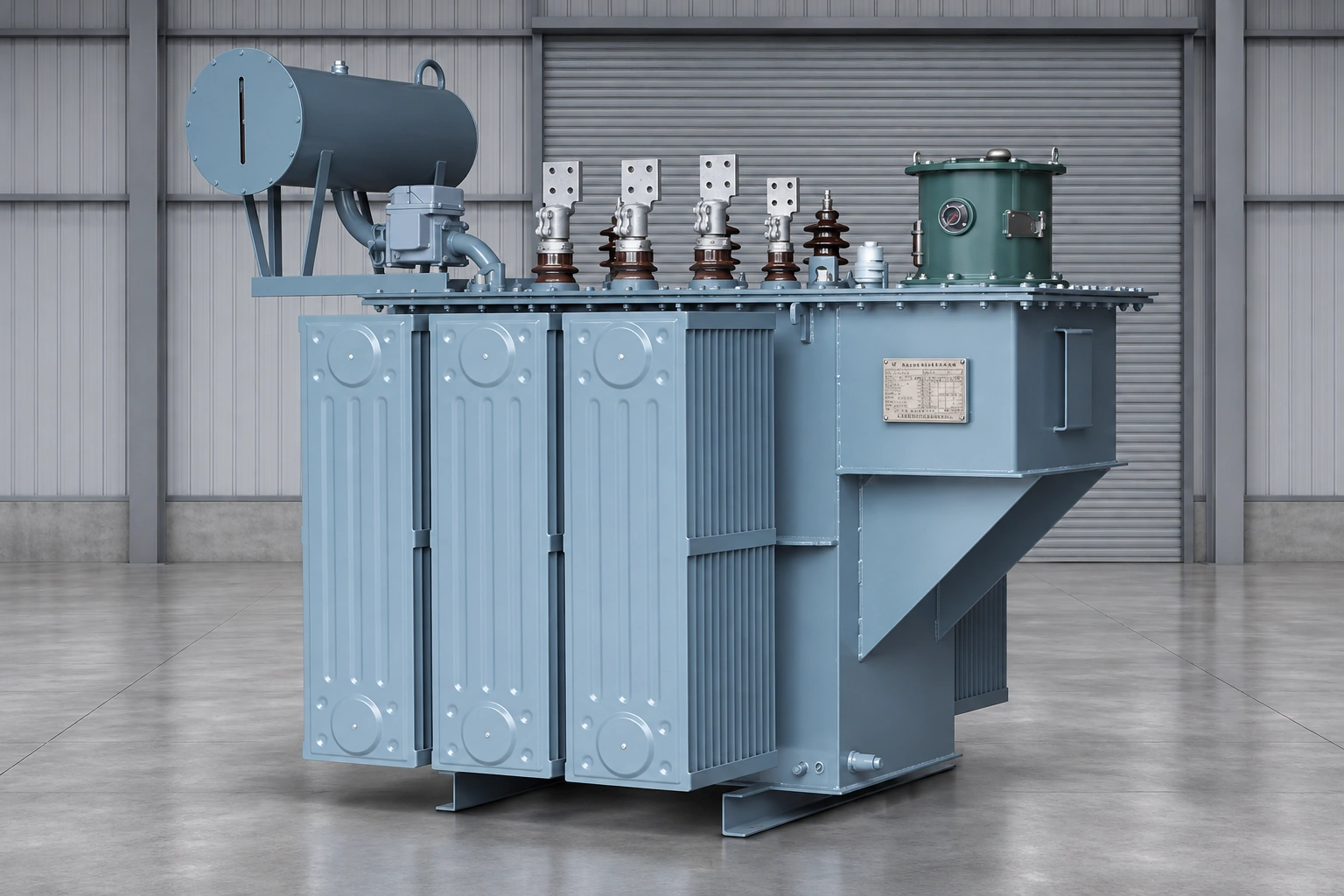
Ask the laboratory to record leaking containers, damaged seals, missing identifiers, insufficient quantity and mismatches between bottles and orders. The receiving decision should identify which analyses can proceed and under what qualification. A report issued with an exception may still provide information, but the engineer must understand its limits. Do not remove the qualification when copying the result into an asset trend spreadsheet.
If a laboratory calls to resolve an identity problem, keep a record of the information supplied and who authorized the correction. Distinguish a supported correction from a reconstructed assumption. Where an amended label or report is issued, retain the original and the reason for the change. Traceability is weakened when administrative cleanup leaves no explanation of how a disputed identity became certain.
Check the laboratory receipt number against the field ID and equipment identity. Confirm that all requested tests are included or that omissions are explained. Review units, qualifiers, sample dates and report revision. A plausible result on the wrong transformer is still the wrong result. Report reconciliation should happen before values enter the maintenance dashboard, not months later when an unexpected trend prompts an investigation.
For property-specific interpretation, see the DGA guide and oil moisture test guide. These topics answer condition questions after sample identity is established. The chain of custody article does not prescribe alarm levels or authorize a service decision from a laboratory number alone.
Consider a fictional site with transformers A and B, each sampled on the same afternoon. Two bottles reach the laboratory, but the form lists only A and the second bottle label is incomplete. The correct response is not to assign the second bottle to B because that seems likely. Review the field log, label photographs and collector’s contemporaneous records. If those records cannot establish identity, state that limitation and obtain an approved resampling decision.
Now suppose the bottle is clearly identified, but the laboratory report mistakenly lists the wrong compartment. Request a documented amendment linked to the original report rather than manually editing the PDF. Keep the correction note with the asset history. This preserves responsibility for the report and prevents a future reviewer from confusing a customer-edited document with the laboratory’s authorized record.
For an industrial oil transformer, agree who owns sample IDs, transport records, laboratory coordination and final report acceptance. Include these responsibilities in the maintenance order or commissioning plan. The oil transformer buyer’s guide helps define the wider evidence package before handover. Good custody records protect the usefulness of the testing budget by ensuring each result remains connected to the equipment it describes.
This New Hampshire Department of Environmental Services lesson explains bottle labels and custody documentation in a drinking-water program. Only the general identity and handover principles transfer here; its water sampling method and legal requirements do not apply to transformer oil.
Watch Step 5: Label Sample Bottles and Complete a Chain of Custody on YouTube
No. It documents identity and handling. Correct collection and a suitable container require their own approved method and evidence.
Keep both identifiers and their cross-reference so the report remains traceable to the original equipment and sample point.
Record the condition and consult the laboratory and responsible engineer about usable analyses, qualifications or resampling.
No. Retain the original, authorized amendment and explanation so future reviewers can reconstruct the change.