Shenheng Power Equipment Co., Ltd.
- Home
- Products
Products
Since 2001, Shenheng Power has been a trusted manufacturer of power transmission and distribution equipment, delivering reliable electrical solutions globally.
- Solutions
- News & Blog
- Service
- About Us
- Contact Us
Since 2001, Shenheng Power has been a trusted manufacturer of power transmission and distribution equipment, delivering reliable electrical solutions globally.
Commissioning a switching substation before energization is a controlled evidence exercise. It connects the installed lineup, approved drawings, site interfaces, protection and control records, switching responsibility, and the authority that can make a readiness decision.
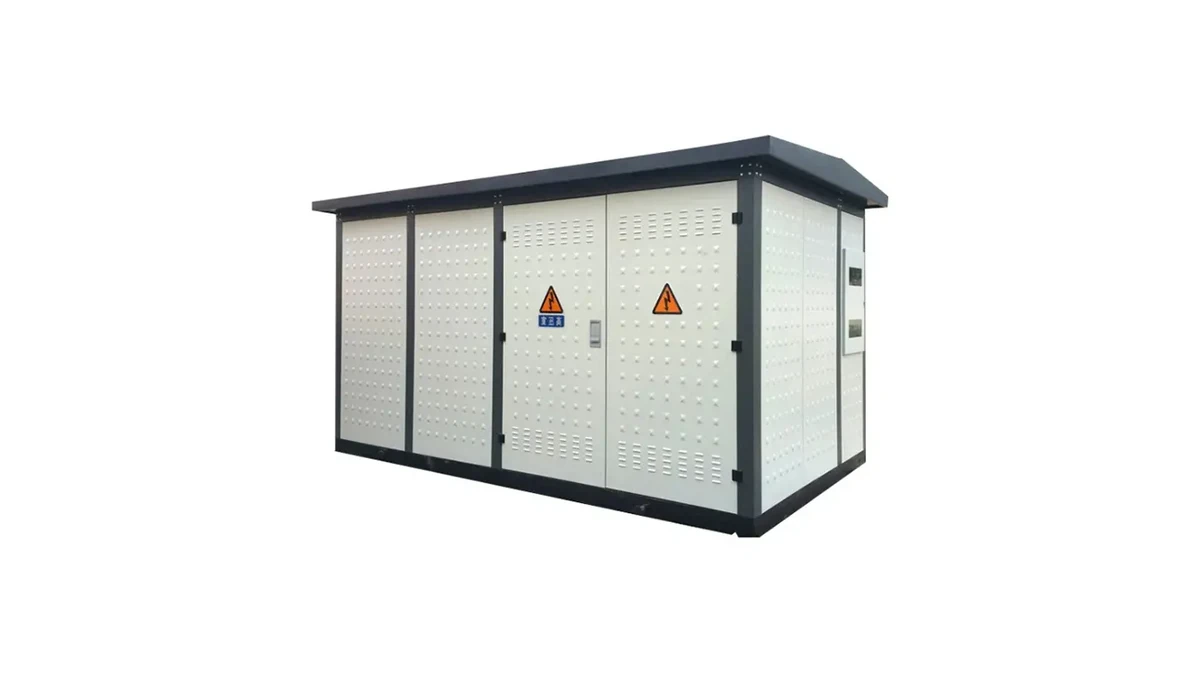
For related context, read the box type substation RFQ checklist and preparing a foundation for a compact substation.
Important: The applicable IEC context is IEC 62271-200: AC metal-enclosed switchgear and controlgear. The approved switching plan and qualified team, rather than this checklist, determine work scope, measured values, safeguards, and acceptance.
Before energization, define the approved scope, equipment lineup, current drawings, switching authority, safe-work controls, and evidence required for the readiness decision. A general checklist cannot authorize switching or replace the project procedure.
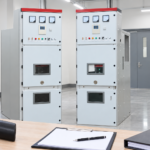
Check the substation identification, incoming and outgoing circuits, transformer or switchgear references, nameplates, cable routes, enclosure sections, and approved changes against the latest single-line diagram and equipment schedule.
| Substation baseline | Controlled record | Review purpose |
|---|---|---|
| Enclosure and circuit identity | Equipment schedule and single-line diagram | Confirms the installed lineup |
| Cable interface | Cable schedule and termination record | Connects incoming and outgoing circuits |
| Switching activity | Approved switching and commissioning plan | Defines authorized work scope |
| Change status | Issued design change record | Prevents an obsolete drawing from governing work |
| ## Part 3. Check the site, enclosure, and cable interfaces |
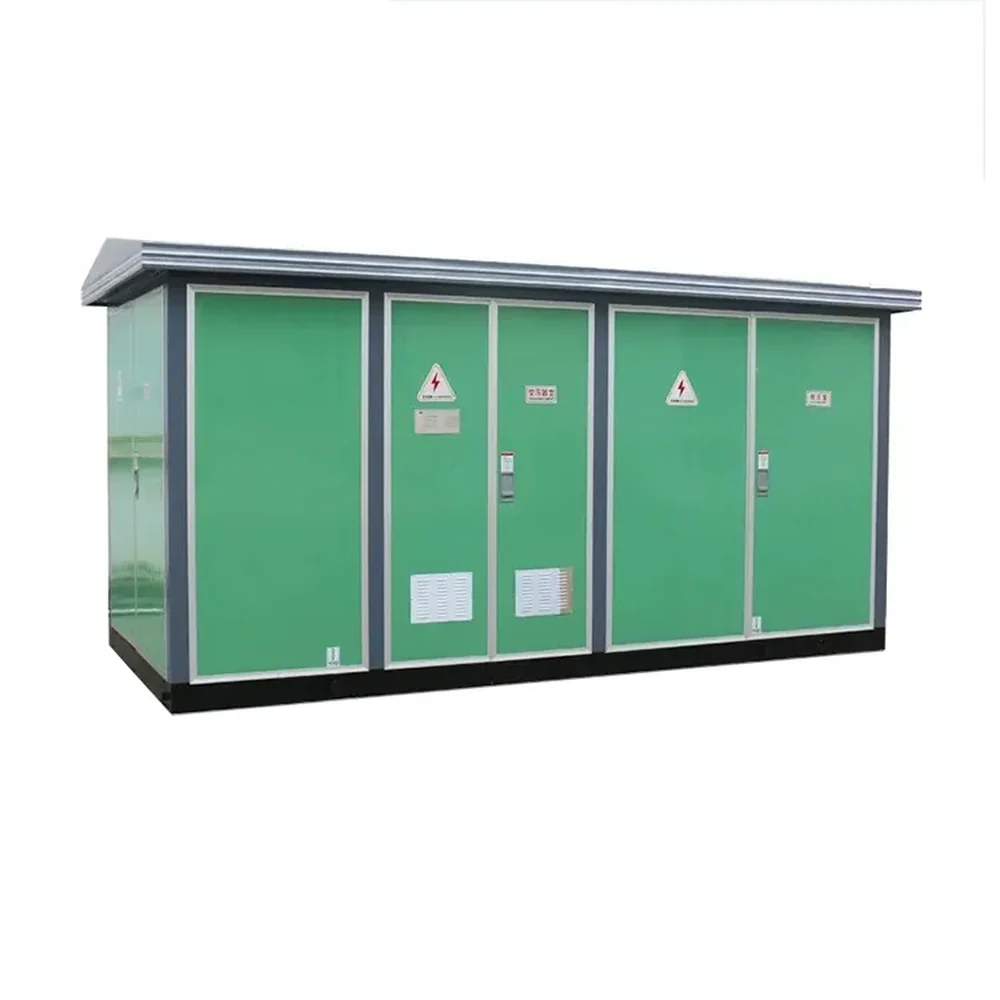
Record foundation and access condition, enclosure integrity, ventilation or environmental provisions, cable entries and terminations, earthing, labels, phase identification, and interfaces with upstream and downstream equipment.
Review the approved protection and control scheme, secondary wiring, interlocks, trip and close paths, remote or local controls, and test records. Leave settings and acceptance criteria to the approved study and commissioning procedure.
List each inspection, test, drawing check, responsible person, evidence reference, result, open action, and decision owner. Missing evidence should remain open instead of being closed by assumption.
| Substation RFQ / review input | Why it is needed | Responsible source |
|---|---|---|
| Current single-line and circuit schedule | Defines incoming and outgoing scope | Electrical design lead |
| Enclosure, foundation, and cable-entry context | Identifies site-interface constraints | Civil or site engineer |
| Protection, interlock, and evidence status | Defines the technical clarification | Commissioning lead |
| Open switching decision and schedule | Frames ownership and response timing | Project authority |
| ## Part 6. Use the compact substation page as catalogue context |
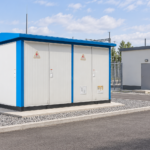
Shenheng Power lists an 11kV/33kV YB series compact outdoor electrical substation. The page supports an early product-family discussion, not a claim about a project configuration, protection setting, certification, or energization readiness.
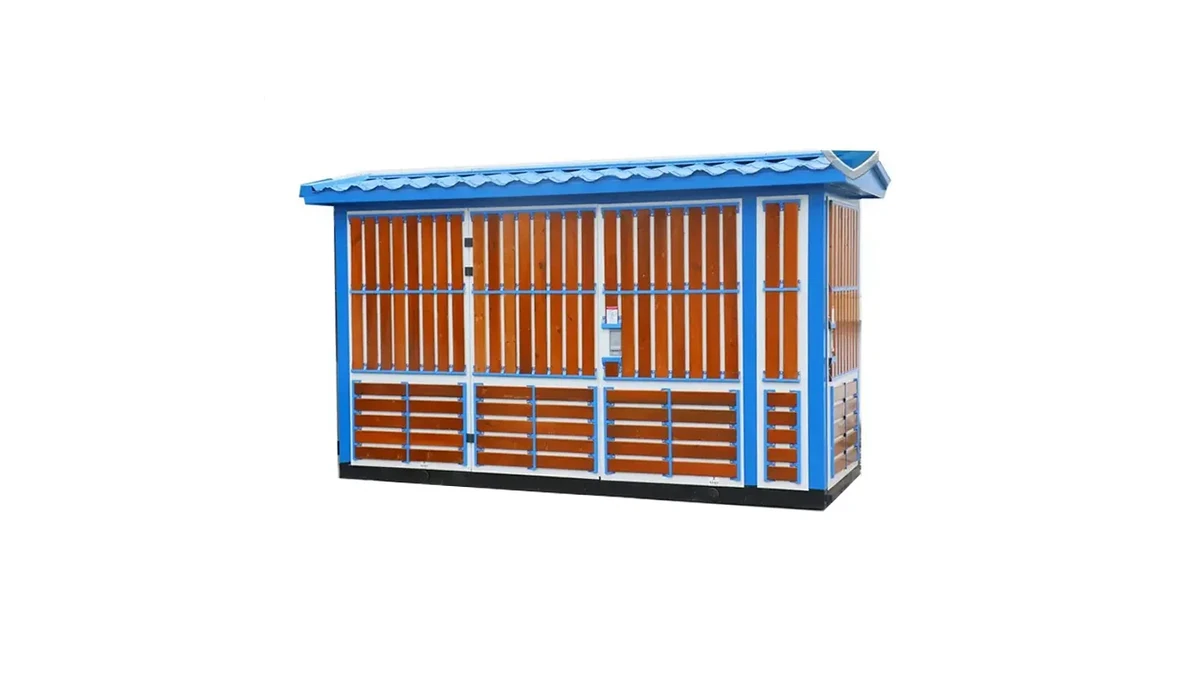
Product recommendation: review the 11kV/33kV YB series compact outdoor electrical substation only as catalogue context; confirm project fit from the approved record.
Retain approved drawings, test and inspection records, settings references, switching instructions, interface actions, deviations, maintenance information, and approvals. Send these inputs with an enquiry when project fit or configuration needs clarification.
For the next engineering step, contact Shenheng Power with the current drawings, equipment role, site or circuit inputs, interfaces, available evidence, document requirements, and questions requiring confirmation for this switching substation review.
Define the approved scope, current drawings, equipment identity, responsible authority, safe-work controls, and evidence required before any energization decision.
Check foundation and access, enclosure condition, cable entries and terminations, earthing, labels, phase identification, ventilation or environmental provisions, and interfaces shown in the design.
No. Approved protection studies, project procedures, qualified personnel, and the designated authority determine settings, tests, sequence, and acceptance.
Interlocks connect switching, control, protection, and safe operation. Their evidence must be checked against the approved scheme and installed equipment.
No. A catalogue page gives product-family context; readiness depends on the installed asset, controlled records, test evidence, and project approval.
Send current drawings, equipment schedule, circuit and interface details, approved test scope, protection references, available evidence, open actions, schedule, and the specific decision requiring review.