Shenheng Power Equipment Co., Ltd.
- Home
- Products
Products
Since 2001, Shenheng Power has been a trusted manufacturer of power transmission and distribution equipment, delivering reliable electrical solutions globally.
- Solutions
- News & Blog
- Service
- About Us
- Contact Us
Since 2001, Shenheng Power has been a trusted manufacturer of power transmission and distribution equipment, delivering reliable electrical solutions globally.
An 11kV VCB breaker commissioning review is a controlled evidence exercise. It should connect the installed device, approved plan, system interfaces, test or inspection evidence, responsibility assignments, and the project authority that can make a readiness decision.
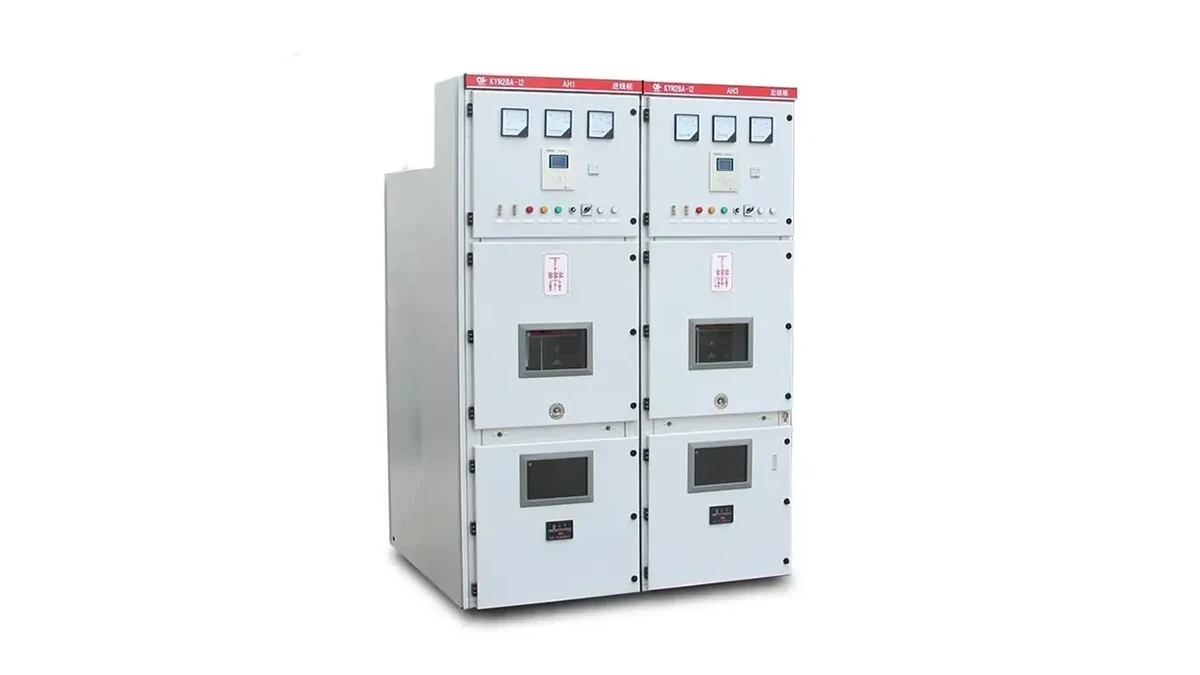
For related context, read the 11kV breaker specification checklist and vacuum circuit breaker testing basics.
Important: IEC 62271-100 provides circuit-breaker context; approved project procedures and qualified personnel determine actual test activities, values, safe-work controls, and acceptance. (IEC 62271-100)
An 11kV VCB commissioning review should follow the approved project plan and identify the installed device, controlled drawings, responsible personnel, defined procedures, acceptance authority, and open actions. It does not give a generic checklist authority to set operating values or accept a circuit.
Compare the installed breaker and panel designation with the current single-line diagram, equipment schedule, approved configuration information, secondary-circuit records, and change notices. Differences should be assigned to the project authority before they are treated as a minor site variation.
| Commissioning baseline | Controlled evidence | Review purpose |
|---|---|---|
| Device and panel identity | Equipment schedule and installation record | Connects evidence to the installed device |
| System context | Current single-line diagram | Identifies switching and protection dependencies |
| Planned activity | Approved commissioning procedure | Defines authorized work scope |
| Change status | Relevant change notice | Identifies late project changes |
| ## Part 3. Organize evidence around approved test and inspection activities |
Record each planned activity, procedure reference, person responsible, evidence produced, result status, decision owner, and unresolved action. The commissioning plan, not a generic page, determines test methods, values, sequence, and acceptance criteria.
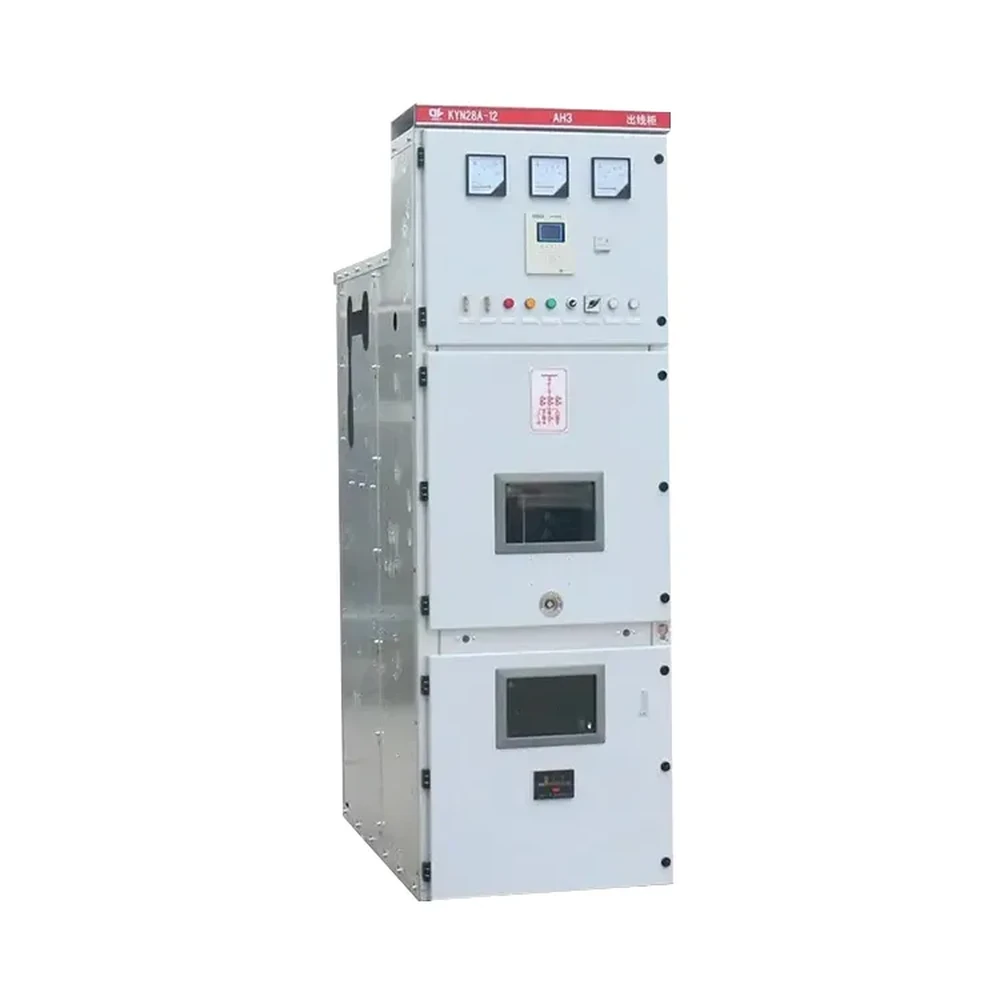
A VCB breaker operates within a system of protection responsibilities, secondary wiring, interlocks, connected cables, earthing, access controls, and upstream or downstream equipment. The review should check that these dependencies have the project evidence and owners required by the commissioning plan.
Unclear settings ownership, missing test records, an unresolved drawing conflict, incomplete interlock evidence, or a condition beyond the approved procedure should remain open for the responsible project authority. An unchecked assumption is not evidence of commissioning readiness.
| RFQ / engineering-review input | Why it is needed | Project owner |
|---|---|---|
| Current drawings and device record | Establishes configuration basis | Design lead |
| Commissioning-plan scope and evidence | Defines the review question | Commissioning lead |
| Protection, interlock, and interface status | Identifies system dependencies | Electrical lead |
| Open action and required decision | Keeps ownership visible | Project authority |
| ## Part 6. Use the catalogue system page as a discussion reference |
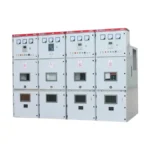
Shenheng Power lists a KYN28-12 medium voltage switchgear system for catalogue context. It can support a discussion of a project system, but it does not prove that an installed 11kV VCB has a particular rating, protection setting, test result, or acceptance status.
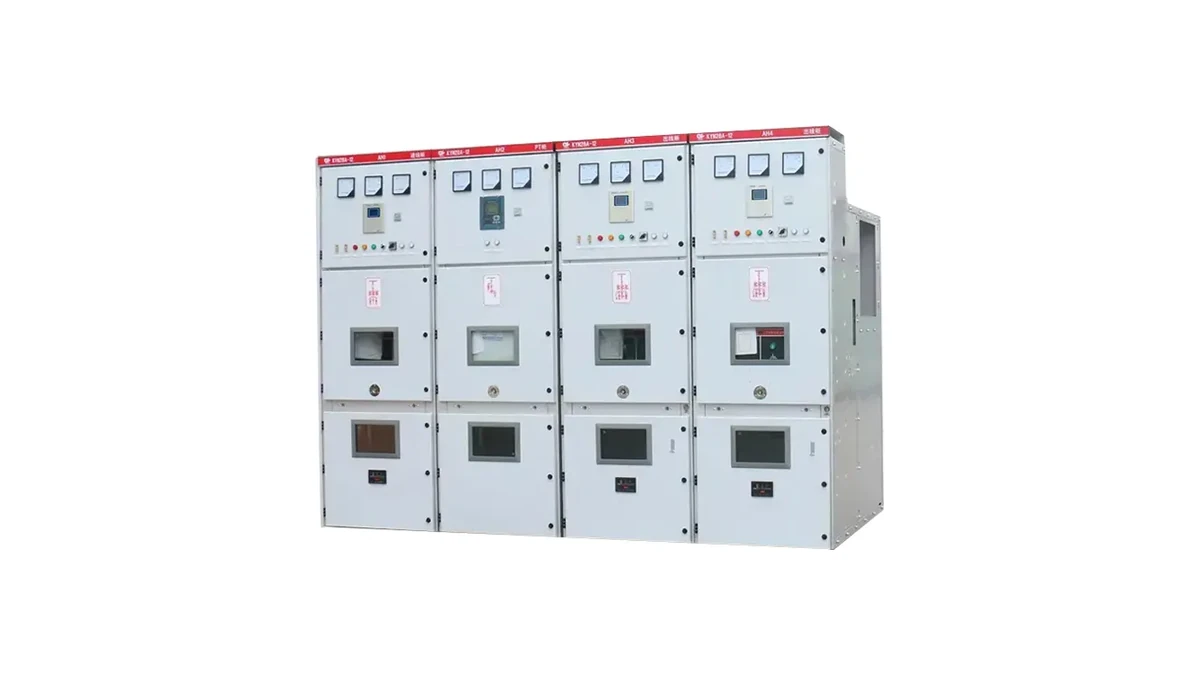
Product recommendation: review the KYN28-12 medium voltage switchgear system only as catalogue context for a controlled project discussion.
Retain the final controlled drawings, device identification, test and inspection evidence, setting references, interlock records, interface actions, approvals, and outstanding items. This record gives operations and maintenance teams a traceable basis for later work and change control.
For a VCB commissioning review, contact Shenheng Power with the current drawings, device record, plan scope, available evidence, setting references, interface status, and the decision requiring review.
Check the installed device identity, current drawings, approved commissioning plan, assigned responsibilities, switching and protection interfaces, required evidence, open actions, and authority for final decisions.
No. The approved project plan and qualified personnel define test methods, values, sequence, acceptance criteria, and safe-work requirements.
They are system interfaces that may affect the approved control, protection, and switching arrangement. Review them through the project records and applicable commissioning procedure.
The designated project authority, design owner, commissioning lead, or other responsible party named in the approved plan should close it with the required evidence.
No. A catalogue page supports a product-family discussion, while readiness depends on the installed equipment and controlled project commissioning evidence.
Provide current drawings, device and panel records, the approved plan, test or inspection evidence, setting references, interface status, open actions, and the specific decision that requires review.