
 شركة شنغهنغ لعدات الطاقة المحدودة.



transformer tap changer types requires a clear engineering boundary before it can support a purchase, inspection or commissioning decision. Transformer tap changer types are selected by the voltage-regulation duty, switching frequency, load condition, fault environment, maintenance capability and transformer construction. An off-circuit tap link is suitable for a planned de-energized adjustment, while an on-load tap changer can change ratio during service through a diverter and selector arrangement. The choice must match the control philosophy and the complete transformer design, not only the desired voltage range.
Off-circuit and on-load duties
An off-circuit or de-energized tap changer is operated only when the transformer is isolated and safely discharged under the approved procedure. An on-load tap changer is designed for ratio changes while carrying load and therefore includes switching, transition and control components.
Confirm the nameplate range, step positions, operating state and interlocks. Do not move an off-circuit link on an energized transformer, and do not assume an on-load mechanism can be operated without its controller, motor supply and protection.
Selector, diverter and transition parts
On-load designs use a selector to choose the tap and a diverter or switching element to transfer current with controlled transition. The exact resistor, reactor, vacuum or oil technology depends on the manufacturer.
Request the tap-changer diagram, sequence, rated through-current, motor duty, contact inspection method and transition evidence. Avoid mixing a controller, diverter or position transmitter from another design without engineering approval.
Match the voltage-regulation objective
The tap range should address expected source variation, feeder voltage drop, load profile and the required secondary voltage. A wider range can affect insulation coordination, short-circuit impedance, control complexity and mechanical travel.
Use the network voltage study and transformer ratio calculation to define the normal position, limits, blocking logic and alarm thresholds. Keep the regulation target and permissible deadband in the approved control philosophy.
Control, indication and remote operation
A motorized tap changer needs control power, local and remote modes, position feedback, raise or lower commands, limit switches, counter, alarm and a safe response to a failed motor or controller.
Test command, permissive, travel, position, timeout, limit, manual override and remote indication. Confirm that a stale position cannot be presented as a healthy value. Keep local operation and mechanical indication available for maintenance.
Maintenance and oil or vacuum condition
Tap contacts, diverter compartments, oil condition, transition resistors, vacuum bottles, linkages and seals have different maintenance needs. Operating count and fault history should guide inspection.
Request the manufacturer interval, test method, oil or vacuum checks and spare strategy. Investigate arcing signs, abnormal sound, slow travel or position disagreement before returning the transformer to service.
Specify and verify the purchase
A procurement matrix should include tap type, positions, range, rated through-current, control voltage, motor duty, position indication, regulation controller, alarms, tests, maintenance and environmental limits.
Mark each item confirmed, excluded or requiring clarification. Verify the delivered nameplate, wiring, position, controller settings and as-built drawing against the approved design.
Classify tap changers by duty and construction
Use two levels of classification when comparing tap changers. The first is operating duty: de-energized or on-load. The second is the actual mechanical and switching construction used to perform that duty. A rotary handle, a linear selector or a motor-drive cabinet is a visible feature, but its appearance is not sufficient to determine whether energized switching is permitted. Identify the mechanism from the supplied type designation and operating manual. Never operate a de-energized tap changer merely because the transformer is carrying no load; the approved de-energization and isolation requirements still apply.
For an on-load design, distinguish the selection function from the transition function. Different constructions may combine or separate those functions, and may use resistance or reactance arrangements to manage the transition. Oil and vacuum switching technologies also have different inspection and maintenance requirements. These categories describe design approaches rather than a universal quality ranking. Compare them against the specified current, switching duty, operating frequency, service access and manufacturer’s instructions. A technology label cannot replace evidence that the exact unit is suitable for the transformer and its regulation task.
The drive and control package forms another part of the comparison. Confirm local operation, remote operation, position indication, limit handling, alarms and the relationship with any automatic voltage controller. Establish how an interrupted operation or failed position indication is handled by the supplied design. Do not infer that the transformer tap position is known merely because a remote command was sent. The recorded position should come from the appropriate feedback and be interpreted according to the manufacturer’s scheme. Any parallel-transformer control arrangement needs its own approved coordination method.
A practical purchase schedule therefore separates operating duty, mechanism type, transition technology, tap range, step size, drive, indication, control and maintenance provisions. Ask the supplier to complete those fields for the offered equipment and identify the relevant drawings and manuals. Retain the actual type information in the asset register so later maintenance does not use instructions for a superficially similar mechanism. Final selection should reflect voltage-regulation needs and the site’s ability to maintain the equipment, rather than choosing from a list of tap-changer names without their operating context.
استخدام المعايير والأدلة الصادرة من المصنع معًا
تحدد المعايير الإطار والنظريات والمصطلحات الاختبارية، بينما تحدد وثائق المصنع حدود البناء والتشغيل المعتمدة للمعدات المقدمة. ولا يمكن لروابط معيارية أن تثبت أن تعديلات غير معتمدة مقبولة، كما لا يمكن لكتيبات المبيعات أن تحل محل مواصفات المشروع أو قواعد السلامة.
في حالة الشراء، يرجى طلب نطاق الاختبارات القياسية أو اختبار التصميم أو اختبارات النوع، وسجلات الاختبارات الروتينية، وحدود التركيب، وأي تصحيحات تتعلق بالارتفاع أو البيئة. قم بتخزين الأدلة مع سجلات الأصول. عند مناقشة نتائج الاختبار، قم بمقارنة التعاريف وشروط الاختبارات والحدود قبل مقارنة الأرقام.
تخطيط التثبيت والتسليم
تحدد جودة التركيب غالبًا ما إذا بقي التصميم الصوتي سليماً في الموقع. تأكد من أسس التركيب والوصول إليه ورفع الأثقال والمسافات الحرجة والتهوية ومسافة الانحناء للأسلاك والأسلاك الكهربائية واللواصقات ومنافذ التحكم قبل بدء التشغيل. استخدم بيان الطريقة المعتمد ونظام التصاريح. ولا يشكل وجود خزانة نظيفة دليلاً على أن كل رابط أو رابطة أو مستشعر متصل بشكل صحيح.
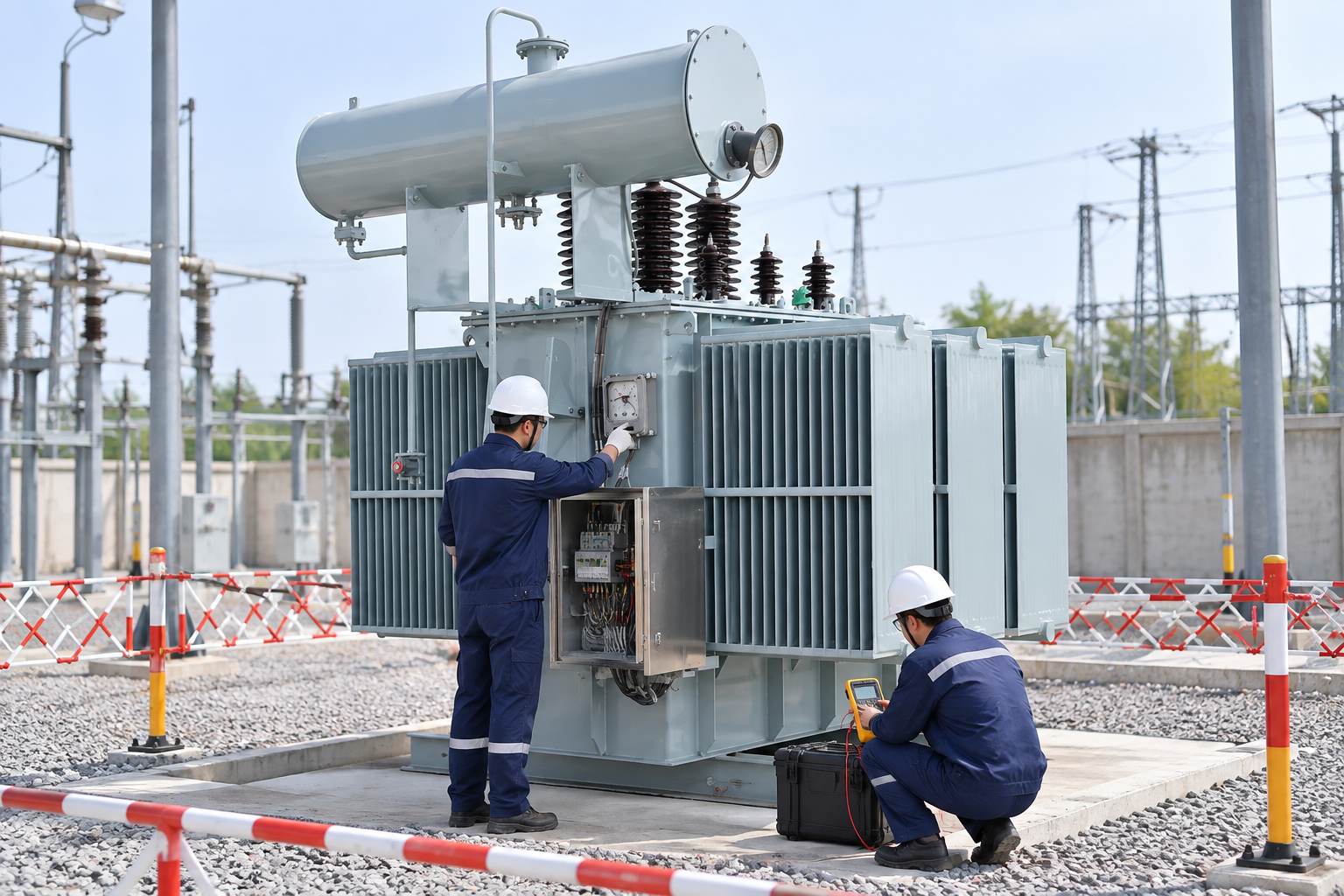
ينبغي أن يتجاوز تشغيل الجهاز فحص الوثائق إلى الفحص البصري، والتشغيل الميكانيكي، واستمرار التيار الكهربائي، والمنطق الوظيفي، واختبارات الحماية أو التحكم، والاستعادة النهائية. يجب تسجيل هوية الجهاز وإعداداته والقيم الخام واستثناءاته، وكذلك هوية الشخص الذي أجرى الاختبار أو الفحص. يجب عزل المعدات عند تعرضها لأي خطر أثناء الاختبار أو الفحص.
تحويل السلطة والتسليم
قد يؤدي تغيير مسار الكابل أو إعداد الترددات أو موضع الفتحة أو مسار التبريد أو وصلة الأرض إلى تغيير الأساس التصميمي الأصلي. استخدم عملية تغيير محكومة مع مالك المشروع، واستعرضها، وراجعها، واعتمدها. يجب إزالة الترتيبات الاختبارية المؤقتة أو وضع علامات واضحة عليها قبل التسليم.
ينبغي أن يتضمن الحزمة النهائية رسومات للموقع، وصورًا من الاختبارات، وإعدادات معتمدة، وتحديد هوية المعدات، وإرشادات الصيانة، والتحذيرات، وسجلات التدريب. ويجب أن يكون قادرًا مشغل المستقبل على إعادة إنتاج القرار دون الاعتماد على الذاكرة أو صورة بلا تسمية.
ملاحظة السلامة
يمكن أن يحتفظ المعدات الكهربائية بالطاقة ويمكنها أن تتم تغذيتها من أكثر من مصدر. هذه المقالة ليست تعليمات لتغيير الإجراءات. يجب على الموظفين المؤهلين اتباع اللوائح المحلية، والتقيّد بالتباعد، والتحقق من انعدام الجهد، وقيامهم بتثبيت أسلاك التوصيل والإشراف على العملية. لا تلمسوا قط مقصورة مشغولة أو تفلتوا من نظام التثبيت الأمني لإجراء قياس.
إذا فشل الاختبار أو أصيب الغلاف بأضرار، أو لوحظ وجود ضوضاء غير طبيعية أو انبعاثات، أو لم يتضح التصميم الفعلي، فاحفظ الجهاز في وضع آمن وقم بتسليط الضوء على المهندس المسؤول. قد يؤدي تكرار التشغيل دون تشخيص إلى زيادة الضرر والمخاطر.
كيفية استخدام النتيجة في مشروع
ابدأ من التصميم المتاح وتحديد هوية المعدات النهائية. لاحظ الحالة التشغيلية ونقطة القياس والظروف البيئية والقرارات التي يجب أن تدعمها الأدلة. ثم قارن السجل مع المعيار المعمول به، وإرشادات الشركة المصنعة، وخطة قبول المشروع. وفي حال عدم وجود شرط أساسي، ابق البند مفتوحًا بدلاً من ملأ الفجوة بقيمة عامة. هذا يمنح فرق المشتريات والتشغيل نقطة مرجعية واحدة.
في حال طلبك من المورد، اسأل عن أساس الحساب، والتنظيم المعتمد، والحدود، وسجلات الاختبارات والخلل. وفي حالة أعمال الموقع، قم بتسجيل الشخص، والأداة، والتاريخ، وحاجز العزل، وفحوصات الترميم. إن تسجيل بسيط هو أكثر فائدة من التقرير الطويل الذي يغفل المعلومات الأساسية اللازمة للموافقة على الخطوة التالية.
| تحقق | الأدلة | استخدام القرار |
|---|---|---|
| تعريف | الحدود، هوية المعدات وحالة التشغيل | يمنع الفرق المختلفة من مقارنة كميات مختلفة. |
| أساس التصميم | تقييمات، بيئة وظروف العمل | يُربط الإجابة بالتركيب الفعلي. |
| التحقق | الطريقة المعتمدة والأداة المستخدمة والنتيجة الخامة ومبدأ القبول | يخلق سجل قابل للتدقيق. |
| تحكم التغيير | التجاوز، مراجعة المالك والتعديل المنجز | يمنع تغييرات الحقول المخفية من أن تصبح خطراً. |
| تسليم | الإعدادات والاختبارات والصور والصيانة والاستثناءات | يدعم التشغيل الآمن في المستقبل. |
دليل المنتجات والتكنولوجيا ذات الصلة
للحصول على سياق المنتج Shenheng المطابق، راجع صفحة المنتج المعنية. بالنسبة للموضوع الأوسع، اقرأ دليل الهندسة الأب. قراءة ذات صلة: دليل أول متعلق و دليل آخر ذو صلة.
المصادر والمعايير
IEC 60214-1: Tap-changer performance requirements and tests · IEC/IEEE 60214-2: Tap-changer application guidelines
صورة فيديو للبيئة النظامية
يوفر هذا الفيديو التعليمي الصادر عن Practical Engineering معلومات أساسية عن محطات الطاقة، والمحولات، والمولدات الكهربائية. إنه إطار تعليمي، وليس تعليمات بشأن تبديل التيار الكهربائي أو الاختبارات.

الأسئلة الشائعة
ما هي الخطوة الأولى؟
Define the exact transformer tap changer types boundary, equipment identity and operating state before comparing a value or feature.
هل يمكن أن تحل صفحة الكتالوج محل مهندسي المشروع؟
لا. تحدد صفحة المنتج المرتبطة عائلة معدات شينغينغ ذات صلة. وتحدد الطرازات والمعدات والإجراءات القياسية المضمنة وخطة قبول المشروع القرار النهائي.
ما هي الأدلة التي ينبغي الاحتفاظ بها؟
احتفظ بالرسمة المعتمدة، والحساب أو طريقة الاختبار، والقراءات الخامة، والصور الفوتوغرافية، وتفاصيل الأجهزة، والقصورات، والإعدادات، والسجل النهائي للمشروع كما هو.
هل يُمكِّن هذا المقال من العمل المباشر؟
لا. يجب على الموظفين المؤهلين اتباع برنامج السلامة الكهربائية للموقع، وإرشادات الشركة المصنّعة، والتقيّد بها.




