Shenheng Power Equipment Co., Ltd.
- Home
- Products
Products
Since 2001, Shenheng Power has been a trusted manufacturer of power transmission and distribution equipment, delivering reliable electrical solutions globally.
- Solutions
- News & Blog
- Service
- About Us
- Contact Us
Since 2001, Shenheng Power has been a trusted manufacturer of power transmission and distribution equipment, delivering reliable electrical solutions globally.
Common RMU specification mistakes usually appear before a supplier replies: the network role is unclear, interfaces are assumed, protection ownership is omitted, or commercial exclusions are mixed into technical scope. A controlled input record makes those gaps visible before they become quotation differences.
For nearby decisions, see the load break switch RMU selection guide and RMU protection coordination.
Important: IEC 62271-103 provides switch context; the approved project design defines the actual network, control, protection, and acceptance requirements. (IEC 62271-103)
An RMU specification should begin with the project network role, the controlled single-line diagram, the relevant interfaces, and the responsible design authority. A product name alone does not state how the unit fits the cable network or which project decisions remain open.
A specification should point to the approved information for incoming and outgoing circuits, cable approach, earthing interface, site access, and responsibility boundaries. These are project inputs that cannot be settled by copying a generic product description.
| Specification input | Controlled evidence | Why it prevents a gap |
|---|---|---|
| Network role | Current single-line diagram | Connects the RMU to the intended circuit |
| External circuits | Cable and interface information | Clarifies incoming and outgoing boundaries |
| Site conditions | Approved project requirements | Avoids assumed installation context |
| Decision authority | Named responsible party | Makes unresolved items traceable |
| ## Part 3. Treating protection and control as assumed inclusions |
Protection functions, settings, secondary wiring, interlocks, control interfaces, and test responsibilities must be defined by the approved project design. A quotation should identify what is supplied, what must be clarified, and who owns the applicable engineering decisions.
Keep the offered equipment, documents, delivery basis, site services, tests, accessories, exclusions, and commercial assumptions in separate fields. A comparison becomes unreliable when a price difference hides a different interface or document scope.
Before seeking a quotation review, prepare the available diagram, network role, interface conditions, site environment, cable and earthing information, requested document list, quantity, delivery constraints, and named decision contacts. This gives suppliers a basis for clear exceptions and questions.
| RFQ / project input | Why Shenheng Power needs it | Responsible source |
|---|---|---|
| Network role and one-line reference | Frames the requested configuration | Electrical design lead |
| Cable, earthing, and control interfaces | Identifies scope boundaries | Electrical contractor |
| Site and delivery context | Identifies relevant project constraints | Project manager |
| Required documents and review ownership | Aligns quotation and approvals | Document controller |
| ## Part 6. Using a catalogue page as a final specification |
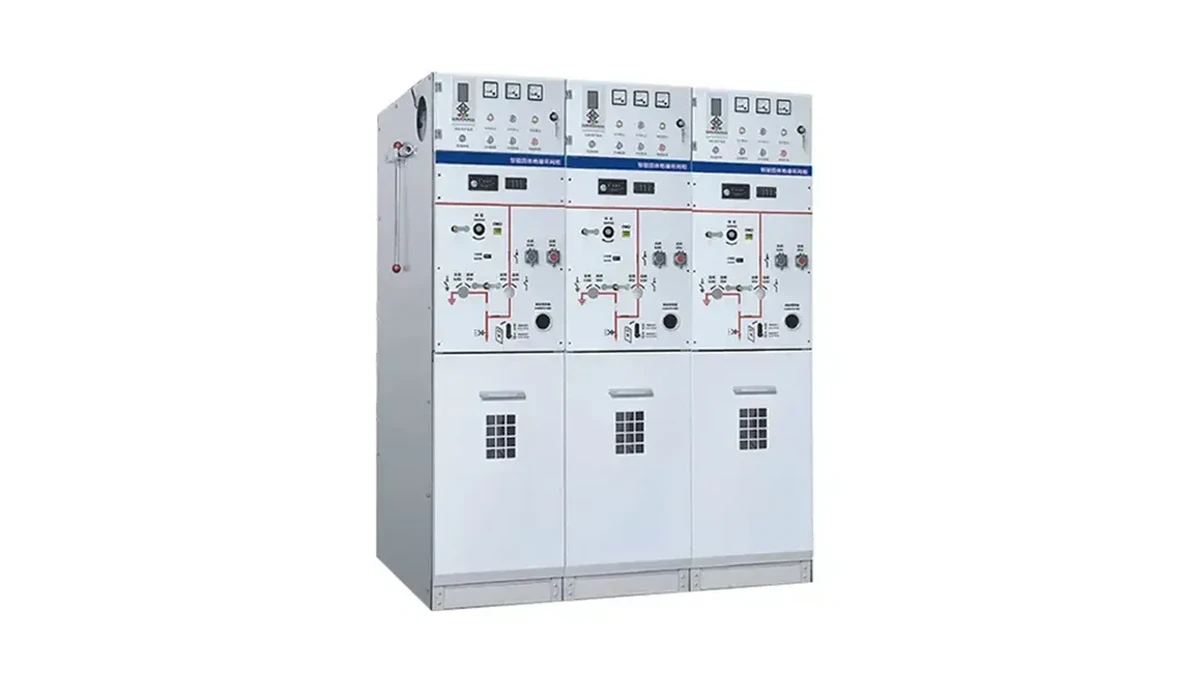
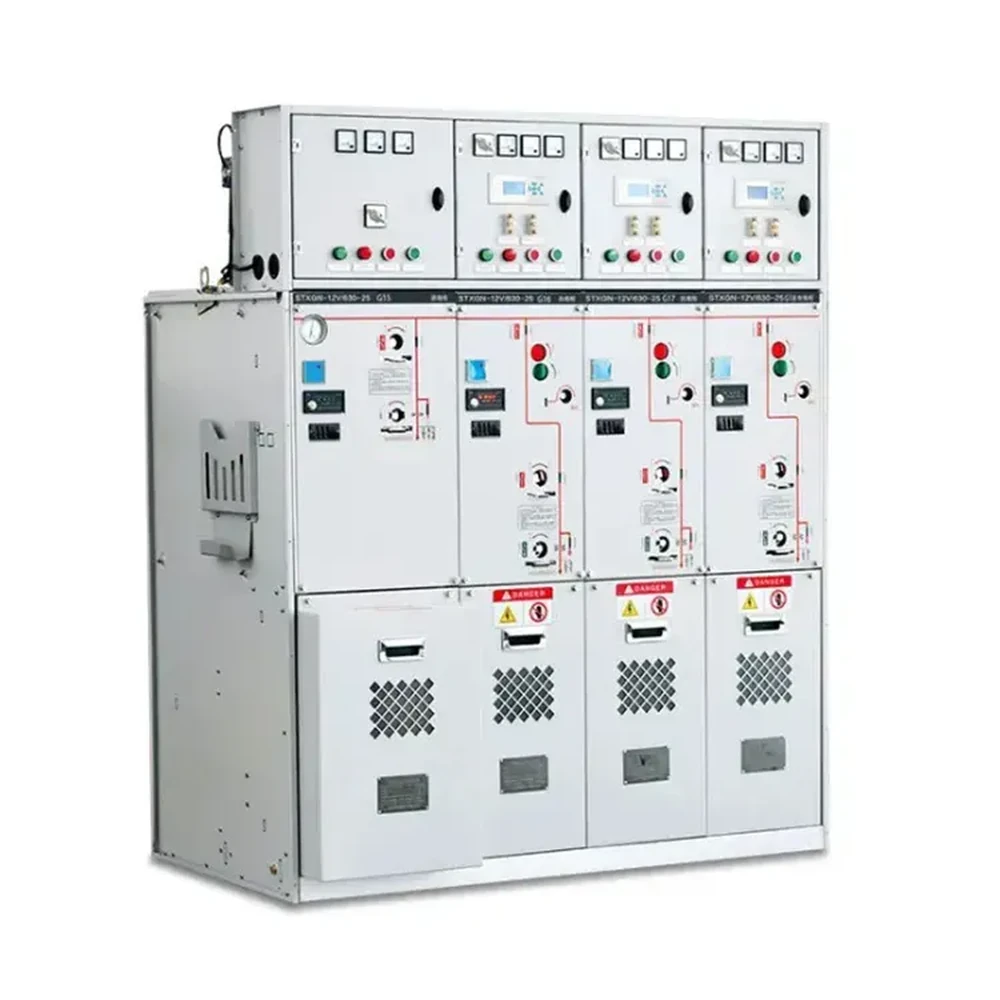
Shenheng Power lists RMU SF6 gas insulated MV switchgear for catalogue discussion. The page can support early product-family review, but it cannot confirm the final arrangement, protection settings, fault duty, compliance basis, or acceptance for a particular network.
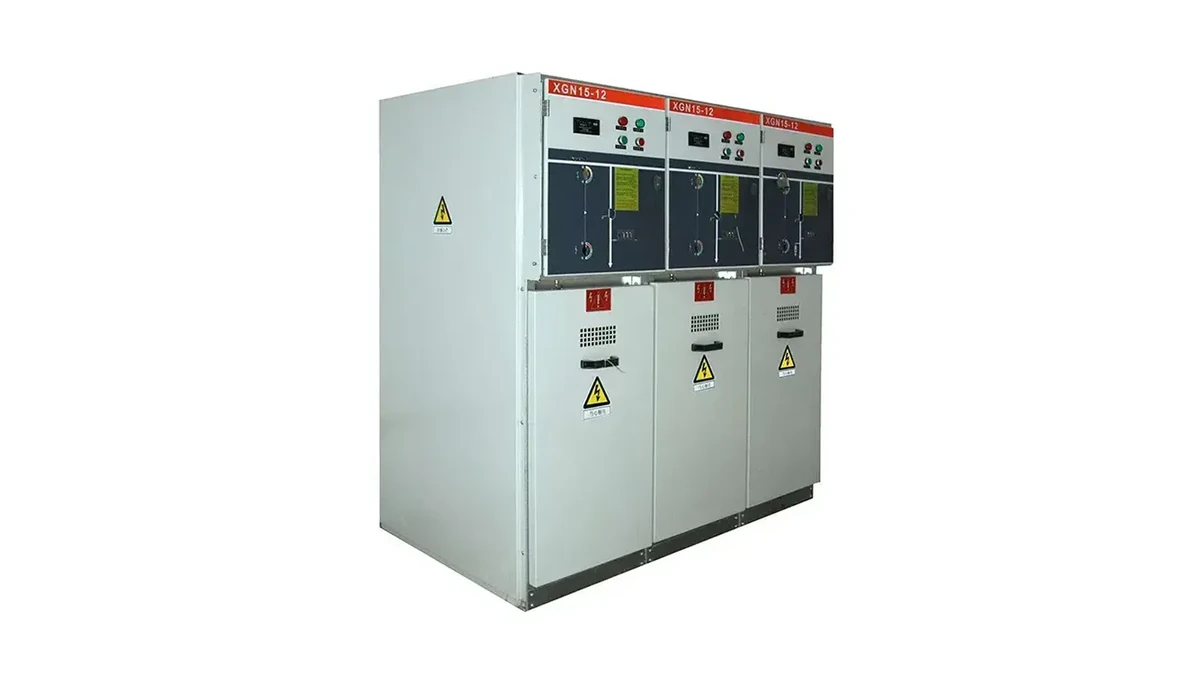
Product recommendation: review the RMU SF6 gas insulated MV switchgear as catalogue context after project inputs are controlled.
Keep the issued specification, supplier responses, exceptions, drawing references, decisions, and unresolved actions in one project record. The trail helps procurement and engineering distinguish an agreed configuration from an assumption carried forward from an early enquiry.
For an RMU specification discussion, contact Shenheng Power with the current one-line diagram, network role, interfaces, site information, required documents, quantity, delivery constraints, and review responsibilities.
Start with the controlled network role and single-line diagram, then identify interfaces, site conditions, responsible design authority, and the project inputs that remain open.
Cable approach, earthing, access, and external interfaces affect the project arrangement. Recording them makes scope differences visible before quotation or installation.
No. Protection functions, settings, wiring, and tests must follow the approved project design and the responsible engineering process.
Normalize every response against the same controlled project inputs, then separately compare equipment scope, interfaces, documents, delivery basis, exclusions, and clarification responses.
Provide the available single-line diagram, network role, site and cable information, earthing concept, requested documents, quantity, delivery constraints, and review responsibilities.
Retain the issued request, supplier response, exception list, approved decision, drawing reference, and any open action in the project record.