Shenheng Power Equipment Co., Ltd.
- Home
- Products
Products
Since 2001, Shenheng Power has been a trusted manufacturer of power transmission and distribution equipment, delivering reliable electrical solutions globally.
- Solutions
- News & Blog
- Service
- About Us
- Contact Us
Since 2001, Shenheng Power has been a trusted manufacturer of power transmission and distribution equipment, delivering reliable electrical solutions globally.
A distribution transformer substation plan succeeds when the EPC team treats the equipment as one project interface among civil work, electrical connections, delivery, documents, and commissioning. Establish the controlled basis before asking a catalogue page or an early quotation to answer unresolved site questions.
For supporting scope, read the box type substation RFQ checklist and compact substation foundation requirements.
Important: IEC 62271-202 gives prefabricated-substation context; final civil and electrical requirements must come from the approved project design. (IEC 62271-202)
An EPC team should first identify the system role, the controlled drawing set, the site constraints already confirmed, and the responsible design authority. This keeps early equipment discussions aligned with the actual project rather than an assumed standard layout.
Location, finished level, foundation basis, drainage approach, access route, lifting constraints, and neighbouring services all belong in the project interface record. The responsible civil and logistics teams should close these items against the latest approved information.
| EPC planning item | Project record to use | Owner to confirm |
|---|---|---|
| Proposed location | Approved site plan and levels | Civil lead |
| Delivery route | Logistics and lifting record | Site logistics lead |
| Foundation basis | Current civil drawing | Design and civil leads |
| Surrounding conditions | Access, drainage, and service constraints | Project manager |
| ## Part 3. Coordinate electrical connections as project inputs |
Record the available single-line diagram, voltage arrangement, cable approach, grounding concept, upstream and downstream interfaces, and protection responsibilities. A product category cannot determine these details because they depend on the approved electrical design.
Separate supplier equipment scope from work carried out by civil, electrical, logistics, or commissioning parties. A register of open interfaces makes it easier to identify who must provide data, approve a drawing, or confirm an installation condition.
Give the equipment discussion the same controlled inputs used by the project team. The enquiry should identify the drawing revision, system context, site and delivery conditions, required documents, and unresolved interfaces rather than relying on a short product description.
| RFQ / project input | Why Shenheng Power needs it | Project source |
|---|---|---|
| Controlled drawing register | Identifies the review basis | Document controller |
| Electrical arrangement | Frames transformer and connection discussion | Electrical lead |
| Site and delivery conditions | Identifies field interfaces | Civil and logistics leads |
| Required submissions | Aligns the document package | Project manager |
| ## Part 6. Use the catalogue page after the design conversation is framed |
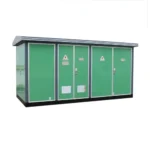
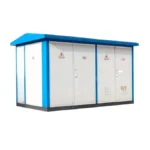
Shenheng Power lists an 11kV/33kV YB series compact outdoor electrical substation for catalogue review. It can help the EPC team discuss a product family once project inputs are available, but it does not approve a foundation, electrical interface, or local requirement.
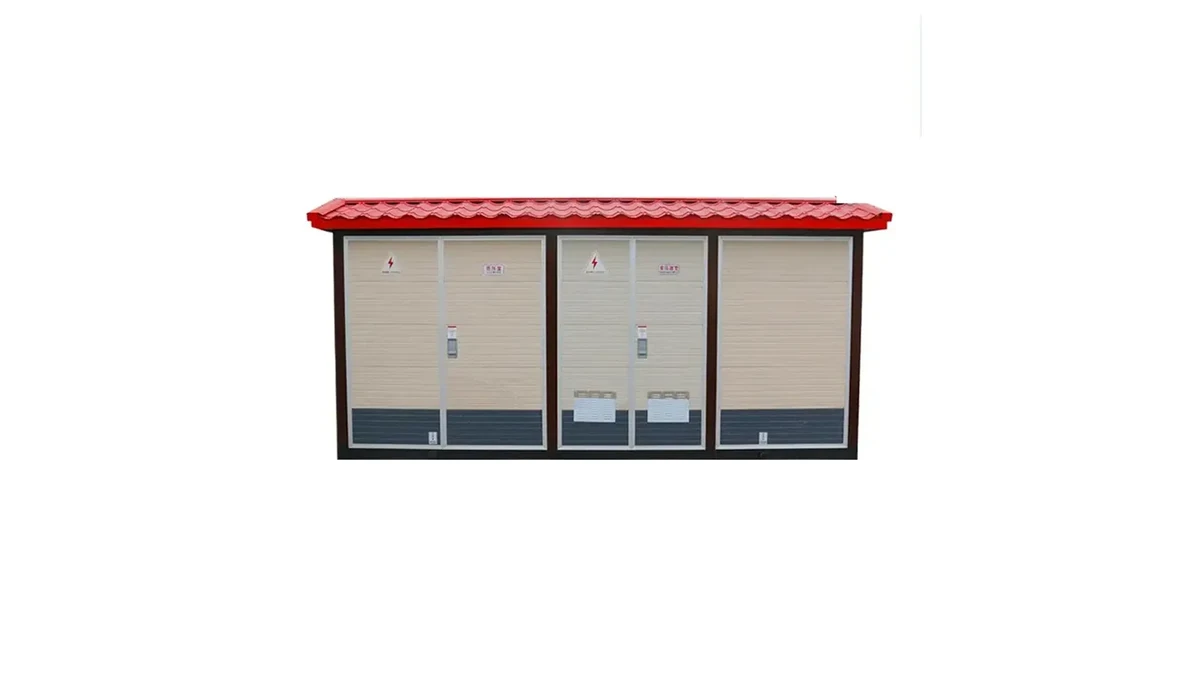
Product recommendation: review the 11kV/33kV YB series compact outdoor electrical substation as catalogue context after the project basis is complete.
Retain the approved drawings, interface decisions, delivery conditions, document submissions, site records, and commissioning responsibilities. A traceable handover package lets the construction and commissioning teams see which decisions are complete and which require formal closure.
For a substation project discussion, contact Shenheng Power with the controlled drawings, electrical arrangement, site and delivery conditions, required documents, and interface questions.
Define the system role, controlled drawings, project voltage arrangement, site constraints, responsible design authority, and the interface owners who must provide or approve project information.
Foundation requirements depend on the approved configuration, site conditions, civil design, delivery method, and local project requirements. Confirm them through the responsible design documents.
Provide the available single-line diagram, voltage arrangement, cable approach, grounding concept, equipment role, interface expectations, and required documents for the project review.
Record the route, lifting constraints, temporary access conditions, site restrictions, and the party responsible for confirming the route before equipment delivery is arranged.
No. A catalogue page is useful for an early product-family discussion, while the final arrangement must come from approved project drawings and responsible engineering review.
Include approved drawings, interface decisions, equipment and document records, delivery conditions, installation evidence, commissioning responsibilities, and unresolved actions controlled by the project.