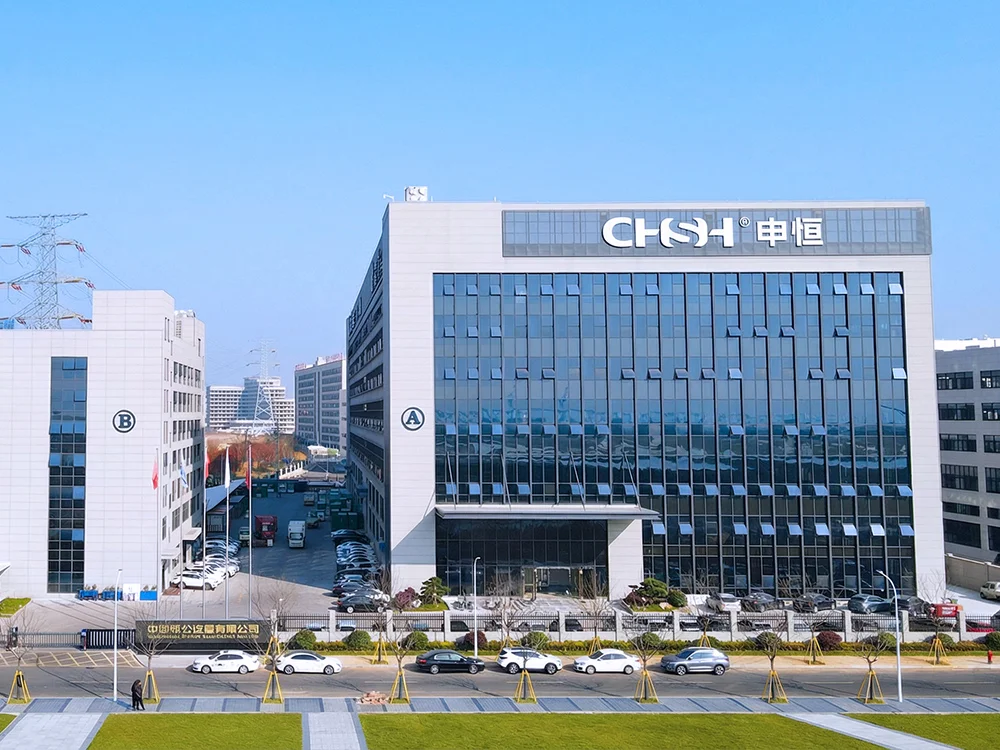
Shenheng Power Equipment Co., Ltd.
- Home
- Products
Products
Since 2001, Shenheng Power has been a trusted manufacturer of power transmission and distribution equipment, delivering reliable electrical solutions globally.
- Solutions
- News & Blog
- Service
- About Us
- Contact Us
Since 2001, Shenheng Power has been a trusted manufacturer of power transmission and distribution equipment, delivering reliable electrical solutions globally.
Utility and industrial buyers specifying a box type substation need a controlled RFQ that aligns transformer kVA, MV switching, LV distribution, and foundation interfaces before vendors quote “similar” outdoor packages.
This box type substation guide focuses on practical procurement and layout controls for the package below. Pair the checklist with the approved single-line for box-type-substation-rfq-checklist — it does not replace utility or consultant sign-off.
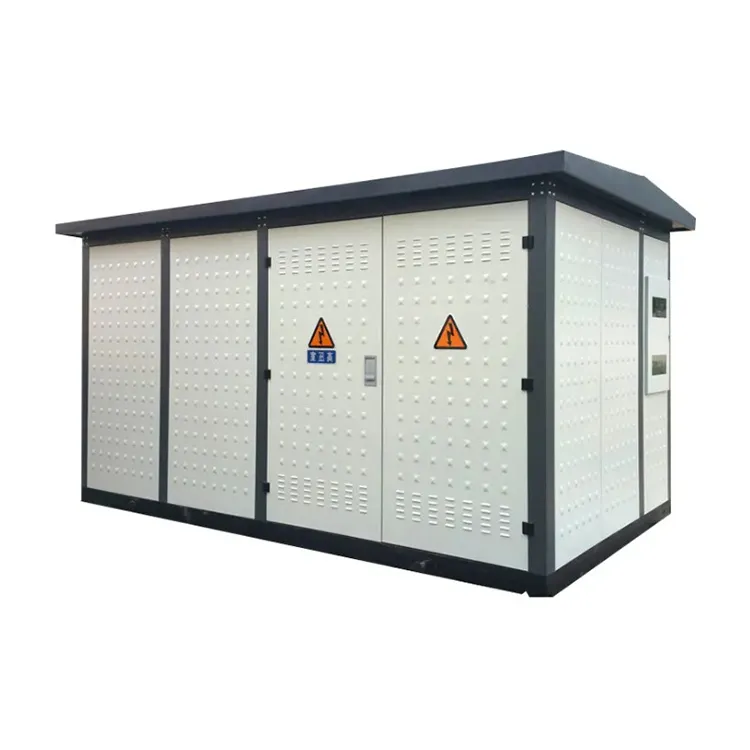
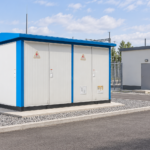
Factory-assembled box type substations compress schedule when sites need repeatable MV-LV nodes — industrial parks, feeder extensions, and renewable collection points.
They still require the same engineering rigor as stick-built yards: fault level, grounding, cable bending radius, and maintenance access must be frozen before enclosure manufacture.
Related reading: compact substation foundation requirements and padmount transformer vs compact substation.
| RFQ field | Why compact packages fail without it | Owner |
|---|---|---|
| MV voltage and switching scheme | Wrong RMU / breaker combination | Single-line |
| Transformer kVA and vector group | Thermal and grounding mismatch | Load study |
| LV board rating and feeder count | Insufficient outgoing ways | LV schedule |
| Foundation load and pad size | Civil redesign after GA | Civil engineer |
| Cable entry elevations | Trench / tray clash | Cable design |
| IP / corrosion / ambient class | Outdoor durability gap | Site environment |
| Noise and fire separation | Community / plant constraints | Ops / HSE |
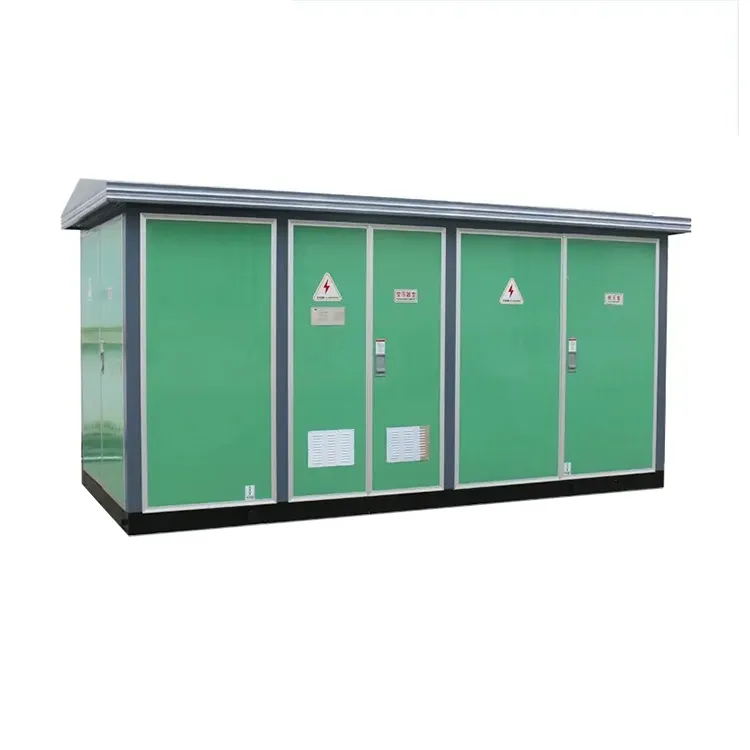
Important: For box type substation, freeze these inputs on a controlled revision before normalizing commercial bids; late changes cascade into civil, protection, and factory drawings — align with IEC standards practice and the project authority source notes.
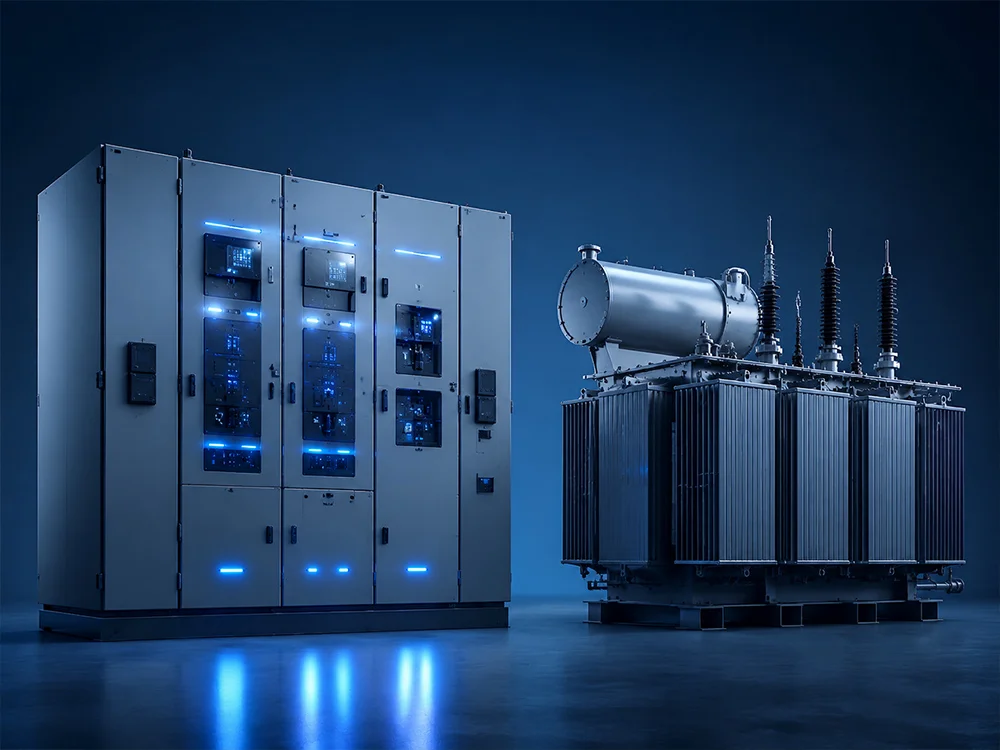
Keep MV switching, transformer, and LV distribution compartments clearly partitioned on the GA. Maintenance doors, oil containment (if liquid-filled), and HV cable boxes must not share conflicting access paths.
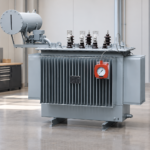
State whether the transformer is dry type or oil immersed inside the package — ventilation and bunding rules change the civil interface.
| Package item | Purpose | Send with quote |
|---|---|---|
| Overall GA with weights | Pad and crane plan | Yes — revision controlled |
| MV/LV single-line inside package | Protection coordination | Yes — locked SLD |
| Foundation reaction loads | Civil design | Yes — before PO |
| Cable entry and gland schedule | Trench interface | Yes — manufacture hold |
| Transformer datasheet + losses | Utility / ops review | Yes — bid stage |
| Factory routine test plan | Witness list | Yes — contract annex |
| Transport / lifting drawing | Logistics planning | Yes — before shipment |
Attach this table to every RFQ revision so vendors return comparable technical packages instead of catalog excerpts.
Verify pad flatness, earthing grid connections, and crane radii before delivery. Pull MV and LV cables only after gland plates match the as-built elevations.
Energize after ratio/insulation checks on the transformer and functional tests on MV switching and LV feeders per the approved sequence.
For many box type substation scopes, begin engineering review with Shenheng Power’s YB series compact outdoor electrical substation catalog entry documented on the product page.
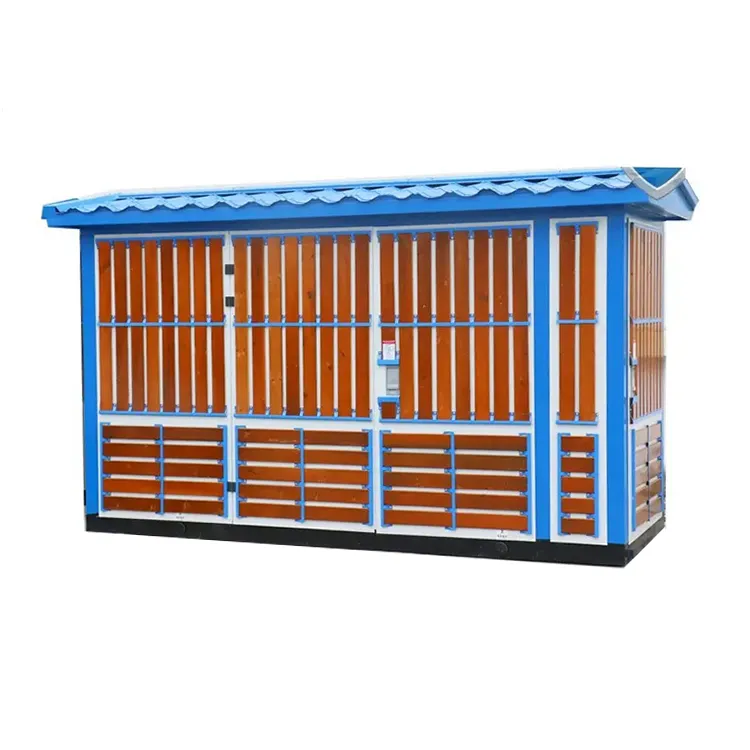
Application limits: For box type substation (box-type-substation-rfq-checklist), treat the linked catalog page as an engineering starting point only. Do not freeze box type substation procurement when the project fault study, altitude derating, or utility type-approval envelope exceeds the published ratings on that product page.
If the box type substation study points to a different scheme or rating for box-type-substation-rfq-checklist, browse the category page and send study inputs through Contact Shenheng Power.
MV/LV scheme, transformer kVA/vector group, foundation loads, cable interfaces, and environment class should lead the RFQ.
Weights and dynamic lifting cases drive pad thickness and anchor layout — late changes force civil redesign.
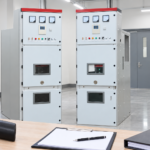
Typical packages combine MV RMU or breaker cubicles, a distribution transformer, and an LV board — confirm the exact scheme on the SLD.
Entry elevation, bending radius, and gland plate size mismatches with trenches or trays.
Routine dielectric/mechanical checks plus transformer ratio and LV functional tests agreed in the FAT plan.
When future expansion, unusual fault levels, or national type-approval rules exceed compact package envelopes.