Shenheng Power Equipment Co., Ltd.
- Home
- Products
Products
Since 2001, Shenheng Power has been a trusted manufacturer of power transmission and distribution equipment, delivering reliable electrical solutions globally.
- Solutions
- News & Blog
- Service
- About Us
- Contact Us
Since 2001, Shenheng Power has been a trusted manufacturer of power transmission and distribution equipment, delivering reliable electrical solutions globally.
Buyers comparing a padmount transformer with a compact outdoor substation need a practical way to separate equipment scope, civil interface, and documentation before quotations look interchangeable.
This guide summarizes decision steps used by EPC teams and facility engineers when they decide whether a stand-alone padmount transformer is enough, or whether a factory-assembled compact substation better matches switching, LV distribution, and schedule constraints. Use it as a procurement checklist—not as a substitute for project-specific engineering approval.
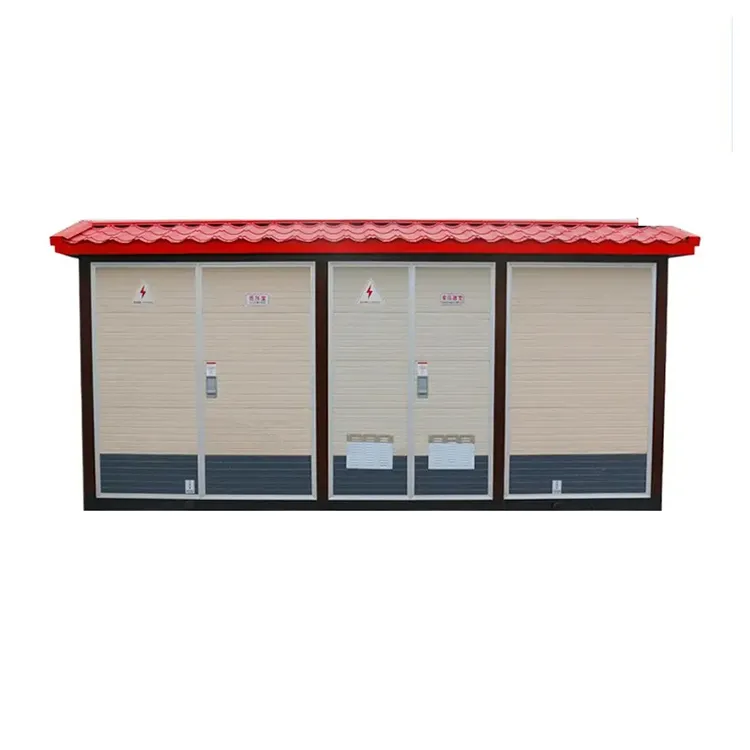
Distribution upgrades fail quietly when procurement teams treat catalog labels as fully engineered designs. A padmount transformer and a compact substation can both serve outdoor MV-LV conversion, yet they rarely deliver the same switching scope, cable interface, or handover package.
For padmount transformer purchases, the order should reference measurable parameters—voltage class, kVA, impedance, vector group, enclosure rating, and required tests—rather than marketing adjectives alone. If the single-line diagram also needs MV switching and LV distribution in one outdoor bay, a compact package may reduce site assembly risk.
Cross-check public information on Shenheng Power and confirm final limits with your utility or consulting engineer.
Lock these inputs before normalizing bids:
| Input | Why it matters | Typical source |
|---|---|---|
| Rated voltage and insulation level | Equipment class and clearance | Single-line diagram |
| Rated current / kVA | Thermal design basis | Load study |
| Switching and protection scope | Padmount-only vs packaged MV/LV bay | Protection study |
| Vector group and taps | Grounding and voltage regulation | Utility requirements |
| Ambient and altitude | Derating and cooling | Site data sheet |
| Civil pad / cable basement interface | Foundation and duct bank design | Civil drawings |
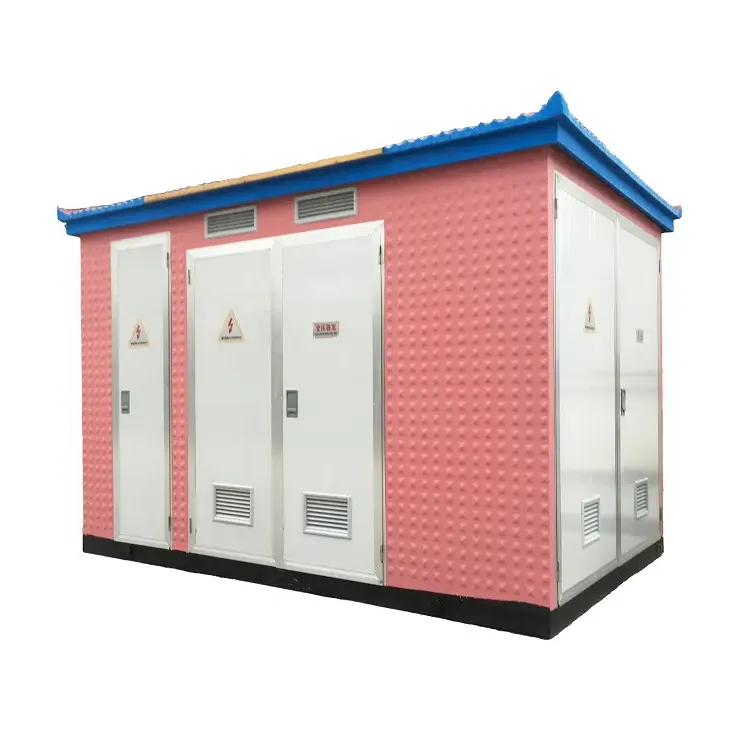
Request factory test reports and outline drawings early so civil, protection, and commissioning teams can work in parallel.
A padmount transformer is commonly specified when the primary need is outdoor conversion on a concrete pad, with MV switching and LV boards supplied separately. It often fits residential feeders, light commercial sites, and utility laterals where the switching scheme is already defined elsewhere on the network.
A compact outdoor substation is typically preferred when the project needs a factory-integrated combination of MV switchgear, transformer, and LV distribution with a defined enclosure interface. That package can help industrial parks, renewable collection points, and schedule-driven EPC jobs that want fewer field interfaces.
Compare operating boundaries on at least four axes: switching scope, civil footprint, maintenance access, and cable entry direction. Harmonic-rich loads, corrosive atmospheres, or high altitude still require derating studies for either option.
For broader package-versus-built-on-site context, see Power Substation vs Prefabricated Substation. For transformer-only oil-immersed selection notes, review How to Choose the Right Oil-Immersed Transformer.
| Document / item | Purpose | When to request |
|---|---|---|
| Type or routine test report | Verify ratings and losses | Before purchase order |
| GA drawing and foundation load | Civil and lifting design | Design phase |
| Wiring / single-line diagram | Termination and protection | Before shipment |
| Operation and maintenance manual | Site training | Handover |
| Spare parts list | Bushings, gaskets, sensors | Contract negotiation |
| Commissioning checklist | Ratio, polarity, insulation tests | Before energization |
Attach this table to RFQs so vendors return comparable technical packages for both padmount transformer and compact substation options.
Installation quality often determines long-term reliability more than small differences in quoted first cost. Confirm grounding, cable bending radius, torque values, and nameplate data against the approved design for whichever package you select.
Before energization, plan ratio tests, insulation resistance checks, functional protection tests, and—where applicable—oil sampling or thermal monitoring baselines. Compact packages also need enclosure door interlocks and LV feeder labeling checked against the approved drawing revision.
Maintenance access should be designed into the layout: oil sampling ports for liquid-filled padmount units, and clearances for MV and LV compartments inside compact outdoor enclosures.
When the comparison points to a factory-assembled outdoor bay rather than a stand-alone padmount transformer, Shenheng Power publishes a relevant catalog starting point at 11kV/33kV compact outdoor electrical substation.
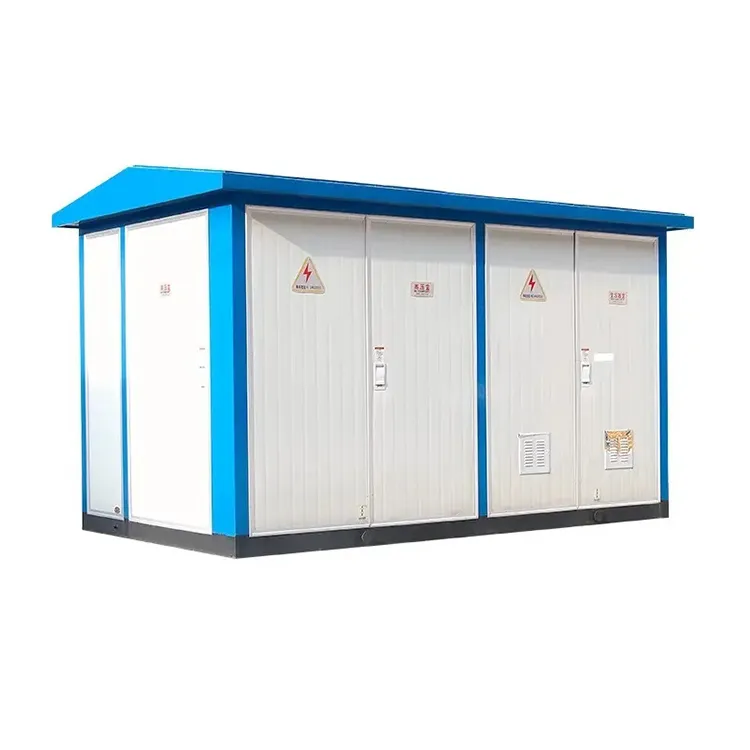
Fit boundary: This recommendation supports typical distribution and industrial scopes documented on the product page when MV switchgear, transformer, and LV distribution belong in one outdoor package. It is not a substitute for a stand-alone padmount transformer when the approved single-line diagram only requires conversion hardware, and it is not a substitute for project-specific studies when unusual fault levels, altitude extremes, or national utility rules apply.
If your study points to a different kVA, voltage combination, or switchgear scheme, review the broader prefabricated substation category and submit study inputs through Contact Shenheng Power.
A padmount transformer is typically a sealed outdoor distribution unit on a concrete pad. A compact substation usually packages MV switchgear, transformer, and LV distribution in one outdoor enclosure.
Choose a stand-alone padmount transformer when the site mainly needs MV-LV conversion and switching or LV boards are already specified as separate equipment.
Many compact outdoor packages integrate incoming/feeder MV switching with LV distribution around the transformer. Confirm the exact single-line diagram before comparing bids.
Padmount units emphasize pad size, clearances, and primary/secondary cable loops. Compact substations add enclosure footprint, basement or trench interfaces, and multi-compartment cable entry planning.
Request test reports, GA drawings, wiring diagrams, manuals, and spare parts lists aligned to the purchase order revision.
Before locking tap range, protection philosophy, and metering requirements that appear on the interconnection agreement or grid code checklist.