Od 2001 roku Shenheng Power jest zaufanym producentem sprzętu do przesyłu i dystrybucji energii elektrycznej, dostarczającym niezawodne rozwiązania elektryczne na całym świecie.
Dzięki kompleksowemu systemowi obsługi posprzedażowej zapewniamy fachowe doradztwo techniczne, wskazówki dotyczące produktów oraz elastyczne usługi OEM i ODM dla Państwa projektów.
Od 2001 roku Shenheng Power jest zaufanym producentem sprzętu do przesyłu i dystrybucji energii elektrycznej, dostarczającym niezawodne rozwiązania elektryczne na całym świecie.
Kiedy wybrać transformator słupowy zamiast kompaktowej stacji rozdzielczej
Czas premiery: 2026-07-24
Buyers comparing a padmount transformer with a compact outdoor substation need a practical way to separate equipment scope, civil interface, and documentation before quotations look interchangeable.
This guide summarizes decision steps used by EPC teams and facility engineers when they decide whether a stand-alone padmount transformer is enough, or whether a factory-assembled compact substation better matches switching, LV distribution, and schedule constraints. Use it as a procurement checklist—not as a substitute for project-specific engineering approval.
Część 1. Dlaczego ten temat jest ważny w projektach SN-nn
Distribution upgrades fail quietly when procurement teams treat catalog labels as fully engineered designs. A padmount transformer and a compact substation can both serve outdoor MV-LV conversion, yet they rarely deliver the same switching scope, cable interface, or handover package.
For padmount transformer purchases, the order should reference measurable parameters—voltage class, kVA, impedance, vector group, enclosure rating, and required tests—rather than marketing adjectives alone. If the single-line diagram also needs MV switching and LV distribution in one outdoor bay, a compact package may reduce site assembly risk.
Sprawdź publiczne informacje na temat Shenheng Power i potwierdź ostateczne limity z inżynierem ds. narzędzi lub konsultantem.
Część 2. Kluczowe dane wejściowe specyfikacji
Zablokuj te dane wejściowe przed normalizacją ofert:
Wejście
Dlaczego to ważne
Typowe źródło
Napięcie znamionowe i poziom izolacji
Klasa wyposażenia i prześwit
Schemat jednokreskowy
Prąd znamionowy / kVA
Podstawa projektowania cieplnego
Badanie obciążeniowe
Switching and protection scope
Padmount-only vs packaged MV/LV bay
Protection study
Grupa wektorowa i zaczepy
Uziemienie i regulacja napięcia
Wymagania dotyczące mediów
Otoczenie i wysokość n.p.m.
Zmniejszenie obciążenia i chłodzenie
Karta danych obiektu
Civil pad / cable basement interface
Foundation and duct bank design
Civil drawings
Prosimy o wczesne przekazanie raportów z testów fabrycznych i rysunków poglądowych, aby zespoły budowlane, ochrony i uruchomieniowe mogły pracować równolegle.
Część 3. Zastosowanie i granice eksploatacji
A padmount transformer is commonly specified when the primary need is outdoor conversion on a concrete pad, with MV switching and LV boards supplied separately. It often fits residential feeders, light commercial sites, and utility laterals where the switching scheme is already defined elsewhere on the network.
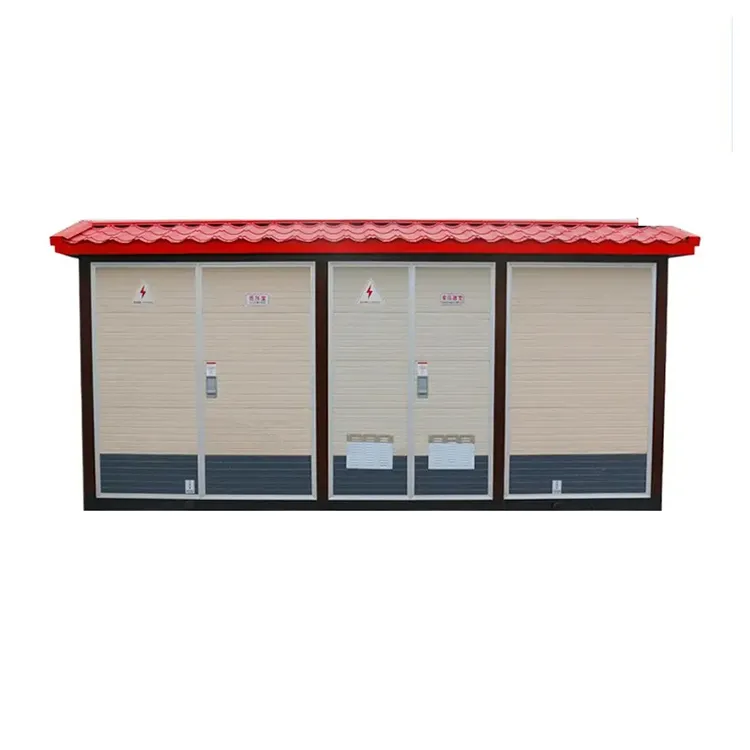
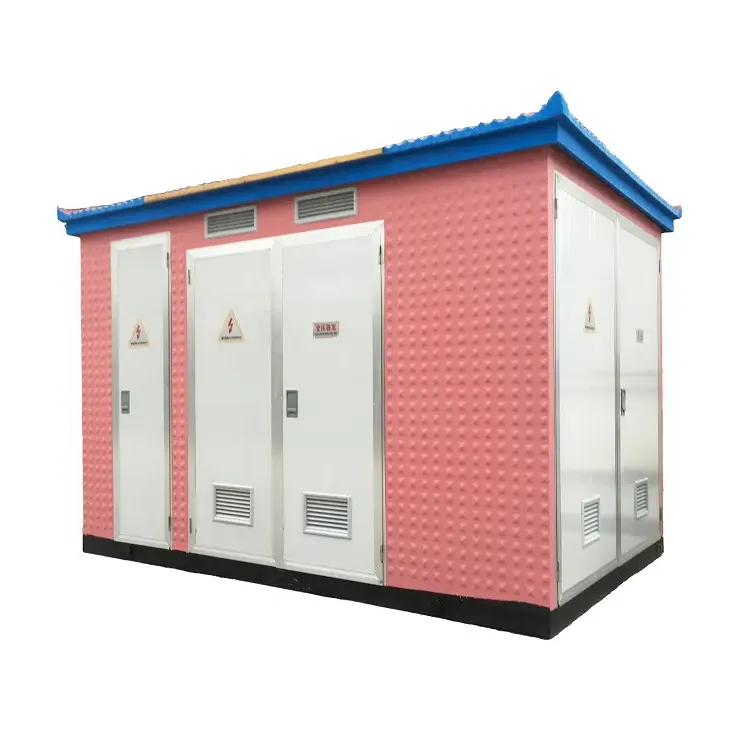
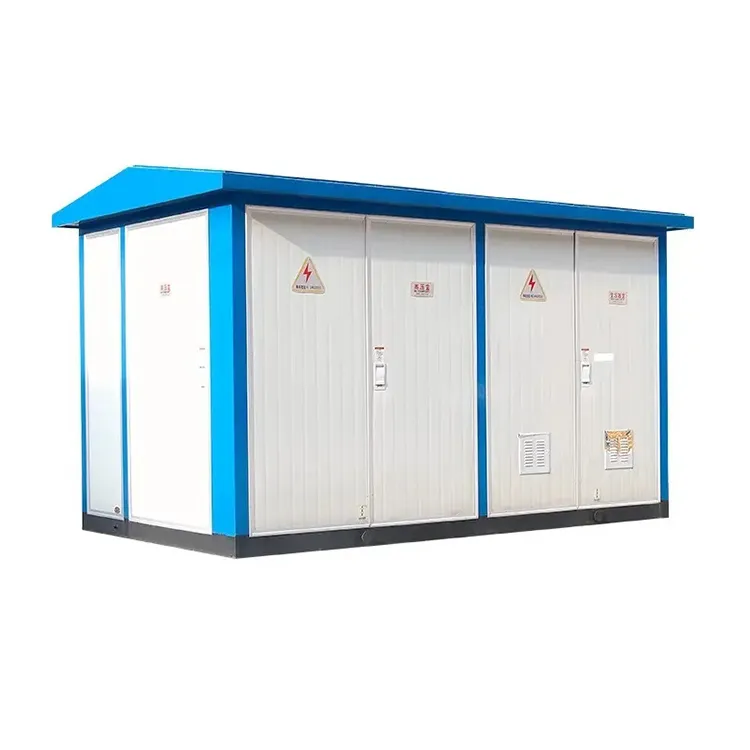
A compact outdoor substation is typically preferred when the project needs a factory-integrated combination of MV switchgear, transformer, and LV distribution with a defined enclosure interface. That package can help industrial parks, renewable collection points, and schedule-driven EPC jobs that want fewer field interfaces.
Compare operating boundaries on at least four axes: switching scope, civil footprint, maintenance access, and cable entry direction. Harmonic-rich loads, corrosive atmospheres, or high altitude still require derating studies for either option.
Część 4. Dokumentacja i lista kontrolna zapytania ofertowego
Dokument / przedmiot
Cel
Kiedy złożyć wniosek
Protokół testu typu lub rutynowego
Sprawdź oceny i straty
Przed zamówieniem
Rysunek GA i obciążenie fundamentów
Projektowanie budowlane i dźwigowe
Faza projektowa
Schemat połączeń / schemat jednokreskowy
Rozwiązanie i ochrona
Przed wysyłką
Instrukcja obsługi i konserwacji
Szkolenie na miejscu
Przekazanie
Lista części zamiennych
Tuleje, uszczelki, czujniki
Negocjacje kontraktowe
Lista kontrolna uruchomienia
Stosunek, polaryzacja, testy izolacji
Przed załączeniem
Attach this table to RFQs so vendors return comparable technical packages for both padmount transformer and compact substation options.
Część 5. Uwagi dotyczące instalacji, testowania lub konserwacji
Installation quality often determines long-term reliability more than small differences in quoted first cost. Confirm grounding, cable bending radius, torque values, and nameplate data against the approved design for whichever package you select.
Before energization, plan ratio tests, insulation resistance checks, functional protection tests, and—where applicable—oil sampling or thermal monitoring baselines. Compact packages also need enclosure door interlocks and LV feeder labeling checked against the approved drawing revision.
Maintenance access should be designed into the layout: oil sampling ports for liquid-filled padmount units, and clearances for MV and LV compartments inside compact outdoor enclosures.
Część 6. Rekomendacja produktu i Granica dopasowania
Dopasuj obramowanie. This recommendation supports typical distribution and industrial scopes documented on the product page when MV switchgear, transformer, and LV distribution belong in one outdoor package. It is nie a substitute for a stand-alone padmount transformer when the approved single-line diagram only requires conversion hardware, and it is nie zamiennik dla studiów specyficznych dla projektu, gdy mają zastosowanie nietypowe poziomy przerw, skrajne wysokości lub krajowe przepisy dotyczące sieci energetycznych.
Comparing a padmount transformer quotation with a compact substation quotation without aligning switching and LV scope.
Pominięcie wymogów dotyczących wysokości, otoczenia lub obudowy z zapytania ofertowego.
Selecting equipment solely on first cost while ignoring civil pad, cable basement, and spare lead times.
Uruchomienie przed uzgodnieniem ustawień zabezpieczeń i danych znamionowych z zatwierdzonym projektem.
Kopiowanie ogólnych deklaracji marketingowych do wniosków o pozwolenie bez dokumentacji rysunkowej.
Najczęściej zadawane pytania
What is the difference between a padmount transformer and a compact substation?
A padmount transformer is typically a sealed outdoor distribution unit on a concrete pad. A compact substation usually packages MV switchgear, transformer, and LV distribution in one outdoor enclosure.
When should buyers choose a padmount transformer alone?
Choose a stand-alone padmount transformer when the site mainly needs MV-LV conversion and switching or LV boards are already specified as separate equipment.
What switching and LV functions does a compact substation typically include?
Many compact outdoor packages integrate incoming/feeder MV switching with LV distribution around the transformer. Confirm the exact single-line diagram before comparing bids.
What civil and cable interfaces differ between the two packages?
Padmount units emphasize pad size, clearances, and primary/secondary cable loops. Compact substations add enclosure footprint, basement or trench interfaces, and multi-compartment cable entry planning.
What documents should accompany factory shipment for either option?
Poproszę o raporty z testów, rysunki GA, schematy elektryczne, instrukcje obsługi i listy części zamiennych zgodne z rewizją zamówienia.
Kiedy inżynierowie powinni skonsultować się z zespołem ds. przyłączenia mediów?
Przed zablokowaniem, należy zapoznać się z zakresem regulacji, filozofią ochrony oraz wymogami dotyczącymi pomiarów, które pojawiają się w umowie przyłączeniowej lub na liście kontrolnej sieci elektroenergetycznej.
Shenheng Electric Power zobowiązuje się do zostania światowym liderem w dziedzinie rozwiązań w zakresie sprzętu energetycznego, pomagając klientom w bezpiecznym, wydajnym i zrównoważonym zarządzaniu energią.

 Shenheng Power Equipment Co., Ltd.