Kể từ năm 2001, Shenheng Power đã là nhà sản xuất thiết bị truyền tải và phân phối điện đáng tin cậy, cung cấp các giải pháp điện năng đáng tin cậy trên toàn cầu.
Được hỗ trợ bởi hệ thống hậu mãi toàn diện, chúng tôi cung cấp dịch vụ tư vấn kỹ thuật chuyên gia, hướng dẫn sản phẩm và các dịch vụ OEM & ODM linh hoạt cho các dự án của bạn.
Kể từ năm 2001, Shenheng Power đã là nhà sản xuất thiết bị truyền tải và phân phối điện đáng tin cậy, cung cấp các giải pháp điện năng đáng tin cậy trên toàn cầu.
Transformer Oil Inhibitor Replenishment: What Must Be Approved First?
Release Time: 2026-11-13
Transformer oil inhibitor replenishment should be an approved oil-maintenance decision supported by the actual liquid identity, a reliable condition assessment and a documented treatment plan. A low inhibitor result alone is not a complete instruction to add a chemical. Confirm whether the oil is intended to be inhibited, review its wider condition and maintenance history, and obtain agreement from the responsible engineer, equipment manufacturer and suitable oil specialist. The approval should define the proposed additive, treatment responsibility and acceptance evidence before any work begins.
This guide concerns the decision and purchase package. It gives no dosing recipe, mixing procedure or universal concentration target. Those details require the applicable oil specification, approved treatment process and the actual transformer information.
Establish the liquid identity before discussing an additive
Start with the asset’s current oil records, not the original nameplate alone. The liquid may have been topped up, replaced, reclaimed or mixed during the transformer’s life. Request the documented product identity, inhibited or uninhibited designation where applicable, relevant batch information and intervention history. If these are uncertain, identify the gap explicitly.
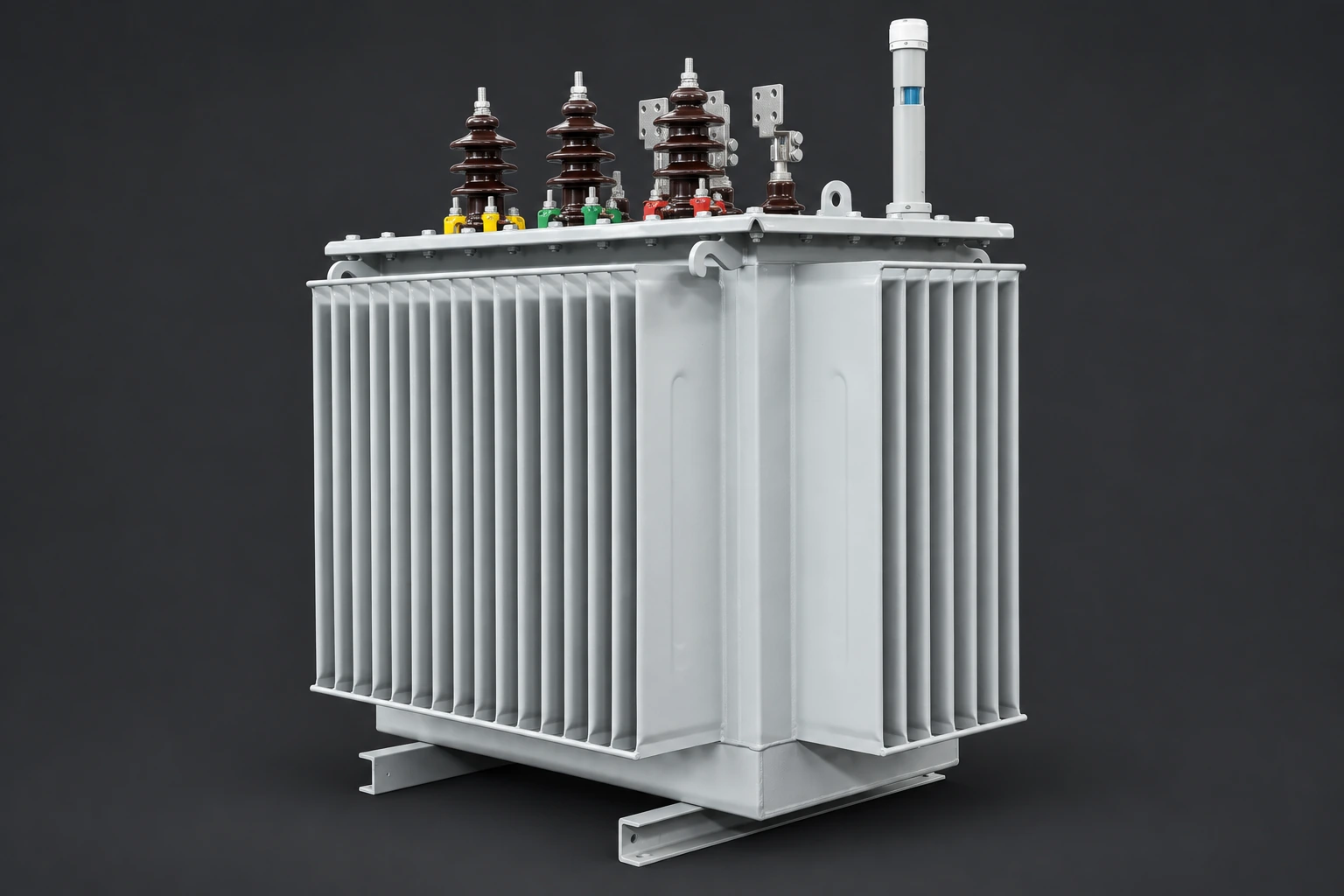
Đối với một oil-immersed distribution transformer, the presence of oil in the tank does not establish which inhibitor package is suitable. Do not infer chemical compatibility from the transformer’s external appearance or voltage class. The liquid and equipment documentation must support the proposed maintenance decision.
IEC 60422 covers supervision and maintenance guidance for mineral insulating oils and other hydrocarbon-based insulating liquids within its stated scope. Its public description is useful for identifying the relevant guidance. It is not a dosing instruction and should not be extended automatically to every ester or other insulating liquid.
Check the result and the reason for concern
Confirm the sample identity, sampling date, method and laboratory report status. Review whether the result is comparable with earlier results from the same liquid space. A transcription error, changed reporting basis or different oil history can mislead the decision before any chemistry is considered.
Ask the oil specialist to assess the inhibitor result alongside the broader oil-condition evidence relevant to the asset. The point is to understand whether replenishment is appropriate, whether another maintenance action is needed, or whether further information must be obtained. Do not represent an additive as a cure for contamination, a developing electrical fault or damaged solid insulation.
Sử dụng inhibitor-content test guide to understand the measurement question. The present article addresses the later authorization question: what evidence supports a particular treatment for this oil in this transformer?
Separate replenishment from other oil maintenance
Different maintenance actions solve different problems. Reconditioning, reclamation, oil replacement and inhibitor replenishment should not be used as interchangeable labels in a quotation. Ask the contractor to state the actual objective and boundaries of the proposed work.
Các Sổ tay máy biến áp của Cục Khai hoang provides technical background on oil maintenance and transformer condition. Apply it with current equipment and liquid documents. It cannot establish an approved concentration or process for an unidentified oil at a different installation.
If a treatment package combines several operations, require each operation and its reason to be visible. This helps the owner assess whether a contractor has allowed for contamination control, post-treatment evidence and a usable monitoring baseline rather than quoting only for an additive delivery.
Approval question
Evidence needed before authorization
What should remain on hold if unresolved
Which liquid is present?
Current oil identity and intervention history
Additive compatibility decision
Is the measurement reliable?
Correct compartment, sample identity and report
Treatment based on a questionable result
Is replenishment appropriate?
Engineering assessment of wider oil condition
Automatic action from one number
Which product is proposed?
Defined additive and supplier documentation
Substitution with an unspecified chemical
How will the work be controlled?
Approved contractor method and responsibilities
Field mixing or treatment work
What proves acceptance?
Agreed tests, criteria and records
Return-to-service sign-off
How will later trends be read?
Treatment event and baseline plan
cURL Too many subrequests by single Worker invocation. To configure this limit, refer to https://developers.cloudflare.com/workers/wrangler/configuration/#limits
cURL Too many subrequests by single Worker invocation. To configure this limit, refer to https://developers.cloudflare.com/workers/wrangler/configuration/#limits.
Hình minh họa tham khảo sản phẩm được xây dựng dựa trên hình ảnh sản phẩm Shenheng; đây không phải là hồ sơ bảo trì, thử nghiệm hoặc ghi nhận thực tế tại cơ sở khách hàng.
cURL Too many subrequests by single Worker invocation. To configure this limit, refer to https://developers.cloudflare.com/workers/wrangler/configuration/#limits
cURL Too many subrequests by single Worker invocation. To configure this limit, refer to https://developers.cloudflare.com/workers/wrangler/configuration/#limits.
cURL Too many subrequests by single Worker invocation. To configure this limit, refer to https://developers.cloudflare.com/workers/wrangler/configuration/#limits.
cURL Too many subrequests by single Worker invocation. To configure this limit, refer to https://developers.cloudflare.com/workers/wrangler/configuration/#limits.
cURL Too many subrequests by single Worker invocation. To configure this limit, refer to https://developers.cloudflare.com/workers/wrangler/configuration/#limits
cURL Too many subrequests by single Worker invocation. To configure this limit, refer to https://developers.cloudflare.com/workers/wrangler/configuration/#limits.
cURL Too many subrequests by single Worker invocation. To configure this limit, refer to https://developers.cloudflare.com/workers/wrangler/configuration/#limits.
The person ordering the work should also know what will happen if the pre-treatment checks reveal a different condition. Agree a hold point and escalation route. It is better to pause a defined work package than to let a contractor improvise a different treatment during an outage.
Preserve the treatment event in the oil history
Record the pre-treatment condition, approved scope, relevant product and batch identities, date and contractor report. Keep the original laboratory reports rather than retaining only a final summary. Any uncertainty or deviation should remain visible.
After treatment, the responsible specialist should define the acceptance evidence and later monitoring plan. An additive intervention can change how subsequent oil results should be interpreted. Preserve the link to the previous history and identify the intervention; do not overwrite old values with a new baseline.
Các post-treatment baseline guide discusses the separate comparability problem. If the oil history includes different products, the oil mixing compatibility review should be considered before any assumption that another addition will be straightforward.
Hình minh họa tham khảo sản phẩm được xây dựng dựa trên hình ảnh sản phẩm Shenheng; đây không phải là hồ sơ bảo trì, thử nghiệm hoặc ghi nhận thực tế tại cơ sở khách hàng.
Review a purchase scenario
An owner receives a report showing a reduced inhibitor result and asks three contractors for a price. One quotes only a drum of additive, another quotes a treatment visit, and a third includes engineering review and laboratory acceptance. Those prices describe different scopes and cannot be compared fairly by their total alone.
A clearer request supplies the current liquid records and report, asks the contractor to confirm the proposed scope and exclusions, and requires engineering agreement before work. The owner can then compare the cost of a defined service and identify which responsibilities remain with the site.
If the oil identity cannot be established, the next useful deliverable is a clarification and assessment plan, not an improvised dose. That distinction protects both the equipment and the budget: buying an additive prematurely may not advance the maintenance decision at all.
What a completed handover should contain
Request a concise completion record linking the asset, approved method, supplied product, treatment event and acceptance results. Include who authorized any deviation and how it was resolved. Ensure the maintenance database shows the intervention date so the next reviewer understands the transition between results.
A successful handover should answer the original objective without making unsupported claims about remaining transformer life. Improved oil chemistry is not proof that all insulation or electrical risks have disappeared. The responsible engineer must evaluate the asset as a whole.
For broader purchasing context, consult the hướng dẫn mua máy biến áp dầu. When ordering new equipment, request the specified liquid documentation and recommended monitoring information at the outset. Good initial records make later oil-maintenance decisions more defensible.
Safety background for oil-maintenance planning
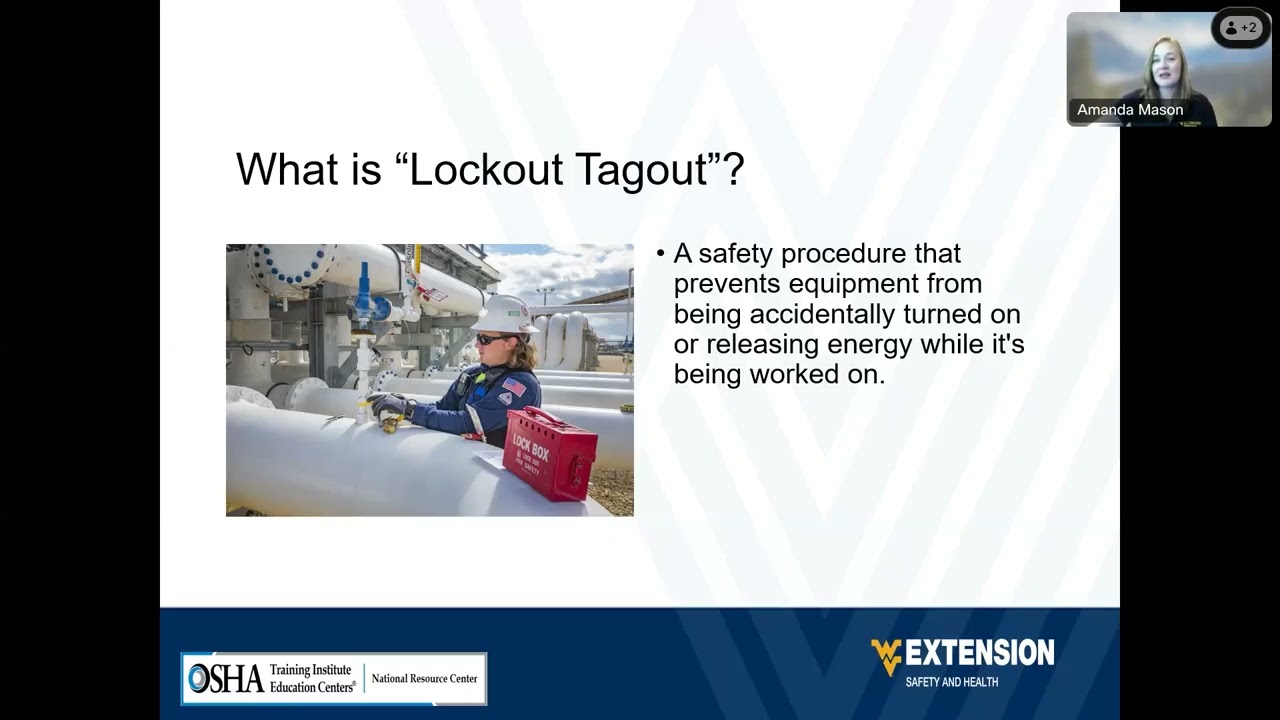
The following US Department of Labor video explains hazardous energy control. It is relevant background when planning maintenance interfaces around an electrical asset. It does not demonstrate inhibitor addition, approve an oil-treatment method or replace the site’s isolation and environmental arrangements.
Học thêm: Đứng Vững Vì An Toàn và Sức Khỏe – Khóa an toàn/phân biệt — Bộ Lao động và Thương binh xã hội. Mở trên YouTube.
Các câu hỏi thường gặp
Does a low inhibitor result mean I should add inhibitor immediately?
No. Verify the sample and report, establish the liquid identity and obtain a wider condition assessment. The responsible specialist should determine whether replenishment is appropriate and define an approved treatment and acceptance package before any additive is introduced.
Can I use the same target for every transformer oil?
Do not assume that. Liquid type, original specification, maintenance history and applicable guidance matter. This article provides no universal concentration target. Obtain the relevant requirements for the actual liquid and equipment rather than transferring a value from another asset.
Is replenishment the same as reclaiming the oil?
No. They describe different maintenance purposes and processes. Require the contractor to state which operations are proposed and why. If several operations are combined, the approval and handover should identify each one and the evidence used for acceptance.
What should change in the monitoring records afterward?
Keep the previous history, mark the intervention and preserve the approved treatment and acceptance reports. Have the responsible specialist define later sampling and comparison. Do not silently join pre-treatment and post-treatment results as if the liquid had experienced no change.
Shenheng Electric Power cam kết trở thành công ty dẫn đầu toàn cầu về các giải pháp thiết bị điện, giúp khách hàng đạt được quản lý điện năng an toàn, hiệu quả và bền vững.

 Công ty TNHH Thiết bị Điện Thâm Hằng.