Desde 2001, a Shenheng Power tem sido um fabricante de confiança de equipamento de transmissão e distribuição de energia, fornecendo soluções elétricas fiáveis a nível global.
Apoiados por um sistema pós-venda completo, fornecemos consultoria técnica especializada, orientação de produtos e serviços flexíveis de OEM e ODM para os seus projetos.
Desde 2001, a Shenheng Power tem sido um fabricante de confiança de equipamento de transmissão e distribuição de energia, fornecendo soluções elétricas fiáveis a nível global.
Transformer Oil Aniline Point Test: Meaning and Limits
Release Time: 2026-10-28
A transformer oil aniline point test reports the temperature at which a defined oil and aniline mixture becomes completely miscible under the selected laboratory method. It helps characterize petroleum oil composition and solvent behavior, but it is not a direct test of transformer insulation strength or remaining service life. For an equipment owner, the useful question is whether the result belongs to the specified oil, was obtained by the agreed procedure and supports a particular purchase or investigation decision. Review the method and sample history before treating a higher or lower temperature as a quality verdict.
What aniline point means for insulating oil
Mineral oil contains many hydrocarbon molecules rather than a single chemical compound. Aniline point provides an indirect indication of how that mixture behaves with a particular solvent. Within comparable petroleum fractions, composition affects the observed mixing behavior. The result is therefore a characterization property: it can support comparison, but it cannot identify every constituent or independently establish suitability for an electrical application.
O oficial ASTM D611 aniline point method covers petroleum products and hydrocarbon solvents, with different procedures for different sample characteristics. Its public scope distinguishes transparent, dark and more volatile samples. Request the actual procedure designation and standard edition on the report. A certificate that supplies only a temperature leaves important questions about comparability unanswered.
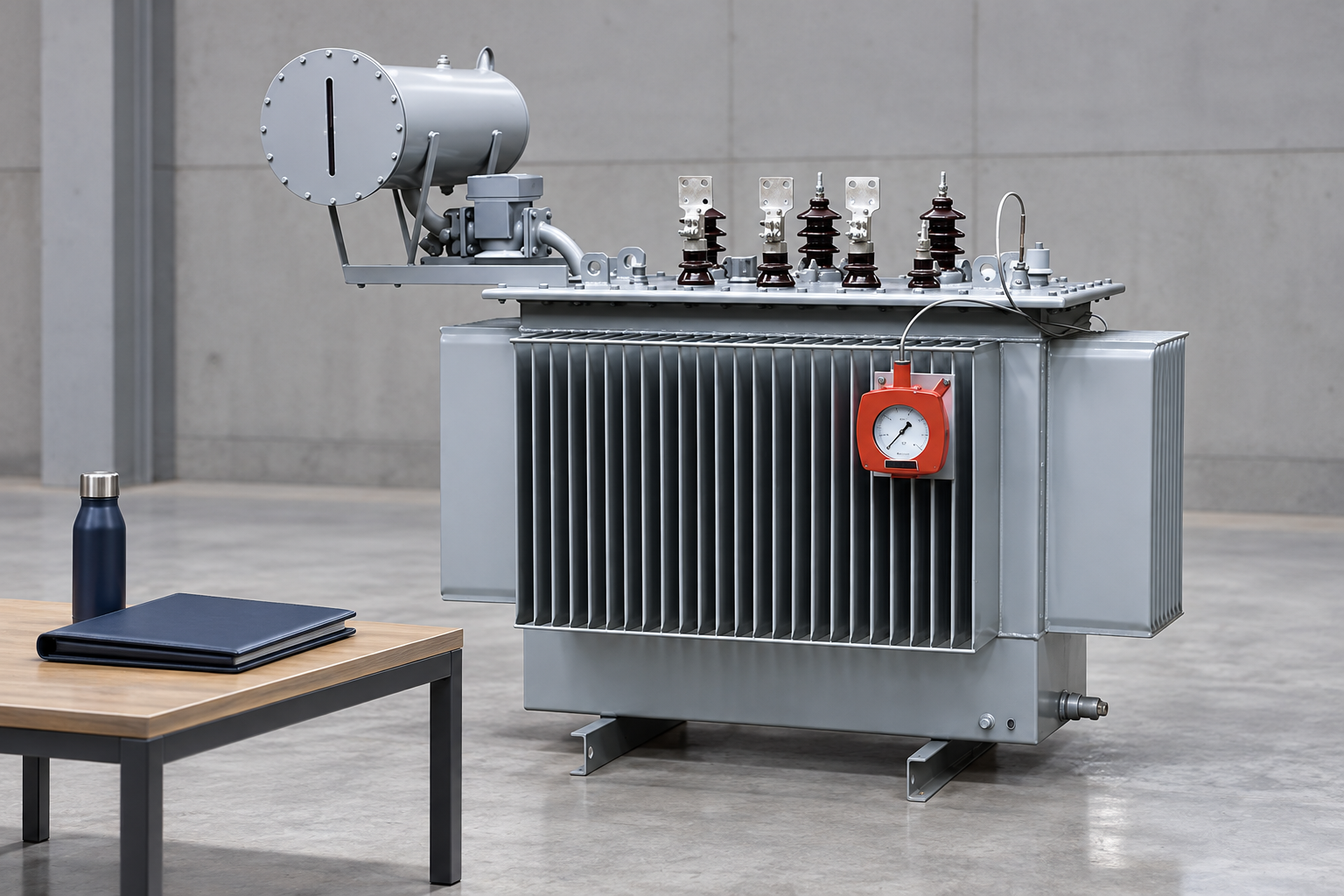
Conceptual reference-based illustration of specimen records; no laboratory test is shown.
Aniline point and mixed aniline point are different records
Some samples need a mixed aniline point determination rather than the ordinary determination. The terms should remain distinct in procurement documents and laboratory databases. A spreadsheet column headed only “aniline” can accidentally combine results obtained for different mixtures and procedures. Retain the complete test name, unit and any qualification before comparing batches or asking a supplier to explain a difference.
Do not convert one type of result into another using an informal online rule. Ask the laboratory which procedure is appropriate for the sample and whether a particular result can be compared with the reference certificate. If the purchase contract uses ambiguous terminology, resolve it before testing. A technically correct measurement can still be unsuitable for acceptance when the contract and laboratory are answering different questions.
Why a lower temperature is not automatically a failure
Aniline point reflects compositional differences, and a useful comparison requires an appropriate reference population. Two oils from different base stocks can have different values while each meets its own agreed specification. Conversely, matching aniline points do not establish that the oils have identical additive packages, electrical properties or performance. Avoid ranking every product on one scale from “low quality” to “high quality” using this property alone.
For composition questions, ASTM D2140 carbon-type characterization describes a separate correlation-based approach for mineral insulating oils. That distinction is important: aniline point is not a direct percentage of aromatic carbon. If a report makes that conversion, request the underlying method and applicability assessment rather than accepting a number derived from an unexplained chart.
Decide whether the test answers the procurement question
Start with a written reason for ordering the measurement. A new-oil specification check, investigation of a changed supply and comparison with an established batch baseline are different tasks. Each needs a defined comparator and an agreed consequence. If no decision would change after receiving the result, a different test may provide more useful information for the equipment owner.
Ask the transformer manufacturer and oil supplier which evidence supports the proposed application. The test should sit within a coherent oil specification, alongside properties relevant to insulation, cooling and chemical stability. It should not be added as an isolated acceptance requirement simply because another project’s certificate contains it. Contract requirements need a technical rationale and a method that the selected laboratory can apply consistently.
Build a comparable sample record
Record oil trade name, batch, delivery container, sampling location and whether the sample represents unused or in-service oil. Include treatment, blending and top-up history. If a comparison uses an unopened delivery sample and a tank sample collected after processing, document that difference explicitly. The numbers describe different material histories even when the supplier name is the same.
Use the laboratory’s collection and shipping instructions. The guia de amostragem de óleo de transformador explains why sample identity matters across different measurements. Authorized personnel must follow the site’s electrical and chemical safety procedures. This article does not provide a field recipe for handling aniline or opening transformer equipment, and the educational video below does not replace an approved laboratory procedure.
A report review table for owners and buyers
Record item
O que estabelecer
Action before acceptance
Test name
Ordinary or mixed aniline point
Keep separate report fields and comparators.
Procedure
Method appropriate for sample appearance and behavior
Ask the laboratory to identify the procedure.
Identidade do petróleo
Batch and condition match the request
Reconcile bottle and delivery records.
Comparison basis
Same method, units and material history
Resolve differences before interpreting a shift.
Acceptance requirement
Contract specifies the relevant criterion
Seek engineering review if no criterion exists.
Unusual result
Confirmed finding or uncertain specimen
Agree a controlled confirmation plan.
The method distinctions follow the public D611 scope. The review actions organize procurement evidence; they are not standard test steps or universal acceptance limits. Obtain numerical criteria from the applicable specification and responsible engineer.
Separate composition from cooling and electrical condition
Oil viscosity testing addresses resistance to flow and supports cooling-related interpretation. Aniline point does not replace that measurement. A composition-related result cannot establish that oil will circulate adequately under a particular temperature and transformer design. Keep each property linked to the engineering question it can actually answer.
Dielectric breakdown testing addresses another part of the assessment. A satisfactory aniline point does not prove satisfactory electrical insulation, and an abnormal electrical result should not be dismissed because the composition indicator resembles a reference oil. Use the agreed suite of tests rather than searching for a single certificate value that overrides all other observations.
Review the complete oil specification alongside the characterization result.
Investigating a result that differs from the baseline
First check transcription, units, procedure and specimen identity. Then review whether the oil source, blend, treatment history or laboratory has changed. A changed result is a reason to investigate, not proof of adulteration or a transformer fault. Share the complete original reports with the laboratory so it can assess whether the observed difference is meaningful for the methods used.
If confirmation is needed, agree how to obtain a representative second sample and what supporting analyses would distinguish the plausible explanations. Repeating the same measurement without improving the sample record can reproduce the same uncertainty. Preserve both reports and record why one finding was accepted, qualified or rejected. Do not delete an inconvenient result merely because a later number appears more familiar.
Specify documentation before purchasing equipment
Para um oil immersed power transformer, agree the oil specification, supplied documentation and any owner-requested characterization before manufacture. The product page identifies the equipment family; it does not prove a particular oil test package is included. Obtain project-specific confirmation rather than assuming every listed test forms part of routine delivery.
O transformer selection guide connects documentation with broader purchase decisions. State who reviews deviations, which report controls acceptance and how material changes will be approved. This makes the result useful during purchasing and later maintenance, when an owner needs to understand exactly which oil was originally supplied.
Close the supplier query with a clear disposition
When a certificate differs from the requested value, send a focused query that includes the contract requirement, original report, reference batch and exact point of disagreement. Ask whether the difference concerns the sample, procedure or specification. This is more productive than asking whether the oil is simply good or bad, because each possible explanation requires a different response.
Record the supplier’s explanation alongside the laboratory’s technical comments. If the result is accepted by concession, state the scope of that decision and the person responsible. If another sample is required, agree its identity before collection. A decision for one delivery should not silently become a relaxed requirement for all future batches. Preserve enough context that the next purchaser can apply the same reasoning consistently.
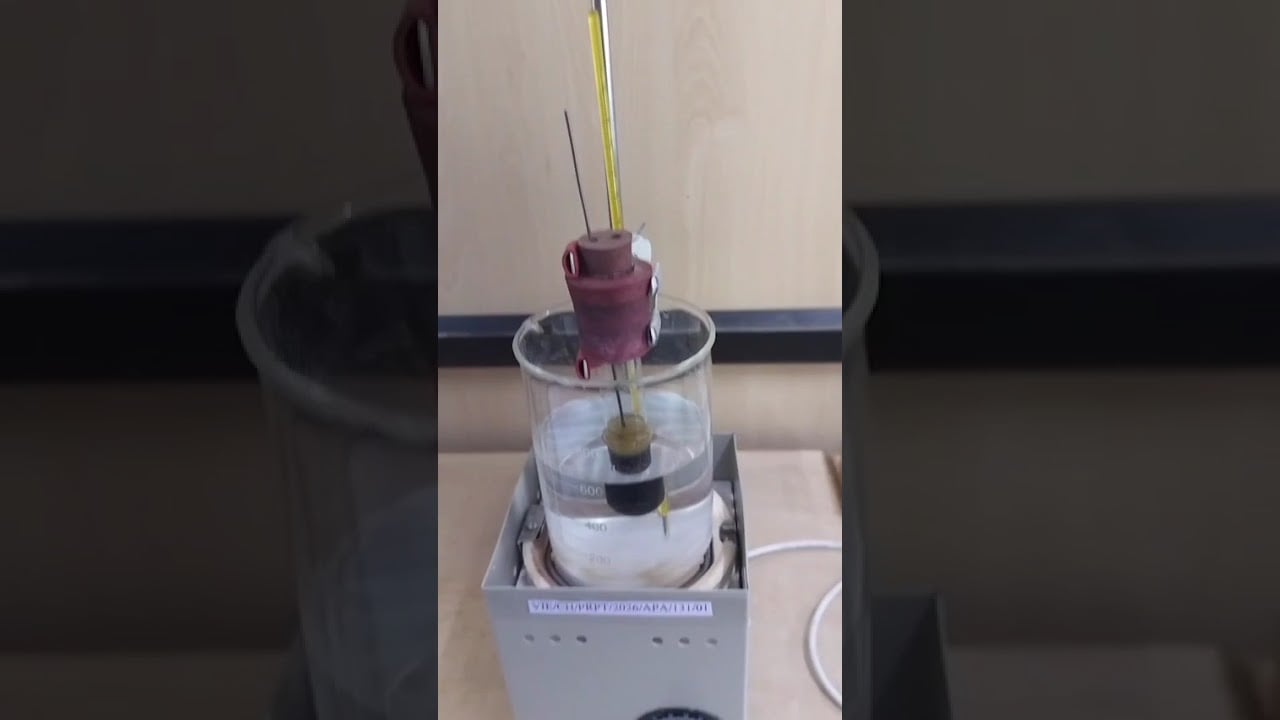
Learn the laboratory principle
The following demonstration from Vadodara Institute of Engineering explains aniline point measurement as an educational laboratory topic. It is not a transformer-specific acceptance procedure or permission to handle test chemicals without suitable training and controls. Use the current method and qualified laboratory instructions for actual work.
No. It characterizes mixing behavior with aniline under a specified method. Electrical insulation assessment requires the relevant electrical tests and sample controls.
Can ordinary and mixed aniline points share one baseline?
Do not combine them automatically. Preserve the full method description and ask the laboratory whether the particular results are comparable.
Does a changed result prove contamination?
No. Verify oil identity, procedure and maintenance history first. A controlled investigation is needed to distinguish a material change from sampling or reporting differences.
Is there one acceptance temperature for every transformer oil?
No universal temperature is prescribed here. Use the applicable oil specification, contractual requirements and responsible engineering assessment.
A Shenheng Electric Power está empenhada em tornar-se líder global em soluções de equipamentos elétricos, ajudando os clientes a alcançar uma gestão de energia segura, eficiente e sustentável.
Se tiver alguma dúvida ou precisar de ajuda, não hesite em contactar a nossa equipa.
N.º 168, Estrada South Sixth de Punan, Zona de Desenvolvimento Económico de Yueqing, Cidade de Yueqing, Cidade de Wenzhou, Província de Zhejiang, China

 Shenheng Power Equipment Co., Ltd.