Sinds 2001 is Shenheng Power een vertrouwde fabrikant van apparatuur voor krachtoverbrengst en -distributie en levert wereldwijd betrouwbare elektrische oplossingen.
Ondersteund door een volledig aankoopachterdrachtsysteem, bieden wij deskundig technisch advies, productbegeleiding en flexibele OEM- en ODM-diensten voor uw projecten.
Sinds 2001 is Shenheng Power een vertrouwde fabrikant van apparatuur voor krachtoverbrengst en -distributie en levert wereldwijd betrouwbare elektrische oplossingen.
Transformer Conservator Bladder Inspection: Build an Evidence-Based Review
Release Time: 2026-11-18
Transformer conservator bladder inspection should begin by confirming the oil preservation arrangement and reviewing its condition history. A cylindrical conservator does not prove that a bladder is fitted, and an alarm alone does not identify a failed membrane. Compare the manufacturer’s drawings, alarm records, oil observations and maintenance instructions before authorizing intrusive work. The objective is to decide whether the air–oil separation system needs specialist inspection or replacement, with clear evidence for the decision. Do not open vents, remove covers or apply pressure or vacuum using a generic online procedure.
This guide is for asset owners, maintenance planners and procurement teams preparing an inspection request. It separates information collection from physical work, which must follow equipment-specific instructions and the site’s authorized safety arrangements.
Confirm what is actually inside the conservator
Start with the transformer serial number and the latest approved oil-system drawing. Identify whether the unit has a free-breathing conservator, an air-cell arrangement, a diaphragm, another preservation system or a design that has been modified. Record the manufacturer’s terminology rather than assuming every flexible separator works in the same way. A drawing from another transformer of similar rating is useful background, but it cannot establish the fitted parts.
De US Bureau of Reclamation transformer guide describes several oil preservation arrangements and explains why their inspection and recommissioning details differ. Its discussion of bladder and diaphragm systems provides background for a condition review; the installed unit’s manual determines the actual procedure. Do not transfer an example inspection interval or material choice directly into a different manufacturer’s maintenance plan.
Check whether the manual revision matches the current asset. Previous conservator replacement, instrument changes or repairs may have altered the arrangement. If the drawing and equipment identification disagree, resolve that discrepancy before ordering a membrane. The useful outcome is an agreed configuration record, including any uncertainty that still needs the original manufacturer to answer.
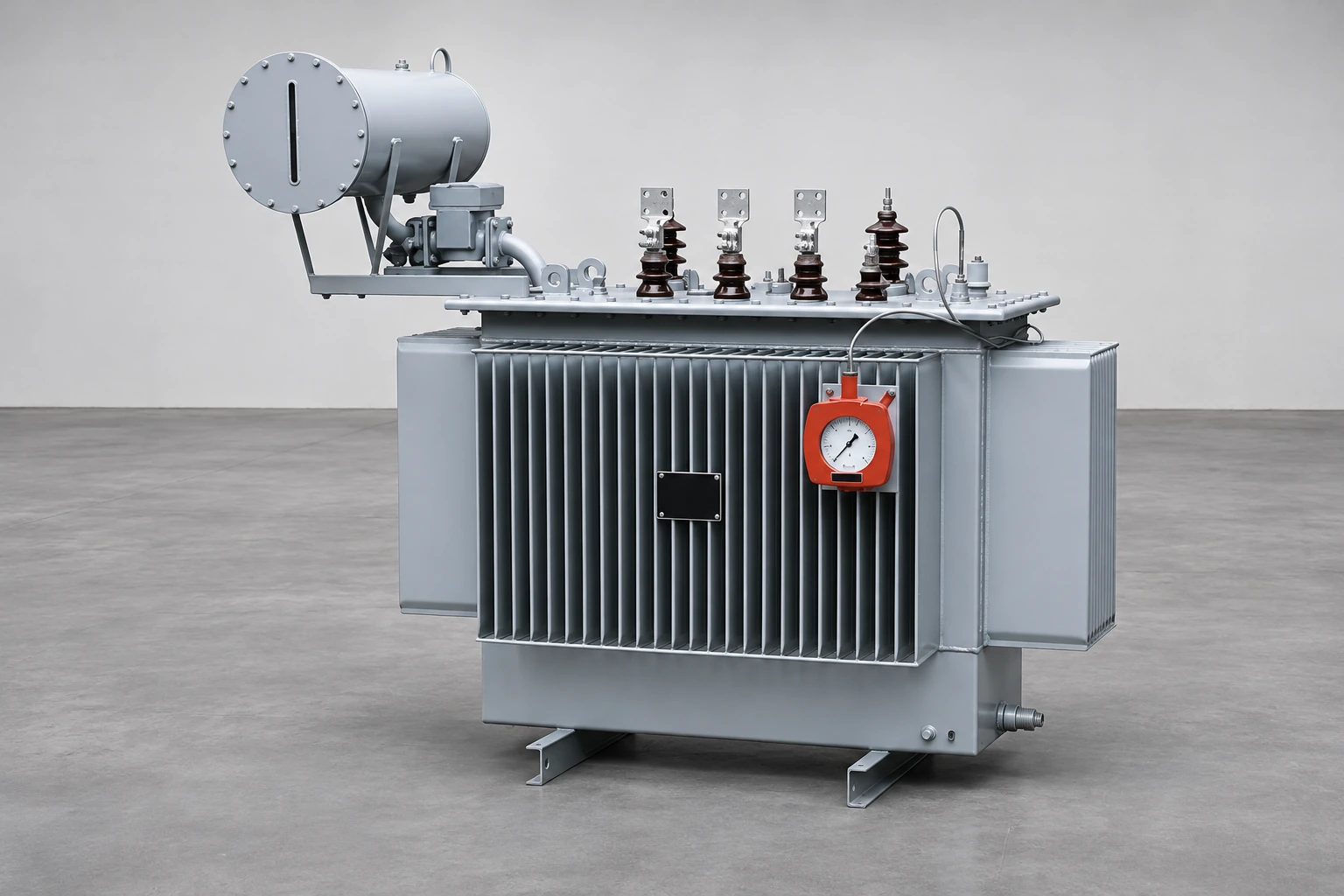
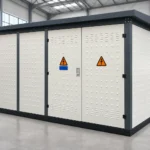
Productreferentie-illustratie op basis van de productafbeelding van Shenheng; geen daadwerkelijk onderhouds-, test- of klantlocatierecord.
Distinguish a bladder concern from other oil-system issues
A poor breather indication, an unexpected oil level and a gas alarm are separate observations. They can justify investigation without proving the same cause. Record what was seen, when it appeared and whether it recurred. An unexplained change should remain an open finding until a qualified reviewer has considered the complete oil-system history.
Keep this review distinct from choosing between sealed and conservator transformers. That comparison concerns preservation-system selection. Here, the question is whether the separator fitted to a particular conservator remains serviceable and what evidence is needed to investigate it. Similarly, a main-tank instrument problem belongs in a separate liquid-level indicator replacement review unless evidence connects the two issues.
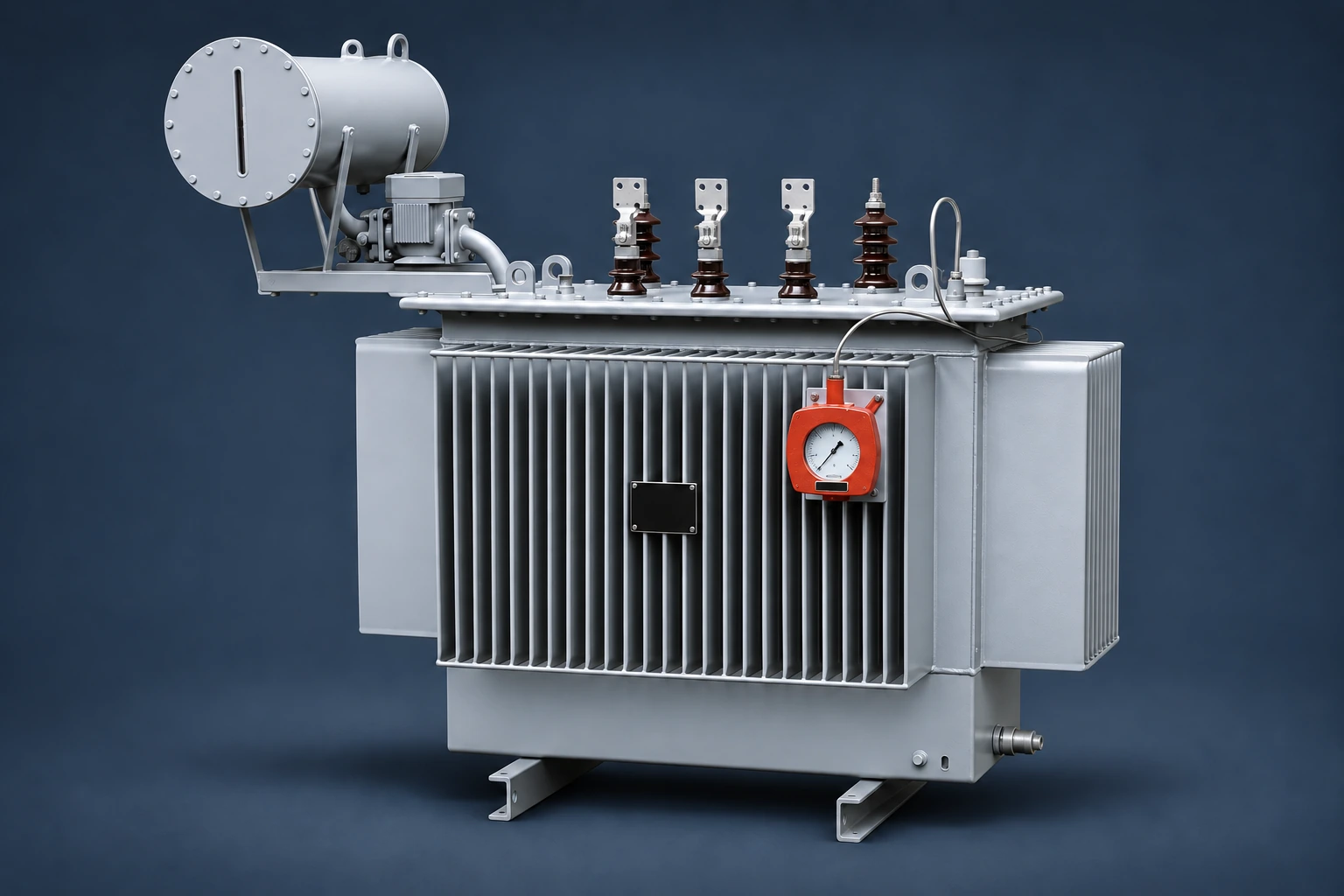
The external product illustration shows the overall transformer and conservator arrangement only. It does not reveal the internal membrane, prove that a particular optional relay is fitted or show an actual defect. Use the Shenheng oil-immersed transformer product page to establish the relevant product family, then obtain the serial-specific construction documents for the installed equipment.
Create a condition record that a specialist can use
Build a short chronology rather than forwarding a collection of unlabelled photographs. Include the last known normal observation, the first abnormal observation, subsequent events and any intervention already made. Distinguish direct observations from statements reported by another contractor. Where a value was not measured, leave it unknown rather than estimating it from a photograph.
Bewijsonderdeel
Record in the request
Question for the specialist
Preservation-system identity
Serial number, drawing revision and fitted arrangement
Does the proposed inspection apply to this design?
Alarm history
Exact indication, timestamp, recurrence and previous responses
What investigation is needed before assigning a cause?
Oil-level observations
Instrument identity, observation time and available operating context
Is the indication consistent with the expected condition?
Oil analysis history
Sample location, dates and laboratory reports
Are changes relevant to the preservation-system concern?
Previous work
Conservator, breather, relay or oil-handling interventions
Could configuration or maintenance history affect interpretation?
Access and acceptance
Proposed outage, authorized personnel and responsible reviewer
What evidence will close the finding?
cURL Too many subrequests by single Worker invocation. To configure this limit, refer to https://developers.cloudflare.com/workers/wrangler/configuration/#limits.
cURL Too many subrequests by single Worker invocation. To configure this limit, refer to https://developers.cloudflare.com/workers/wrangler/configuration/#limits
cURL Too many subrequests by single Worker invocation. To configure this limit, refer to https://developers.cloudflare.com/workers/wrangler/configuration/#limits.
cURL Too many subrequests by single Worker invocation. To configure this limit, refer to https://developers.cloudflare.com/workers/wrangler/configuration/#limits.
cURL Too many subrequests by single Worker invocation. To configure this limit, refer to https://developers.cloudflare.com/workers/wrangler/configuration/#limits.
cURL Too many subrequests by single Worker invocation. To configure this limit, refer to https://developers.cloudflare.com/workers/wrangler/configuration/#limits
cURL Too many subrequests by single Worker invocation. To configure this limit, refer to https://developers.cloudflare.com/workers/wrangler/configuration/#limits.
For procurement, separate the question “is further investigation required?” from “which replacement part fits?” A condition report may support the first decision while leaving the second unresolved. Request the manufacturer’s approved part reference and installation documentation before converting a condition concern into a purchase order.
Define the inspection boundary before the outage
Agree who is responsible for electrical isolation, oil-system work, access, environmental controls and final release. A contractor’s quotation should make these responsibilities explicit. “Inspect conservator” is too vague if one party expects a visual review and another expects opening, oil handling and membrane replacement during the same visit.
De HSE guidance on equipment maintenance emphasizes planning, competence, safe access and control of hazardous energy. It is general safety guidance, not a transformer procedure or a substitute for local requirements. For this task, ask the responsible team to turn those principles into an approved method suited to the actual transformer and work scope.
Also define what will happen if the inspection reveals a different configuration or damage outside the agreed scope. Name the person authorized to approve additional work. A useful hold point prevents a routine visit from turning into an improvised repair without the necessary documents, replacement parts or specialist equipment.
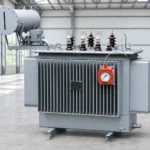
Productreferentie-illustratie op basis van de productafbeelding van Shenheng; geen daadwerkelijk onderhouds-, test- of klantlocatierecord.
Prepare replacement questions without inventing a specification
If replacement becomes necessary, request confirmation of the complete assembly relationship: membrane identification, conservator interfaces, associated seals and the relevant commissioning instructions. Do not select a spare solely by approximate dimensions or a claim that a material is generally suitable for transformer oil. Compatibility depends on the documented design and service requirements.
Ask whether the supplier is offering the original part, an approved supersession or an alternative requiring engineering review. These are different purchasing decisions. The quotation should state the basis for the offer, the documents supplied and any exclusions. A seller’s statement that a part is “equivalent” should be supported by a review of the specific application.
Keep any proposed improvement separate from a like-for-like repair. Changing the preservation arrangement or associated instruments may require a broader design review. The oliegemodificeerde transformator koper gids helps frame equipment-level requirements, but it cannot approve an internal replacement for a particular serial number.
Agree how the finding will be closed
Before work begins, define the evidence expected after inspection: identified configuration, observations, photographs where permitted, parts fitted if any, unresolved issues and the specialist’s recommendations. If the inspection does not establish a cause, say so. A documented inconclusive result is more useful than a confident but unsupported statement that the bladder is sound.
The responsible engineer should decide which checks and observations are required before return to service, using the manufacturer’s instructions and the work performed. Record who accepted the result and what follow-up remains. Separate installation completion from operating acceptance so that an invoice or delivery note does not become the only evidence of a satisfactory repair.
Maintain the chronology after the outage. Record subsequent alarms and observations against the same asset and configuration. That makes later review possible without reconstructing the story from scattered messages, and helps distinguish a resolved issue from one that has merely stopped being reported.
Further learning: maintenance isolation
The US Department of Labor video below introduces lockout/tagout as maintenance safety background. It does not demonstrate conservator inspection, oil handling or transformer recommissioning. Use it alongside the site’s training and authorized procedures.
Verdere kennis: Sta Op Voor Veiligheid en Gezondheid – Lockout tagout — Ministerie van Arbeid Nederland. Openbaar op YouTube.
Veelgestelde vragen
Does every conservator transformer contain a bladder?
No. Confirm the preservation arrangement from the installed transformer's documentation. The external shape of a conservator does not identify its internal construction.
Does a bladder-related alarm prove membrane failure?
An alarm warrants investigation, but the cause must be assessed against the fitted design, event history and other evidence. Do not assign a diagnosis from the alarm label alone.
Can an oil report replace a physical inspection?
Oil reports can support condition assessment, but they do not directly establish the membrane’s physical condition. The specialist should explain what the available evidence supports and what remains unknown.
What should be sent with a replacement enquiry?
Send the serial number, current conservator drawing, approved part information if available, inspection findings and required documentation. Ask the manufacturer to confirm applicability before purchasing.
Shenheng Electric Power streeft ernaar om een wereldwijde leider te worden in oplossingen voor elektrische apparatuur en helpt klanten om een veilig, efficiënt en duurzaam energiebeheer te realiseren.

 Shenheng Power Equipment Co., Ltd.