Dry type transformer lifting eye replacement needs approval for the actual transformer and the load path through which it will be lifted. A matching thread or a larger-looking eye is insufficient. Confirm which points are designed to lift the complete unit, what mass and configuration they apply to, and which replacement and installation details the manufacturer approves. If a lifting point is damaged, the supporting structure may also need assessment. Keep the transformer out of the lifting operation until a competent person has resolved the part and lifting-plan requirements.
This guide helps buyers prepare a replacement request. It is not a rigging instruction, a calculation of lifting capacity or authorization to lift from a visible frame hole. The actual operation requires an approved equipment-specific plan and competent lifting personnel.
A bare active assembly, an enclosed transformer and a transformer mounted on a transport base are different configurations. Their mass, center of gravity and approved handling arrangements may differ. Define the intended lifted configuration before ordering a replacement point.
Record the transformer serial number, drawing revision, supplied accessories and any changes since delivery. Ask the manufacturer which components belong in the lifted mass and whether any must be removed or separately supported. Do not infer the answer from a catalogue weight that may describe another configuration.
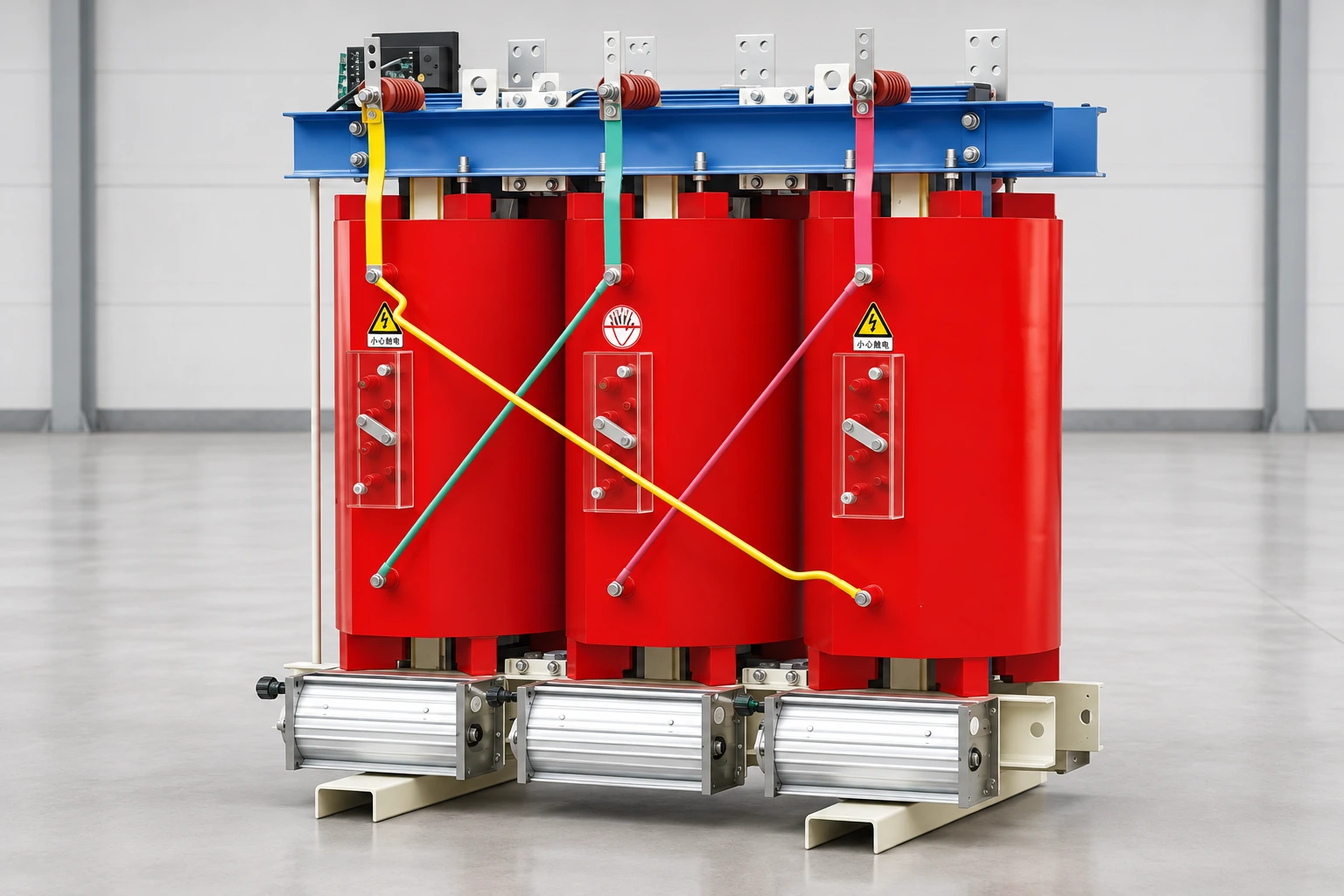
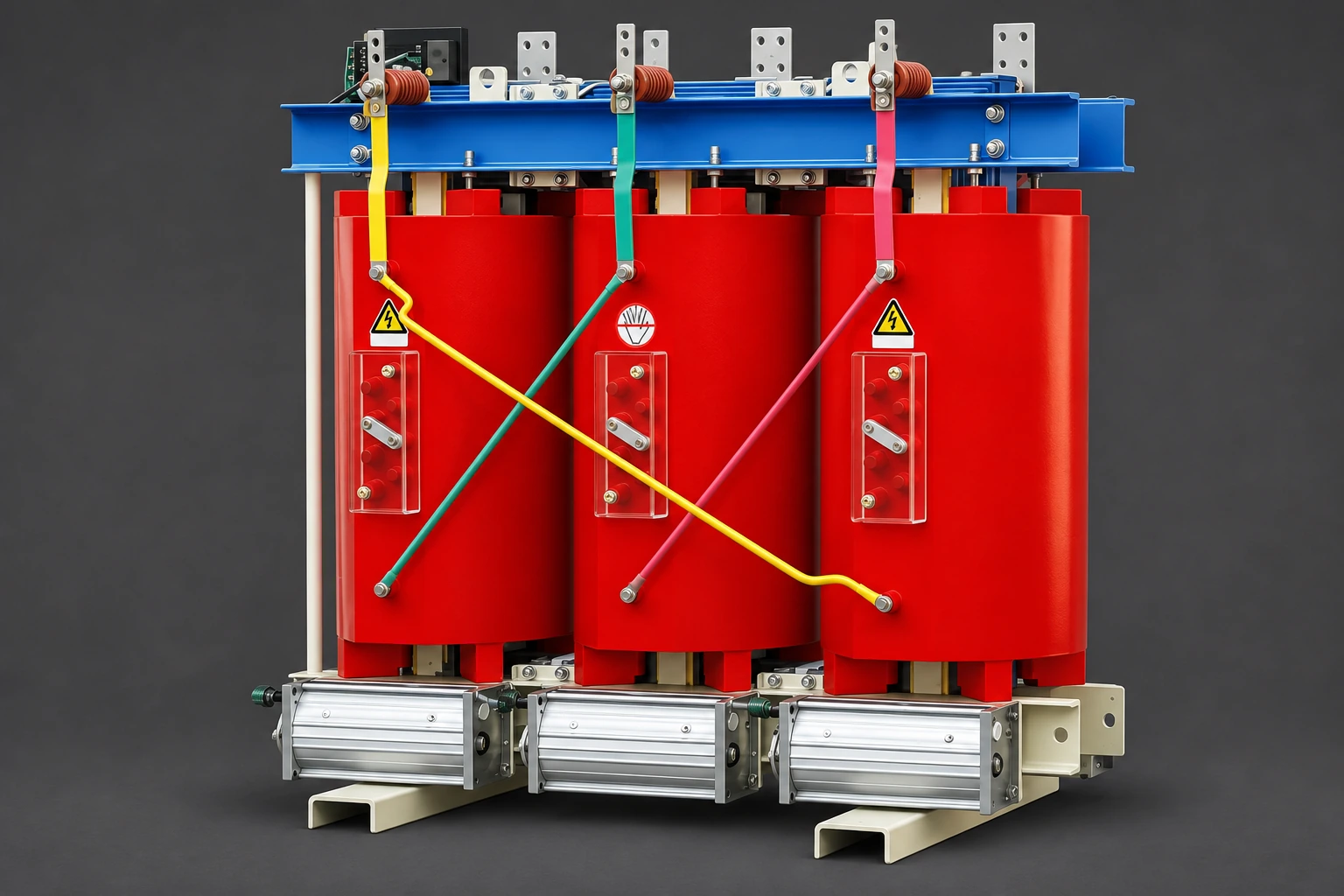
For a 鋳造樹脂乾式変圧器, the product photograph identifies the relevant equipment family. It does not establish which visible holes or brackets are rated lifting points. The manufacturer’s handling drawing and actual unit information must provide that evidence.
Frames can contain holes for manufacturing, assembly, transport or accessory mounting. An opening that accepts a hook is not automatically intended to carry a lift. Likewise, a bracket suitable for one handling stage may not be approved for every assembled condition.
Ask for the approved lifting-point locations and the relevant instructions. If the original eye is missing, do not substitute a general-purpose item simply because its thread fits. The mating material, engagement, load direction and supporting structure are part of the review.
IEEE C57.94 identifies installation and maintenance of dry-type transformers as its subject. Its public scope does not assign a capacity to a specific eye or frame. Use the complete applicable guidance alongside the manufacturer’s unit-specific handling instructions.
Record the observed condition before repair: missing hardware, deformation, damaged thread, corrosion, impact marks or cracking around the attachment. Do not grind, weld or straighten the area to improve its appearance before the responsible engineer has assessed it.
Identify any previous handling incident and retain transport or maintenance records. A replacement eye cannot restore a damaged supporting structure by itself. The engineer may require further examination or a different handling arrangement, depending on what is found.
| Approval boundary | 比較段階 | Why a simple visual match is insufficient |
|---|---|---|
| Lifted configuration | Actual unit, accessories and approved mass | Catalogue data may describe a different condition |
| Point identity | Manufacturer’s handling drawing | Not every frame hole is a lifting point |
| Replacement item | Approved part and applicability | Matching threads do not prove suitability |
| Mating structure | Condition assessment and repair instructions | The failure may extend beyond the eye |
| Loading arrangement | Approved lift plan and permitted directions | Capacity depends on the actual arrangement |
| インストール | Manufacturer’s fitting instructions | Unspecified engagement or hardware leaves uncertainty |
| リリース | Defined inspection and authorization | A new part alone does not approve the lift |
The table is an evidence checklist. It does not specify sling angles, thread engagement, tightening torque or lifting capacity.
The spare request should identify the part, its interface and the transformer configuration it is approved to support. Ask whether associated bolts, washers, retainers or structural components must be replaced with it. If a revised part is supplied, require its applicability and any companion changes.
Avoid mixing an independently rated lifting accessory with an unreviewed transformer attachment. The accessory’s own rating does not prove that the transformer frame or mating thread can support the proposed arrangement. Both the component and its installed load path require an appropriate basis.
If the original design is obsolete, request a documented engineered alternative. The proposal should state the affected structure and any inspection, repair or handling changes. Do not describe a modified attachment as like-for-like unless the responsible engineer has established that equivalence.
cURL Too many subrequests by single Worker invocation. To configure this limit, refer to https://developers.cloudflare.com/workers/wrangler/configuration/#limits.
The cURL Too many subrequests by single Worker invocation. To configure this limit, refer to https://developers.cloudflare.com/workers/wrangler/configuration/#limits cURL Too many subrequests by single Worker invocation. To configure this limit, refer to https://developers.cloudflare.com/workers/wrangler/configuration/#limits.
cURL Too many subrequests by single Worker invocation. To configure this limit, refer to https://developers.cloudflare.com/workers/wrangler/configuration/#limits.
cURL Too many subrequests by single Worker invocation. To configure this limit, refer to https://developers.cloudflare.com/workers/wrangler/configuration/#limits.
cURL Too many subrequests by single Worker invocation. To configure this limit, refer to https://developers.cloudflare.com/workers/wrangler/configuration/#limits 乾式変圧器のケーブル終端処理ガイド cURL Too many subrequests by single Worker invocation. To configure this limit, refer to https://developers.cloudflare.com/workers/wrangler/configuration/#limits.
cURL Too many subrequests by single Worker invocation. To configure this limit, refer to https://developers.cloudflare.com/workers/wrangler/configuration/#limits installation clearance guide helps review the destination layout, but it does not replace the physical lift and placement plan.
The manufacturer or responsible engineer should define the required inspection and any further examination after replacement. The record should show the actual part and revision, supporting-structure condition, installation and acceptance basis. Do not invent a proof-load test or apply a load to “see if it holds.”
If a test is required, it needs an approved method, controlled conditions and competent responsibility. The operation should not be used as the first unplanned test of an uncertain attachment. Keep any limitations visible in the release record.
A complete approval should relate to the intended lifted configuration and arrangement. If the configuration changes afterward, have the plan reviewed. An authorization for handling a bare unit should not silently become authorization to lift an enclosed or modified assembly.
Provide the same unit identity, damage evidence and intended configuration to each qualified supplier. Ask whether the price includes applicability review, spare hardware, structural assessment and installation guidance, or only the loose component. Identify who provides the final lift-plan approval.
A short lead time for an unreviewed eye may not shorten the project. Engineering clarification and any supporting repair can remain the controlling tasks. Make those tasks visible in the schedule instead of treating the arrival of a metal part as completion.
For broader purchasing context, use the dry transformer buying guide. If the unit is being moved into storage rather than immediately installed, the storage inspection guide addresses a different part of the handover. Maintain separate records for handling approval, storage condition and later electrical acceptance.
The following US Department of Labor video explains hazardous energy control. It supports the electrical-release part of relocation planning; it does not demonstrate rigging, rate a lifting point or provide the mechanical lifting method. The actual lift needs its own competent plan and supervision.
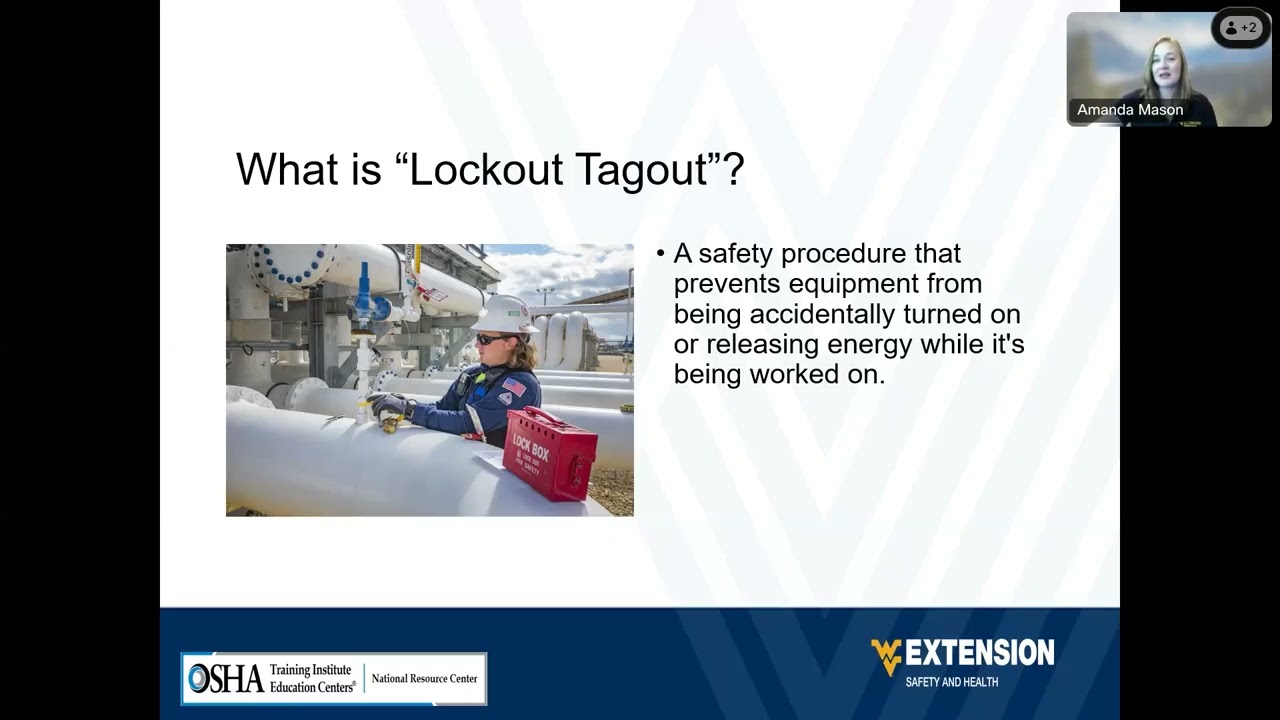
さらなる学習:安全と健康のために立ち上がろう – ロックアウトタグアウト — 労働省。. YouTubeで公開.
実際の接続部および荷重伝達経路について承認を得ない限り、交換してはなりません。アイボルトの見かけ上の寸法や単体での定格荷重だけでは、接続される構造体の耐荷重能力を証明できません。メーカーから交換用部品の詳細仕様を入手し、予定している吊り上げ方法について、適切な資格と能力を有する吊り上げ計画担当者の承認を得てください。.
そのような前提を置いてはなりません。メーカーの取扱図面を使用して、承認済みの吊り上げポイントと、それらが適用される構成を特定してください。製造時や取り付け時に使用する穴は、一見便利に見えても、吊り上げ用途として承認されていない場合があります。.
いいえ。支持構造、取り付けられた部品、および予定されている吊り上げ方法については、引き続き承認を得る必要があります。また、電気接続およびその他の接続部も、承認された手順に従って安全に切り離さなければなりません。交換用部品は、作業全体を準備するために必要な要素の一つにすぎません。.
Keep the transformer configuration, approved point and spare references, supporting-structure assessment, installation and examination results, and release authority. Link those records to the lift plan so the crew and future maintenance teams understand the scope and limitations of the approval.

 申恒電力設備有限公司.