Transformer oil flow indicator replacement starts with identifying the installed cooling circuit and the complete instrument, not matching the appearance of a dial. Confirm whether the transformer actually uses forced oil circulation, what the indicator is intended to report, and which alarm contacts belong to it. A flow indication does not by itself prove that cooling is adequate. This guide helps owners, maintenance planners and buyers assemble a replacement review. It does not provide a procedure for opening oil pipework, changing pump connections, defeating alarms or returning equipment to service.
Not every oil immersed transformer has an oil pump or a flow indicator. A naturally circulated transformer can have radiators, a conservator and a liquid-level gauge without a forced-oil cooling circuit. Start with the transformer serial number, cooling designation, accessory schedule and cooling-system drawing. Identify the actual device by its instrument tag and part number. Do not infer the installed accessories from an overall product photograph.
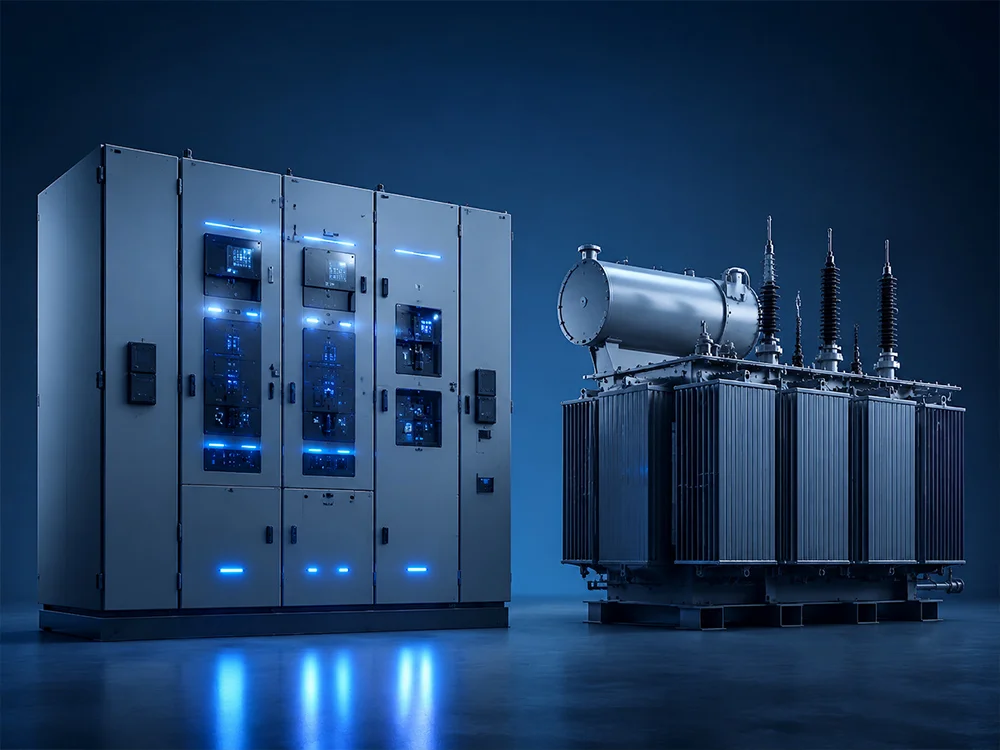
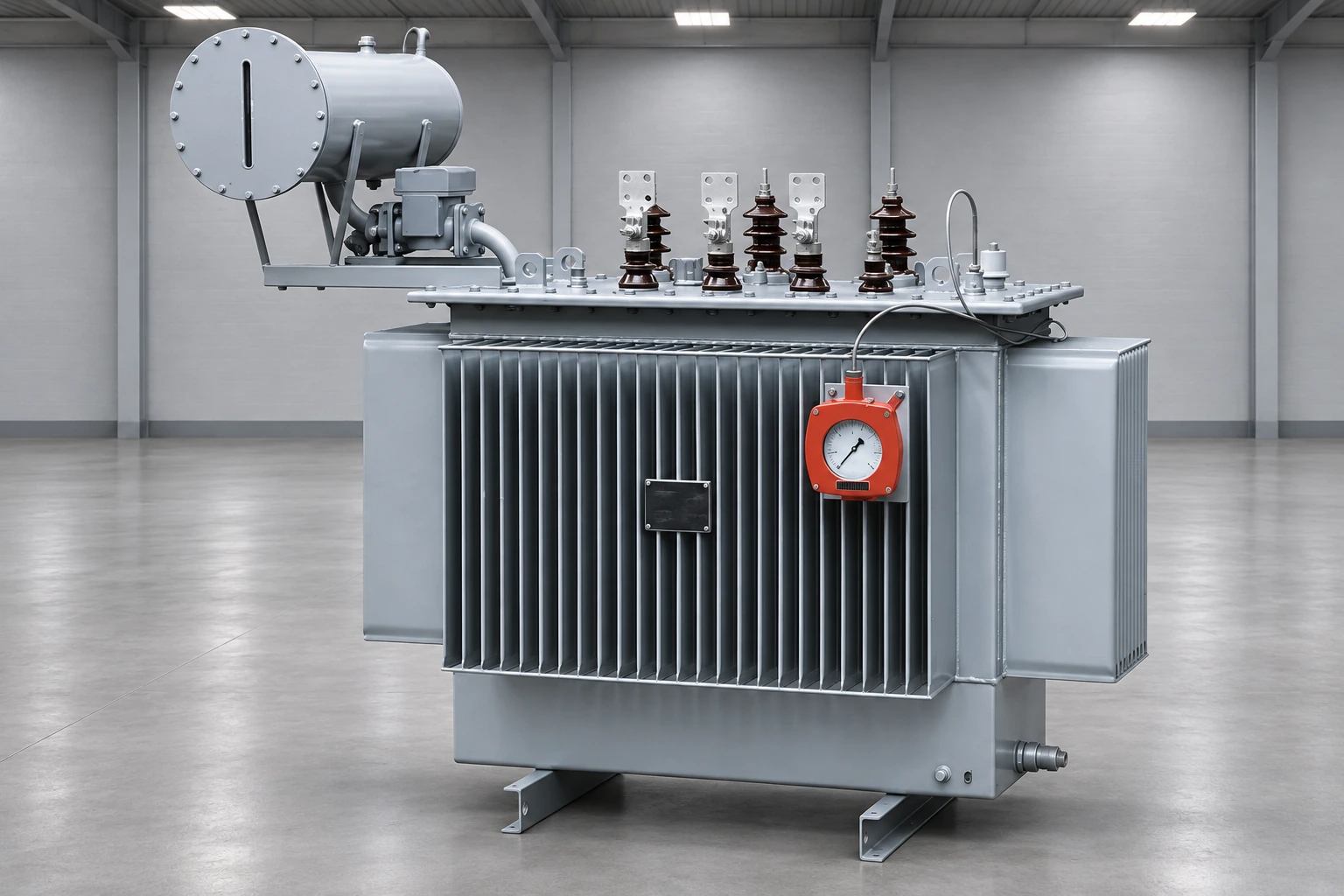
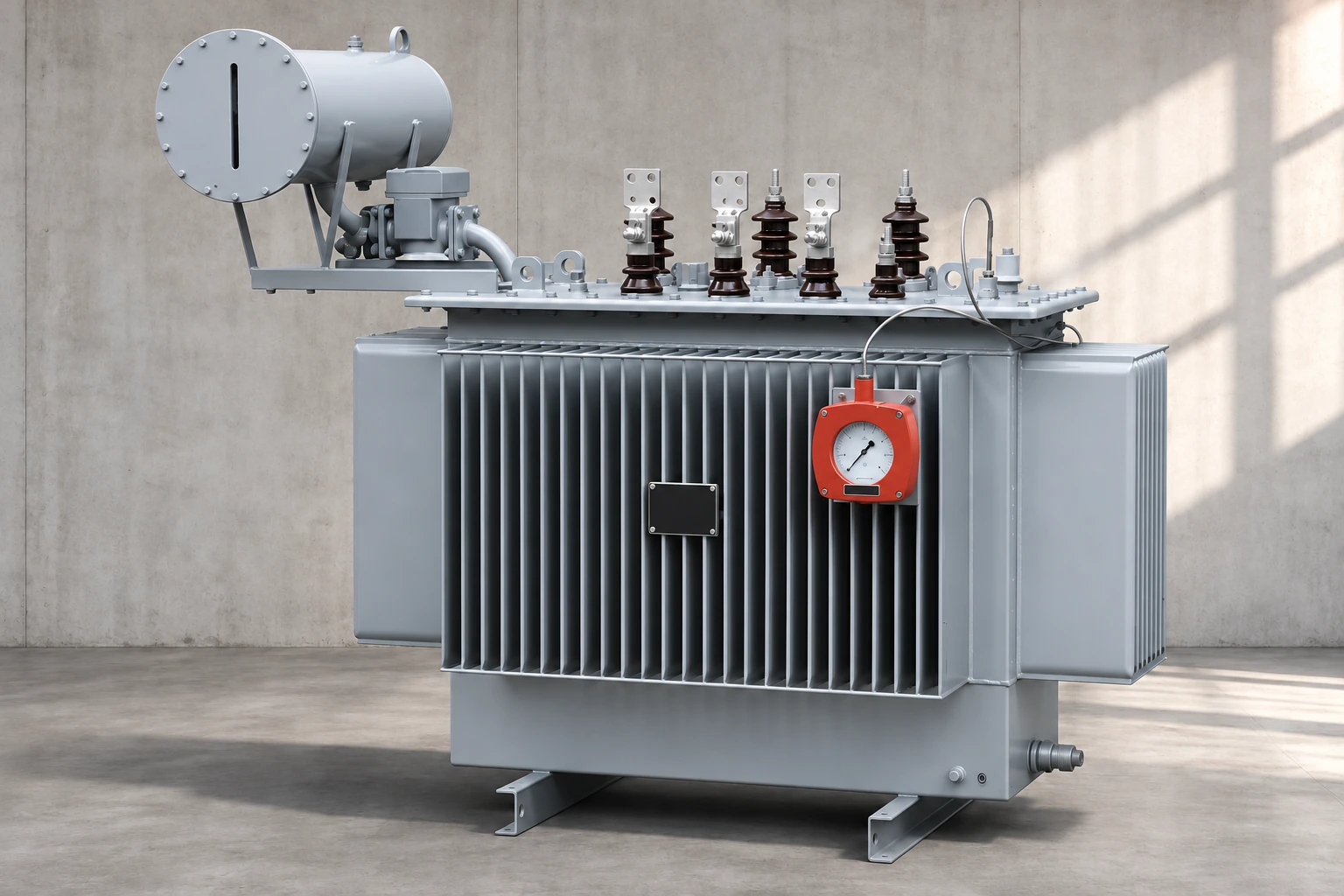
For a new project, the Shenheng oil immersed power transformer product provides the relevant equipment family for an enquiry. Its illustration is an overall product reference; it does not establish that a particular pump, pipe-mounted flow indicator or alarm arrangement is supplied. Specify those requirements separately and obtain a project-specific drawing. The 油入変圧器購入ガイド explains the broader information needed to define the transformer before selecting individual accessories.
Record the reported symptom in the operator’s own terms. A no-flow alarm, a pointer that remains stationary, an intermittent remote signal and a damaged instrument enclosure are different findings. Preserve the observation time, available pump status, relevant temperatures and load information from authorized records. Do not turn an uncertain symptom into a confirmed instrument failure simply because a replacement is available.
米国開拓局(US Bureau of Reclamation)の transformer maintenance guidance explains that a vane indication can appear even when the amount of oil circulation is inadequate. That is a reason to review the cooling system with the manufacturer, rather than treating a moving pointer as a measurement of cooling capacity. This article does not prescribe pump switching or a live diagnostic experiment.
Ask the technical reviewer to consider the complete evidence. A circuit problem may involve the pump, oil path, valve arrangement or the indicator itself. The scope must be established before ordering. If the owner’s procedures identify an abnormal cooling condition, follow their escalation arrangements promptly. Do not bypass an alarm to keep the transformer available while a spare is being sourced.
Collect the installed manufacturer’s name, model, serial number where available, drawing revision and instrument tag. Distinguish a flow switch, a local flow indicator and a combined indicator with electrical contacts. A similar housing can contain a different mechanism or contact arrangement. The purchase description needs to identify the approved assembly, including any adaptor or separate sensing part.
The EPRI power transformer application guide describes oil-flow indication associated with pumped cooling circuits. Use that context to ask the correct questions; it is not a parts catalogue for the installed transformer. Details such as the sensing element, direction of flow, mounting position and alarm action need the actual accessory documentation.
An instrument may be supplied as a complete assembly or as a permitted service part. Ask the manufacturer to state the boundary explicitly. A replacement head must not be assumed compatible with an existing sensing body, and a new body must not be selected solely because its connection fits the pipe. Keep the old designation readable in photographs and records before any authorized dismantling changes the evidence.
The following table is an enquiry framework, not a dimensional specification. Populate it from approved drawings and installed-equipment records. The system principles are supported by the Reclamation and EPRI sources above; none of the rows establishes an interchangeable spare without manufacturer confirmation.
| レビューエリア | 請求する証拠 | 解決すべき問題 |
|---|---|---|
| 設備識別情報 | Transformer serial number, cooling drawing and device tag | Does the quotation refer to this exact cooling circuit? |
| 計器の識別 | Model, part number, drawing and revision | Is the complete approved assembly identified? |
| 機械的インターフェース | Connection drawing, orientation and sensing-element details | Does the spare fit without changing the approved oil path? |
| Service conditions | Applicable liquid, temperature and pressure requirements | Has the supplier confirmed suitability for this duty? |
| Local indication | Dial or flag function and defined operating states | Will operators interpret the replacement correctly? |
| 電気インターフェース | Contact schedule, terminal identification and circuit drawing | Are required alarm functions preserved? |
| Acceptance | Manufacturer’s inspection and functional-verification requirements | What records are required before release? |
Mark unanswered rows as open. A quotation that lists only a nominal connection size is incomplete if the sensing arrangement and contact functions remain unknown. Keep technical clarification separate from commercial agreement so a fast delivery promise cannot silently become an engineering approval.
The connection standard, mounting face, insertion geometry and orientation all matter. Obtain dimensions from drawings or from measurements made under an approved work plan. An accessible external measurement does not establish internal clearance or sensing-element compatibility. If records conflict, ask the manufacturer how the uncertainty should be resolved rather than assuming that the newer catalogue entry supersedes the installed part.
Determine whether the proposed work disturbs a liquid boundary. The answer affects isolation, contamination control, liquid handling, sealing and the subsequent verification scope. Those activities belong in a qualified method statement for the actual transformer. This guide deliberately gives no generic tightening torque, gasket material or oil-handling sequence, because those details depend on the equipment and replacement assembly.
A proposed adaptor also needs review. An adaptor may change the sensing position, access, sealing interface or supported mass even when the threads appear compatible. Request an approved assembly drawing showing the final installation. The adjacent radiator isolation valve review covers a different component and should not be treated as permission to operate valves during an indicator assessment.
Compare the contact functions on the old and proposed instruments against the circuit drawing. Record terminal designations, the defined reference state, signal destination and any relevant auxiliary supply information. Do not rely on wire colour or on an unexplained claim that the device is normally open. The reference condition must be clear to both the instrument supplier and the control-system reviewer.
An electrically compatible contact still needs to perform the intended function within the actual circuit. Ask which drawings, contact data and verification records will demonstrate this. A replacement that changes the alarm meaning can create confusion even if the local pointer appears correct. Any control-system change should have its own approved documentation and change record.
Treat a damaged cable or remote-input fault as a separate finding. Ordering a new local indicator does not prove that the signal path has been repaired. The liquid-level indicator replacement review discusses another instrument family; its level and temperature relationships must not be transferred to a flow device. Keeping those functions separate improves both purchasing accuracy and later troubleshooting.
The work plan needs named responsibilities for making equipment safe, controlling access, carrying out the approved intervention and authorizing return to service. The HSE’s electrical equipment guidance provides general safety principles for competent work and safe isolation. Apply the applicable local rules and equipment instructions; an internet article cannot define the isolation boundary for a particular installation.
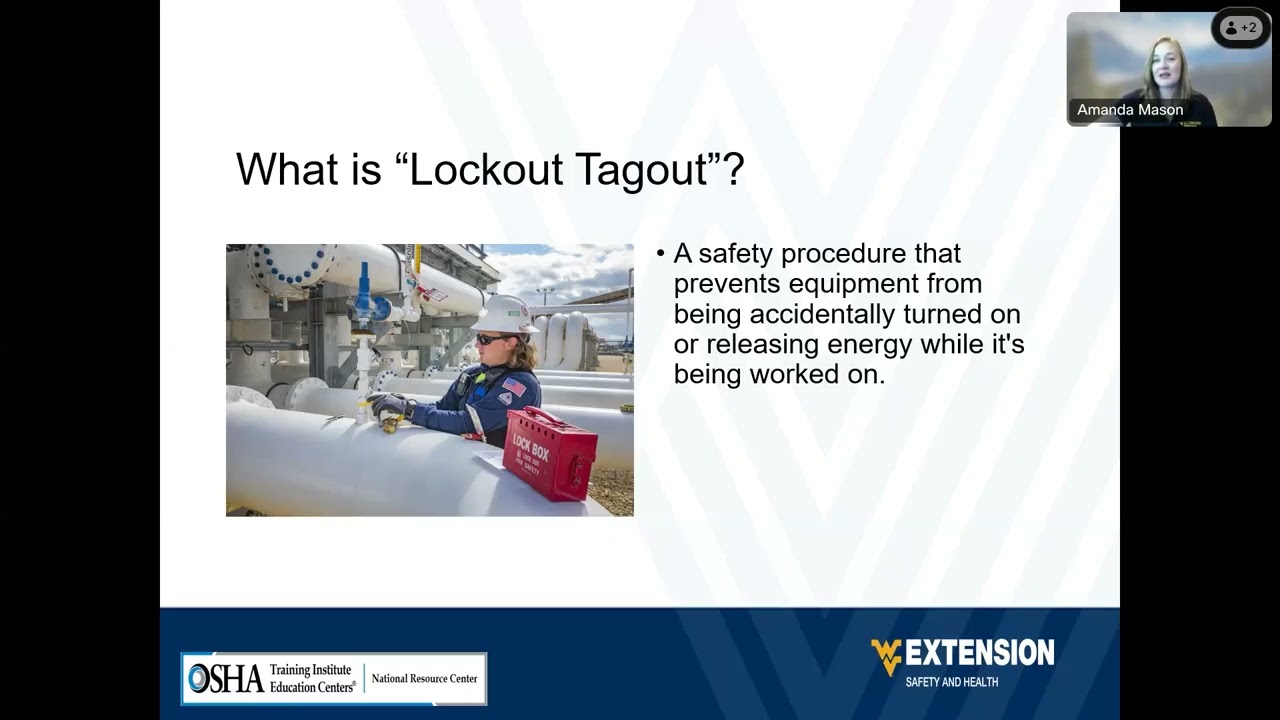
さらなる学習:安全と健康のために立ち上がろう – ロックアウトタグアウト — 労働省。. YouTubeで公開.
The US Department of Labor video above explains the purpose of controlling hazardous energy. It supports this planning section and is not a transformer-specific replacement demonstration. Watching it does not qualify a person to work on high voltage equipment or substitute for the site’s approved procedure.
調達前に、設置後に何が確認され、誰が結果を解釈するかを合意してください。受入計画は、機械的完全性、液体保持、ローカル表示、アラーム対応、および冷却回路の状態に対処する必要があるかもしれません。製造者と所有者は実際の範囲を定義する必要があります。納品検査と機能確認は異なる質問に答え、別々の記録を持つべきです。.
変圧器の識別、冷却図、機器の写真、読みやすいデバイスのマーキング、既存の部品番号、連絡スケジュール、および症状の説明を含む制御されたパッケージを1つ送付してください。文書化されている場合にのみ、環境およびサービス要件を含めてください。フィールドが不明な場合は、類似の設置から埋めるのではなく、欠落している証拠を特定してください。サプライヤーに提供されたアセンブリの背後にあるすべての仮定をリストアップするよう依頼してください。.
提案された部品番号、改訂、寸法図、サポートされるサービス条件、連絡先情報、提供されたシール、および設置文書の参照を要求してください。廃止された元のモデルに正式にサポートされる後継があるか、またその変更にアダプタ、改訂図面、または追加の確認が必要かどうかを尋ねてください。リセラーからのクロスリファレンスだけでは、特定の変圧器の承認を確立することはできません。.
作業後に、承認された見積もり、納品された部品の識別、作業記録、および受入証拠を一緒に保管してください。残っている制限やフォローアップの観察を記録してください。一般的なラジエーターの状態は冷却に関連していますが、別の検査範囲です; ラジエーターのフィンの詰まりガイド は、外部状態のレビューを機器の交換から区別するのに役立ちます。最終的なリリースの決定は、権限のある所有者および技術者に属します。.
いいえ。デバイスは、必要な循環または全体的な冷却性能が利用可能であることを証明することなく、動きを示すことがあります。それを承認された冷却システムの情報や他の承認された証拠とともに解釈してください。異常な温度やアラームは、所有者の確立された対応が必要です、たとえ指針が正常に見えても。.
いいえ。液面レベルと液体の動きは異なる機能です。予備品を要求する前に、機器のタグと目的を確立してください。見た目が似ているダイヤル、取り付け寸法、または接触ハウジングは、これらのデバイスを互換性のあるものにするものではありません。.
いいえ。センサーの配置、向き、サービス条件、シーリングインターフェース、および接触機能も確認してください。完全に設置されたアセンブリの互換性確認を取得してください。アダプターや改訂されたセンサー要素が物理的に取り付けられるからといって無害であると仮定しないでください。.
トランスフォーマーのシリアル番号、アクセサリースケジュール、冷却図面、デバイスの位置、および安全に取得した明確な外部写真を送信してください。読めないマーキングを未解決の問題として特定してください。製造業者は次の識別ステップを定義する必要があります。購入者は画像だけからモデルを推測すべきではありません。.

 申恒電力設備有限公司.