Shenheng Power Equipment Co., Ltd.
- Home
- Products
Products
Since 2001, Shenheng Power has been a trusted manufacturer of power transmission and distribution equipment, delivering reliable electrical solutions globally.
- Solutions
- News & Blog
- Service
- About Us
- Contact Us
Since 2001, Shenheng Power has been a trusted manufacturer of power transmission and distribution equipment, delivering reliable electrical solutions globally.
A unit substation transformer specification should expose unanswered interfaces before an RFQ becomes a procurement commitment. The review record connects drawings, equipment boundaries, site inputs, responsibility assignments, and each open question.
For related reading, see box type substation RFQ checklist and substation type transformer cable entry and grounding notes.
Important: IEC 62271-200: AC metal-enclosed switchgear and controlgear provides technical context; approved project documents and qualified personnel determine actual values, tests, safeguards, and acceptance.
A unit substation transformer specification needs a controlled definition of the equipment role, incoming and outgoing circuits, transformer and switchgear interfaces, site context, project authority, and required documents. The phrase unit substation does not establish a complete configuration.
Reconcile circuit descriptions, voltage arrangement, transformer role, protection responsibility, enclosure sections, and interface references. A gap is a question that has no controlled source, not an assumption to fill from a product picture.
Record foundation and access conditions, cable-entry direction, ventilation or environmental context, earthing approach, labels, compartment boundaries, transport constraints, and any owner-supplied equipment. These details should be visible to every reviewer.
Assign each requirement to the transformer, switchgear, package integrator, EPC contractor, or project authority. The RFQ should show who owns protection data, cables, terminations, controls, testing, drawings, and final acceptance.
For each open item, state the drawing or document reference, what is missing, who must answer, the effect on the enquiry, and the decision deadline. This register prevents unresolved interfaces from disappearing inside a generic description.
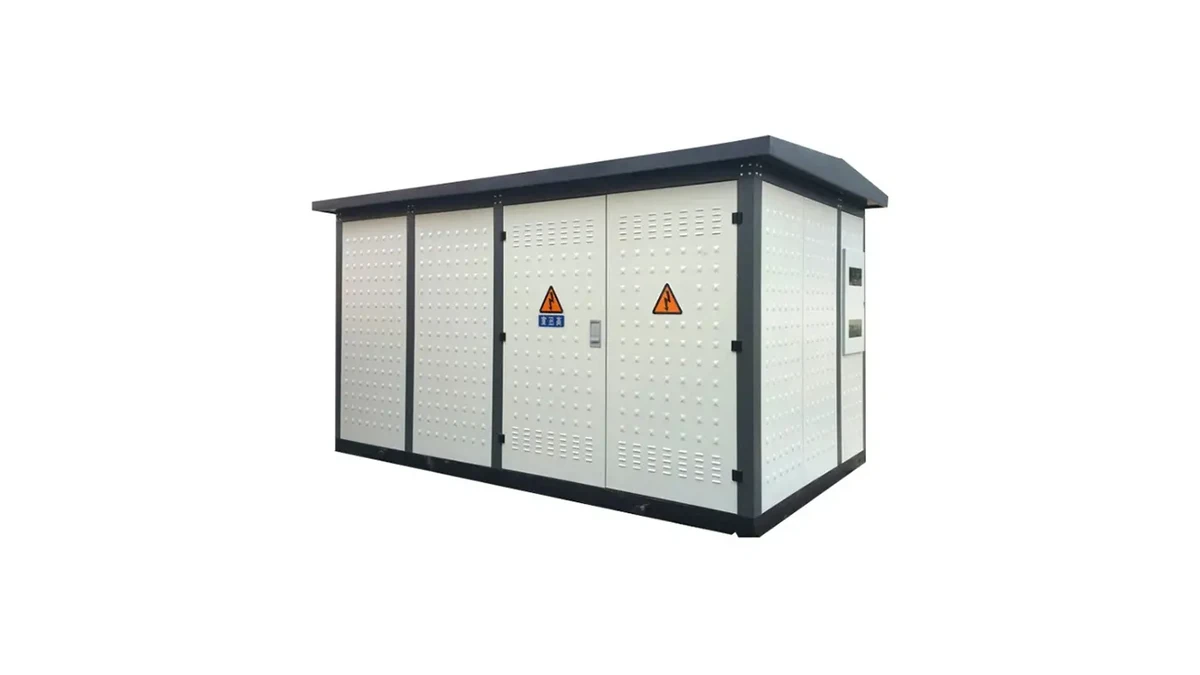
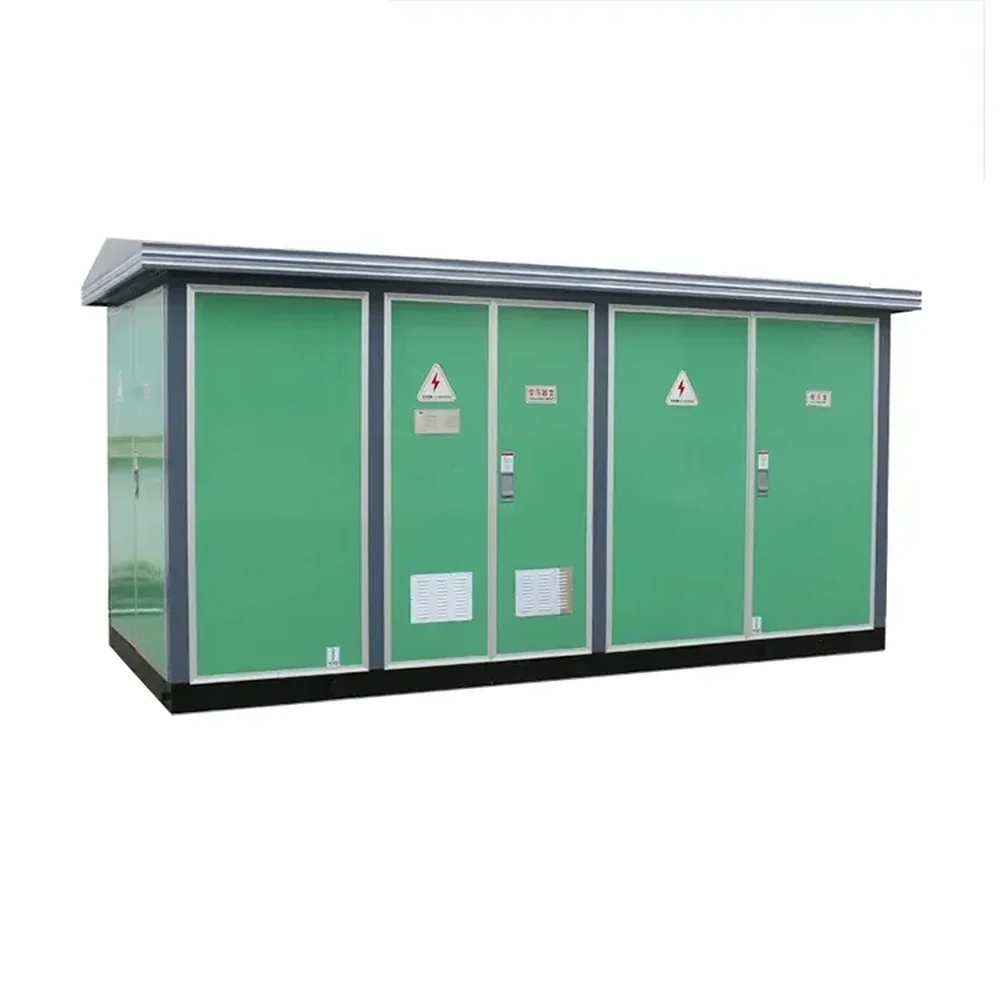
Shenheng Power lists an 11kV/33kV YB series compact outdoor electrical substation for catalogue context. It does not establish a particular unit-substation transformer layout, rating, accessories, approval, or site suitability.
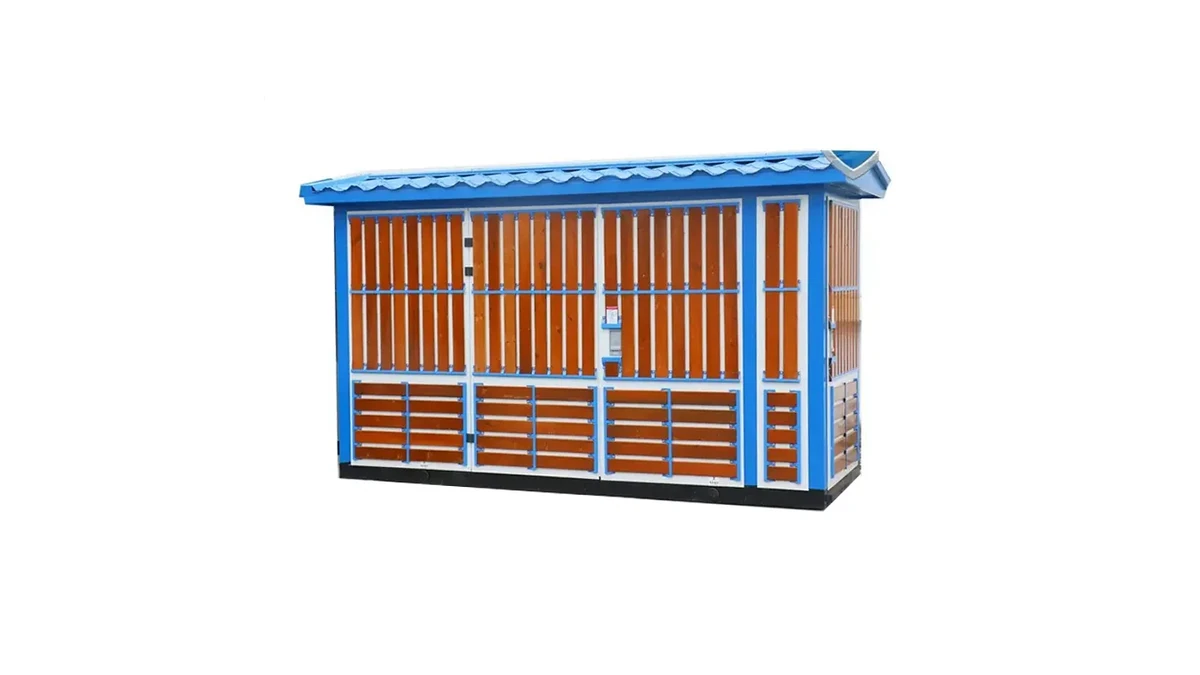
Product recommendation: review the 11kV/33kV YB series compact outdoor electrical substation as a product-family reference only.
Include the controlled drawings, system role, circuit and site inputs, interface matrix, document list, quantity, schedule, and gap register. Ask for supplier clarification against the recorded project basis, not a universal recommendation.
For a unit-substation transformer clarification, contact Shenheng Power with the current drawings, gap register, interface matrix, required documents, and questions requiring a response.
It is a requirement or interface that affects the project but has no confirmed source in the approved drawings, schedule, specification, or named project decision.
Start with the current single-line diagram, equipment schedule, layout, interface drawings, issued changes, document list, and the responsible owner for each decision.
No. A catalogue page can frame a product-family discussion, while missing requirements need project evidence and qualified clarification.
Clear ownership prevents transformer, switchgear, contractor, and project tasks from being assumed by another party.
Foundation and access context, cable entry, environmental or enclosure considerations, earthing approach, transport constraints, and owner-supplied interfaces can affect the enquiry.
Send the controlled drawings, system role, circuit and site inputs, interface matrix, required documents, quantity, schedule, gap register, and the questions requiring confirmation.