Shenheng Power Equipment Co., Ltd.
- Home
- Products
Products
Since 2001, Shenheng Power has been a trusted manufacturer of power transmission and distribution equipment, delivering reliable electrical solutions globally.
- Solutions
- News & Blog
- Service
- About Us
- Contact Us
Since 2001, Shenheng Power has been a trusted manufacturer of power transmission and distribution equipment, delivering reliable electrical solutions globally.
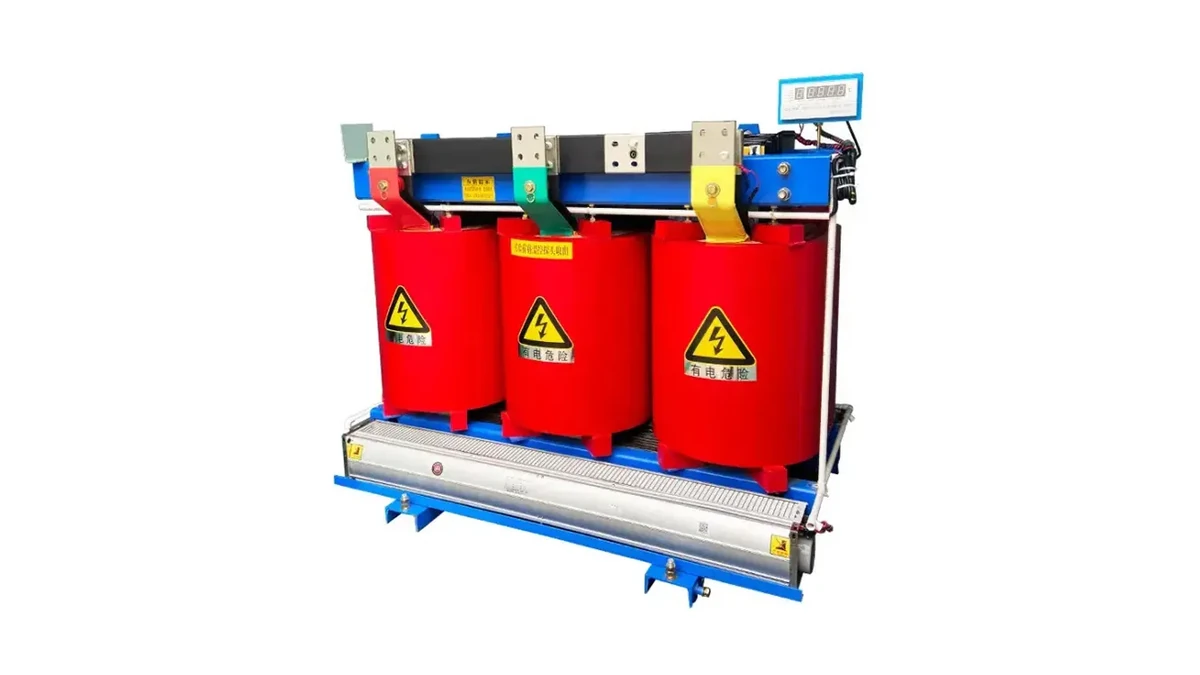
A 75kVA dry type transformer commissioning review is a controlled evidence exercise. It connects the installed equipment, approved installation records, inspection and test scope, interfaces, responsible people, and the authority that can make an energization decision.
For related context, read the dry type transformer EPC buying guide and cast resin dry type transformer maintenance tips.
Important: The applicable IEC context is IEC 60076-3: Insulation levels, dielectric tests and external clearances. The approved transformer procedure and qualified team, rather than this checklist, determine work scope, measured values, safeguards, and acceptance.
A 75kVA dry type transformer checklist should begin with the approved project basis, equipment identity, responsible people, safe-work controls, and the authority that can accept the work. The kVA label alone does not set installation clearances, test values, or energization permission.
Match the nameplate, drawing reference, phase arrangement, accessories, terminals, and shipping records to the approved equipment schedule. Record visible damage, missing documents, loose parts, and any deviation before installation proceeds.
| Transformer baseline | Controlled record | Review purpose |
|---|---|---|
| Nameplate and terminal identity | Delivery record and approved schedule | Confirms the received transformer |
| Installation location | Layout and access record | Connects support, ventilation, and access checks |
| Inspection activity | Transformer commissioning method statement | Defines the authorized task |
| Exception status | Nonconformance record | Prevents an unclosed delivery issue |
| ## Part 3. Prepare the installation record |
Capture the foundation or support condition, room or enclosure context, lifting and access arrangements, cable and termination interfaces, ventilation provisions, earthing connection, and torque or workmanship records required by the project procedure.
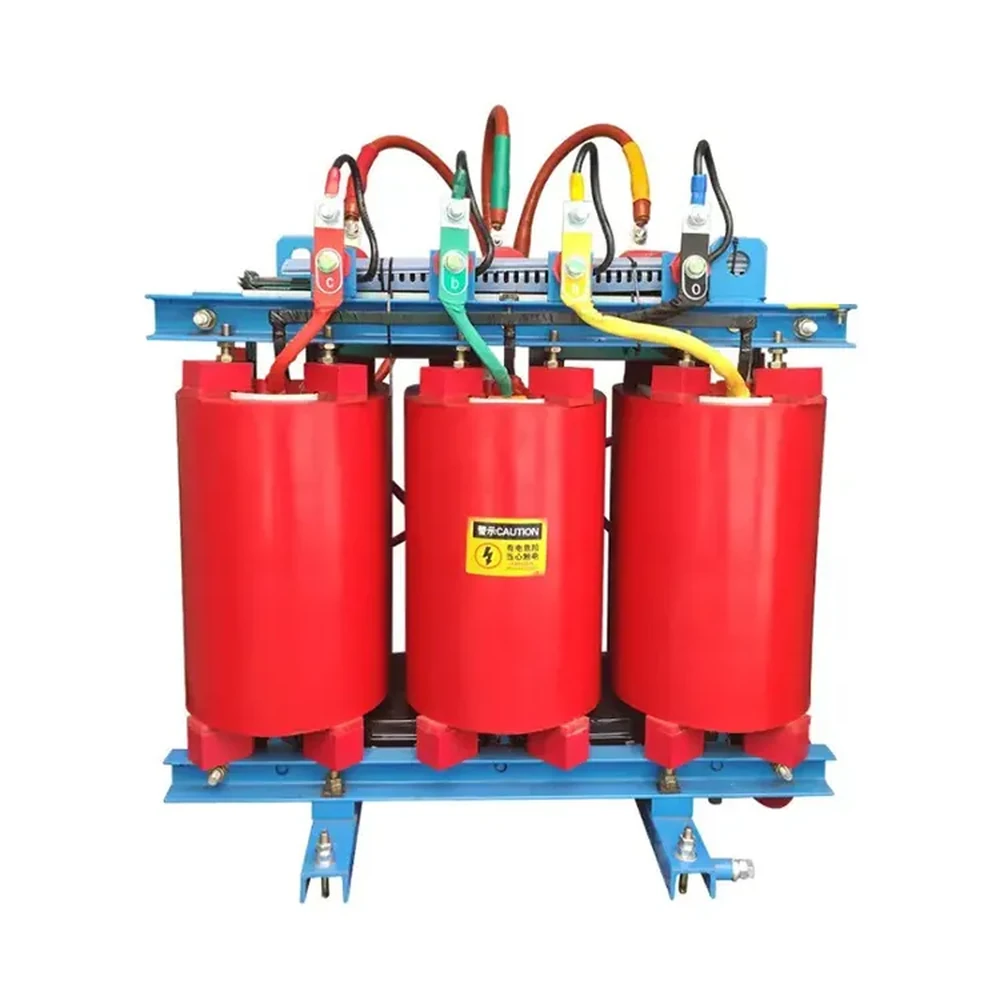
List each inspection or test in the approved method statement, identify the responsible qualified person, attach the resulting record, and leave acceptance criteria tied to the project specification or manufacturer documentation. A generic article must not invent values.
Coordinate upstream and downstream protection, secondary wiring, temperature or monitoring accessories, earthing, cable phasing, access controls, fire or enclosure interfaces, and the switching sequence with the current single-line diagram and approved commissioning plan.
| Transformer RFQ / review input | Why it is needed | Responsible source |
|---|---|---|
| Nameplate, voltage, and load basis | Defines the requested equipment duty | Electrical design lead |
| Room, enclosure, and support details | Identifies installation constraints | Site engineer |
| Test and inspection record | Defines the unresolved review point | Commissioning lead |
| Quantity, schedule, and required documents | Frames the supplier response | Project manager |
| ## Part 6. Use the product page within its evidence boundary |
Shenheng Power lists an 11kV three phase cast resin dry type transformer for catalogue discussion. That page is not proof that a 75kVA configuration, rating, voltage, accessories, or project acceptance is available; confirm the exact requirement directly.
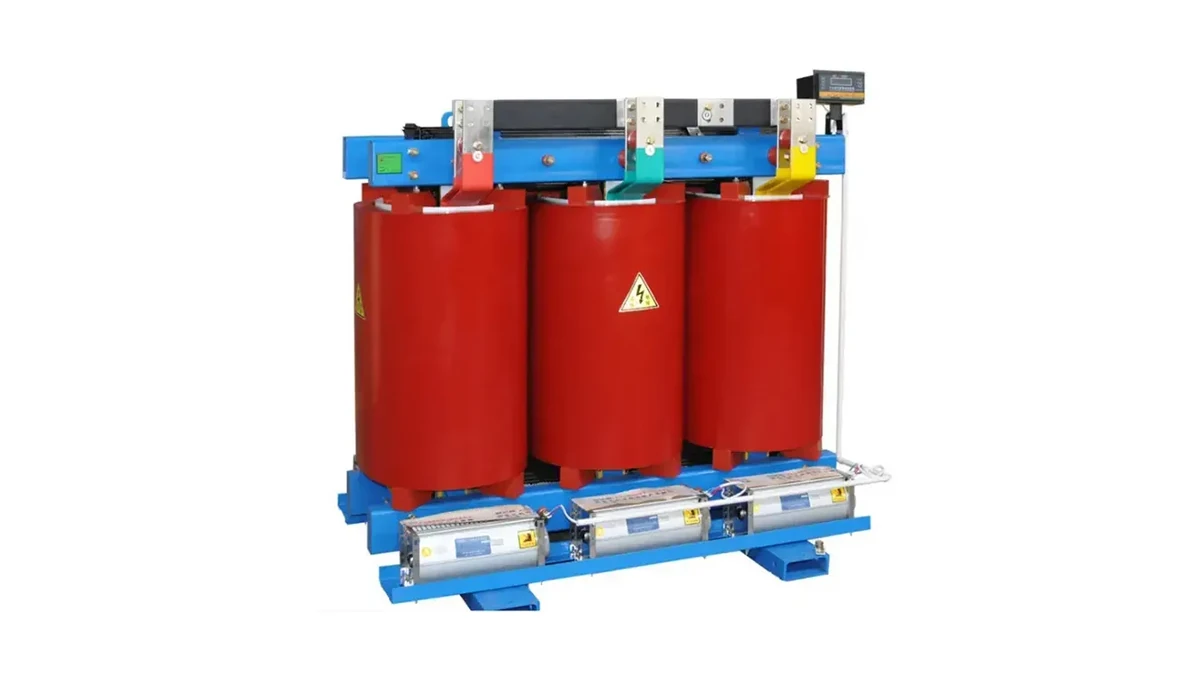
Product recommendation: review the 11kV three phase cast resin dry type transformer only as catalogue context; confirm project fit from the approved record.
Retain the approved drawings, inspection and test records, deviations, settings references, open actions, operating information, and final approvals. Send the same evidence with an enquiry so the supplier can clarify model fit instead of guessing from 75kVA alone.
For the next engineering step, contact Shenheng Power with the current drawings, equipment role, site or circuit inputs, interfaces, available evidence, document requirements, and questions requiring confirmation for this 75kva dry type transformer review.
Include equipment identity, approved drawings, installation condition, interfaces, inspection and test procedures, responsible people, acceptance evidence, open actions, and handover records.
No. Voltage, phase arrangement, frequency, insulation, environment, enclosure, connections, accessories, standards, and project conditions still need confirmation.
No. The approved project procedure, manufacturer documentation, applicable standard, and qualified personnel determine the method, value, sequence, and acceptance decision.
Retain delivery checks, nameplate and drawing references, support and access records, cable and earthing interfaces, inspection or test reports, deviations, and approvals.
Request review when a requirement is missing or conflicting, model availability is unclear, an interface is unresolved, or the evidence does not support an energization decision.
Send the equipment role, voltage and load basis, site or room conditions, connection and protection interfaces, required documents, quantity, schedule, and the exact questions needing confirmation.