Shenheng Power Equipment Co., Ltd.
- Home
- Products
Products
Since 2001, Shenheng Power has been a trusted manufacturer of power transmission and distribution equipment, delivering reliable electrical solutions globally.
- Solutions
- News & Blog
- Service
- About Us
- Contact Us
Since 2001, Shenheng Power has been a trusted manufacturer of power transmission and distribution equipment, delivering reliable electrical solutions globally.
Selecting a 33kV dry type transformer starts with the project evidence, not with a presumed catalogue match. The EPC team needs a controlled record of the electrical role, environment, interfaces, required documents, and the questions that must be confirmed before an equipment decision.
For adjacent reading, see the dry type transformer EPC buying guide and 11kV transformer selection for industrial feeders.
Important: IEC 60076-1 provides general transformer context; the approved project requirements determine any actual voltage class, configuration, test, or acceptance decision. (IEC 60076-1)
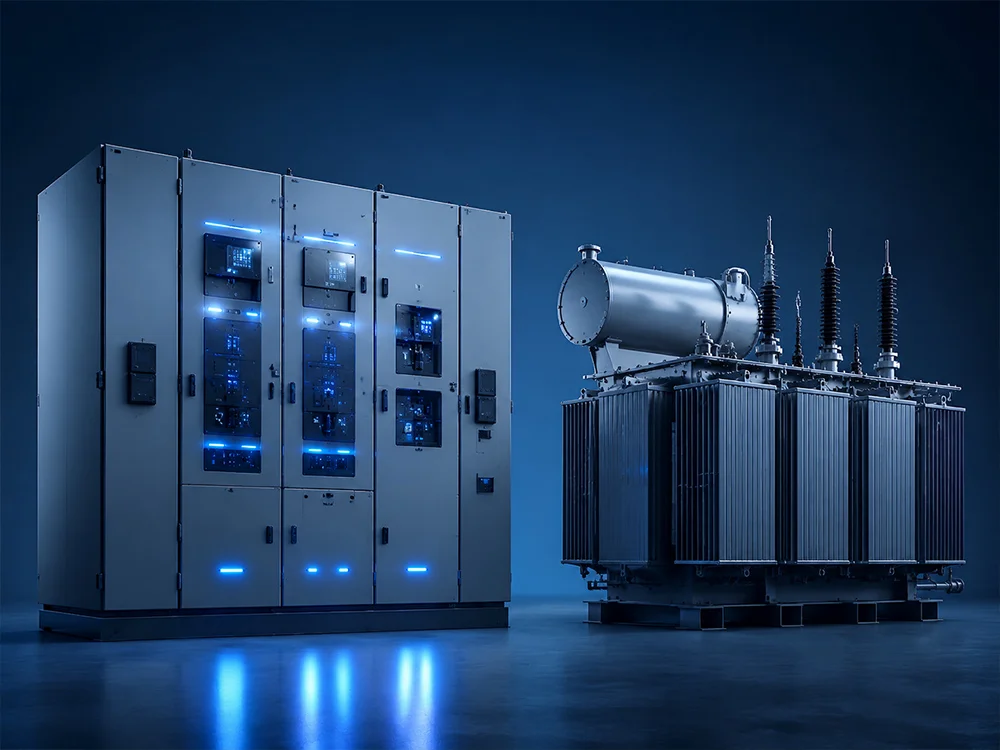
A 33kV dry type transformer selection should start with the controlled system design, the equipment role, the responsible design authority, and the information already approved for the project. A keyword or catalogue image does not establish a particular 33kV model, rating, configuration, or compliance basis.
Record the project voltage arrangement, load and duty information available to the team, insulation and environmental requirements, connection and protection interfaces, applicable documents, and authority conditions. Items not established by the approved project record should remain clarification items rather than assumptions.
| Selection input | Evidence source | Why it matters |
|---|---|---|
| System role | Controlled single-line diagram | Connects the transformer to the project function |
| Voltage and load basis | Approved design record | Defines the required engineering discussion |
| Environment and installation context | Project specification or site record | Identifies conditions that may affect selection |
| Required documents | Controlled submission list | Aligns review and handover expectations |
| ## Part 3. Use a selection record that names the evidence source |
A practical record links each selection input to a drawing, specification, calculation, equipment schedule, project requirement, or named owner. This lets an EPC team distinguish confirmed requirements from information still needed for a supplier or engineering discussion.
Selection affects more than the transformer body. Identify installation location, access, ventilation context, cable and termination interfaces, earthing approach, protection coordination responsibilities, and handover requirements from the project design.
A complete technical enquiry should communicate the project basis and any open questions. It should not request a universal recommendation from a short voltage label, because final suitability depends on project-specific conditions and approved engineering decisions.
| RFQ / review input | Why Shenheng Power needs it | Responsible source |
|---|---|---|
| Controlled drawings and equipment role | Establishes the decision basis | Electrical design lead |
| Voltage, load, and site conditions | Identifies project constraints | Project engineer |
| Connection and protection interfaces | Clarifies dependencies | Electrical contractor |
| Required documents and open questions | Defines the review scope | Project manager |
| ## Part 6. Use the published product page within its evidence boundary |
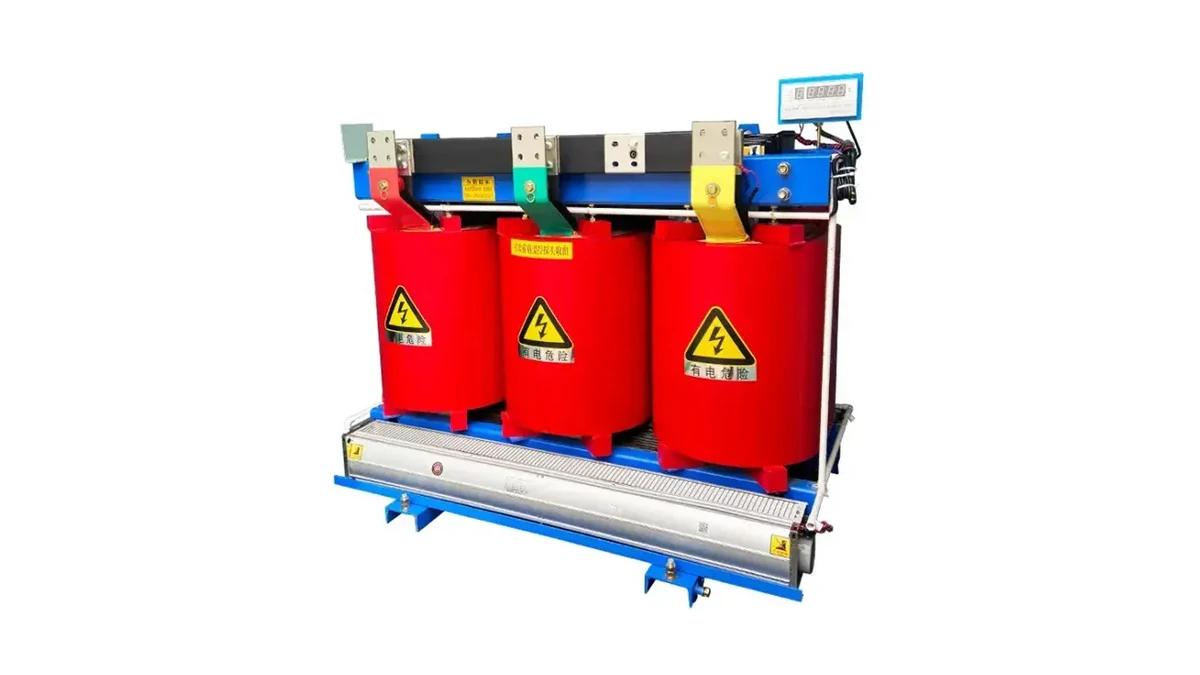
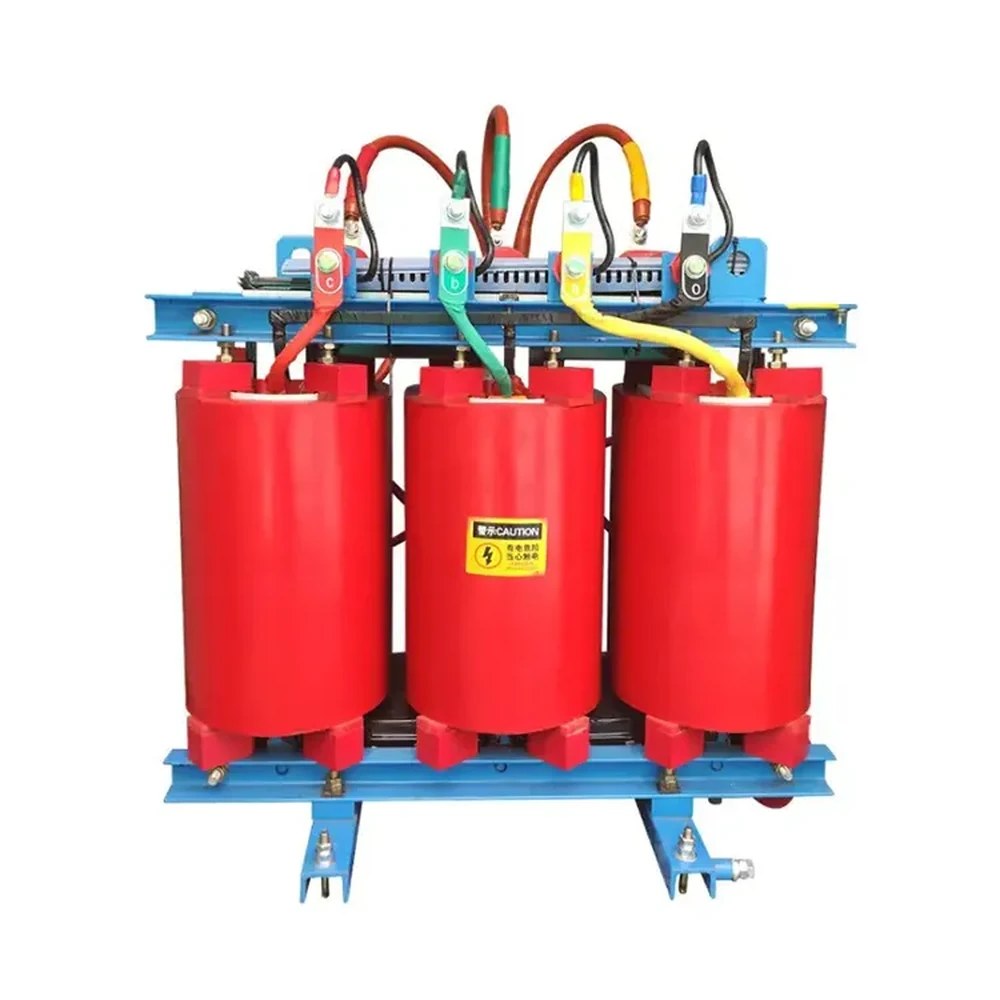
Shenheng Power lists an 11kV three phase cast resin dry type transformer for catalogue discussion. It is not evidence that Shenheng Power offers a 33kV dry type configuration for every project; confirm model availability, documentation, and project fit directly against approved requirements.
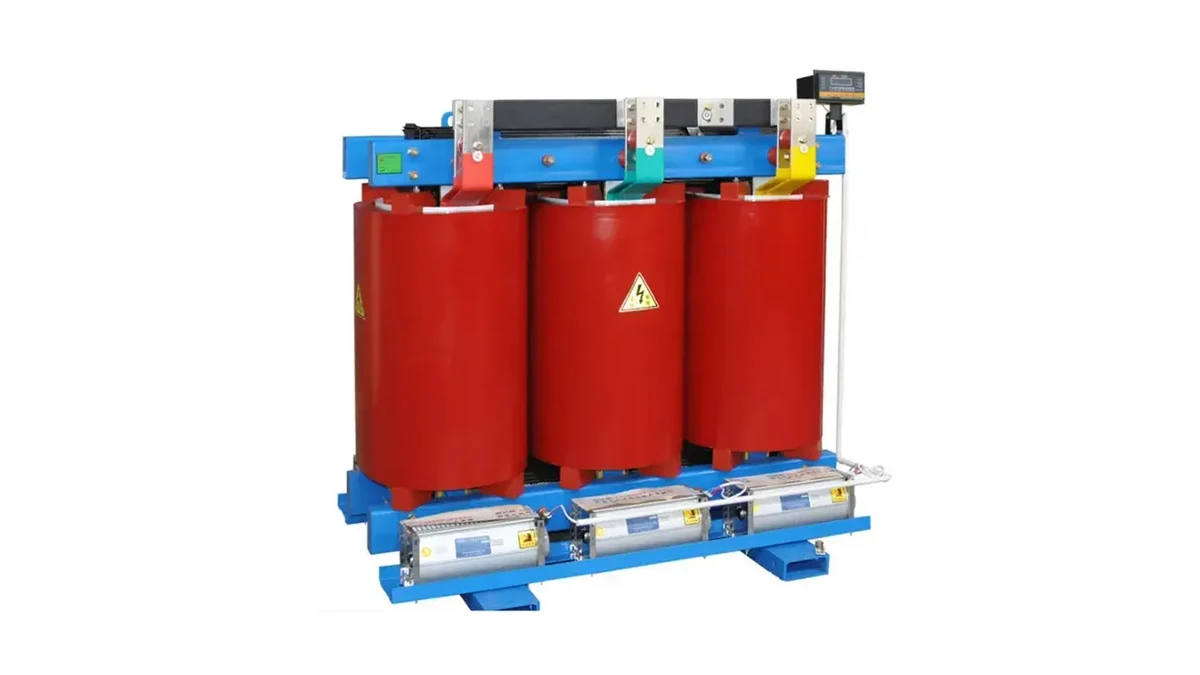
Product recommendation: review the 11kV three phase cast resin dry type transformer only as catalogue context for a controlled project discussion.
Keep the issued requirements, supplier clarifications, approved selection record, drawing references, interface decisions, and open actions together. That record supports procurement, installation, commissioning, and later engineering review without turning an early product discussion into an undocumented final decision.
For a 33kV dry type transformer project review, contact Shenheng Power with the controlled drawings, system role, approved inputs, interfaces, document requirements, and questions requiring confirmation.
Confirm the controlled project basis, voltage arrangement, equipment role, load and duty information, environment, interfaces, required documents, and the authority responsible for final selection.
No. A product page may provide catalogue context, while 33kV model availability, ratings, design details, and compliance must be confirmed from approved project requirements and supplier documentation.
They show which requirements are confirmed, reveal unresolved items, and let each party review the same project basis rather than relying on a generic description.
The project may need to consider installation location, ventilation, cable and termination arrangement, earthing, protection responsibilities, access, and handover records through the approved design.
Provide the available drawings, system role, voltage arrangement, load and environmental inputs, interface details, document requirements, delivery needs, and the questions that require engineering clarification.
Request review when a key requirement is open, the available evidence conflicts, model availability is unclear, or the project needs a decision on configuration, interfaces, tests, or acceptance.