Shenheng Power Equipment Co., Ltd.
- Home
- Products
Products
Since 2001, Shenheng Power has been a trusted manufacturer of power transmission and distribution equipment, delivering reliable electrical solutions globally.
- Solutions
- News & Blog
- Service
- About Us
- Contact Us
Since 2001, Shenheng Power has been a trusted manufacturer of power transmission and distribution equipment, delivering reliable electrical solutions globally.
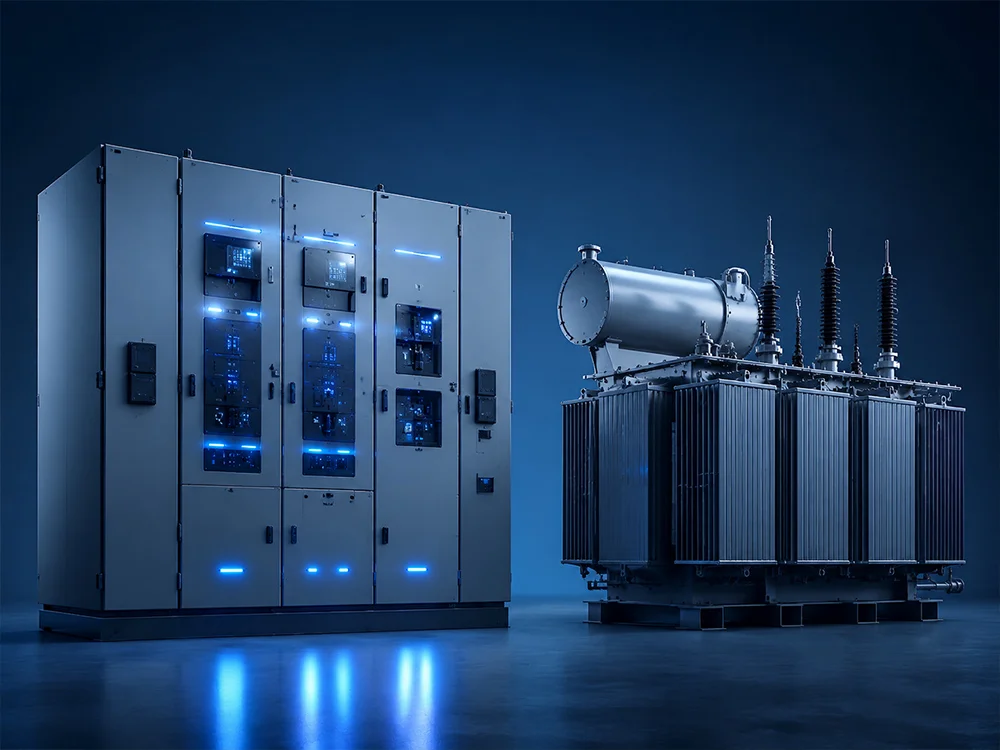
Air insulated switchgear (AIS) and gas insulated switchgear (GIS) can both serve medium-voltage distribution. The defensible choice satisfies the project’s clearances, service method, environment, extension plan and electrical duty. Compare the complete installation, not only cubicle width or price.
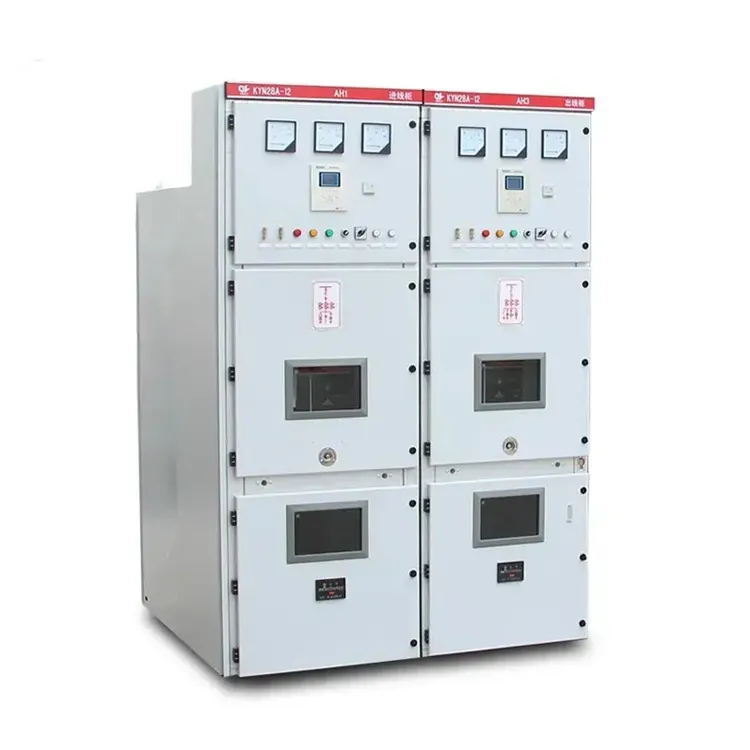
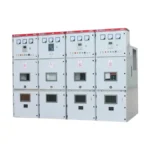
See Shenheng Power medium-voltage switchgear for the site’s product families. Keep the single-line diagram and fault study beside this comparison.
| Factor | AIS | GIS | Boundary |
|---|---|---|---|
| Insulation | Air clearances in a metal-enclosed assembly | Enclosed insulated compartments | Gas type and pressure are model-specific |
| Space | Room for clearances, cable access and service movement | Often selected where the complete footprint is constrained | Use an approved GA drawing |
| Service | Accessible panels or withdrawable parts can simplify work | Sealed compartments require dedicated procedures | Exact maintenance depends on design |
| Environment | Room cleanliness, humidity and dust control matter | Enclosure can help in harsh or compact locations | Confirm enclosure and site limits |
| Extension | Reserve clearances and busbar space | Specify modules and interfaces early | Request an extension concept |
| Duty | Breaker class, interlocks and IAC must match | The same duty questions plus compartment documentation | IEC 62271 and the project study govern |
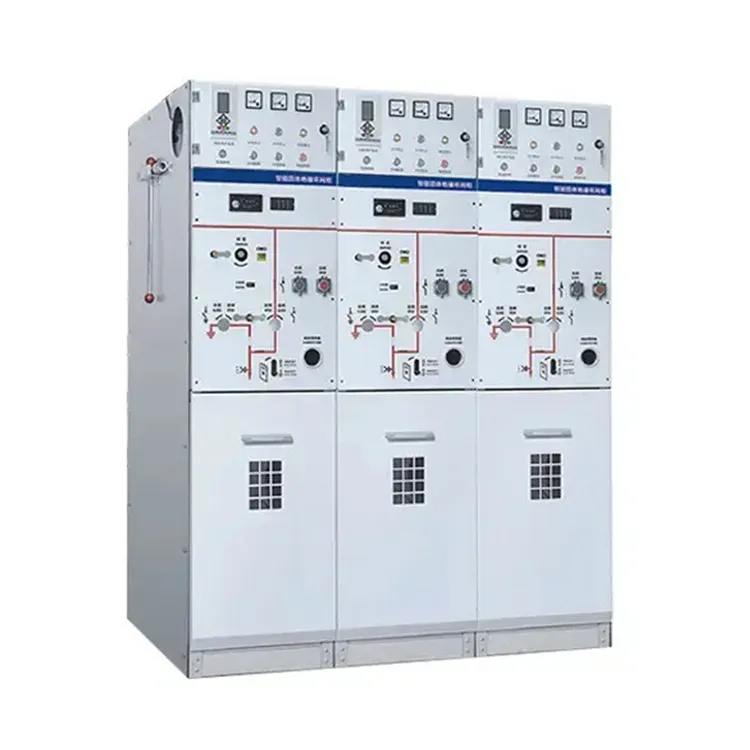
GIS is often considered where land or building volume is constrained. Its cubicle width is not the whole footprint: cable boxes, control panels, lifting paths, pressure-relief provisions and maintenance clearances still need space. AIS may need more clearance, while a withdrawable arrangement can make breaker handling easier.
Ask for a GA drawing showing:
For AIS, define inspection access, cleaning, breaker withdrawal, earthing and interlock proving. For GIS, define compartment access, gas-density or pressure monitoring, approved handling equipment and the boundary between factory and site work.
Read medium-voltage switchgear components and selection and the KYN28 buyer guide when reviewing candidate documents. Where the network concept includes a ring-fed distribution path, use the RMU selection guide to define the separate RMU questions; it does not replace the AIS/GIS duty and layout review above.
State nominal and highest voltage, normal and emergency load, short-circuit current and duration, making and breaking duty, insulation level, earthing arrangement, internal-arc access category and protection functions. IEC 62271-200 provides the standard context for AC metal-enclosed MV assemblies; the applicable edition belongs in the specification.
The supplier should return a model-specific schedule covering ratings, type-test evidence, interlocks, cable interfaces, environmental limits and extension boundaries. A GIS label does not remove the need for a fault study, and an AIS label does not prove an internal-arc or breaker duty.
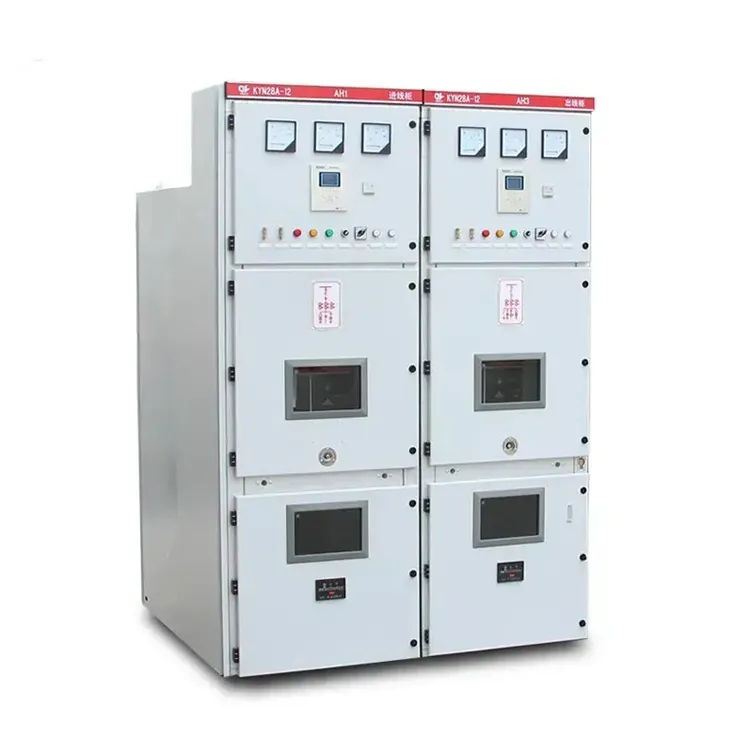
If the room is constrained and the brief points toward a metal-enclosed GIS arrangement, review the Shenheng customized KYN28-12 switchgear system. This is a document-request path, not a blanket recommendation. Send duty, GA constraints, cable arrangement, protection schedule, service philosophy and standards, then request the current datasheet, GA drawing, type-test scope, interlock description and extension plan.