Shenheng Power Equipment Co., Ltd.
- Home
- Products
Products
Since 2001, Shenheng Power has been a trusted manufacturer of power transmission and distribution equipment, delivering reliable electrical solutions globally.
- Solutions
- News & Blog
- Service
- About Us
- Contact Us
Since 2001, Shenheng Power has been a trusted manufacturer of power transmission and distribution equipment, delivering reliable electrical solutions globally.
Loss figures often decide which three phase oil immersed transformer wins a tender—even when first cost looks similar. EPC and utility buyers need a repeatable way to read no-load loss, load loss, and total losses on the same test basis before ranking quotations.
This guide focuses on loss evaluation for outdoor distribution and industrial feeders. Use it as a procurement checklist alongside the approved single-line diagram; it does not replace project-specific engineering approval or utility evaluation rules.
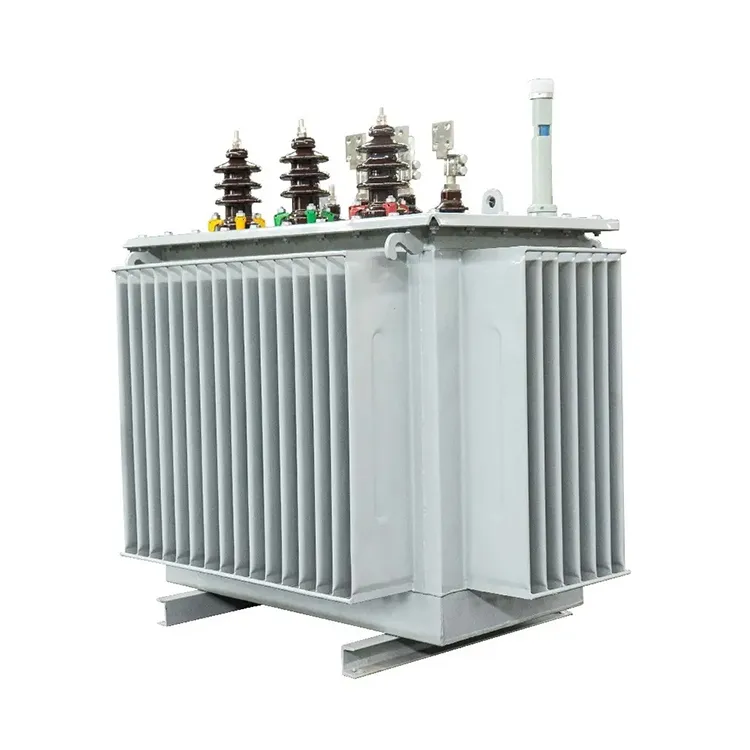
A three phase oil immersed transformer runs for decades. No-load loss is present whenever the unit is energized, while load loss scales with current. Small guaranteed-loss differences therefore compound into large lifetime energy costs.
Procurement teams that compare only nameplate kVA and delivery date often miss that two bids used different reference temperatures or incomplete loss tables. Aligning loss data early prevents late commercial disputes after factory tests.
Public product information on Shenheng Power is a useful starting point, but final guarantees must match the purchase order revision and the utility evaluation method.
Capture these loss-related inputs before normalizing bids:
| Input | Why it matters | Typical source |
|---|---|---|
| Rated kVA and voltage ratio | Loss values are rating-specific | Single-line diagram |
| No-load loss (core loss) guarantee | Continuous energy cost when energized | Tender evaluation sheet |
| Load loss (copper loss) at rated current | Load-dependent energy cost | Factory routine test plan |
| Reference temperature for load loss | Prevents apples-to-oranges bids | IEC / project specification |
| Cooling class and tap position for tests | Changes measured losses | Outline drawing / nameplate plan |
| Total losses or evaluation formula | Award ranking method | Owner / utility rule |
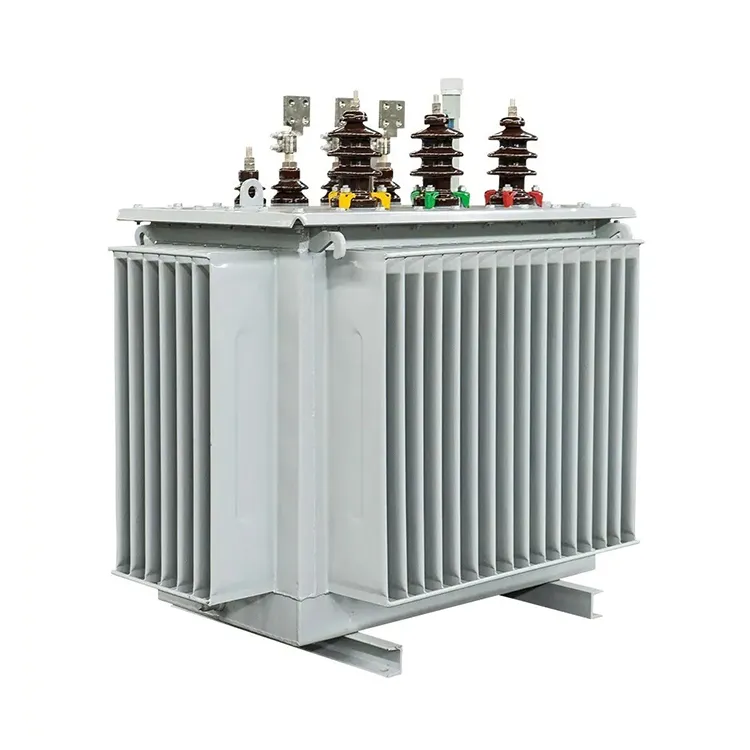
Request the guaranteed loss table and the factory test method in the same RFQ revision that freezes kVA, impedance, and vector group.
Load factor changes which loss component dominates. Lightly loaded feeders emphasise no-load loss; high-duty industrial feeders make load loss more visible in the evaluation. Record expected load duration curves when the owner uses a capitalised-loss or total-owning-cost formula.
Harmonic-rich loads, frequent overload, or elevated ambient temperatures can invalidate a simple catalogue comparison. State altitude, average ambient, and any known harmonic content so vendors quote realistic guarantees.
Indoor fire-sensitive buildings may prefer dry type equipment instead. When the project stays with liquid-filled outdoor distribution, keep the loss discussion inside the oil immersed design envelope rather than mixing technologies mid-tender.
| Document / item | Purpose | When to request |
|---|---|---|
| Guaranteed no-load and load loss table | Commercial comparison basis | With quotation |
| Routine / type test method statement | Confirms measurement basis | Before purchase order |
| Temperature reference for load loss | Normalizes bids | RFQ clarification |
| Impedance and tapping notes | Links losses to regulation | Design phase |
| Factory test report with measured losses | Verifies guarantees | Before shipment release |
| Nameplate loss data (if required) | Site reconciliation | Handover |
Attach this checklist to every RFQ so vendors return comparable loss packages instead of marketing adjectives alone.
Factory routine tests should report measured no-load loss and load loss against the guaranteed values in the contract. Review tolerances, reference temperature, and tap position recorded on the test sheet before accepting the unit for shipment.
At site, confirm nameplate data, vector group, and protection settings against the approved design before energization. Loss values are not re-proven by a simple insulation resistance check; keep the factory report in the turnover package for future energy audits.
Maintenance teams should also track oil condition and cooling performance, because degraded cooling can raise winding temperature and effective losses over time even when the original factory numbers were acceptable.
For many three phase oil immersed transformer distribution scopes, Shenheng Power publishes a relevant catalog starting point at S11-M oil immersed distribution transformer.
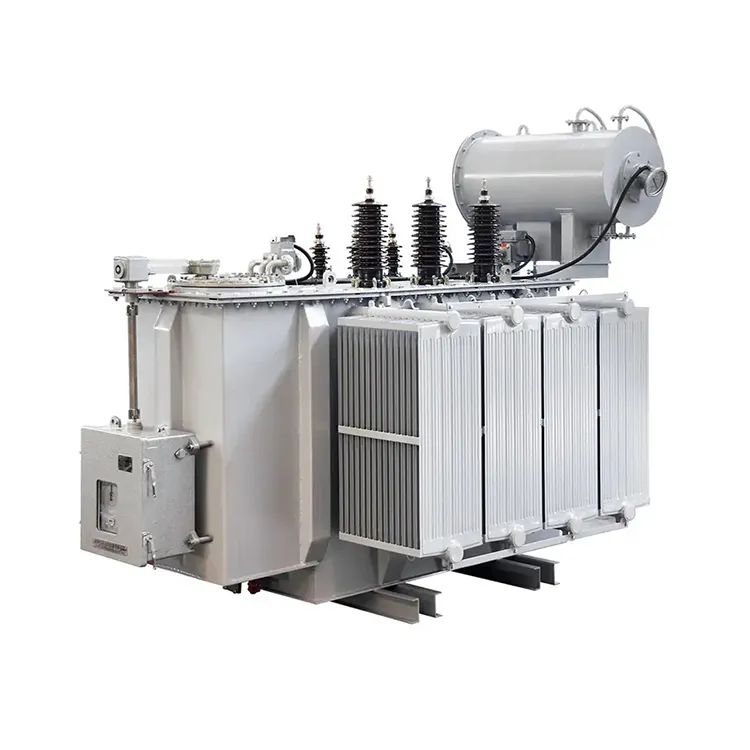
Fit boundary: This recommendation supports typical outdoor distribution and industrial feeder scopes documented on the product page. It is not a substitute for utility-mandated loss capitalisation formulas, unusual harmonic duty, altitude extremes, or national grid-code loss limits.
If your study points to a different kVA, voltage combination, or cooling class, review the broader oil immersed transformer category and submit rated data plus required loss guarantees through Contact Shenheng Power.
Related reading on the same cluster includes the oil immersed transformer buyers guide, the oil sampling guide, and the S11-M commissioning checklist.
No-load loss is mainly core loss present whenever the transformer is energized. Load loss is mainly winding loss and increases with load current.
Losses drive lifetime energy cost. Many utilities therefore capitalise guaranteed losses when ranking three phase oil immersed transformer quotations.
Routine tests measure no-load and load loss against the guaranteed table, with the reference temperature and tap position recorded on the report.
Use the owner or utility method stated in the tender. Do not invent a capitalisation rate that the project documents do not authorize.
Load loss changes with winding temperature. Bids that use different references are not directly comparable until corrected to the project basis.
Request guaranteed no-load loss, load loss at rated current, total losses if required, reference temperature, and the factory test document list.