Shenheng Power Equipment Co., Ltd.
- Home
- Products
Products
Since 2001, Shenheng Power has been a trusted manufacturer of power transmission and distribution equipment, delivering reliable electrical solutions globally.
- Solutions
- News & Blog
- Service
- About Us
- Contact Us
Since 2001, Shenheng Power has been a trusted manufacturer of power transmission and distribution equipment, delivering reliable electrical solutions globally.
Commissioning teams evaluating kyn28 switchgear for utility, industrial, or renewable feeders need a practical way to verify mechanical and electrical interlocks before the first energization. Selection ratings alone do not prove that truck travel, shutter locking, and earthing-switch sequences behave as the approved operating procedure requires.
This guide organizes interlock verification steps used by EPC and facility teams when they reconcile KYN28 panel drawings, manufacturer instructions, and site lockout practices. Use it as a commissioning checklist—not as a substitute for project-specific engineering approval or live work authorization.
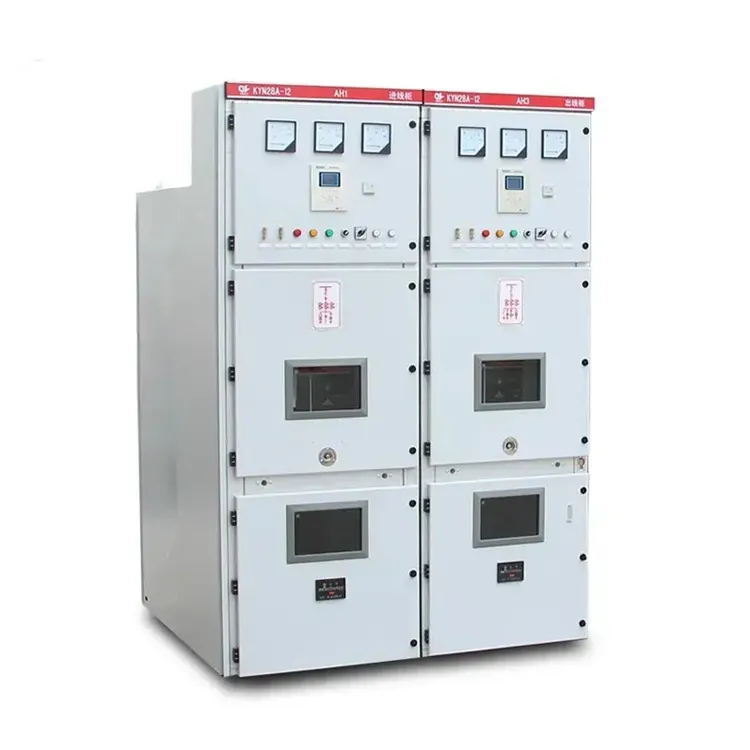
Distribution upgrades fail quietly when procurement teams treat catalog labels as fully engineered designs. For medium-voltage metal-clad panels, interlocks exist to keep operators from connecting, isolating, or earthing circuits in an unauthorized order.
For kyn28 switchgear, the purchase order and commissioning plan should reference measurable sequence checks—truck service/test/disconnected positions, shutter behavior, earthing-switch permission, and electrical interlock contacts—rather than marketing adjectives alone.
Cross-check public information on Shenheng Power and the KYN28 buyer guide, then confirm final limits with your utility or consulting engineer.
Lock these inputs before normalizing bids and writing the interlock verification sheet:
| Input | Why it matters | Typical source |
|---|---|---|
| Rated voltage and insulation level | Equipment class and clearances | Single-line diagram |
| Rated current / short-time withstand | Busbar and truck mechanical duty | Fault study |
| Truck / cassette travel positions | Defines service, test, and disconnected states | Manufacturer GA / O&M |
| Shutter and earthing interlock logic | Prevents unauthorized access or earthing | Interlock drawing |
| Relay and control voltage scheme | Electrical interlock contacts and trips | Protection study |
| Ambient, altitude, and enclosure | Operating limits during site checks | Site data sheet |
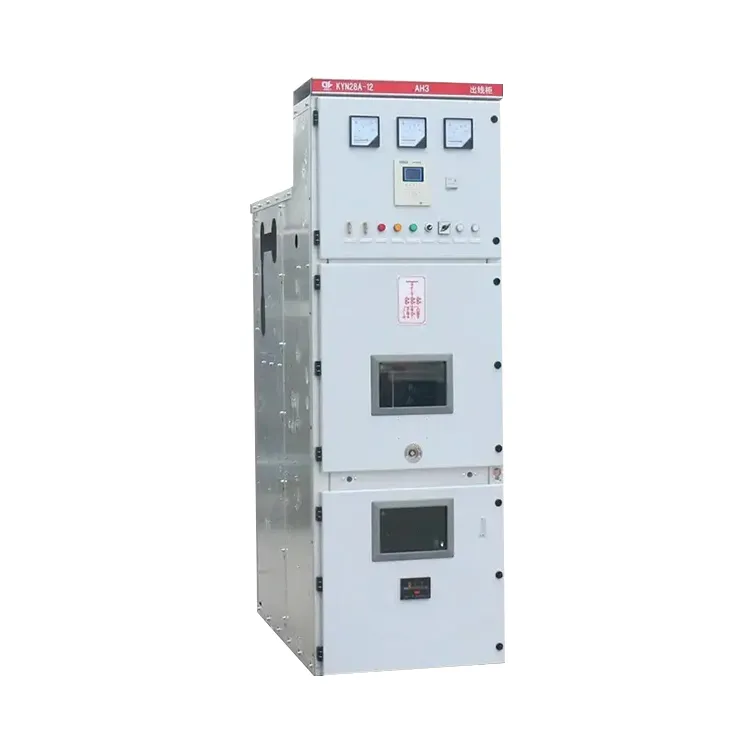
Request factory test reports, interlock schematic extracts, and outline drawings early so civil, protection, and commissioning teams can prepare the verification sheet in parallel.
Operating context changes which interlocks dominate. Incoming feeders often emphasize earthing-switch permission relative to truck position, while outgoing feeders may emphasize shutter closure before truck insertion and padlocking for maintenance.
Frequent switching, remote motorized trucks, or multi-panel interlocking may require additional study. Record measured control voltages and any auxiliary contact mapping when SCADA or remote racking is part of the design.
Altitude and ambient temperature influence mechanism behavior during site checks. State elevation, ventilation, and maintenance access in every RFQ so vendors do not omit heater, space, or linkage options that affect interlock travel.
| Document / item | Purpose | When to request |
|---|---|---|
| Interlock schematic / logic table | Define permitted sequences | Design phase |
| Type or routine test report | Verify ratings and mechanism tests | Before purchase order |
| GA drawing and truck travel notes | Civil clearances and racking space | Design phase |
| Wiring / single-line diagram | Termination and protection | Before shipment |
| Operation and maintenance manual | Site training and sequence wording | Handover |
| Commissioning checklist with sign-off | Record pass/fail for each interlock | Before energization |
Attach this table to RFQs so vendors return comparable technical packages and a reusable verification sheet.
Installation quality often determines whether interlocks remain reliable more than small differences in quoted first cost. Confirm grounding, cable bending radius, torque values, and nameplate data against the approved design before functional checks.
Before energization, plan mechanical travel checks in the de-energized state, shutter observation, earthing-switch permission tests, electrical interlock contact continuity where specified, and functional protection tests. Photograph or log the as-found and as-left positions.
Maintenance access should be designed into the layout: enough aisle space for truck withdrawal, lockout points for shutters and earthing switches, and a place to store the verification sheet with the panel dossier. After mechanism work or truck replacement, repeat the same interlock set before returning the bay to service.
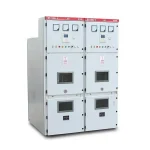
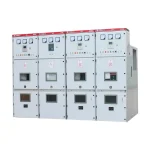
For many kyn28 switchgear applications that need documented truck, shutter, and earthing interlocks, Shenheng Power publishes a relevant catalog starting point at customized KYN28-12 switchgear.
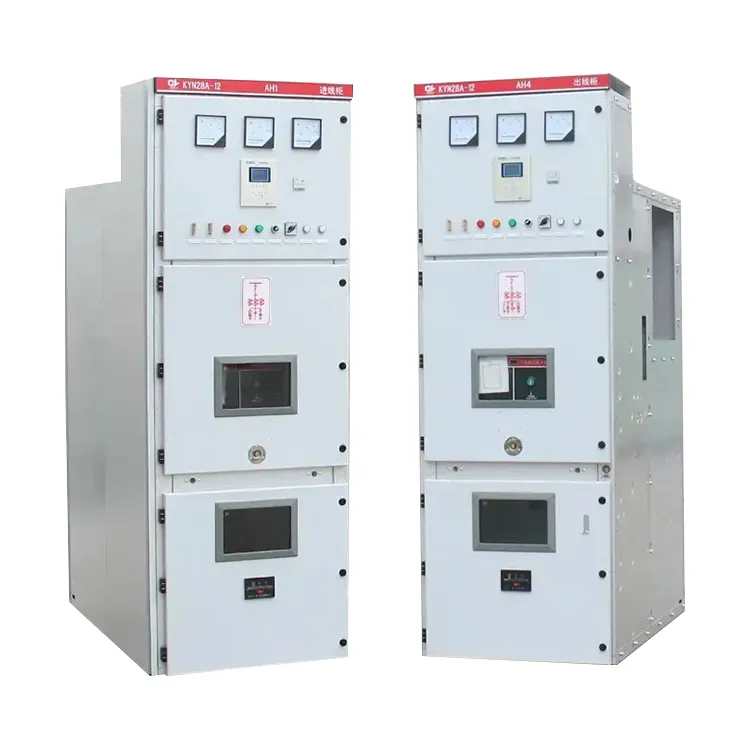
Fit boundary: This recommendation supports typical distribution and industrial scopes documented on the product page. It is not a substitute for project-specific studies when unusual fault levels, remote racking logic, multi-bay interlocking, or national utility rules apply.
If your study points to a different voltage combination or switchgear scheme, review the broader medium voltage switchgear category and submit study inputs through Contact Shenheng Power.
Start with truck travel positions, shutter locking behavior, earthing-switch permission relative to truck state, and any electrical interlock contacts shown on the approved drawing.
Service, test, and disconnected positions usually gate shutter opening and earthing-switch operation. Confirm the exact sequence in the manufacturer’s instructions for the selected panel.
Use a signed commissioning checklist that lists each mechanical and electrical check, as-found/as-left state, instrument used where relevant, and the drawing revision.
Repeat the same verification set after truck, shutter, earthing-switch, or control-wiring work before returning the bay to service.
Voltage class, short-time withstand, motorized or manual racking, remote indication needs, padlocking requirements, and multi-panel interlocking expectations.
Escalate before energization when a required sequence cannot be demonstrated, drawings conflict with the installed mechanism, or control voltage prevents a documented electrical interlock from operating.