Kể từ năm 2001, Shenheng Power đã là nhà sản xuất thiết bị truyền tải và phân phối điện đáng tin cậy, cung cấp các giải pháp điện năng đáng tin cậy trên toàn cầu.
Được hỗ trợ bởi hệ thống hậu mãi toàn diện, chúng tôi cung cấp dịch vụ tư vấn kỹ thuật chuyên gia, hướng dẫn sản phẩm và các dịch vụ OEM & ODM linh hoạt cho các dự án của bạn.
Kể từ năm 2001, Shenheng Power đã là nhà sản xuất thiết bị truyền tải và phân phối điện đáng tin cậy, cung cấp các giải pháp điện năng đáng tin cậy trên toàn cầu.
Tủ điện trung thế: Các thành phần và cách lựa chọn
Release Time: 2026-07-08
Một sự rõ ràng thiết bị đóng cắt trung thế quyết định bắt đầu từ thiết kế mạng đã được phê duyệt, không phải một thông số kỹ thuật danh mục riêng lẻ. Hướng dẫn này giúp bài viết tập trung vào các câu hỏi của dự án nhằm xác định phạm vi khả thi và hướng các quyết định chi tiết hơn đến các bài viết kỹ thuật liên quan.
Part 1. Use the one-line diagram to define the duty
Medium-voltage switchgear is an assembly that switches, protects, isolates, and controls circuits above low-voltage distribution levels. Selection starts with the system voltage, earthing method, continuous current, prospective short-circuit current, feeder roles, and operating philosophy. A voltage label alone does not establish the required assembly duty.
Part 2. Understand the components as one coordinated system
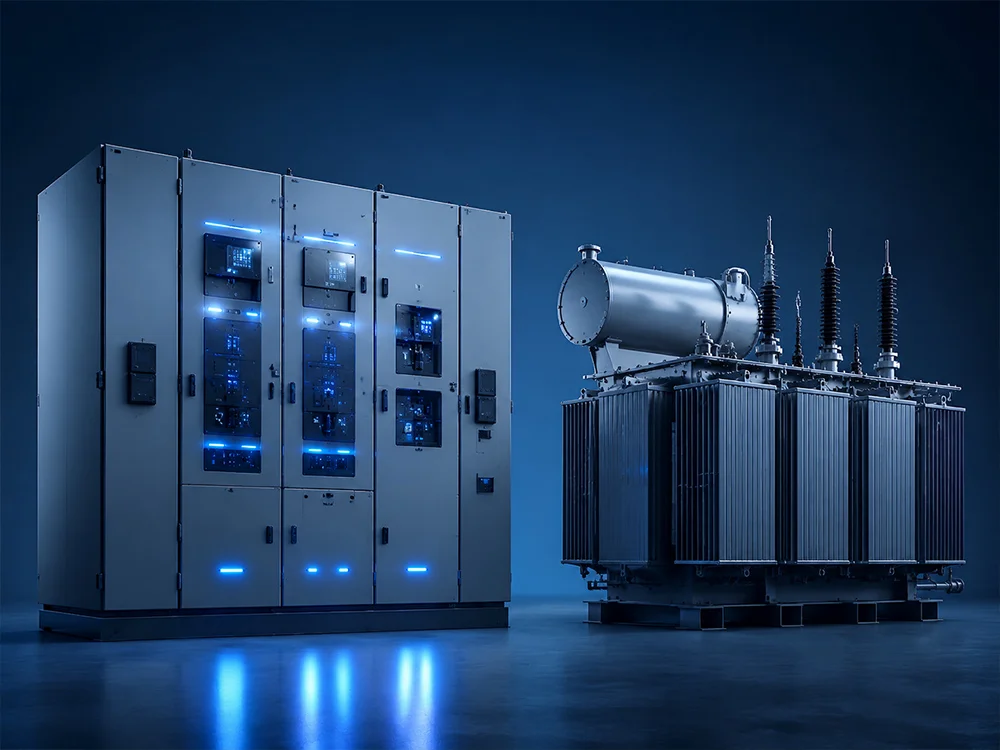
Typical sections combine busbars, circuit breakers or load-break switches, disconnecting and earthing functions, instrument transformers, protection relays, cable compartments, and interlocks. Their ratings and clearances must be coordinated. The equipment schedule should state what is included in each incomer, feeder, bus section, and metering panel.
Part 3. Choose the insulation and construction for the installation
Air-insulated, gas-insulated, and metal-clad designs solve different footprint, environmental, and maintenance problems. Indoor rooms require attention to access, cable routing, ventilation, and safety clearances. Outdoor or compact installations add enclosure and environmental considerations. Confirm the actual construction in approved drawings rather than inferring it from a generic category name.
Part 4. Separate protection design from hardware selection
Relays, CTs, VTs, breaker operating times, and the protection philosophy must be aligned with the network study. Protection settings are not universal values that can be copied between projects. Coordinate them with upstream utility equipment and downstream transformers or feeders before commissioning.
Part 5. Make factory and handover records part of procurement
Ask for approved GA drawings, wiring diagrams, nameplate information, routine-test records, relay documentation, and operation instructions. Factory tests should be witnessed or reviewed according to the contract. Site commissioning then verifies cable identification, interlocks, earthing, protection logic, and the latest settings file.
Part 6. Use the product page for initial scope alignment
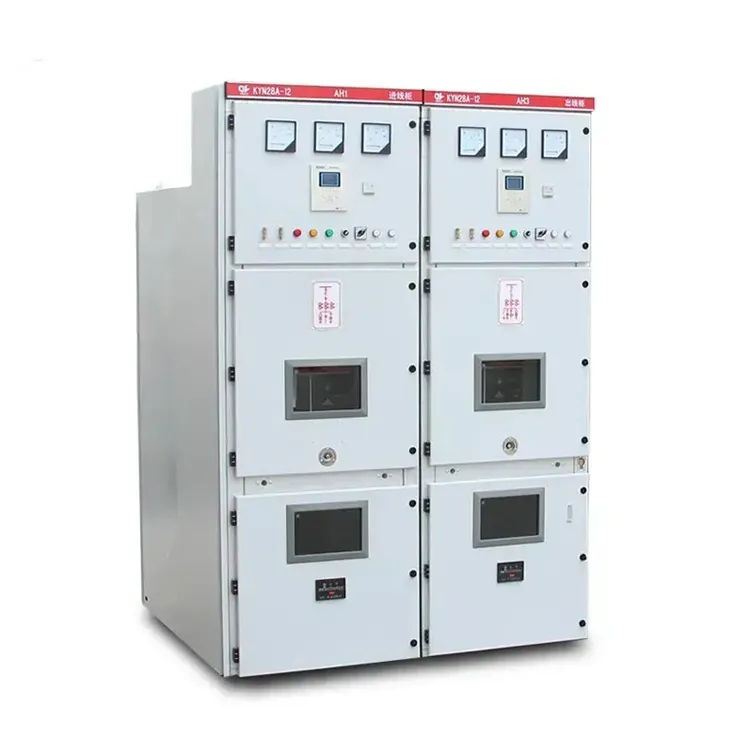
For 12kV or 24kV project discussions, the published Tủ điện trung thế KYN28-12 can provide a catalog starting point. Product recommendation boundary: fault duty, internal-arc requirements, relay scheme, and utility interfaces must be confirmed by project engineering.
Shenheng Electric Power cam kết trở thành công ty dẫn đầu toàn cầu về các giải pháp thiết bị điện, giúp khách hàng đạt được quản lý điện năng an toàn, hiệu quả và bền vững.

 Công ty TNHH Thiết bị Điện Thâm Hằng.