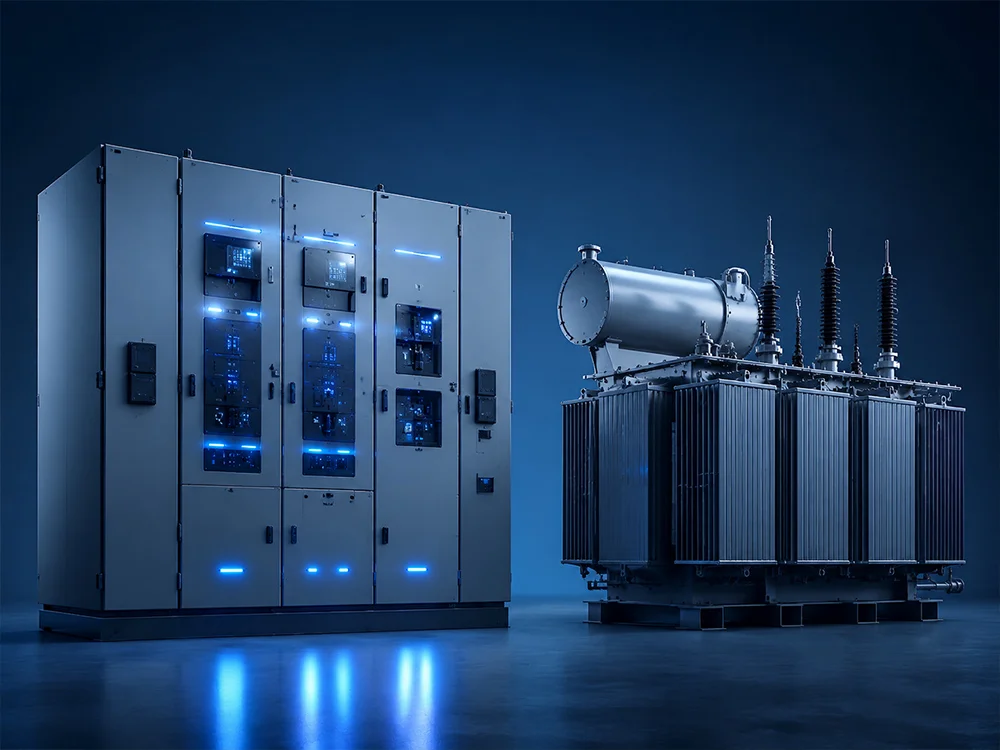
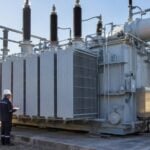
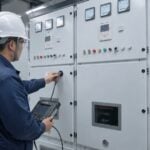
ในขณะที่กระบวนการ electrification ทั่วโลกเร่งตัวขึ้น อุตสาหกรรมต่างๆ กำลังเผชิญกับความต้องการที่เพิ่มขึ้นสำหรับโซลูชันการจ่ายพลังงานที่ปลอดภัยยิ่งขึ้น เชื่อถือได้มากขึ้น และมีประสิทธิภาพด้านพลังงาน หม้อแปลงไฟฟ้าแบบแห้ง (dry type transformer) ได้กลายเป็นตัวเลือกอันดับแรกสำหรับระบบไฟฟ้าสมัยใหม่หลายระบบ เนื่องจากมีการออกแบบที่ป้องกันไฟไหม้ ต้องการการบำรุงรักษาต่ำ และมีลักษณะเป็นมิตรต่อสิ่งแวดล้อม ต่างจากหม้อแปลงแบบใช้น้ำมันทั่วไป หม้อแปลงแบบแห้งใช้วัสดุฉนวนแบบแข็งและระบบระบายความร้อนด้วยอากาศ ซึ่งทำให้เหมาะอย่างยิ่งสำหรับการติดตั้งภายในอาคารและในพื้นที่ที่อ่อนไหวต่อสิ่งแวดล้อม.
การเติบโตอย่างรวดเร็วของศูนย์ข้อมูลปัญญาประดิษฐ์ (AI) โครงการพลังงานหมุนเวียน โครงสร้างพื้นฐานสถานีชาร์จรถยนต์ไฟฟ้า (EV) และการพัฒนาสมาร์ทกริด กำลังขับเคลื่อนนวัตกรรมทั่วทั้งอุตสาหกรรมหม้อแปลงไฟฟ้า ท่ามกลางหม้อแปลงไฟฟ้าประเภทต่างๆ หม้อแปลงแบบแห้งกำลังได้รับความสนใจเนื่องจากให้การแปลงแรงดันไฟฟ้าที่เชื่อถือได้ พร้อมทั้งตอบสนองข้อกำหนดด้านความปลอดภัยและความยั่งยืนที่เข้มงวดมากขึ้น.
สำหรับวิศวกรไฟฟ้า ผู้รับเหมา EPC และผู้ซื้อในภาคอุตสาหกรรม การเลือก โซลูชันหม้อแปลงไฟฟ้า เกี่ยวข้องมากกว่าแค่การเลือกแรงดันไฟฟ้าและความจุ ผู้ซื้อต้องประเมินประสิทธิภาพ สมรรถนะของฉนวน วิธีการระบายความร้อน ระดับเสียง ข้อกำหนดด้านการรับรอง และต้นทุนการดำเนินงานระยะยาว.
คู่มือนี้อธิบายถึง พื้นฐานของหม้อแปลงชนิดแห้ง, เปรียบเทียบเทคโนโลยีหม้อแปลงไฟฟ้าที่แตกต่างกัน สำรวจการประยุกต์ใช้งานในอุตสาหกรรม และให้คำแนะนำเชิงปฏิบัติในการเลือกโซลูชันที่เหมาะสมสำหรับระบบกำลังไฟฟ้าสมัยใหม่.
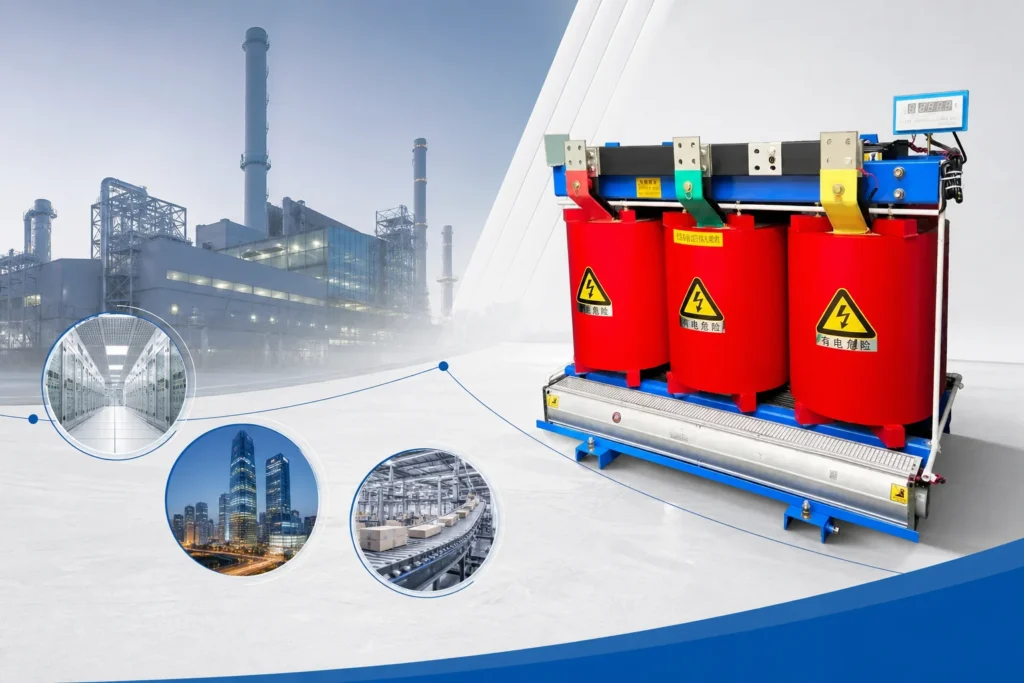
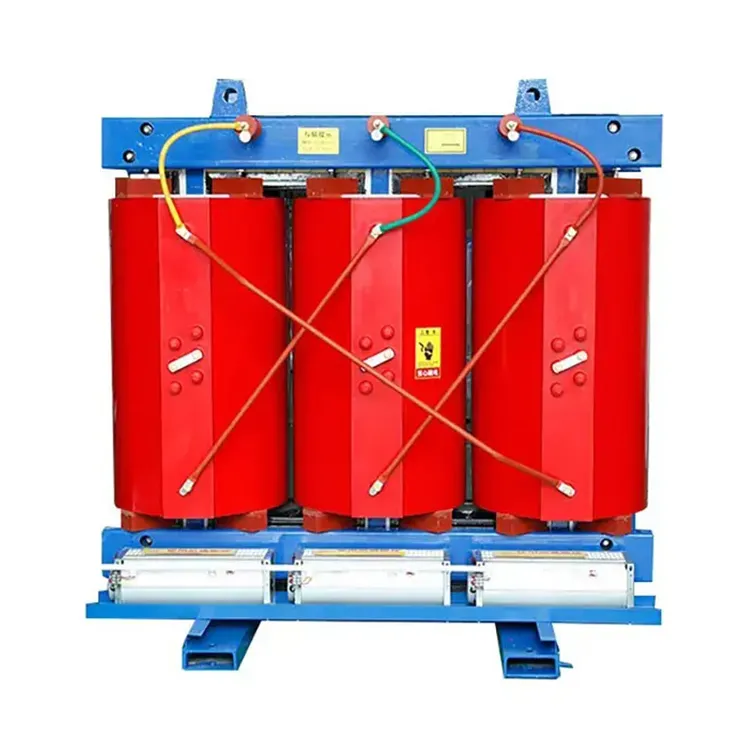
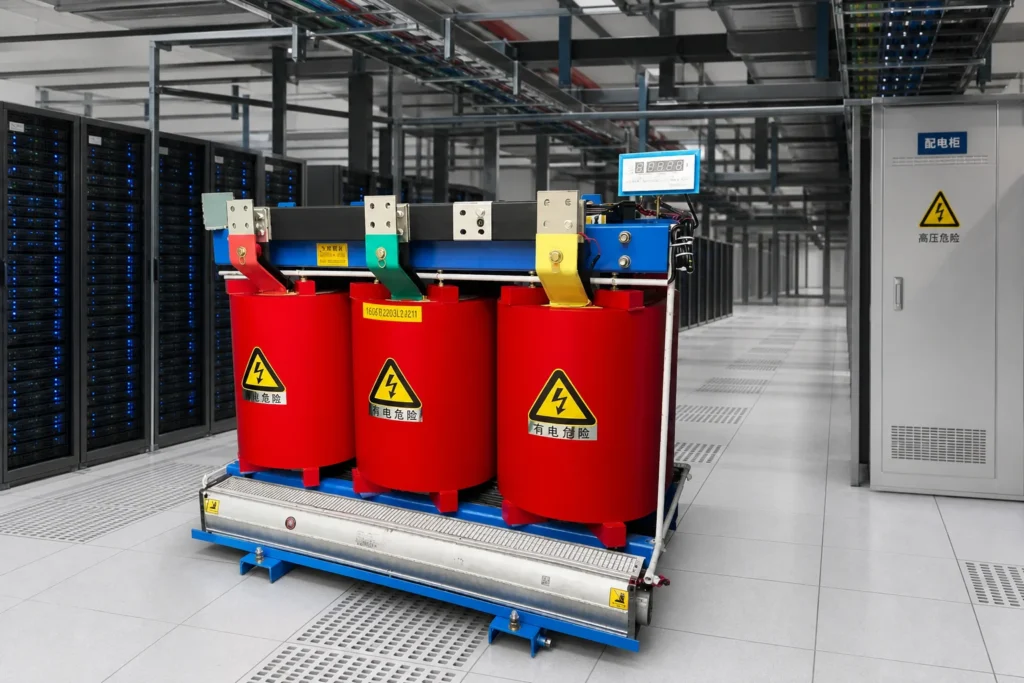
หม้อแปลงแบบแห้งคือ หม้อแปลงไฟฟ้า ที่ถ่ายโอนพลังงานระหว่างวงจรผ่านการเหนี่ยวนำแม่เหล็กไฟฟ้าในขณะที่ใช้ฉนวนแบบแข็งแทนที่จะเป็นวัสดุไดอิเล็กทริกที่เป็นของเหลว.
หน้าที่หลักของหม้อแปลงไฟฟ้าคือการเพิ่มหรือลดระดับแรงดันไฟฟ้า ซึ่งช่วยให้การส่งกำลังไฟฟ้ามีประสิทธิภาพและการจำหน่ายไฟฟ้าเป็นไปอย่างปลอดภัย.
หม้อแปลงไฟฟ้าแบบแห้งทั่วไปประกอบด้วยส่วนประกอบสำคัญหลายประการ:
| ส่วนประกอบ |
ฟังก์ชัน |
| แกนแม่เหล็ก |
มีเส้นทางความต้านทานแม่เหล็กต่ำสำหรับฟลักซ์แม่เหล็กและช่วยเพิ่มประสิทธิภาพการถ่ายโอนพลังงาน |
| ขดลวดปฐมภูมิ |
รับพลังงานไฟฟ้าเข้า |
| ขดลวดทุติยภูมิ |
ให้แรงดันไฟฟ้าขาออกที่แปลงแล้ว |
| ระบบฉนวนกันความร้อน |
ช่วยให้มั่นใจได้ถึงการแยกทางไฟฟ้าและการป้องกันความร้อน |
| โครงสร้างการทำความเย็น |
ควบคุมอุณหภูมิการทำงาน |
หมายเหตุ: เนื่องจากหม้อแปลงแบบแห้งไม่มีน้ำมันฉนวน จึงช่วยลดอันตรายจากไฟไหม้ได้อย่างมากและขจัดความเสี่ยงที่เกี่ยวข้องกับการรั่วไหลของน้ำมัน ทำให้เหมาะสำหรับอาคารพาณิชย์ โรงงานอุตสาหกรรม โรงพยาบาล และสถานที่อื่นๆ ที่คำนึงถึงความปลอดภัยเป็นสำคัญ.
หลักการทำงานของหม้อแปลงแบบแห้งอิงตามการเหนี่ยวนำแม่เหล็กไฟฟ้า.
เมื่อกระแสสลับไหลผ่านขดลวดปฐมภูมิ มันจะสร้างสนามแม่เหล็กที่เปลี่ยนแปลงไปภายในแกนหม้อแปลง ฟลักซ์แม่เหล็กนี้จะเหนี่ยวนำแรงดันไฟฟ้าในขดลวดทุติยภูมิ ทำให้พลังงานไฟฟ้าถูกถ่ายโอนจากวงจรหนึ่งไปยังอีกวงจรหนึ่งที่ระดับแรงดันไฟฟ้าที่แตกต่างกัน.
กระบวนการแปลงพลังงานพื้นฐานคือ:
พลังงานไฟฟ้า → ฟลักซ์แม่เหล็ก → การแปลงแรงดันไฟฟ้า → การจ่ายพลังงานไฟฟ้า
อัตราส่วนการแปลงแรงดันไฟฟ้าขึ้นอยู่กับจำนวนรอบของขดลวดปฐมภูมิและทุติยภูมิ การปรับแต่งการออกแบบขดลวดทำให้ผู้ผลิตสามารถผลิตหม้อแปลงที่เหมาะสมกับระดับแรงดันไฟฟ้าที่แตกต่างกันได้ ซึ่งรวมถึง:
-
ระบบแรงดันต่ำ
-
การจำหน่ายแรงดันปานกลาง
-
ระบบพลังงานอุตสาหกรรม
หม้อแปลงแบบแห้งสมัยใหม่ยังนำเทคโนโลยีฉนวนขั้นสูงและการออกแบบการจัดการความร้อนมาใช้เพื่อปรับปรุงความน่าเชื่อถือภายใต้สภาวะการทำงานต่อเนื่อง.
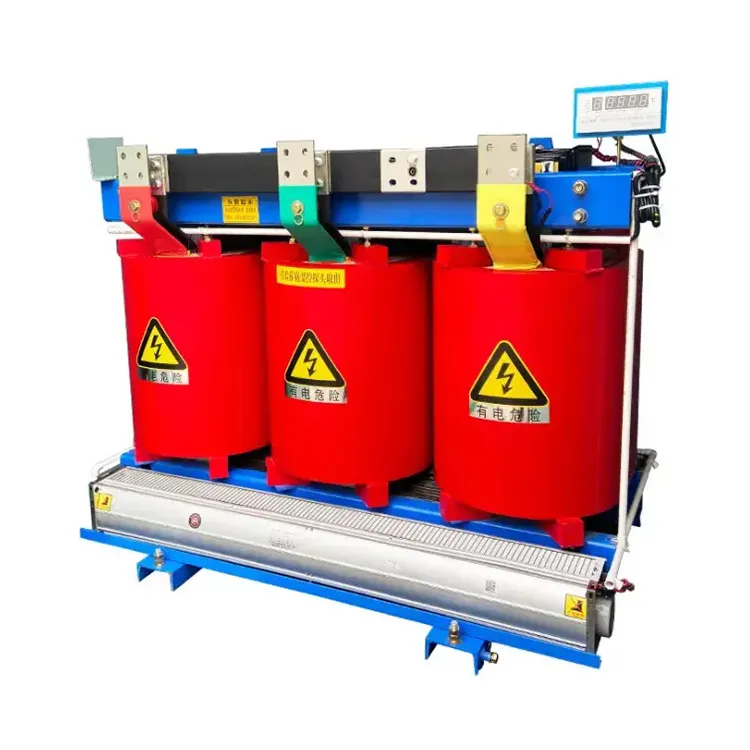
หม้อแปลงไฟฟ้าสามารถจำแนกได้ตามเทคโนโลยีของฉนวน ระดับแรงดันไฟฟ้า และความต้องการในการใช้งาน.
ประเภทของหม้อแปลงไฟฟ้าที่พบได้บ่อยที่สุด ได้แก่:
| ชนิดของหม้อแปลงไฟฟ้า |
ระบบฉนวนกันความร้อน |
การใช้งานทั่วไป |
| หม้อแปลงชนิดแห้ง |
ฉนวนอากาศและฉนวนของแข็ง |
อาคารพาณิชย์ โรงงาน ศูนย์ข้อมูล |
| หม้อแปลงชนิดเรซิ่นหล่อ |
การห่อหุ้มด้วยอีพ็อกซี่เรซิน |
สภาพแวดล้อมทางอุตสาหกรรมที่รุนแรง |
| หม้อแปลง VPI |
การชุบเคลือบด้วยระบบสุญญากาศ |
งานอุตสาหกรรมทั่วไป |
| หม้อแปลงไฟฟ้าระบบน้ำมัน |
ฉนวนน้ำมันแร่ |
สถานีไฟฟ้าย่อยกลางแจ้ง |
| หม้อแปลงไฟฟ้ากำลัง |
ฉนวนแรงดันสูงชนิดใช้น้ำมัน |
เครือข่ายการส่งข้อมูล |
หม้อแปลงชนิดแห้ง
หม้อแปลงชนิดแห้งได้รับการออกแบบมาสำหรับการใช้งานที่ต้องการความปลอดภัย ความน่าเชื่อถือ และการรักษาสิ่งแวดล้อมสูง มักติดตั้งภายในอาคารซึ่งการป้องกันอัคคีภัยและการบำรุงรักษาที่จำกัดเป็นสิ่งสำคัญ.
หม้อแปลงชนิดเรซิ่นหล่อ
หม้อแปลงแบบหล่อเรซินใช้อีพ็อกซี่เรซินในการห่อหุ้มขดลวด ซึ่งช่วยเพิ่มความต้านทานต่อความชื้น ฝุ่น และสภาพแวดล้อมที่รุนแรง.
การใช้งานทั่วไปประกอบด้วย:
หม้อแปลง VPI
หม้อแปลงแบบ VPI (Vacuum Pressure Impregnation) ใช้ระบบฉนวนที่เคลือบด้วยเรซินเพื่อปรับปรุงความแข็ง 1 ทางกลและสมรรถนะทางความร้อน.
พวกมันถูกใช้อย่างแพร่广ในระบบจ่ายกำลังไฟฟ้าอุตสาหกรรม ซึ่งความน่าเชื่อถือและความคุ้มค่าด้านต้นทุนเป็นสิ่งสำคัญ.
หนึ่งในคำถามที่พบบ่อยที่สุดจากผู้เชี่ยวชาญด้านไฟฟ้าคือ หม้อแปลงชนิดแห้งเปรียบเทียบกับอย่างไร หม้อแปลงไฟฟ้าน้ำมัน การออกแบบ.
| คุณสมบัติ |
หม้อแปลงชนิดแห้ง |
หม้อแปลงไฟฟ้าระบบน้ำมัน |
| วิธีการฉนวนกันความร้อน |
ฉนวนแข็ง |
น้ำมันแร่ |
| ความปลอดภัยเกี่ยวกับอัคคีภัย |
สูง |
ต้องการการป้องกันเพิ่มเติม |
| ความเสี่ยงด้านสิ่งแวดล้อม |
ไม่มีการรั่วซึมของน้ำมัน |
อาจมีการปนเปื้อนของน้ำมัน |
| การบำรุงรักษา |
ไม่ต้องดูแลรักษามาก |
ต้องทดสอบน้ำมัน |
| การติดตั้ง |
ส่วนใหญ่อยู่ในร่ม |
กลางแจ้งเป็นหลัก |
| เงินลงทุนเริ่มต้น |
สูงขึ้น |
ลดลง |
หม้อแปลงแบบแห้งมักถูกเลือกใช้สำหรับอาคาร โรงพยาบาล สนามบิน และศูนย์ข้อมูล ซึ่งความปลอดภัยและความน่าเชื่อถือเป็นสิ่งสำคัญอย่างยิ่ง.
หม้อแปลงแบบมีน้ำมันระบายความร้อนยังคงถูกใช้งานอย่างแพร่หลายในสถานีไฟฟ้าย่อยกลางแจ้งและงานสาธารณูปโภคที่ต้องการกำลังไฟฟ้าสูงมาก.
แนวโน้มตลาดหลายประการกำลังเร่งการนำเทคโนโลยีหม้อแปลงแบบแห้งมาใช้.
ความปลอดภัยจากอัคคีภัยที่ได้รับการปรับปรุง
เนื่องจากหม้อแปลงแบบแห้งไม่มีน้ำมันฉนวนที่ติดไฟได้ จึงช่วยให้มีการป้องกันอัคคีภัยที่ดีขึ้น.
ทำให้สิ่งเหล่านี้เหมาะสมสำหรับ:
-
โรงพยาบาล
-
Airports
-
Shopping malls
-
High-rise buildings
-
ศูนย์ข้อมูล
Environmental Protection
Modern industries increasingly focus on sustainable electrical infrastructure.
Dry type transformers offer advantages including:
Lower Maintenance Requirements
Compared with oil transformers, dry type transformers require fewer maintenance procedures because they eliminate:
-
Oil quality testing
-
Oil replacement
-
Leakage inspections
This reduces operational costs throughout the transformer lifecycle.
The application range of dry type transformers continues expanding due to global electrification trends.
Dry Type Transformers for AI Data Centers
The rapid growth of artificial intelligence has significantly increased electricity demand from data centers.
AI computing facilities require:
Dry type transformers are increasingly used in data center electrical systems because they provide:
Renewable Energy Systems
Renewable energy projects require reliable voltage conversion between generation equipment and electrical grids.
Dry transformers are commonly applied in:
The oil-free design makes them attractive for environmentally sensitive renewable energy projects.
โครงสร้างพื้นฐานสถานีชาร์จรถยนต์ไฟฟ้า
The expansion of electric vehicles requires stronger distribution infrastructure.
Dry type transformers support EV charging stations by providing:
Industrial Manufacturing
Factories using automation systems and advanced machinery require stable power quality.
การใช้งานทั่วไปประกอบด้วย:
Transformer selection should consider more than voltage and capacity. Several technical factors influence efficiency, reliability, and service life.
Thermal Management and Cooling Methods
Temperature control is critical because excessive heat can accelerate insulation aging.
Common cooling methods include:
| Cooling Class |
Description |
| AN |
Natural air cooling |
| AF |
Forced air cooling with fans |
Proper thermal design helps maintain stable operation and extend transformer lifespan.
ระบบฉนวนกันความร้อน
The insulation system determines the transformer’s temperature resistance and reliability.
Common insulation classes include:
-
Class F insulation
-
Class H insulation
Higher insulation grades allow transformers to operate under demanding industrial conditions.
Partial Discharge Performance
For medium voltage dry type transformers, partial discharge (PD) performance is an important reliability indicator.
Low PD levels indicate:
Noise Reduction Design
Noise performance has become increasingly important for indoor installations.
Modern designs reduce transformer noise through:
-
Optimized magnetic core structures
-
Improved vibration control
-
Advanced manufacturing processes
Choosing the correct transformer requires evaluating technical and operational requirements.
Voltage and Capacity
Key parameters include:
Installation Environment
Engineers should consider:
Efficiency and Energy Loss
High-efficiency transformers reduce:
Total Cost of Ownership (TCO)
Professional buyers increasingly evaluate lifecycle value rather than only initial purchase price.
TCO includes:
For international projects, transformer compliance is a key purchasing factor.
Dry type transformers are commonly designed according to internationally recognized standards, including the IEC 60076 Power Transformer Standard, which defines requirements for transformer design, testing, and performance evaluation.
Common standards include:
| Standard |
Application |
| IEC 60076 |
International transformer requirements |
| IEEE C57 |
North American transformer standards |
| ANSI |
Electrical equipment requirements |
Before purchasing, buyers should verify:
Even high-quality transformers may experience reduced performance if installation conditions are unsuitable.
Poor Ventilation
Insufficient airflow can increase operating temperature and shorten insulation life.
Incorrect Transformer Sizing
Oversized or undersized transformers may result in:
Ignoring Harmonic Loads
Modern electrical equipment such as:
can introduce harmonic currents.
Transformer selection should consider harmonic distortion levels to ensure reliable operation.
The transformer industry is moving toward digital monitoring and intelligent power management.
Modern transformer development focuses on improving efficiency and reliability through technologies promoted by organizations such as the IEEE Standards Association.
Future trends include:
IoT-Based Monitoring
Smart sensors can monitor:
-
Temperature
-
Load conditions
-
Partial discharge
-
Operating status
Predictive Maintenance
Data analysis enables early detection of potential problems and reduces unexpected downtime.
Sustainable Transformer Technology
Future designs will focus on:
As electrical systems become more complex, customers require more than standard transformer products. They need reliable engineering support and customized solutions.
Our dry type transformer solutions provide:
-
Customized voltage and capacity design
-
Advanced insulation technology
-
Strict quality control
-
International standards compliance
-
Professional technical support
Whether for industrial facilities, renewable energy projects, data centers, or commercial buildings, reliable transformer solutions help ensure safe and efficient power distribution.
คำถามที่พบบ่อย
1. What is a dry-type transformer?
A dry-type transformer is an electrical transformer that uses solid insulation and air cooling instead of transformer oil. It is widely used in buildings, factories, data centers, and other applications where safety and low maintenance are important.
2. What is the difference between dry-type and oil-type transformers?
ความแตกต่างหลักคือวิธีการฉนวนและความเย็น หม้อแปลงชนิดแห้งใช้อากาศและฉนวนของแข็ง ในขณะที่หม้อแปลงชนิดน้ำมันใช้น้ำมันฉนวน หม้อแปลงชนิดแห้งมีความปลอดภัยจากอัคคีภัยที่ดีกว่าและมักได้รับความนิยมสำหรับการติดตั้งภายในอาคาร.
3. What are the 4 types of transformers?
The four common types of transformers include:
Each type is designed for different voltage levels and electrical applications.
4. What are Class 3 transformers?
หม้อแปลงไฟฟ้าคลาส 3 คือหม้อแปลงไฟฟ้ากำลังต่ำที่ออกแบบมาสำหรับการใช้งานที่มีพลังงานจำกัด เช่น ระบบควบคุม อุปกรณ์ส่งสัญญาณ และวงจรแรงดันไฟฟ้าต่ำ.
5. How does a dry-type transformer work?
หม้อแปลงแบบแห้งทำงานผ่านการเหนี่ยวนำแม่เหล็กไฟฟ้า โดยถ่ายโอนพลังงานไฟฟ้าระหว่างวงจรด้วยการเปลี่ยนระดับแรงดันไฟฟ้าผ่านปฏิสัมพันธ์ระหว่างขดลวดปฐมภูมิและขดลวดทุติยภูมิ.
6. What are the advantages of dry-type transformers?
ข้อดีหลักๆ ได้แก่ ความปลอดภัยสูงจากอัคคีภัย การบำรุงรักษาต่ำ ไม่มี rủi ro (ความเสี่ยง) เรื่องน้ำมันรั่ว การรักษาสิ่งแวดล้อม และประสิทธิภาพที่เชื่อถือได้สำหรับการใช้งานภายในอาคาร.
7. Where are dry-type transformers commonly used?
หม้อแปลงไฟฟ้าแบบแห้งมักถูกใช้งานทั่วไปในโรงงานอุตสาหกรรม อาคารพาณิชย์ โรงพยาบาล สนามบิน โครงการพลังงานหมุนเวียน สถานีชาร์จรถยนต์ไฟฟ้า และศูนย์ข้อมูล.
8. How do I choose the right dry-type transformer?
การเลือกหม้อแปลงที่เหมาะสมขึ้นอยู่กับปัจจัยต่างๆ เช่น พิกัดแรงดันไฟฟ้า ขนาดความจุ (kVA) สภาพแวดล้อมในการติดตั้ง วิธีการระบายความร้อน ข้อกำหนดด้านประสิทธิภาพ และมาตรฐานทางไฟฟ้าที่เกี่ยวข้อง.
เอกสารอ้างอิง
-
IEC 60076 Power Transformer Standards – International Electrotechnical Commission
International requirements for transformer design, testing, insulation, and performance evaluation.
-
IEEE Standards Association – Electrical Engineering Standards
Technical standards and engineering guidance for electrical power systems.
-
International Energy Agency (IEA) – Energy Transition Research
Research and analysis on electrification, renewable energy integration, and future power infrastructure development.
Dry type transformers have become an essential component of modern electrical infrastructure because of their safety, reliability, and environmental advantages.By understanding the different types of transformers, technical performance factors, and application requirements, engineers and buyers can make better decisions when selecting electrical equipment.With continued growth in AI infrastructure, renewable energy, and global electrification, dry type transformers will remain a key technology supporting the future of power distribution.

 บริษัท เสินเฮิง พาวเวอร์ อีควิปเมนท์ จำกัด.