Компания Shenheng Power с 2001 года является надежным производителем оборудования для передачи и распределения электроэнергии, поставляя надежные электротехнические решения по всему миру.
Опираясь на комплексную систему послепродажного обслуживания, мы предоставляем экспертные технические консультации, рекомендации по продукции и гибкие услуги OEM и ODM для ваших проектов.
Компания Shenheng Power с 2001 года является надежным производителем оборудования для передачи и распределения электроэнергии, поставляя надежные электротехнические решения по всему миру.
Transformer Radiator Fin Blockage Inspection: Separate Airflow Problems from Oil Circulation
Release Time: 2026-11-19
Transformer radiator fin blockage inspection starts by identifying what is obstructed: the air path outside the radiator, or the insulating-liquid path inside it. Dirt between fins can restrict heat rejection, while an unusual temperature pattern may justify investigation of circulation, valve configuration or liquid level. A cold section alone does not prove sludge. Record loading, ambient conditions, cooling status and comparable observations before assigning a cause. Inspection and corrective work require the equipment owner’s electrical safety arrangements and manufacturer instructions; this guide is a planning and evidence checklist, not permission to touch energized equipment or open the oil system.
Define the cooling arrangement before interpreting a symptom
An inspection request should name the asset and its actual cooling construction. The word “radiator” is sometimes applied to different assemblies: a finned tank wall, a detachable radiator bank, or a forced-air cooler. Their accessible surfaces, flow paths and repair options are different. Check the drawings, photographs and maintenance manual rather than assuming that a method suitable for one design transfers to another.
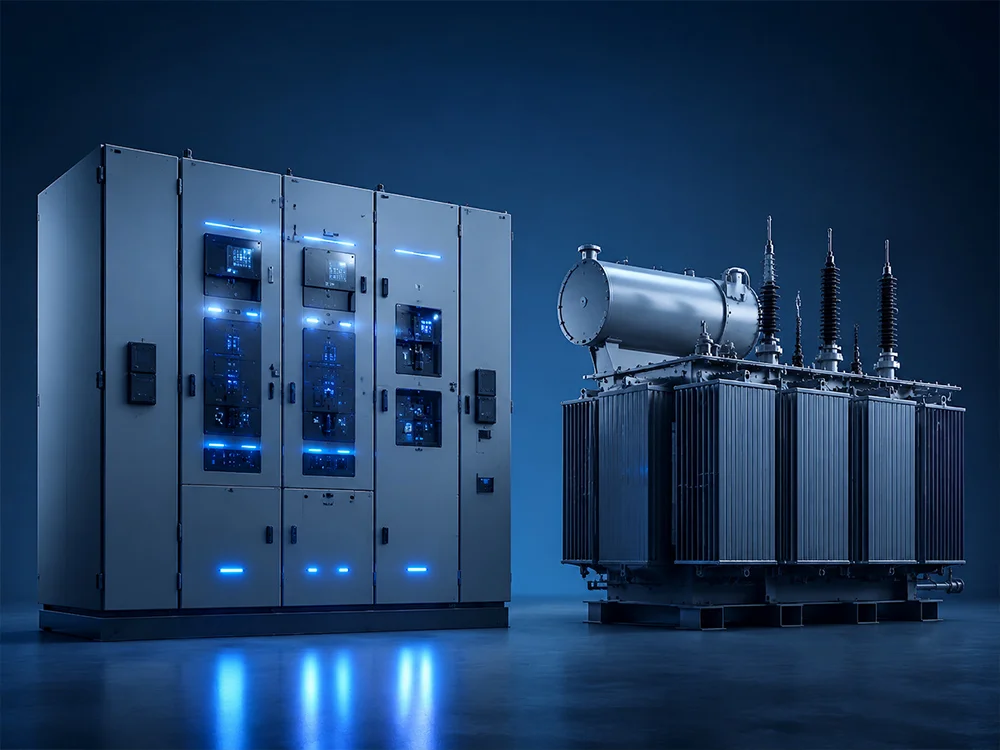
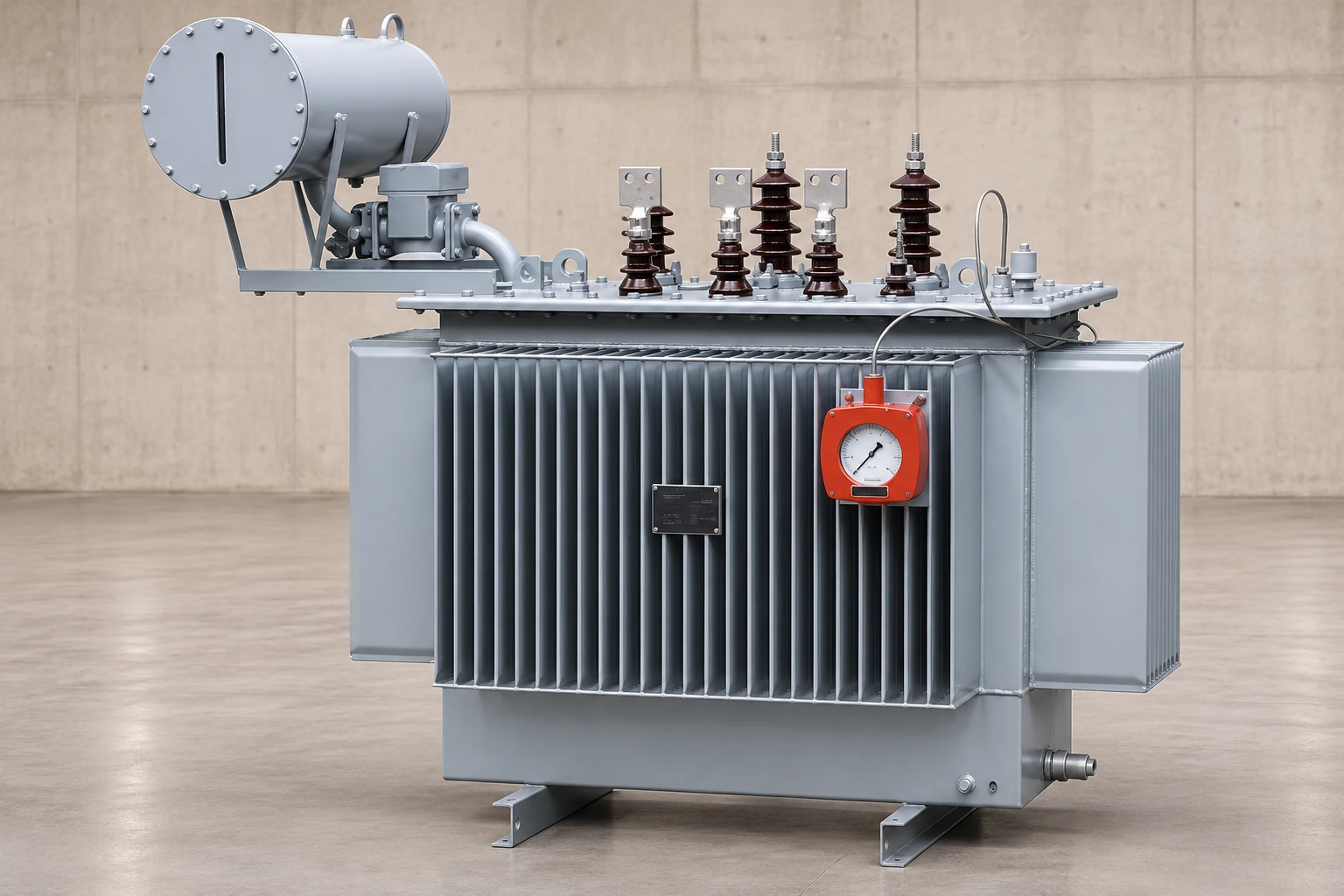
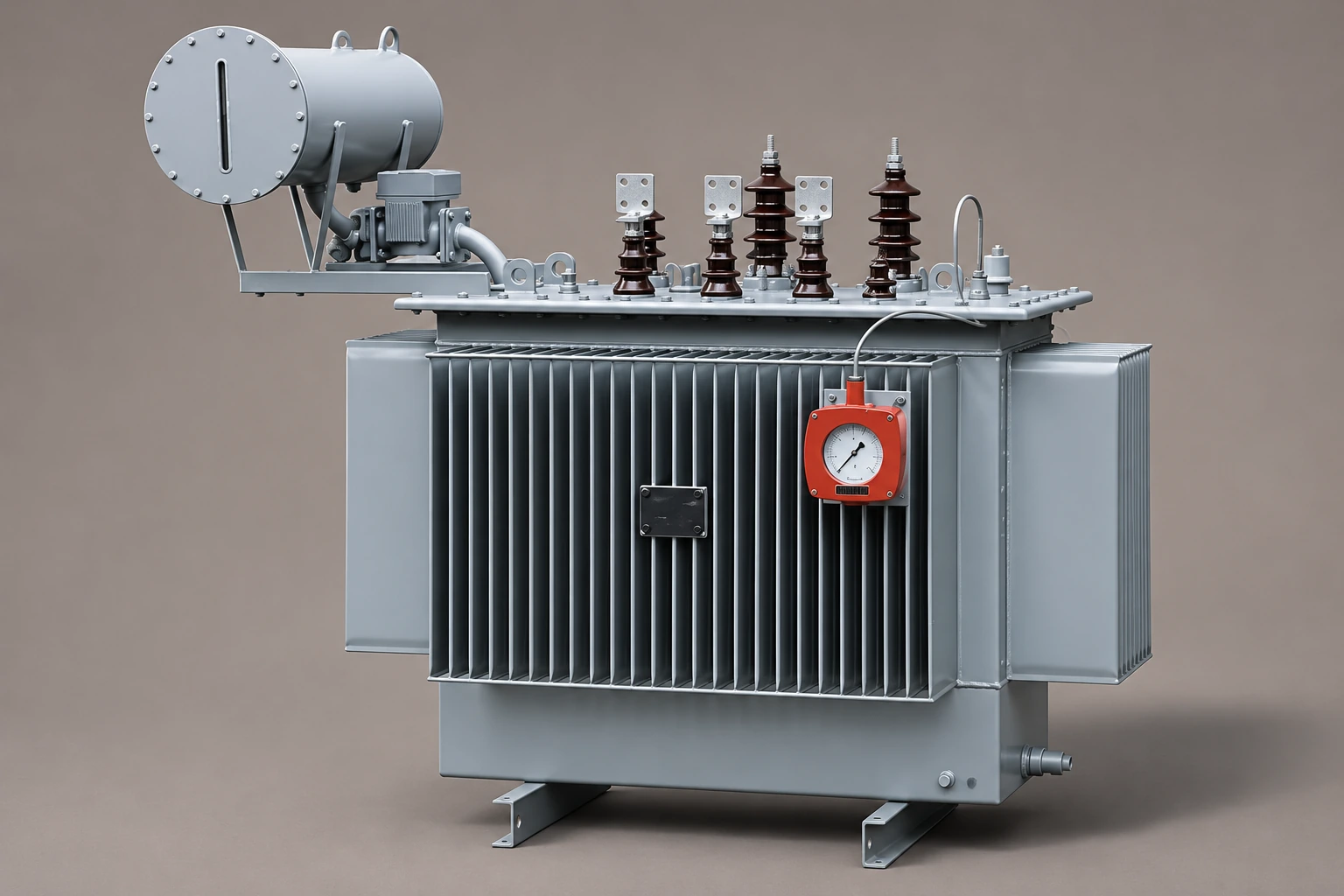
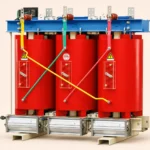
The Масляный силовой трансформатор Shenheng provides a real product reference for this article’s overall equipment illustrations. The pictures identify the product category and external fin arrangement. They do not show an internal blockage, a thermal survey or a confirmed fault. A project-specific radiator inspection still needs the supplied unit’s drawings and records. For broader selection context, consult the руководство по трансформаторам с масляным погружением.
Record whether cooling is natural or assisted and whether fans or pumps are actually fitted. Use the declared cooling stages, not equipment inferred from a generic photograph. The ONAN and ONAF cooling comparison explains that separate design question. A report about dirty fins should not silently become a proposal to add fans, change the cooling rating or authorize higher loading.
Иллюстрация изделия для справки, основанная на изображении продукции Shenheng; не является фактической записью о техническом обслуживании, испытаниях или объекте заказчика.
Distinguish three different inspection questions
Is the outside air path restricted?
Visible deposits, leaves or other site contamination can obstruct air movement or cover heat-transfer surfaces. Record location, extent and distribution from an authorized observation position. Describe what is visible without estimating a percentage loss of capacity from a photograph. Similar-looking deposits can differ in thickness, adhesion and moisture content, and their consequences depend on the cooling geometry.
Is liquid circulation abnormal?
An unusual thermal pattern is evidence for further assessment, not a complete diagnosis. Compare similar radiator sections under known operating conditions. A difference may require checking cooling configuration, indicated liquid level, recent maintenance and the validity of the measurement. Do not conclude that a cold bank is safe, disconnected or empty merely because it appears cool on one image.
Has the operating duty changed?
Higher temperature may coincide with greater load, warmer incoming air, blocked surrounding space or a cooling-stage issue. Assemble a short timeline before calling the symptom “blocked fins.” Otherwise, a cleaning intervention can be credited with solving a problem that was actually a temporary load change. Equally, a clean outside surface does not rule out an internal circulation problem.
Establish a comparable observation record
Use one record for each inspection event. Include asset identity, date, observer, authorized access conditions, relevant load information and weather or room conditions. Where available, retain temperature trends and cooling-stage indications with their timestamps. A photograph without a date or asset label may be useful for orientation but is weak evidence for a developing fault.
Thermal observations should be planned and interpreted by competent personnel using suitable equipment and the site’s approved method. Viewing angle, surface finish, reflections, wind and the operating state can affect interpretation. Keep the original files and measurement settings. This article gives no universal temperature difference that separates normal from abnormal operation: that decision needs a comparable baseline and the actual equipment criteria.
The Руководство по техническому обслуживанию трансформаторов Бюро рекультивации discusses cooling-system inspection, deposits and circulation problems. Its guidance supports looking beyond the outside appearance. It does not establish a cleaning method or acceptance threshold for every Shenheng transformer. Identify the relevant construction and have the manufacturer or responsible engineer define the action.
Use an observation-to-decision table
The following is a qualitative review aid. It organizes questions; it is not a fault classification standard or a substitute for manufacturer limits.
Observation
Документы для сбора
Question before corrective work
Decision record
Deposits visible between external fins
Clear location photographs, material description and extent
Which approved cleaning method protects coatings, insulation and fin geometry?
Named method, responsible party and acceptance check
One bank appears cooler than comparable banks
Original thermal files, load and cooling-stage information
Are configuration, liquid condition and measurement conditions comparable?
Investigation scope and unresolved causes
Temperature trend rises while duty appears similar
Time-aligned load, ambient and temperature history
Is the cooling path unchanged, and are instruments credible?
Engineer review and operating restrictions if required
Oil staining near a radiator joint
Location, progression and maintenance history
Is containment or an oil-boundary repair needed?
Separate leak work order and environmental response
Fins appear bent or access is obstructed
External condition photographs and layout
cURL Too many subrequests by single Worker invocation. To configure this limit, refer to https://developers.cloudflare.com/workers/wrangler/configuration/#limits
cURL Too many subrequests by single Worker invocation. To configure this limit, refer to https://developers.cloudflare.com/workers/wrangler/configuration/#limits
cURL Too many subrequests by single Worker invocation. To configure this limit, refer to https://developers.cloudflare.com/workers/wrangler/configuration/#limits
cURL Too many subrequests by single Worker invocation. To configure this limit, refer to https://developers.cloudflare.com/workers/wrangler/configuration/#limits.
cURL Too many subrequests by single Worker invocation. To configure this limit, refer to https://developers.cloudflare.com/workers/wrangler/configuration/#limits.
Иллюстрация изделия для справки, основанная на изображении продукции Shenheng; не является фактической записью о техническом обслуживании, испытаниях или объекте заказчика.
Plan access and electrical safety before gathering close-up evidence
The HSE guidance on working with electrical equipment emphasizes suitable precautions and competent work. Inspection planning should identify who may approach the equipment, what can be observed without intrusive access, and which activities require an outage. Do not touch fins, reach behind guards or remove covers to improve a photograph. Surface temperature and electrical approach hazards must both be considered.
Prepare the work package around the actual installation. Include authorized isolation boundaries, relevant auxiliary supplies, site access rules, environmental containment and communication responsibilities. If evidence can be collected safely through existing monitoring or approved observation arrangements, obtain it before expanding intrusive work. An inspection report should make the access limitation clear instead of filling unseen areas with assumptions.
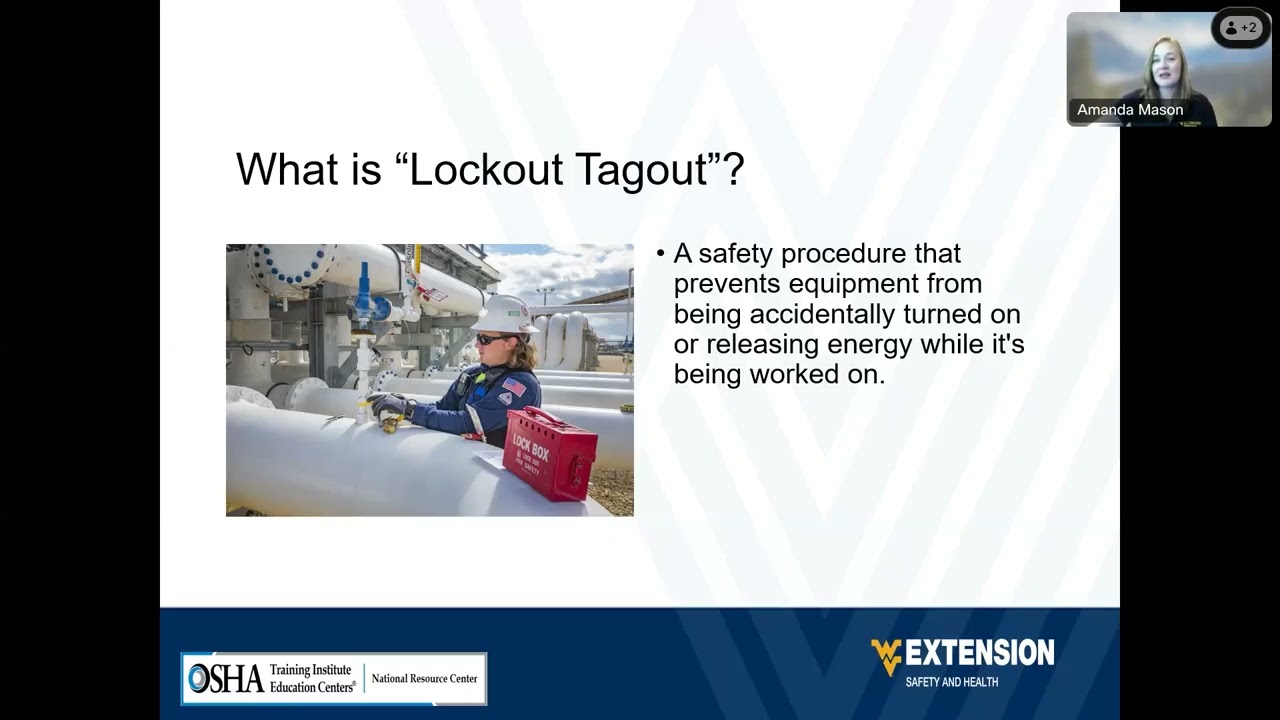
The government video below provides background on controlled energy isolation during maintenance. It does not demonstrate transformer radiator cleaning, liquid draining or a model-specific switching sequence. The written work package and the responsible electrical authority remain essential.
Дополнительное обучение: Защита безопасности и здоровья – блокировка и метка — Министерство труда России. Публикация на YouTube.
Specify acceptance before awarding the work
A useful quotation request lists the asset, cooling construction, suspected restriction, available evidence, approved work boundary and required records. Ask the contractor to identify exclusions: internal cleaning, oil handling, valve work, coating repair and thermal assessment may be separate services. A low quotation for outside washing should not be compared directly with a controlled oil-system intervention.
Agree on how completion will be demonstrated. For an external deposit problem, the record may include matching before-and-after photographs, an inspection of accessible air paths and confirmation that no coating or fin damage was introduced. Where the engineering question concerns cooling performance, define the follow-up operating observations and comparability conditions. The reviewer should state what those observations can establish and what remains unproven.
Consider a planning example: one radiator area appears cool, but the image was taken at a different load from the previous survey. The correct first deliverable is a reconciled evidence package, not a purchase order for replacement radiators. If subsequent comparable observations still show a concern, the engineer can request further diagnosis. This staged approach reduces the chance of treating a measurement difference as a physical blockage.
Close the record without overstating the result
Record the final disposition as observation only, external cleaning completed, further investigation required or repair accepted against named criteria. Preserve the original concern and explain why the disposition changed. If the cause remains uncertain, say so. “No visible external obstruction” is a useful finding; “cooling system fully healthy” requires broader evidence.
Set the next inspection according to site conditions, manufacturer guidance and the equipment maintenance program. A dusty location, repeated contamination or a changed surrounding layout may justify closer review. Avoid copying a fixed interval from another installation. The lasting value of the inspection is a traceable connection between symptom, evidence, authorized action and subsequent operating condition.
Часто задаваемые вопросы
Does a cold radiator section prove an internal blockage?
No. It is a reason to review comparable thermal observations, loading, cooling configuration, liquid information and recent work. A single temperature pattern cannot identify the cause by itself.
Can outside cleaning remove sludge inside a radiator?
External cleaning addresses the air side. Internal contamination needs a separate diagnosis and manufacturer-approved work scope with oil handling and contamination controls.
Should every dirty radiator be pressure washed?
No universal method applies. Obtain an approved method that considers coatings, fin geometry, nearby electrical components, contamination capture and drying or inspection requirements.
What should a buyer request before ordering radiator replacement?
Request the asset drawings, original observations, comparable operating data, diagnosis, proposed work boundary and manufacturer-defined acceptance evidence. Confirm that replacement addresses the established cause.
Компания Shenheng Electric Power стремится стать мировым лидером в области решений для энергетического оборудования, помогая клиентам обеспечивать безопасное, эффективное и экологичное управление электроснабжением.

 Шэньхэн Силовое Оборудование Ко., Лтд.