Компания Shenheng Power с 2001 года является надежным производителем оборудования для передачи и распределения электроэнергии, поставляя надежные электротехнические решения по всему миру.
Опираясь на комплексную систему послепродажного обслуживания, мы предоставляем экспертные технические консультации, рекомендации по продукции и гибкие услуги OEM и ODM для ваших проектов.
Компания Shenheng Power с 2001 года является надежным производителем оборудования для передачи и распределения электроэнергии, поставляя надежные электротехнические решения по всему миру.
Семянная квалификация оборудования для промышленных объектов
Время выхода: 2026-10-18
Switchgear seismic qualification is the documented demonstration that a defined equipment configuration meets the project’s specified earthquake-performance requirements. A generic seismic certificate is insufficient unless its tested or assessed configuration, mounting, applicable demand and acceptance criteria cover the proposed installation. Buyers should review the qualification report together with the structural support and anchorage design, then preserve that basis through manufacture and installation. This guide explains how to request and review that evidence for industrial projects without treating a cabinet photograph, an anchor count or a different product’s test as proof of compliance.
Begin with the required performance
Define what the owner expects during and after the specified earthquake. Preventing a cabinet from overturning is different from demonstrating continued electrical function. A project may impose structural, functional or post-event operability requirements, and their acceptance evidence can differ. State those requirements before asking a supplier for a certificate.
The applicable route depends on the project, jurisdiction and equipment application. Building nonstructural-component provisions, substation equipment practices and nuclear qualification requirements have different scopes. Do not transfer acceptance from one framework to another simply because all use the word seismic.
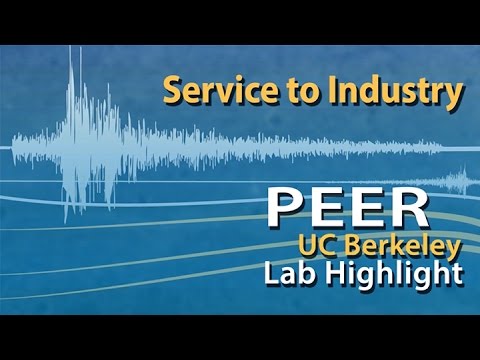
The UC Berkeley PEER laboratory overview describes qualification work involving electrical switchgear and identifies AC156 and IEEE 693 among its testing frameworks. This establishes that several relevant routes exist; it does not establish which one governs a particular industrial installation or certify a Shenheng product.
Identify the exact assembly being purchased
A switchgear lineup is more than an empty steel enclosure. Breakers, busbars, instrument transformers, control devices, cable interfaces and doors contribute mass, stiffness and functional behaviour. Their position and support matter to qualification coverage. A supplier should explain the relationship between the equipment assessed and the equipment offered.
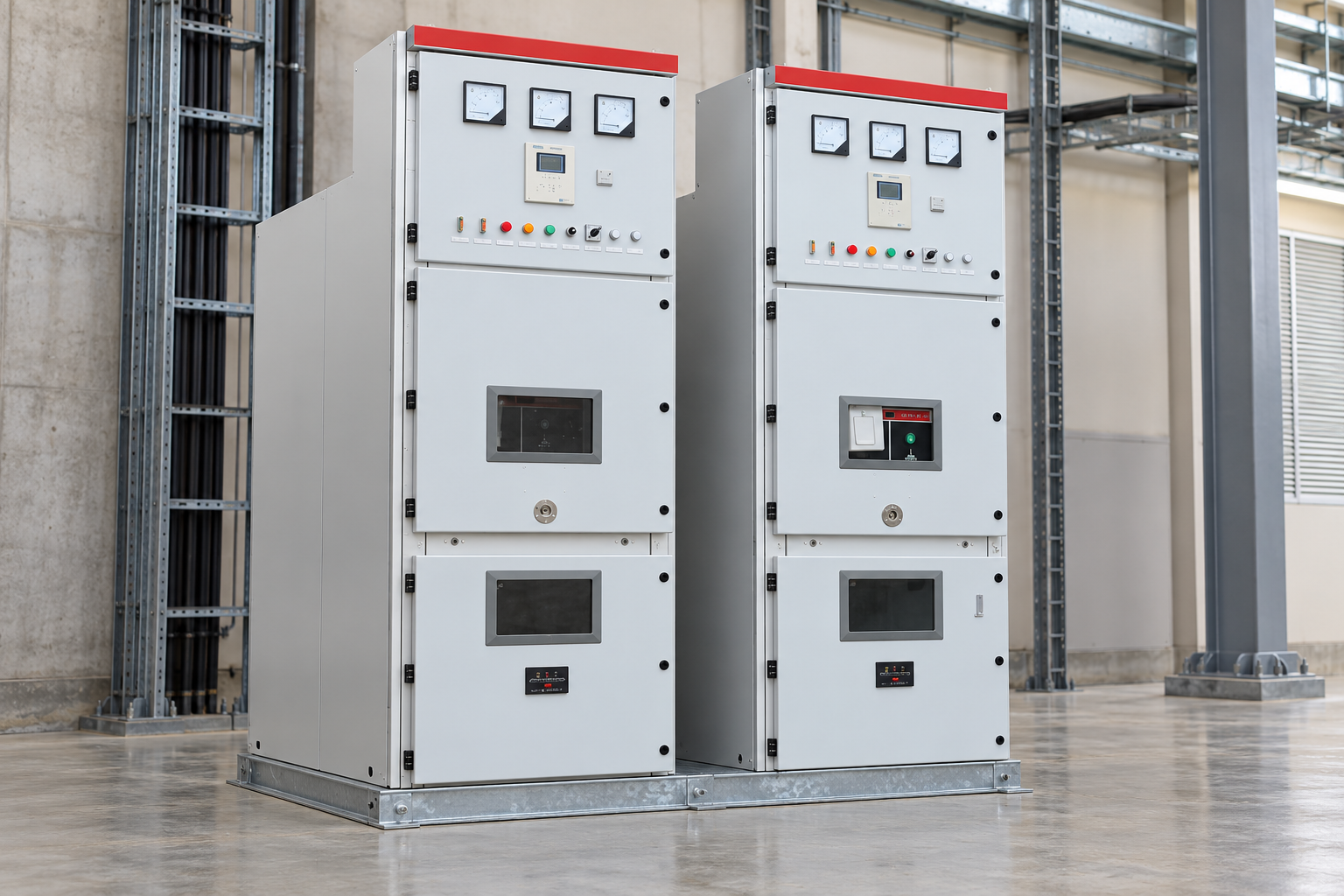
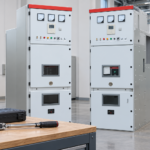
Используйте Распределительное устройство среднего напряжения КРУ КУН28 as a product-family starting point, then request the project-specific configuration and evidence. The reference illustration in this article shows the cabinet family only. It makes no claim about a seismic rating, shake-table result or certified mounting arrangement.
The medium-voltage switchgear selection guide helps establish the assembly’s electrical functions. Seismic qualification adds a separate evidence requirement; satisfactory electrical ratings do not independently demonstrate earthquake performance.
Read the qualification scope before the certificate headline
Ask for the report or assessment behind a summary certificate. Record the equipment identification, configuration, qualification method, demand basis, acceptance criteria, mounting and limitations. A short certificate can be a convenient index, but it should lead to sufficiently detailed evidence for the reviewer to establish applicability.
Review question
Evidence expected
Decision before approval
Which assembly was covered?
Drawings, dimensions, components and mass distribution
Confirm the offered lineup is within the documented scope
What earthquake demand was used?
Required spectrum or other defined project demand
Compare using the applicable qualification framework
How was it mounted?
Base, attachment and support arrangement
Coordinate the real installation with the qualification basis
What performance was assessed?
Structural and functional acceptance criteria
Confirm the owner’s required outcome is addressed
What changes are permitted?
Configuration limits and documented engineering evaluation
Resolve deviations before manufacture
What must be inspected on site?
Installation and acceptance requirements
Assign checks and preserve evidence at handover
This table is a procurement review aid, not an alternative qualification standard. A structural or seismic specialist must make the technical applicability assessment required by the project.
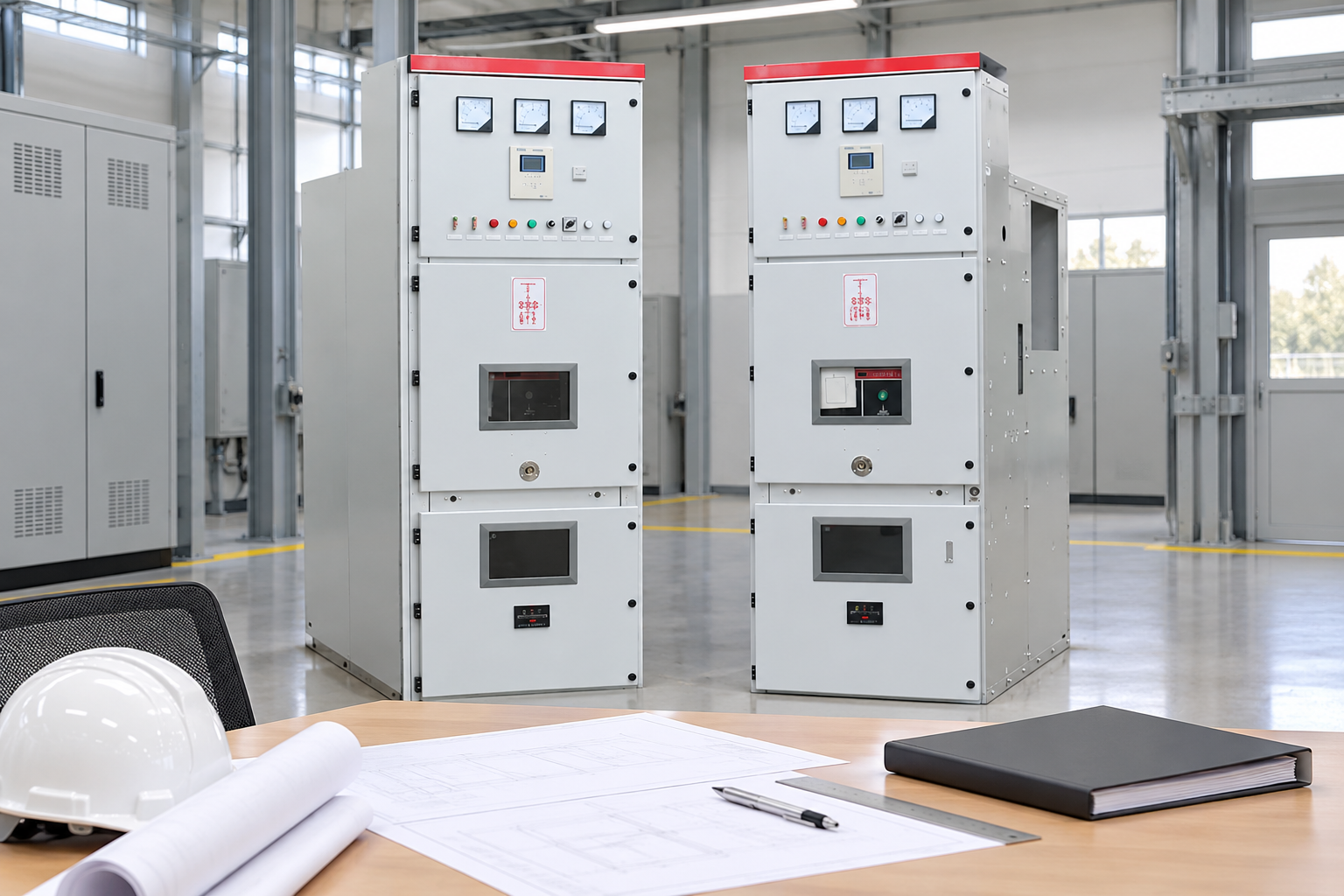
Coordinate the cabinet-to-support interface with the structural design. Reference-based illustration.
Understand testing, analysis and configuration coverage
Shake-table testing applies controlled motion to a specimen and records its response and performance under an agreed programme. Analysis evaluates defined behaviour using a justified model and assumptions. A project may permit one method, a combination or another accepted route; the contract should resolve that question before the supplier incurs qualification work.
The University of Nevada, Reno laboratory description documents seismic qualification testing of nonstructural components and systems. It illustrates the specialist facilities available for this work. An available laboratory service does not itself establish that a particular model has been tested or that analysis is unacceptable for every application.
For a tested assembly, review the specimen’s construction and operating conditions alongside the required motion and instrumentation. A report should explain the acceptance results for the functions it claims. Where operational checks are part of the programme, retain their procedures and results rather than assuming that a cabinet remaining upright proves functionality.
For an assessment extending evidence to another configuration, ask who performed it, which differences were considered and what limits apply. A longer lineup, heavier breaker or different relay arrangement may require evaluation. Whether a change remains covered is an engineering conclusion, not an assumption a purchasing team should make from similar model names.
Keep response spectra tied to their definitions
A peak acceleration number alone can hide important differences in frequency content, direction, support conditions and qualification method. When spectra are required, compare them using the governing procedure and the correct installation basis. A larger isolated number does not automatically establish that one evidence package envelops another.
Record where the demand applies. A ground-level support and equipment on an elevated building floor can experience different motion. The structural designer should provide the relevant input and identify the support conditions assumed. Avoid asking the equipment supplier to infer those conditions from the site address alone.
Treat anchorage as an engineered interface
The cabinet-to-base, base-to-support and support-to-building connections form a continuous load path. Each package must agree on the forces, geometry, stiffness and installation details at its boundary. A qualified cabinet on an unverified support is not a complete installation.
Do not select anchors using a generic bolt count or torque from an unrelated project. The design must address the actual concrete or steel support, edge distances, embedment or connection geometry, relevant loads and applicable rules. The qualification report may impose conditions that the structural design must preserve.
Cable entries and flexible connections also need coordination. Relative movement can load terminals even when the cabinet’s main frame remains stable. Review these interfaces with the electrical and structural designers, using approved drawings and installation requirements rather than improvised flexible loops or braces.
The switchgear room layout guide addresses access and maintenance space. Keep that access while coordinating supports; a brace or anchorage detail should not silently obstruct withdrawal routes, escape paths or required equipment operation.
Keep functional criteria separate from cosmetic observations
A cabinet can show little visible damage while a control contact, latch or internal connection behaves incorrectly. Conversely, a cosmetic mark may not affect the required function. Define the functional checks that matter to the owner, and let the approved programme establish how they are demonstrated.
For critical schemes, the review may need to address protection, control and switching functions as well as structural integrity. Avoid expanding a certificate’s claim beyond the actual checks recorded. If the report covers only specified components or conditions, preserve that limitation in the approval record.
The IEEE educational notice about Class 1E switchgear qualification concerns a specialized application. It is useful context for the distinction between assembly integrity and function, but nuclear-specific qualification requirements should not be copied into an ordinary industrial purchase without a defined project basis.
Retain configuration, anchorage and acceptance records. Reference-based illustration.
Control changes after technical approval
Freeze the configuration associated with accepted evidence. Identify the drawings, bill of materials, panel arrangement, component locations and mounting requirements that matter to coverage. The supplier’s change process should flag relevant substitutions before manufacture or dispatch.
Examples requiring review can include a different breaker mechanism, an added upper compartment, a revised base frame or new heavy components. These examples are review triggers, not a claim that every such change always invalidates qualification. Ask the responsible specialist to document whether the existing evidence remains applicable and why.
Keep changes visible during site work too. Unapproved drilling, removed brackets, temporary shipping restraints left in service or altered supports can undermine the intended installation. Site personnel need clear instructions distinguishing transport provisions from permanent structural features; photographs alone rarely explain that distinction adequately.
Verify installation and retain the acceptance record
Before equipment installation, verify that the support matches the approved design and that required records are available. Coordinate inspections before anchors and connections become concealed. The inspection plan should identify who checks installation, what evidence is retained and how deviations are resolved.
After installation, compare the actual lineup, base and connections with the accepted configuration. Record component substitutions and any differences in cable arrangements or support details. Technical deviations should receive a documented disposition before final acceptance, rather than being buried in a general completion checklist.
Используйте Список контрольных критериев для приемки оборудования электрооборудования на объекте for complementary electrical and mechanical checks. Site acceptance does not reproduce a laboratory earthquake test. Its role is to confirm that the supplied and installed equipment corresponds to the approved design and qualification basis, with the required functional checks completed safely.
Video: what a qualification laboratory does
The PEER-UC Berkeley video below introduces seismic qualification testing of critical equipment, including electrical switchgear. It provides context for discussing a laboratory programme. It does not demonstrate that the product illustrated in this article has passed a test or specify the requirements for your site.
Further learning: PEER Labs – Service to Industry & Seismic Qualification Testing — PEERvideos. Educational background; this is not an operating authorization. Открыть видео на YouTube.
Write an enquiry that can be evaluated
Provide the installation location, support arrangement, governing framework, project demand and required post-event performance. Identify the lineup dimensions, component schedule and required documentation. Ask the supplier to state what is already supported by evidence and what needs additional assessment or testing.
Require a deviation schedule with the offer. A clear limitation on configuration or mounting is more useful than a broad statement of compliance without supporting detail. Resolve the technical scope, review responsibility, schedule and cost of additional work before placing the order.
At handover, retain the qualification report, applicability assessment, approved drawings, structural design, installation records, change dispositions and acceptance results as one indexed package. This allows future extensions and replacements to be assessed against a known basis rather than a certificate detached from its equipment.
Часто задаваемые вопросы
Does seismic qualification mean the switchgear will operate after every earthquake?
No. It demonstrates compliance with defined requirements under a specified qualification basis. Continued operation is a separate performance claim that must be supported by the applicable criteria and evidence. It is not a guarantee against unlimited earthquake demand.
Is a certificate for the same product family sufficient?
Only if a documented review establishes that the proposed configuration and installation are within its scope. Compare component arrangement, mass, support, mounting, demand and performance requirements. Similar model names alone do not establish coverage.
Can extra anchor bolts solve a qualification gap?
Not by themselves. Anchorage is part of an engineered load path and may be constrained by the qualification basis. The structural and equipment designers must resolve the real support and connection requirements; an arbitrary bolt count is not qualification evidence.
Should site acceptance include another shake-table test?
Ordinary site acceptance checks the delivered configuration, installation and specified functions. It does not normally reproduce a laboratory qualification programme. Follow the project’s approved evidence and inspection requirements, and resolve any special testing explicitly before execution.
Компания Shenheng Electric Power стремится стать мировым лидером в области решений для энергетического оборудования, помогая клиентам обеспечивать безопасное, эффективное и экологичное управление электроснабжением.

 Шэньхэн Силовое Оборудование Ко., Лтд.