Компания Shenheng Power с 2001 года является надежным производителем оборудования для передачи и распределения электроэнергии, поставляя надежные электротехнические решения по всему миру.
Опираясь на комплексную систему послепродажного обслуживания, мы предоставляем экспертные технические консультации, рекомендации по продукции и гибкие услуги OEM и ODM для ваших проектов.
Компания Shenheng Power с 2001 года является надежным производителем оборудования для передачи и распределения электроэнергии, поставляя надежные электротехнические решения по всему миру.
SF6-free ring main unit technologies can use different combinations of interruption and insulation, including vacuum interruption with suitable solid or alternative-gas insulation arrangements. The phrase “SF6-free” identifies the absence of one specified gas; it does not establish every environmental property, electrical rating or maintenance requirement. Compare the complete assembly against the required voltage, fault duty, feeder functions, environment and service strategy. A change of technology should be supported by current design and test evidence, not by assuming that a familiar cabinet can simply be filled with another medium.
Define what SF6-free means in the offer
Ask the supplier to identify the interruption medium, insulation medium and every relevant gas compartment. A vacuum interrupter can operate inside an assembly that still uses gas elsewhere for insulation. The interruption device therefore cannot independently establish that the RMU is SF6-free.
Also distinguish SF6-free from fluorinated-gas-free or other environmental claims. Some alternatives may contain another fluorinated substance, while others use a different approach. Request the actual composition and documentation rather than relying on a product family name.
EPA’s resources on SF6 alternatives provide background on alternative technologies and the need to verify equipment specifications with manufacturers. The listed resources should not be interpreted as approval of a particular RMU, or as proof that every technology is available in every voltage and configuration.
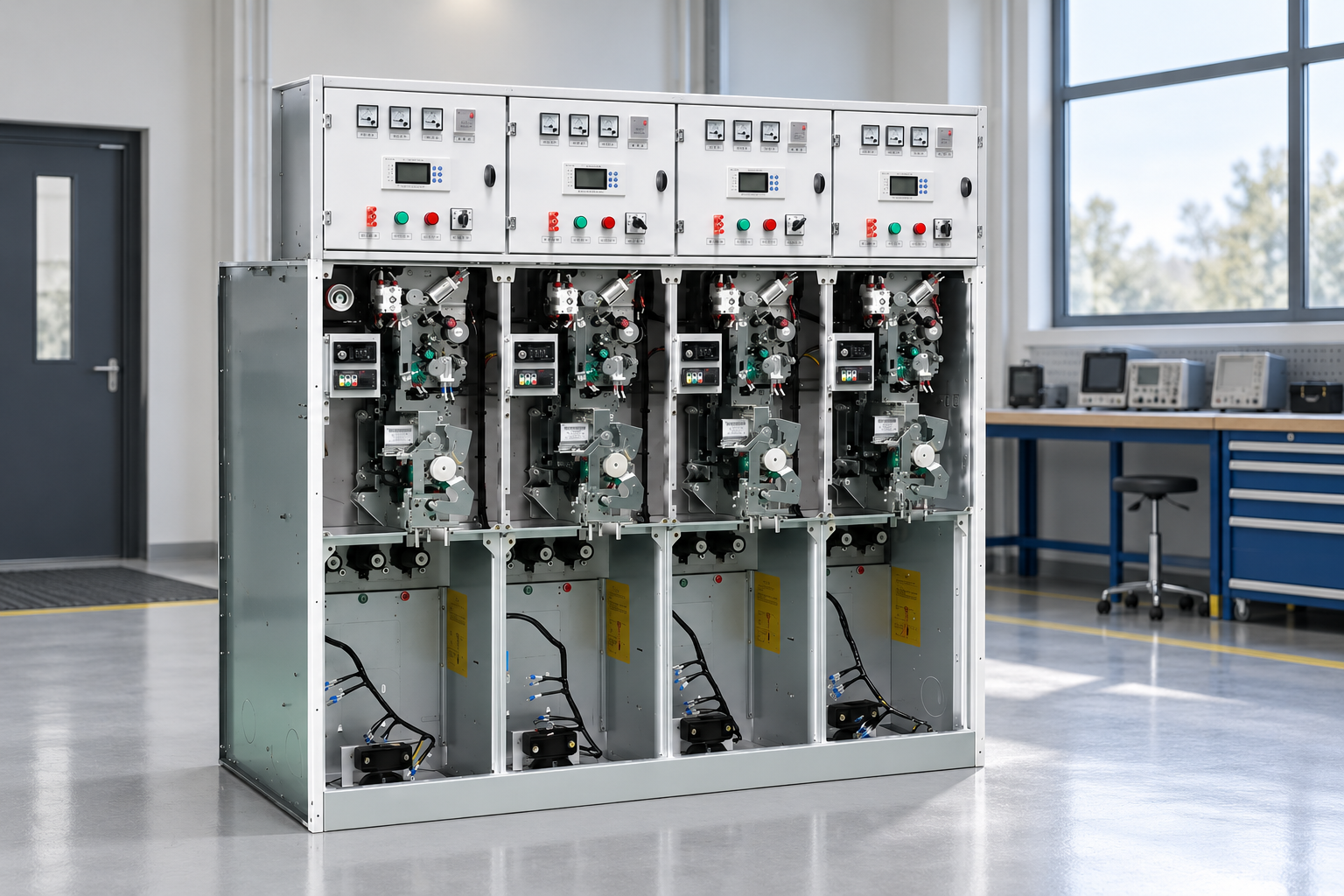
Confirm the exact medium and complete offered configuration in writing. Reference-based illustration.
Technology comparison without assuming universal performance
Approach
What to identify
Questions for selection
Lifecycle evidence
Vacuum interruption
Device that clears the current
Is its duty appropriate to the feeder and network?
Mechanical service and replacement strategy
Solid primary insulation
Parts insulated by solid dielectric materials
Are interfaces and environment covered by the design?
Inspection, repair and material handling
Alternative gas or gas mixture
Exact insulating medium and compartments
Are voltage, temperature and fault duties validated?
Handling, leakage and recovery instructions
Air-based insulation arrangement
Complete construction and required clearances
Does the assembly meet the space and environmental requirements?
Inspection and contamination management
Combined design
Role of each medium in the assembly
Which reports cover the offered configuration?
Complete assembly service plan
This is a qualitative comparison. It does not assign ratings or availability to technology families. Obtain the actual offer and test evidence before making the project decision.
Keep the feeder function unchanged during comparison
Define the required ring connections, transformer feeder, metering, protection and extension arrangement first. Then compare equivalent technology offers. An offer with fewer functions or a different protection philosophy should not be treated as a direct price alternative.
The RMU types and configurations guide helps establish that functional requirement. The technology comparison should retain the same feeder duty and operating objective so the buyer can understand the real difference.
Check rated voltage, normal current, short-circuit duty, switching capability and protection coordination. A favorable environmental statement does not compensate for an inadequate electrical rating. Conversely, an adequate rating does not settle the service or environmental requirements; both sets of evidence are needed.
Confirm the complete insulation and interruption system
Request a construction description that identifies the primary circuit, interruption devices, insulation compartments and cable interfaces. Specify how the assembly is extended and how replacement modules connect. The outside dimensions and paint color cannot establish those internal features.
For a vacuum-based feeder, ask which currents the device is intended to interrupt and how it is coordinated with the protection scheme. Review the network switching application through the manufacturer and project engineer. Do not treat every vacuum device as interchangeable or every switching event as identical.
For solid or gas insulation, ask which test reports cover the offered configuration and interfaces. The solid versus gas insulated RMU comparison addresses those construction and maintenance questions separately. It complements the environmental choice rather than duplicating it.
Temperature, altitude and environmental conditions
Alternative media can have specific operating and storage limits, just as established designs do. Identify minimum starting temperature, ambient range, altitude and any special service conditions. Request written confirmation that the offered arrangement covers the actual site.
Evaluate condensation, contamination, corrosion, cable-entry conditions and housing design. A sealed primary compartment does not automatically protect controls, mechanisms and terminations from the external environment. The indoor versus outdoor RMU guide helps define those installation conditions.
Avoid accepting a generic “outdoor” declaration without the complete arrangement. Identify any required heaters, outer housing, drainage or operating restrictions. The owner should know whether those features are included in the quotation or remain a site responsibility.
Internal-arc performance and safe access
Review the applicable internal-arc classification, accessible sides and installation conditions for the exact offered assembly. Different technologies can produce different construction arrangements, so do not carry an old room or enclosure assumption forward without checking it.
Ask how pressure relief, exhaust routing and operator positions are addressed. Confirm cable-compartment access, earthing-switch functions, interlocks and indications. An environmental benefit does not change the need for approved switching and safe-work procedures.
IEC 62271-200 identifies the scope for relevant metal-enclosed switchgear assemblies. Use the project-required edition and actual report identifiers in the compliance review. A reference to the standard in a brochure is weaker than evidence covering the delivered configuration.
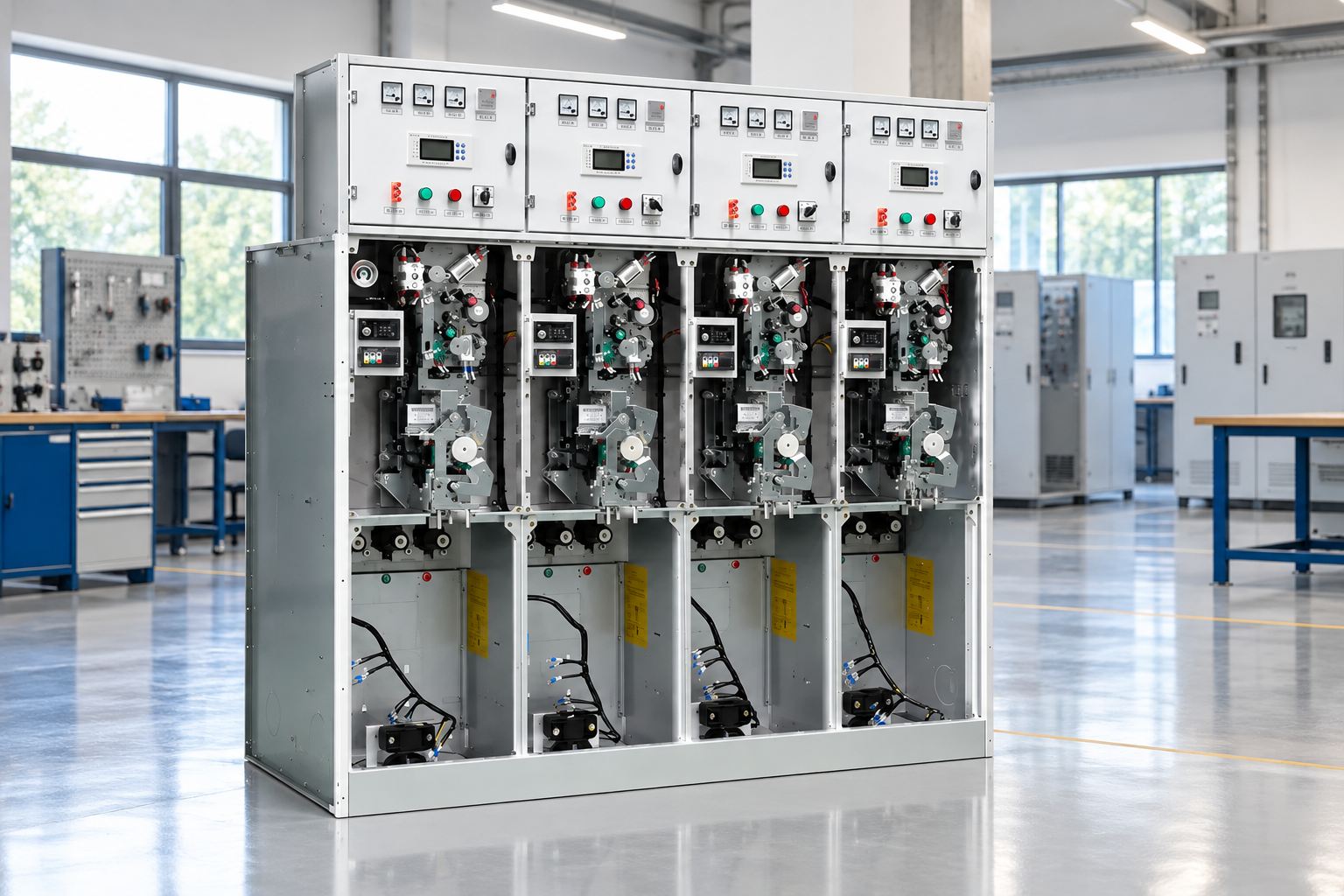
Compare installation, spares, handling and end-of-life obligations. Reference-based illustration.
Maintenance and support over the asset life
Ask which routine inspections remain necessary and which tasks are reduced by the proposed construction. Mechanisms, relays, indications, cable interfaces and auxiliary systems still need a service strategy. A claim of “maintenance free” should define its boundary and the conditions under which it applies.
Review available diagnostics, spare modules and authorized service capability. A replacement-only component may be acceptable if lead times, interfaces and spares are planned. It becomes a risk when the owner expects a local repair that the manufacturer does not permit.
For gas-containing alternatives, identify gas handling, personnel training, recovery equipment and end-of-life responsibility. For solid insulation, identify approved investigation and disposal methods. Avoid assuming that removing SF6 eliminates every service obligation or environmental consideration.
New procurement and retrofit are different tasks
A new RMU can be selected as a complete tested design. Replacing a medium inside an existing unit is a change to an already established construction and requires specific engineering approval. The new medium can affect dielectric behavior, operating conditions and other design requirements.
University research can demonstrate a technology in a defined application, but it does not authorize its use in an unrelated asset. The University of Manchester’s network-decarbonization case study illustrates research-led replacement work in a particular context. It should not be treated as a universal instruction to retrofill every RMU.
Ask the original manufacturer and owner to evaluate the exact asset before considering a retrofit. Where no validated conversion exists, replacement may be the appropriate route. An unapproved gas substitution is not an acceptable shortcut to an environmental target.
Compare lifetime cost and implementation risk
Include equipment, installation, training, spares, inspections, handling, outages and disposal in the comparison. Use consistent load, environment and service-life assumptions. A headline purchase price can hide different support obligations or required site modifications.
Evaluate the reliability of local support. Can the owner obtain the specified medium, modules and tools during the expected operating life? What happens if a component fails during a critical outage? A supported technology with clear repair arrangements may have a different risk profile from a new offer with uncertain service infrastructure.
Document regulatory applicability for the actual location and procurement date. Requirements can vary by jurisdiction, voltage class and equipment type. Ask the supplier for a specific declaration and have the owner verify the relevant obligations. Do not convert an environmental preference into an unsupported legal statement.
Current website products and requested alternatives
The website’s SF6 gas-insulated RMU identifies a current equipment category. It does not establish that a visually similar SF6-free version is available with the same ratings, dimensions or configuration.
If an SF6-free design is required, state that requirement explicitly in the inquiry and request a verified offer. Ask the supplier to identify the technology, ratings, reports, service limits and support arrangement, or state that the requested option is unavailable. This prevents a catalog reference from becoming an unintended product claim.
The reference-based illustrations in this article show equipment context. They do not certify internal gas composition or represent a tested alternative model. Product acceptance must rely on the offered documents and delivered identification, not an article image.
Procurement and acceptance checklist
Provide the single-line diagram, feeder functions, electrical duty, environmental conditions, expansion needs and owner maintenance capability. Ask bidders to identify the medium, interruption system, test evidence, internal-arc conditions, installation requirements and lifecycle responsibilities. Require exclusions and deviations to be stated clearly.
At delivery, match the equipment labels, drawings and reports to the evaluated offer. Confirm that operating instructions, spare lists and service procedures describe the same technology. Complete commissioning under the approved plan and retain baseline condition records.
Record the final selection reasoning. It should explain which electrical, environmental and service requirements the equipment satisfies, and where future review is needed. A useful decision is traceable to evidence rather than a broad claim that all SF6-free designs are equivalent.
Further learning
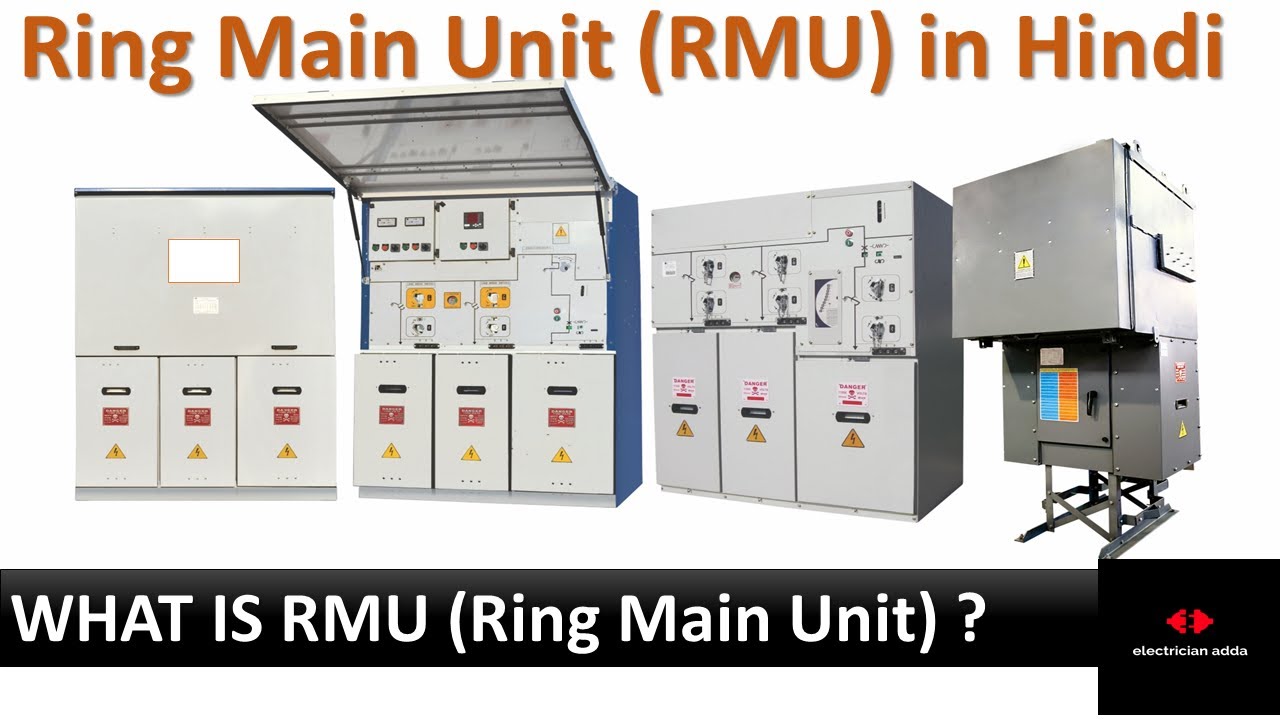
Further learning: Ring Main Unit Working | Basic knowledge Of RMU in Hindi | Ring main Unit (RMU) | — Electrician Adda (Electric tech). This educational video supports the topic; it is not a product demonstration or an operating authorization. Открыть видео на YouTube.
Часто задаваемые вопросы
Does SF6-free mean the equipment contains no fluorinated substances?
Not necessarily. Ask for the actual medium and relevant material declaration. The absence of SF6 answers a narrower question than every possible environmental classification.
Can an existing RMU simply be filled with another gas?
No. A medium change requires asset-specific engineering and manufacturer authorization. Research on one design does not establish compatibility with another.
Is vacuum interruption the same as gas-free insulation?
No. Vacuum identifies the interruption chamber. Other primary components may use gas or solid materials for insulation, so inspect the complete construction description.
What should decide between alternative designs?
Use electrical duty, validated configuration, site conditions, internal-arc requirements, maintenance, local support and lifecycle obligations. Compare complete offers rather than labels alone.
Компания Shenheng Electric Power стремится стать мировым лидером в области решений для энергетического оборудования, помогая клиентам обеспечивать безопасное, эффективное и экологичное управление электроснабжением.

 Шэньхэн Силовое Оборудование Ко., Лтд.